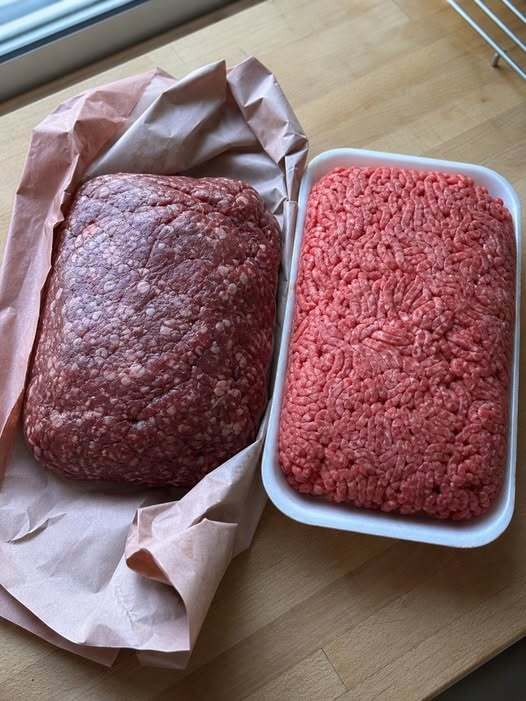
For many families, a trip to the supermarket is built on routine and trust.
Shoppers walk through familiar aisles expecting consistency in the products they bring home. Meat, in particular, is one of the most carefully selected items in many households. People often compare freshness, color, texture, price, and packaging before deciding what to buy for family meals.
But recently, some consumers have started noticing subtle differences.
Certain cuts appear to release more liquid during cooking. Others seem softer, firmer, or less flavorful than expected. Online discussions and consumer forums have filled with questions about sourcing, labeling, and whether meat quality has quietly changed over time.
Although food safety authorities continue emphasizing that regulated supermarket meat remains generally safe for consumption, growing conversations about transparency and product consistency are reshaping how many people shop.
This article explores why meat quality can vary, how modern food supply chains work, the myths and misunderstandings surrounding supermarket meat, and what consumers can do to make informed purchasing decisions.

Why Meat Quality Can Seem Different Today
Modern meat production involves a highly complex global supply chain.
Before arriving at a supermarket, meat products may pass through multiple stages involving:
Farms
Processing facilities
Distribution centers
Packaging plants
Transportation systems
Retail storage
Each step can influence texture, moisture retention, appearance, and consistency.
Food scientists explain that even small variations in handling, temperature, animal diet, or packaging methods may affect how meat behaves during cooking.
As a result, two products that appear similar on the shelf can sometimes perform differently in the kitchen.
Understanding Meat Labeling
One of the biggest sources of consumer confusion involves labeling terminology.
Terms such as:
Premium
Natural
Farm fresh
Grass-fed
Organic
Locally sourced
may sound straightforward, but they can have different legal meanings depending on regulations and location.
Organizations such as United States Department of Agriculture and Food and Drug Administration regulate aspects of food labeling in the United States, while other countries maintain their own systems.
However, many shoppers still find labels difficult to interpret quickly while shopping.

Why Some Meat Releases More Liquid During Cooking
One common complaint among consumers is excessive liquid appearing during cooking.
Food experts explain this can happen for several reasons.
Natural Water Content
All fresh meat naturally contains water. Muscle tissue is largely composed of moisture, and different cuts retain water differently.
Packaging Methods
Vacuum-sealed packaging can trap liquid released naturally over time. This does not necessarily indicate poor quality.
Freezing and Thawing
Previously frozen meat may release more moisture after thawing because ice crystals can affect muscle structure.
Processing Techniques
Certain processing methods may increase water retention for texture or shelf-life purposes, depending on regulations and product type.
Scientists emphasize that moisture variation alone does not automatically indicate unsafe food.
The Debate Around Food Transparency
Modern consumers increasingly want detailed information about where food comes from.
People often ask questions such as:
Was the meat locally sourced?
How were animals raised?
How long was the product transported?
Was the meat processed at multiple facilities?
What standards were followed during packaging?
This growing interest reflects a broader cultural shift toward transparency in food systems.
Researchers studying consumer behavior note that people are becoming more aware of supply chain complexity and more interested in traceability.

The Psychology of Food Trust
Food purchasing involves more emotion than many people realize.
Psychologists explain that consumers often associate food with:
Family care
Health
Routine
Cultural traditions
Financial responsibility
Because of this emotional connection, even small concerns about product quality can create strong reactions.
When shoppers feel uncertain about labeling or consistency, the issue often becomes not only about taste or texture, but also about trust.
Local Butchers vs. Large Supermarkets
In response to quality concerns, some shoppers are returning to local butcher shops or specialty markets.
Supporters of local sourcing often believe smaller suppliers provide:
More transparency
Personal communication
Detailed sourcing knowledge
Custom cutting options
Perceived freshness
However, food experts caution that both local and large-scale suppliers can provide safe, high-quality products when proper standards are followed.
Large supermarkets also benefit from standardized inspection systems and broad distribution networks that help maintain availability and affordability.
Ultimately, consumer preference often depends on budget, convenience, trust, and shopping priorities.
Common Myths About Supermarket Meat
The internet has fueled many misconceptions about meat processing and supermarket practices.
Myth: Color Always Indicates Freshness
Many people believe brighter red meat is automatically fresher. In reality, oxygen exposure and packaging methods strongly affect color appearance.
Myth: All Added Liquid Means Artificial Ingredients
Natural moisture release is common in meat products, especially after freezing or vacuum packaging.
Myth: Local Meat Is Always Higher Quality
Local sourcing may improve traceability, but quality still depends on handling, storage, animal care, and processing standards.
Myth: Texture Changes Always Mean Unsafe Food
Texture can vary due to cut type, animal diet, aging process, or cooking method.
Food safety experts recommend focusing primarily on proper storage, expiration dates, temperature handling, and official inspection standards.
The Role of Food Regulations
Food safety agencies worldwide monitor meat production through inspection systems and regulatory oversight.
Organizations such as World Health Organization and national food safety authorities help establish standards related to:
Sanitation
Labeling
Storage
Transportation
Contamination prevention
Inspection procedures
These systems are designed to reduce risks and maintain consumer confidence in food supplies.
At the same time, regulators continue updating standards as consumer expectations evolve.

Why Consumers Want More Transparency
Modern shoppers increasingly value transparency not only in food, but across many industries.
People want to understand:
Where products originate
How products are processed
Whether labeling matches expectations
What standards companies follow
This trend reflects broader cultural interest in ethical sourcing, sustainability, and informed purchasing.
In the food industry especially, transparency can significantly influence brand loyalty and public trust.
Practical Tips for Buying Meat
Food experts recommend several strategies for shoppers seeking greater confidence when buying meat products.
Read Labels Carefully
Look for inspection information, sourcing details, expiration dates, and storage instructions.
Observe Packaging Condition
Avoid damaged or leaking packages.
Store Meat Properly
Maintaining proper refrigeration is essential for quality and safety.
Compare Sources
Different stores and suppliers may offer different consistency levels depending on sourcing practices.
Ask Questions
Butchers and store staff may provide helpful information about sourcing and product handling.
Focus on Trusted Standards
Choose suppliers known for clear labeling and reliable food safety practices.
The Future of Food Transparency
Technology is increasingly changing how consumers interact with food information.
Some companies now use digital tracking systems, QR codes, and enhanced labeling to provide more sourcing details directly to shoppers.
Researchers believe future food systems may emphasize:
Greater traceability
Sustainability reporting
Ethical sourcing transparency
Advanced quality monitoring
Consumer education
As expectations continue evolving, trust and transparency may become just as important as price and convenience.
Conclusion
Concerns about supermarket meat quality reflect more than simple questions about texture or cooking performance. They reveal a broader conversation about trust, transparency, and confidence in modern food systems.
While experts continue emphasizing that regulated supermarket meat remains generally safe, consumers increasingly want reassurance that labels accurately reflect the products they purchase.
Understanding how meat is sourced, packaged, and distributed can help shoppers make more informed decisions without unnecessary fear or confusion.
Perhaps the most important lesson is that food choices today involve more than nutrition alone. For many people, buying food also represents trust in systems, companies, and information. In a world of increasingly complex supply chains, clarity and transparency matter more than ever.
Sources
United States Department of Agriculture
Food and Drug Administration
World Health Organization