There is something especially satisfying about preparing a meal entirely from scratch. Whether you’re making juicy burgers for a summer cookout, flavorful dumplings for a family dinner, or hearty meatballs for a comforting pasta dish, starting with fresh ingredients often makes all the difference.
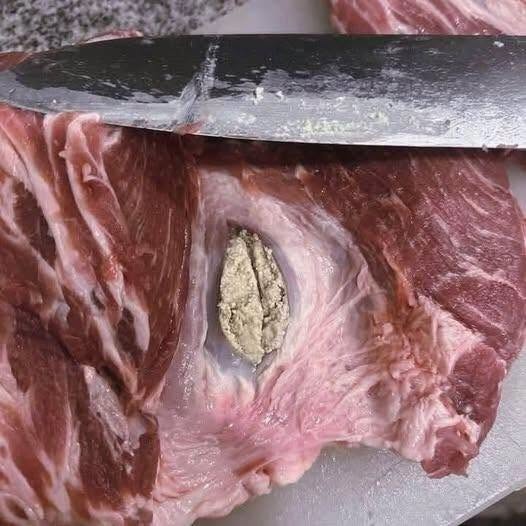
One ingredient that many home cooks overlook is pork shoulder, also known as Boston butt or pork butt. While it’s commonly associated with slow-cooked barbecue and pulled pork, this affordable cut is also one of the best choices for making your own ground pork.
Grinding pork shoulder at home may sound like a task reserved for professional chefs or butchers, but it’s surprisingly simple. Better yet, it gives you complete control over the quality, texture, and fat content of your meat. Once you’ve tried freshly ground pork, you may find it difficult to return to pre-packaged alternatives.
What Is Pork Shoulder?
Pork shoulder comes from the upper front portion of the pig. Because this muscle works hard during the animal’s life, it develops rich flavor and contains a balanced amount of connective tissue and fat.
Despite the name, pork butt actually comes from the shoulder rather than the rear of the pig.
Its natural marbling makes it incredibly versatile for many different cooking methods.
Why Pork Shoulder Is Perfect for Grinding
Not every cut of pork produces excellent ground meat.
Pork shoulder stands out because it naturally contains an ideal balance of lean meat and fat.
Most cooks aim for approximately 75–80% lean meat and 20–25% fat, which creates ground pork that stays moist while cooking.
This balance helps produce:
- Juicier burgers
- Tender meatballs
- Flavorful dumplings
- Moist sausage
- Better texture in pasta sauces
Unlike many store-bought packages, you can adjust the fat content yourself by trimming more or less fat before grinding.

Benefits of Grinding Pork at Home
Making your own ground pork offers several advantages beyond freshness.
Better Quality Control
When grinding your own meat, you know exactly what goes into it.
You’re using a whole cut of meat instead of relying on pre-ground products that may contain varying proportions of lean meat and fat.
Fresher Flavor
Freshly ground pork has a cleaner, richer taste because it hasn’t spent days sitting in packaging.
This freshness becomes especially noticeable in recipes where pork is the main ingredient.
Customized Texture
Different recipes benefit from different grind sizes.
A coarse grind works well for:
- Chili
- Burgers
- Rustic sausages
A finer grind is better for:
- Meatballs
- Dumpling filling
- Meatloaf
- Stuffed vegetables
Grinding at home lets you choose the texture that best suits your recipe.
Cost Savings
Whole pork shoulder is often significantly less expensive per pound than pre-ground pork.
Buying larger cuts also provides greater flexibility for meal planning.
Equipment You’ll Need
Grinding pork at home doesn’t require a commercial kitchen.
Several tools work well.
Meat Grinder
A dedicated meat grinder is the fastest and most efficient option for frequent use.
Stand Mixer Attachment
Many stand mixers offer meat grinder attachments that perform very well for home cooking.
Food Processor
Although it creates a slightly different texture, a food processor can work for small batches if you don’t own a grinder.
Preparing Pork Shoulder for Grinding
Proper preparation improves both safety and texture.
Cut Into Cubes
Slice the pork into cubes roughly 1 to 2 inches wide.
Uniform pieces feed more smoothly through the grinder.
Chill the Meat
Place the cubes in the freezer for about 20 to 30 minutes.
Firm meat grinds more cleanly than warm meat.
Many experienced cooks also chill:
- Grinder plates
- Blades
- Mixing bowls
Cold equipment helps prevent the fat from becoming too soft during grinding.

Step-by-Step Grinding Process
Grinding pork is straightforward.
Step 1
Trim away any excessively thick pieces of connective tissue if desired.
Step 2
Cut into evenly sized cubes.
Step 3
Partially freeze the meat.
Step 4
Feed the cubes slowly through the grinder.
Step 5
If a finer texture is desired, pass the meat through the grinder a second time.
Step 6
Use immediately or refrigerate promptly.
Food Safety Tips
Fresh meat should always be handled carefully.
Follow these recommendations:
- Keep meat refrigerated until ready to use.
- Wash hands before and after handling raw pork.
- Sanitize all equipment thoroughly.
- Avoid leaving meat at room temperature for extended periods.
- Cook pork to the recommended safe internal temperature of 145°F (63°C) followed by a three-minute rest for whole cuts, or 160°F (71°C) for ground pork, according to USDA guidance.
Delicious Recipes Using Fresh Ground Pork
One of the greatest advantages of homemade ground pork is its versatility.
Homemade Breakfast Sausage
Mix ground pork with:
- Sage
- Black pepper
- Garlic powder
- Thyme
- Maple syrup (optional)
Form into patties for a flavorful breakfast.
Juicy Pork Burgers
Ground pork makes exceptionally moist burgers.
Try topping them with:
- Grilled pineapple
- Teriyaki glaze
- Pickled onions
- Fresh lettuce
Classic Meatballs
Fresh ground pork creates tender meatballs with excellent flavor.
Combine with:
- Breadcrumbs
- Parmesan cheese
- Garlic
- Parsley
- Egg
Serve over pasta or in soups.
Dumplings and Wontons
Ground pork is one of the most popular fillings for Asian dumplings.
Pair it with:
- Ginger
- Garlic
- Green onions
- Soy sauce
- Sesame oil
Pork Chili
Ground pork adds richness to homemade chili.
Combine it with:
- Beans
- Tomatoes
- Bell peppers
- Onions
- Smoked paprika
- Chili powder
Homemade Sausage
Making your own sausage allows complete control over seasoning.
Popular flavor combinations include:
- Italian herbs
- Garlic
- Fennel
- Paprika
- Black pepper
Can You Freeze Ground Pork?
Yes.
Freshly ground pork freezes very well.
For best results:
- Divide into meal-sized portions.
- Wrap tightly or vacuum seal.
- Label with the date.
- Freeze promptly.
Properly packaged ground pork maintains excellent quality for several months.

Why Many Home Cooks Prefer Homemade Ground Meat
Once people begin grinding meat themselves, they often notice several improvements.
Meals become:
- More flavorful
- More customizable
- More economical
- More satisfying to prepare
Home grinding also encourages creativity in the kitchen, allowing cooks to experiment with spice blends, fat levels, and recipe variations.
Frequently Asked Questions
Is pork shoulder the same as pork butt?
Yes. Despite the confusing name, pork butt comes from the shoulder area.
Can I mix pork with other meats?
Absolutely.
Many recipes combine pork with:
- Beef
- Chicken
- Turkey
- Veal
The added fat from pork often improves texture and flavor.
Do I need a meat grinder?
No.
A food processor can work for small batches, although the texture may differ slightly from traditional grinding.
How much fat should I leave?
Around 20–25% fat generally provides excellent flavor and moisture for most recipes.
Conclusion
Grinding your own pork shoulder is one of the easiest ways to elevate everyday cooking. With just a little preparation, you can create fresher, more flavorful ground pork tailored to your favorite recipes. From breakfast sausage and juicy burgers to dumplings, meatballs, and hearty chili, homemade ground pork offers both versatility and exceptional taste.
Beyond the flavor, grinding your own meat gives you confidence in the quality of your ingredients, greater control over fat content, and the satisfaction of preparing meals from scratch. Sometimes the simplest ingredients—like an affordable pork shoulder—can become the foundation for truly memorable home-cooked dishes.
Cooking often begins with curiosity, and experimenting with techniques like home grinding reminds us that small changes in the kitchen can lead to delicious discoveries and a deeper appreciation for the food we share.

Sources
- U.S. Department of Agriculture (USDA) Food Safety and Inspection Service – Safe Minimum Internal Temperatures: https://www.fsis.usda.gov
- National Pork Board – Pork Cuts Guide and Cooking Information: https://www.pork.org
- America’s Test Kitchen – Techniques for Grinding Meat at Home
- Serious Eats – Guide to Grinding Meat for Burgers and Sausages
- The Spruce Eats – How to Grind Meat at Home