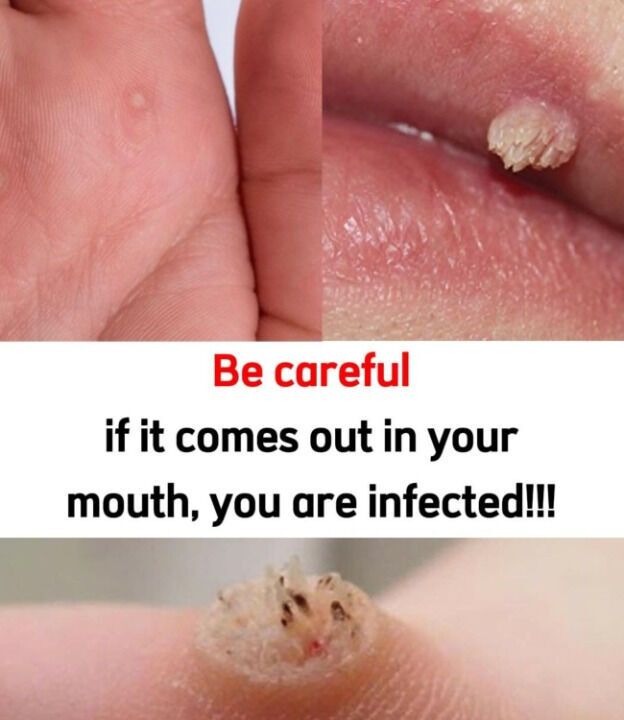
Many people first notice a wart unexpectedly.
It may appear as a small rough bump on a finger, the sole of a foot, or near a fingernail. At first, it often seems harmless and easy to ignore. For some people, warts disappear naturally over time. For others, they persist, spread, or become uncomfortable enough to require treatment.
Because warts are extremely common, they are often dismissed as purely cosmetic. Yet doctors continue emphasizing that certain skin changes should never be ignored, especially when growths begin changing rapidly, causing pain, or behaving unusually.
The recent online discussions surrounding “dangerous warts” reflect growing public awareness about skin health, viral infections, and early detection of abnormal skin changes.
This article explores what warts are, why they develop, common myths surrounding them, warning signs that deserve medical attention, and the scientific understanding of prevention and treatment.
What Are Warts?
Warts are small skin growths caused by certain strains of the human papillomavirus, commonly known as HPV.
The virus enters the skin through tiny openings or microscopic cuts, allowing it to affect the outer layer of skin cells. This can trigger excess cell growth, producing the rough or raised appearance associated with warts.
Warts can develop on different parts of the body and vary widely in shape, size, texture, and appearance.
Most warts are benign, meaning they are non-cancerous and generally not dangerous.
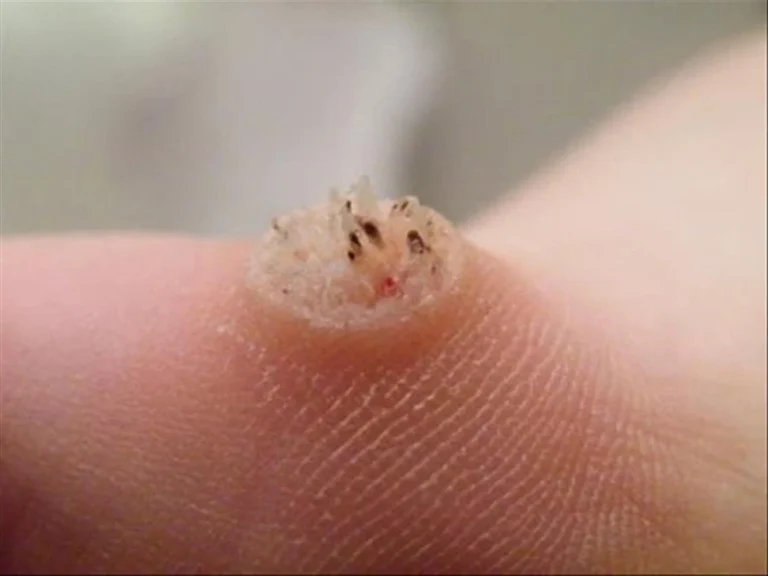
Common Types of Warts
Dermatologists classify warts into several categories depending on location and appearance.
Common Warts
These often appear on fingers, hands, or knees and usually have a rough, raised surface.
Plantar Warts
These form on the soles of the feet and may become uncomfortable because of pressure while walking.
Flat Warts
Smaller and smoother than other types, flat warts often appear on the face, arms, or legs.
Periungual Warts
These grow around fingernails or toenails and may affect nail growth if untreated.
Genital Warts
Certain HPV strains can cause warts in genital areas. Medical professionals recommend professional evaluation and treatment for these cases.
Why Warts Spread
HPV spreads through direct skin contact or contaminated surfaces.
Warm, moist environments such as locker rooms, swimming pools, and shared showers may increase exposure risk.
However, not everyone exposed to HPV develops visible warts. Immune system response plays a major role in whether the virus becomes active.
Factors influencing wart development may include:
Minor skin injuries
Frequent moisture exposure
Immune system differences
Nail biting or skin picking
Direct contact with infected skin
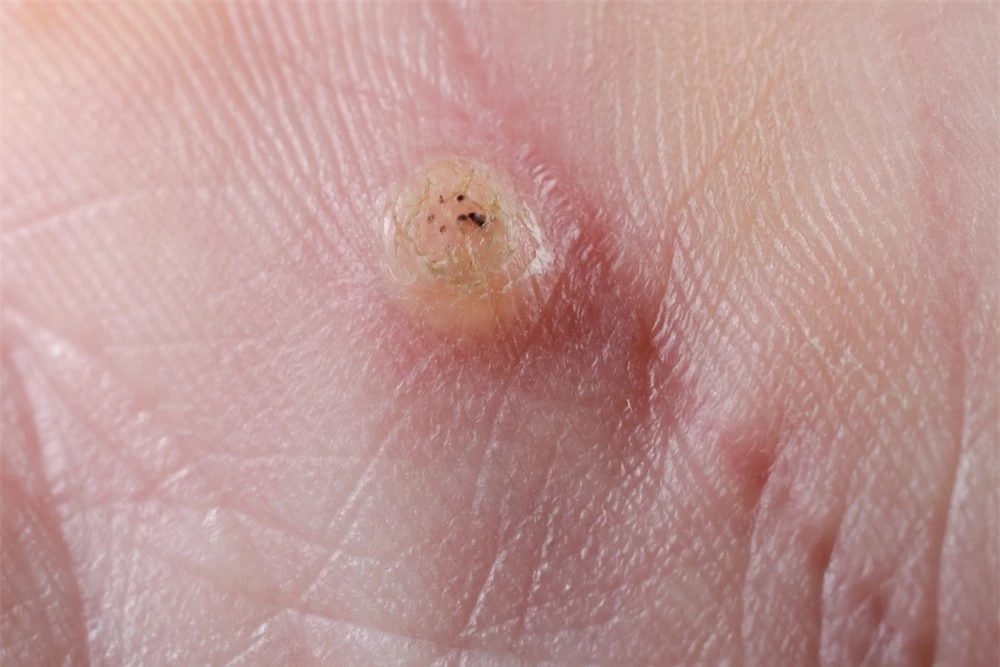
The Three Warning Signs People Should Not Ignore
Although most warts are harmless, dermatologists recommend monitoring unusual changes carefully.
Rapid Growth or Spreading
Warts typically grow slowly.
If a skin growth suddenly enlarges quickly or multiple new lesions appear rapidly, doctors may recommend closer examination to rule out other skin conditions.
Rapid spreading does not automatically mean something serious is happening, but unusual patterns deserve medical evaluation.
Changes in Color or Shape
Most ordinary warts maintain relatively stable appearance over time.
Skin experts advise seeking medical attention if a wart:
Darkens significantly
Develops irregular borders
Changes shape rapidly
Bleeds repeatedly
Appears highly asymmetrical
These changes may sometimes resemble other dermatological conditions requiring professional diagnosis.
Pain, Irritation, or Bleeding
Many warts are painless.
Persistent pain, inflammation, oozing, or repeated bleeding can indicate irritation, infection, or another skin issue requiring treatment.
Attempting aggressive home removal methods may worsen irritation and increase infection risk.
Why Self-Diagnosis Can Be Difficult
One challenge with skin conditions is that many growths can appear similar.
Conditions sometimes mistaken for warts may include:
Calluses
Moles
Skin tags
Cysts
Benign growths
Other dermatological conditions
Because visual similarities exist, dermatologists often recommend professional evaluation if any skin growth changes unexpectedly or causes concern.

Common Myths About Warts
Misinformation about warts has circulated for generations.
Myth: Touching a Frog Causes Warts
This is one of the oldest wart myths. Frogs and toads do not cause human warts.
The confusion likely developed because some amphibians have bumpy skin textures that resemble warts visually.
Myth: Warts Always Need Immediate Removal
Many warts disappear naturally over time as the immune system suppresses the virus.
Treatment depends on location, discomfort, persistence, and cosmetic concerns.
Myth: Cutting Warts Off at Home Is Safe
Dermatologists strongly discourage cutting or burning warts at home. Improper removal may increase infection risk or cause scarring.
Modern Wart Treatments
Medical professionals use several evidence-based treatment approaches depending on wart type and severity.
Cryotherapy
This common treatment uses liquid nitrogen to freeze wart tissue.
Topical Medications
Some prescription and over-the-counter treatments gradually remove wart tissue over time.
Laser Therapy
Laser treatments may help remove persistent or difficult cases.
Minor Surgical Procedures
Some warts may require professional removal under medical supervision.
Treatment success can vary because HPV sometimes persists beneath the skin even after visible tissue disappears.
HPV and Public Health Awareness
HPV is one of the most common viral infections worldwide.
Certain HPV strains are associated with skin warts, while others are linked to different health conditions.
Organizations such as World Health Organization and Centers for Disease Control and Prevention emphasize public education, vaccination programs, and regular medical screening as important preventive tools.
The Role of HPV Vaccination
HPV vaccines help protect against specific high-risk strains of the virus.
Public health experts note that vaccination programs have significantly improved prevention of several HPV-related conditions in many countries.
Vaccines do not treat existing warts, but they may reduce future risk from certain viral strains.
How the Immune System Affects Warts
Immune response strongly influences wart development and recovery.
Some people experience recurring warts, while others never develop them despite exposure.
Researchers believe immune system variation partly explains these differences.
Healthy lifestyle habits supporting immune function may include:
Balanced nutrition
Regular sleep
Stress management
Physical activity
Proper hygiene
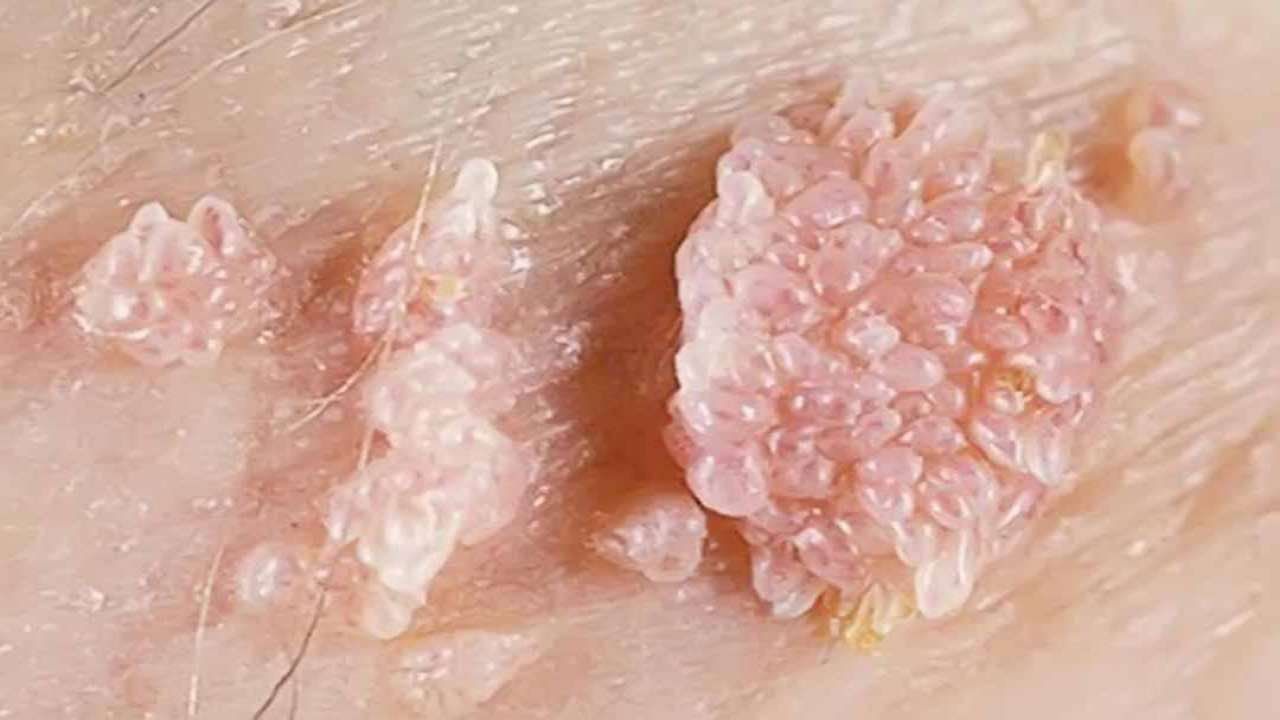
Why Skin Awareness Matters
Dermatologists consistently encourage people to become familiar with their normal skin appearance.
Early recognition of unusual changes often improves treatment outcomes across many skin conditions.
Monitoring skin does not mean becoming fearful or anxious. Instead, it encourages informed awareness and timely medical consultation when necessary.
The Internet and Health Anxiety
Online health articles can sometimes unintentionally increase fear by using alarming language or dramatic claims.
Medical experts encourage readers to approach viral health stories carefully and rely on trusted medical organizations for guidance.
Most warts are manageable and non-serious, but professional evaluation remains important when symptoms become unusual.
Balanced information helps people make informed decisions without unnecessary panic.
Conclusion
Warts are extremely common skin growths caused by HPV, and in most cases they are harmless and treatable.
However, changes involving rapid growth, unusual appearance, persistent pain, or repeated bleeding deserve professional medical attention. Early evaluation can help rule out other skin conditions and ensure appropriate care.
At the same time, understanding the facts about warts helps reduce fear and misinformation. Modern medicine offers multiple effective treatment options, while prevention strategies such as good hygiene and HPV vaccination continue improving public health outcomes.
Perhaps the most important lesson is simple: paying attention to skin changes and seeking reliable medical guidance when needed can help people care for their health with confidence rather than fear.
Sources
World Health Organization
Centers for Disease Control and Prevention
American Academy of Dermatology
Human Papillomavirus