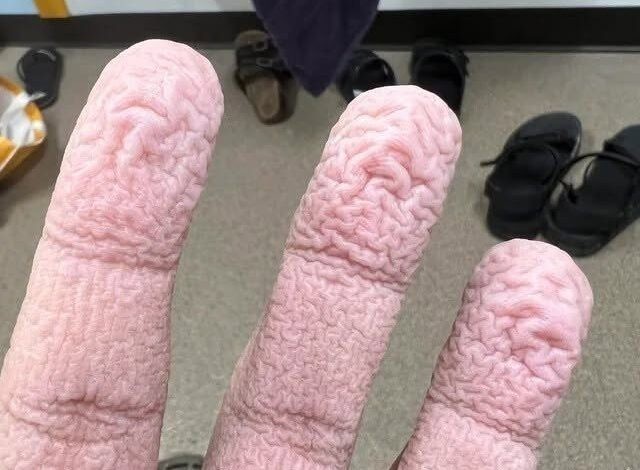
Wrinkled Fingers After Water Exposure: What Your Skin May Be Telling You
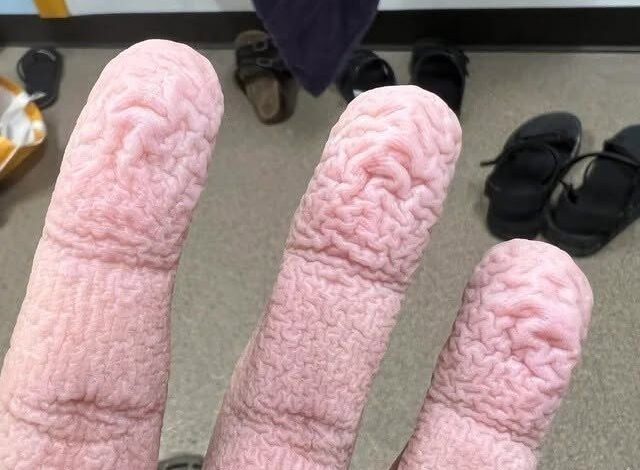
Almost everyone has experienced wrinkled fingers after spending time in a bath, a swimming pool, or even while washing dishes. The sight of fingers pruned and wrinkled has sparked curiosity for centuries, and various myths and misconceptions about the cause have circulated widely, especially on social media. A popular belief is that the skin absorbs water and swells, leading to wrinkles. However, recent scientific research has unveiled a much more intricate story about the relationship between our skin, nervous system, and blood flow.
Understanding the Wrinkle Response: More Than Just Water Absorption
While it might seem intuitive to think that skin wrinkles after water exposure simply because it soaks up moisture, the reality is more complex. The outermost layer of the skin, known as the stratum corneum, does absorb some water and can swell slightly. However, this does not solely account for the distinctive, symmetrical wrinkling observed on fingertips and toes.
Breakthrough studies in dermatology and neurology have established that water-induced skin wrinkling is an active biological process controlled by the nervous system. In the classic experiment published in the journal “Brain” in 2013, researchers discovered that if nerves in the fingers are damaged, the wrinkling phenomenon does not occur, even after prolonged water exposure. This finding suggested a direct link between the nervous system and the reaction.
The Involvement of Blood Vessels and Nerves
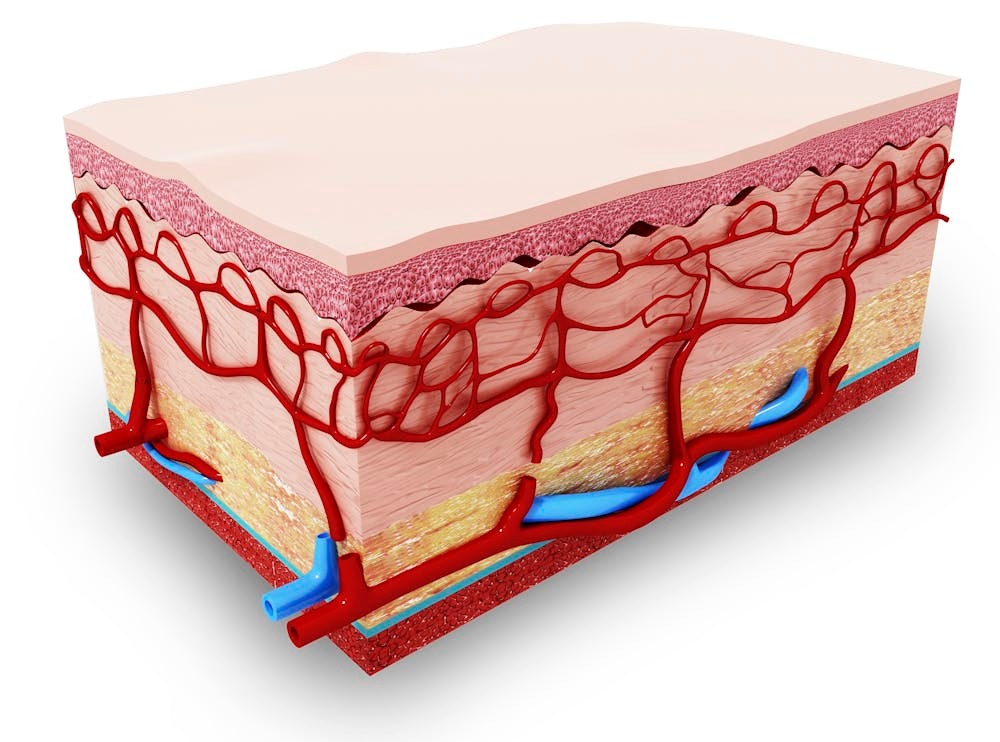
The process works as follows: when the skin is immersed in water for several minutes, the nerves trigger the blood vessels beneath the skin to constrict, or narrow. This reduces the volume of the underlying tissue, causing the skin above to pull inward and form wrinkles. This is why wrinkling is usually seen on the palms, fingers, toes, and soles—the areas with the most sweat glands and thickest skin.
Scientists believe that this automatic response is a result of vasoconstriction, which is the narrowing of blood vessels. As the water inhibits the skin’s oily layer, the nerves (in particular, sympathetic nerve fibers) send signals to constrict these vessels. The loss of turgor and the pull of the tightening blood vessels together cause the top layers of skin to furrow and wrinkle.
Evolutionary Theories: Is There an Advantage to Wrinkling?
Researchers have speculated on why humans, and some primates, evolved to develop this wrinkling response. One predominant theory is that wrinkled skin improves grip on wet or submerged objects, giving an evolutionary advantage in aquatic or rainy environments. This concept was demonstrated in a 2011 study in the journal “Biology Letters,” which found that participants with wrinkled fingers could handle wet objects more easily than those with dry, smooth fingers.
Experts have drawn parallels to the treads on car tires, which help channel water and improve traction on wet roads. Likewise, wrinkled skin may help channel away water and enable better handling of objects, potentially improving hunting, foraging, or climbing capabilities in wet landscapes.
When Water Wrinkles Could Indicate a Health Issue
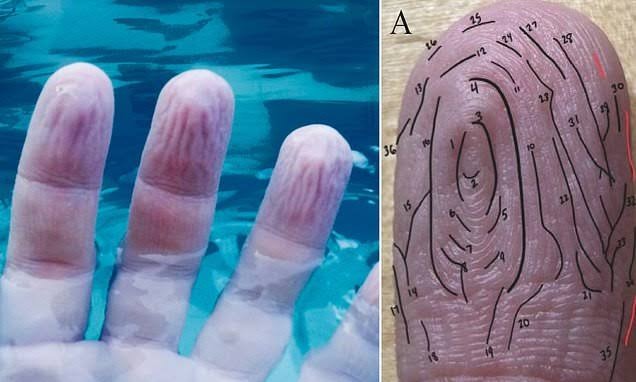
In healthy individuals, wrinkling from water exposure is a temporary and harmless phenomenon that fades after drying off. However, in unusual cases, wrinkled fingers and toes may signal underlying health concerns. For example, if the wrinkling happens very quickly, persists for a long time after drying, or is present without water exposure, it may indicate disorders related to the nerves, blood vessels, or connective tissues.
Conditions such as sympathetic nerve dysfunction, vascular disease, or even autoimmune conditions may alter the skin’s typical response to water. In rare instances, persistent wrinkling can be a sign of genetic skin conditions such as aquagenic wrinkling of the palms (AWP), a disorder often associated with cystic fibrosis. This is characterized by rapid and pronounced wrinkling after brief contact with water, sometimes accompanied by itching, pain, or swelling.
The Impact of Medications and Aging
Some medications that affect blood circulation or nerve signaling can also influence how quickly or severely the skin wrinkles after water exposure. For example, certain antihypertensive drugs or treatments for neurological disorders might change the way blood vessels respond to signals. Similarly, as people age, the skin undergoes physical changes—losing collagen and becoming thinner—which can affect the appearance and recovery of wrinkles from water.
International Expert Views on Water-Induced Skin Wrinkling
Dermatologists and neuroscientists worldwide have investigated this curious response for decades. The Mayo Clinic, the British Association of Dermatologists, and researchers cited by the BBC all agree on the central role of the nervous system. These groups emphasize that the phenomenon is a normal physiologic reaction for most people and is not generally a cause for concern.
The World Health Organization (WHO) and the U.S. Centers for Disease Control and Prevention (CDC) also note that while wrinkling after water exposure is common, anyone experiencing sudden, severe, or persistent changes in skin integrity—especially when coupled with other symptoms like numbness, pain, or color changes—should consult a healthcare professional.
Popular Myths vs. Scientific Reality
Many people still believe that finger wrinkling after a bath is simply a sign that “the skin has soaked up too much water.” In reality, the controlled response is less about passive absorption and more about the body’s complex reaction system. Water on the skin merely triggers the process, and the nervous system, via the constriction of blood vessels, does the rest.
Another misconception is that wrinkled fingers are dangerous or a warning sign of a problem in everyone. The scientific consensus is that this response is benign for the vast majority of people and is likely an adaptation to improve handling of wet objects. Only rare, unexplained, or extreme cases should warrant medical evaluation.
Everyday Tips for Skin Health
While occasional wrinkling from water exposure is normal, maintaining hand and foot skin health remains important, especially for those who spend extended periods with wet hands, such as swimmers, healthcare workers, chefs, and cleaners. Here are some expert-recommended tips:
- Moisturize hands and feet after frequent water exposure to prevent dryness and chapping.
- Wear waterproof gloves while cleaning or washing dishes to minimize prolonged exposure.
- Report unusual changes in the skin—like persistent swelling, pain, or color changes—to a healthcare provider.
- Avoid harsh soaps and hot water, which can strip the skin of protective oils.
Societal Reactions and Ongoing Research
The phenomenon of wrinkled fingers continues to fascinate people worldwide, fueling ongoing research into human evolution, skin biology, and the interplay between nerves and blood vessels. In recent years, interest has increased due to viral social media posts and public curiosity, prompting educational initiatives by leading health organizations.
Educational efforts aim to dispel myths and promote a better understanding of skin health among the public. International skin health awareness campaigns and evidence-based articles in widely trusted news outlets help ensure accurate information reaches diverse communities.
Conclusion: What Are Your Wrinkly Fingers Really Telling You?
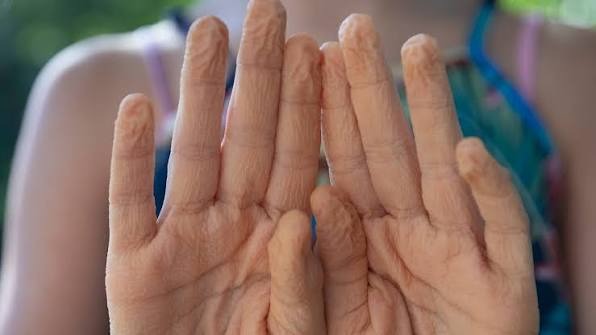
In summary, wrinkled fingers after water exposure reflect a fascinating intersection between skin biology, nerve function, and our evolutionary history. Most cases are completely normal, providing a glimpse into the body’s adaptability. However, paying attention to abnormal or persistent changes can be crucial in identifying rare medical conditions early. Understanding the accurate science behind this everyday phenomenon not only satisfies curiosity but also reinforces the importance of skin and overall health.
Sources
- BBC Future: Why Do We Get Pruney Fingers?
- The Guardian: Pruney Fingers Help Grip Wet Objects
- Mayo Clinic: Wrinkled Fingers After Swimming
- CDC: Health Effects from Swimming
- WHO: Safe Recreational Water Environments
Disclaimer: This content is intended for entertainment purposes only and is not based on real events.