
Everyday objects often have features that we take for granted or hardly notice, yet these details reflect a blend of thoughtful engineering and decades—sometimes centuries—of design evolution. Among these features, the small round hole on the lever of nail clippers stands out as a peculiarity. Although nail clippers are simple in function and form, this seemingly minor detail serves multiple purposes rooted in practicality, history, and manufacturing efficiency. This article explores the scientific and historical reasons behind the inclusion of this round hole and examines how such a simple design aspect contributes to user convenience and product longevity.
The Anatomy of a Nail Clipper
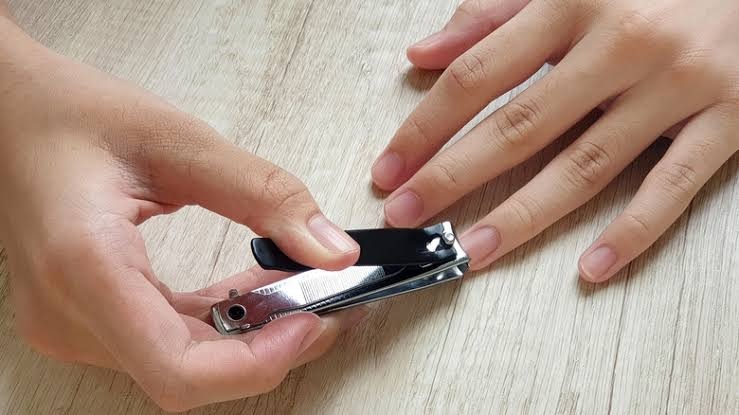
Before delving into the purpose of the round hole, it’s useful to understand the basic structure of a nail clipper. Standard nail clippers consist of a pair of metal blades held together by a pin and operated by a lever. Pressing down the lever causes the blades to come together, trimming the nail. The lever often includes a small, machined circle or oval at one end. While this feature may seem like a decorative addition, it has significant practical value.
The Practical Purpose: Portability and Organization
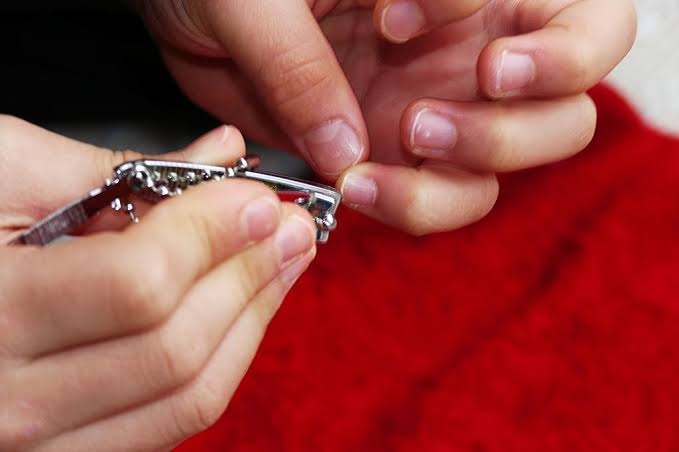
The most immediate and recognized purpose of the small round hole is to provide an attachment point. As nail clippers are compact and small, they are particularly prone to being misplaced or lost. The hole allows users to attach the clipper to a keychain, string, or hook, greatly reducing the likelihood of misplacement. This feature is especially useful for people who travel, work in the healthcare sector, or need to carry grooming tools in bags and cases.
Many clippers are sold with a small keyring or chain threading through this hole right out of the packaging. Hanging nail clippers on a hook in a bathroom or inside a travel kit also keeps them accessible yet out of the clutter, further emphasizing the value of this design element.
Manufacturing Efficiency and Assembly
Beyond user convenience, the hole plays a role in the assembly and manufacturing process. During the mass production of nail clippers, parts move along assembly lines, and machines must orient them efficiently. The round hole serves as an anchoring point, allowing automated machinery to position the lever for assembly, finishing, and quality control checks.
Some manufacturers also use the hole to hold the lever in place with a small rivet while attaching or aligning other components, ensuring more precise production. This reduces the likelihood of assembly errors and helps standardize the final product.
Historical Evolution of Nail Clippers
The concept of personal grooming tools dates back thousands of years, with ancient societies developing implements for nail care from bone, metal, and even precious materials. Modern nail clippers emerged in the late 19th and early 20th centuries. Patents filed during this period reveal a rapid evolution from simple shears and scissors to spring-loaded devices with levers for added force and precision.
Early versions did not include the now-familiar round hole; this feature was introduced as clippers became smaller and more portable. The addition of the hole reflected changing lifestyles, as personal hygiene became both a private and public statement of well-being. The mass migration to cities, rising travel, and growing demand for personal accessories drove manufacturers to incorporate design elements that improved utility and portability.
Today’s abundance of nail clipper styles—with curved, straight, or angled blades and variable lever configurations—all tend to retain this round hole, underlying its lasting relevance despite evolving designs.
Secondary Functions of the Round Hole
While attachment is the primary purpose, the round hole can also have secondary uses. For example, some multi-functional nail clippers feature a file, pick, or small screwdriver that pivots from the end via this hole. This transforms the humble grooming tool into a multipurpose device, offering slightly more versatility for everyday needs.
In addition, the hole can help users realign or replace the lever if it becomes detached or rotated out of position. By using a thin tool or wire, one can easily manipulate the lever through the hole.
Expert Opinions on Everyday Design
Design experts and engineers often cite nail clippers as classic examples of “small object engineering” in mass-market consumer products. Industrial design scholars, such as those at the Rhode Island School of Design and the Massachusetts Institute of Technology, highlight how standardized features like the round hole exemplify efficient solutions for mass production and global marketing.
According to product design expert Dr. Susan Ashley, “Small details, such as the hole on a nail clipper, seem trivial but offer users valuable convenience. Thoughtful design is about making life easier in subtle ways, even if customers aren’t always aware of it.”
The Role of Standardization in Nail Clipper Design
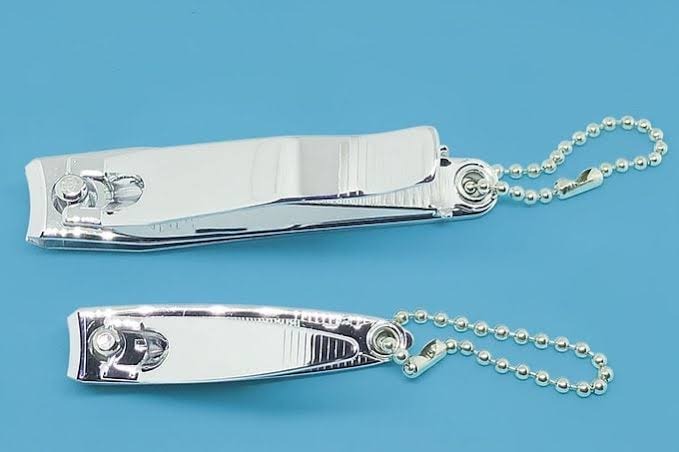
Products sold globally benefit from consistency in design, enabling manufacturers to streamline production, minimize costs, and ensure replacement parts fit universally. The round hole is a prime example of this standardization. No matter the brand, the presence of this feature ensures that accessories like keychains and travel holders can fit almost all types and sizes of nail clippers.
International standards bodies, such as the International Organization for Standardization (ISO), often recommend such features to facilitate consumer ease, thus benefiting both producers and users.
Environmental and Societal Considerations
The small hole also has environmental implications. By reducing the risk of misplacing or losing nail clippers, people are less likely to purchase replacements, thus decreasing unnecessary consumption and waste. When attached to a keychain, string, or hook, nail clippers are less likely to contribute to household clutter or end up in landfills prematurely.
Additionally, having secure and easily accessible grooming tools supports basic hygiene and reduces risks of common infections resulting from neglected nails—especially in settings such as hospitals or community centers.
International Variations and Societal Reactions
While the majority of nail clippers worldwide feature this small round hole, there are regional and stylistic variations. For example, in some East Asian countries such as Japan and South Korea, nail clippers may be issued with a ring attached directly, and are sometimes sold with ornate designs or as part of manicure sets. In the Western market, simpler designs predominate, but the hole remains a constant due to its universal utility.
Societal reactions to the design of everyday objects have fueled discussions on platforms dedicated to industrial design, ergonomics, and even “life hacks.” Online forums often mention this hole as an underrated but useful feature—a testament to its enduring relevance in product design.
Conclusion: Design That Stands the Test of Time
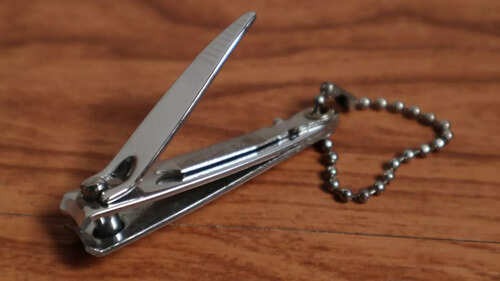
The small round hole on your nail clipper is far more than a decorative accent—it is a solution born of years of user experience, manufacturing evolution, and thoughtful design. Its primary function is to provide a secure point for attaching, hanging, or organizing the clipper, thereby reducing the frustration of losing small tools. Secondary roles include aiding in assembly, standardization, and accommodating various multitool features.
By considering both the practical and historical aspects, it becomes clear that this minimal feature is an elegant response to everyday needs. The next time you reach for your nail clipper, you can appreciate the subtle but significant functions embedded within its design.
Sources
Disclaimer: This content is intended for entertainment purposes only and is not based on real events.