A Woman Faces Allegations After In-Flight Incident on American Airlines Flight
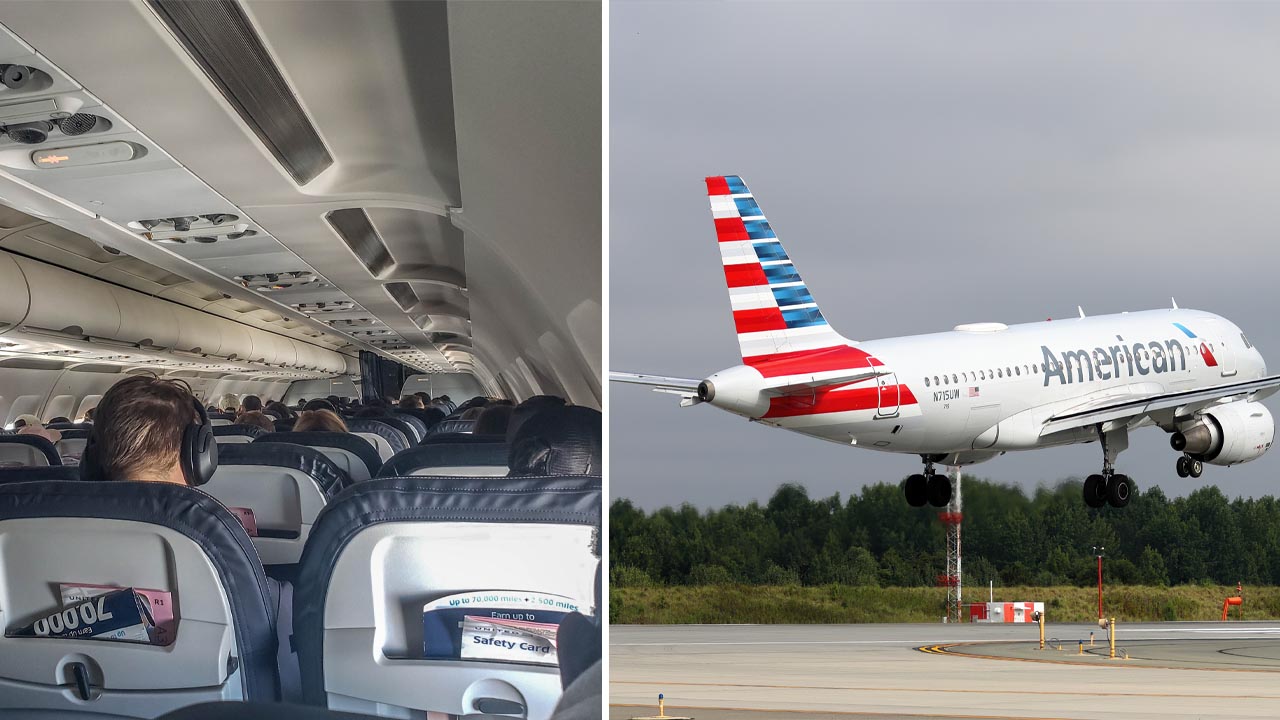
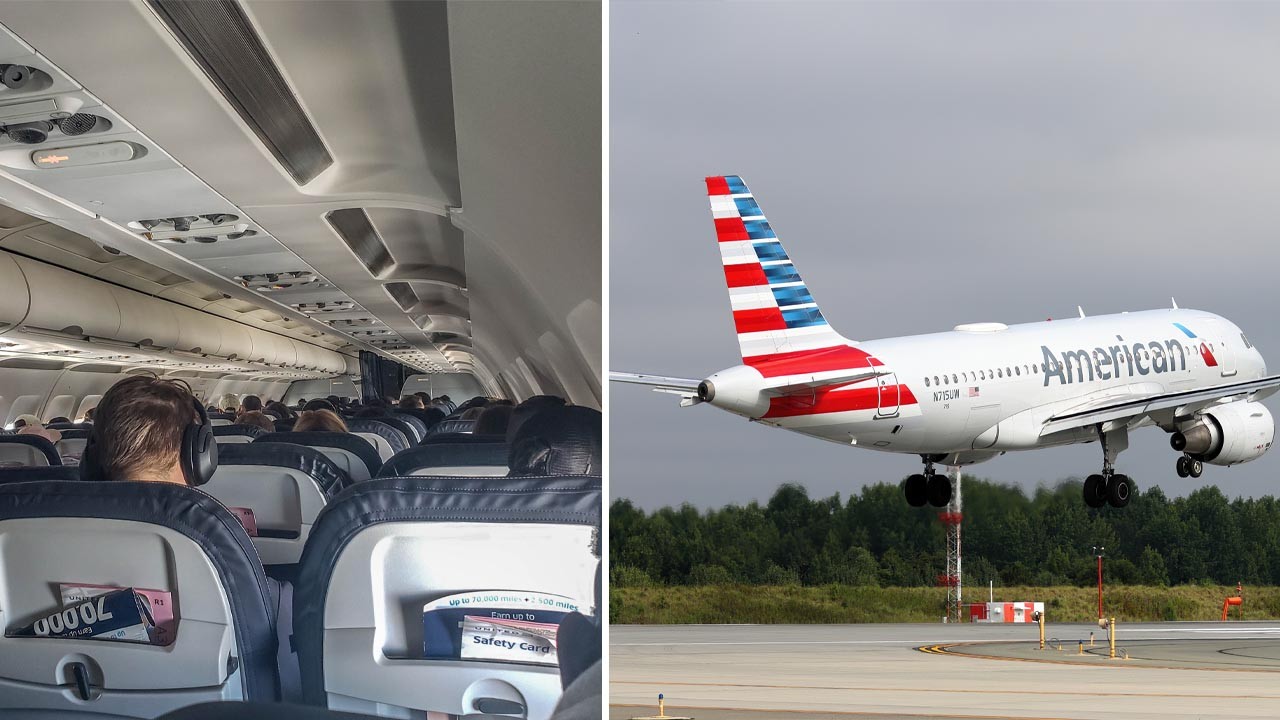
On September 11, 2023, an alleged in-flight incident on board an American Airlines flight traveling from Baltimore, Maryland to Miami, Florida attracted the attention of both the authorities and the public. According to the Miami-Dade Sheriff’s Office, passenger Katy Inzer, 46, is facing allegations of inappropriate behavior while onboard. The incident raises broader questions about the management of disruptive passengers, airline safety, and the procedures airlines follow in handling such situations.
Summary of the Incident
Reports indicate that the event occurred shortly after the flight’s departure from Baltimore. A fellow passenger reportedly witnessed Katy Inzer removing her pants and engaging in behavior considered indecent, specifically masturbation, accompanied by sounds perceived as inappropriate. The passenger promptly informed a flight attendant, who intervened quickly to address the situation.
The flight attendant’s intervention appeared to have ended the alleged behavior; Inzer reportedly ceased activity, replaced her clothing, and subsequently fell asleep for the rest of the journey. Upon landing in Miami, local law enforcement met the aircraft to assess the situation and take statements from those involved.
Response from Authorities and Immediate Aftermath
Law enforcement officials from the Miami-Dade Sheriff’s Office noted that upon landing, Inzer exhibited signs of intoxication, such as the odor of an alcoholic beverage and bloodshot eyes. According to the official report, Inzer told officers that she had consumed “several drinks” prior to boarding the flight and did not recall the incident, stating that she fell asleep after takeoff. Such statements are frequently encountered in cases where individuals are alleged to have acted inappropriately or unlawfully under the influence of alcohol.
Because the alleged behavior took place in the air between two U.S. cities, there was initial uncertainty among responding authorities regarding which agency had legal jurisdiction. As is standard procedure in incidents occurring during interstate or international flights, the case was referred to the Federal Bureau of Investigation (FBI) for further review, since the agency oversees matters in U.S. airspace that may fall under federal laws.
The incident was first widely reported by The Smoking Gun and has since received attention from the public and media alike.
Alcohol and Airline Safety: Broader Context
This incident highlights a recurring issue faced by airlines globally: the disruptive effects of alcohol consumption among passengers. The consumption of alcohol in flight is often a point of concern for airline crews, as its impact on behavior may be enhanced due to cabin pressure and hypoxia. The Federal Aviation Administration (FAA) notes that alcohol affects passengers more strongly at altitude, rendering individuals more susceptible to losing their inhibitions or judgment.
According to airline policies and federal regulations, flight attendants are authorized to refuse serving additional alcohol to any passenger who appears intoxicated. Airlines also prohibit passengers from consuming their own alcoholic beverages brought aboard. Despite these regulations, incidents involving alcohol-fueled disruptive behavior occur with some frequency worldwide, necessitating improved crew training and awareness.
Managing Onboard Disruptive Behaviors
In-flight disruptions come in many forms, from minor disturbances to incidents that require rerouting the flight or involving law enforcement upon landing. The International Air Transport Association (IATA) classifies disruptive passenger incidents into several categories, including non-compliance, physical or verbal aggression, and incidents of a sexual or indecent nature—which are considered among the most serious.
In response to these situations, airlines train their crews to deescalate incidents professionally and minimize disruption to the flight. When behavior crosses into criminal conduct, flight attendants are instructed to preserve the safety of all passengers and to report incidents to law enforcement as soon as possible. Upon landing, authorities investigate by gathering witness accounts, reviewing any available evidence, and, if necessary, detaining the person in question.
Airlines and national authorities, including the FAA and Transportation Security Administration (TSA), keep records of disruptive incidents and may impose fines or permanent bans on offending passengers. In instances where federal laws may have been violated, as is possible in the case involving Katy Inzer, further investigation and prosecution can result.
Legal Jurisdiction and Handling of In-Flight Incidents
In-flight incidents occurring on domestic routes within U.S. boundaries typically fall under federal jurisdiction. If an incident occurs after takeoff but before landing, local police may assist upon arrival, but oversight frequently shifts to federal authorities. In this case, with the flight traveling from Baltimore to Miami, the Miami-Dade Sheriff’s Office responded upon landing, but the case was passed to the FBI to determine if any federal statutes had been violated.
Legal experts note that while laws on public indecency, lewd behavior, or harassment vary from state to state, the federal government maintains broad authority over incidents that occur in U.S. airspace onboard commercial aircraft. Potential consequences for passengers found in violation include federal prosecution, civil penalties, or the addition of their names to airline no-fly lists.
Jurisdictional complexities often arise when incidents occur on international flights or involve non-citizens, but for domestic U.S. routes, the chain of investigative responsibility is well established.
Airline Protocols and Crew Training
Airlines have extensive procedures in place to identify and manage potentially disruptive passengers before and during flights. Crew are trained to recognize early warning signs of intoxication or erratic behavior and encouraged to intervene early, ideally preventing escalation. Furthermore, airlines are mandated to report any incidents that meet a certain threshold—such as injury, threat to safety, or violation of federal laws—to the FAA and security agencies.
In recent years, the number of reported onboard disturbances has led many airlines to enhance training programs for flight attendants, with a focus on conflict deescalation and personal safety. Crew are also instructed on how to document events thoroughly for use in subsequent investigations or legal proceedings.
Societal and Industry Reactions
High-profile incidents involving disruptive passengers on commercial aircraft often ignite debate about airline alcohol service policies, crew authority, and passenger rights. When reports of inappropriate or criminal behavior receive media coverage, there is renewed discussion within the public, the airline industry, and regulatory agencies about how best to balance passenger freedoms with collective safety.
The airline industry, represented by bodies such as the IATA and Airlines for America (A4A), has advocated for stricter penalties for passengers who engage in disruptive or criminal behavior while in flight. Both industry representatives and passengers have called for improved systems to share information about repeat offenders between carriers.
Although passengers have legal rights while traveling, in-flight safety and comfort remain paramount. Federal regulations give flight crews broad authority to maintain order, and noncompliance can result in significant penalties.
International Comparisons: Handling Disruptive Passengers
The issue of disruptive behavior onboard commercial flights is not unique to the United States. Airlines in Europe, Asia, and other regions have instituted their own measures to deter and manage such incidents. For instance, the United Kingdom introduced the concept of ‘unruly passenger lists,’ banning individuals from flying after disturbances. The European Union Aviation Safety Agency (EASA) advises airlines to review enforcement policies regularly and encourages cooperation between airlines and law enforcement worldwide.
While policies vary, international best practices emphasize early intervention, clear documentation, crew training, and transparent communication with authorities. Aviation experts routinely recommend reductions in in-flight alcohol service and the strengthening of passenger screening before boarding, especially on longer or overnight flights where alcohol consumption may be higher.
Expert Perspectives and Future Considerations
Experts in aviation security and passenger behavior stress the importance of continuous education for both passengers and crew. Dr. Kathleen Bangs, a former commercial pilot and aviation analyst, notes that most in-flight incidents involving alcohol or inappropriate behavior are preventable through early identification and intervention by crew, reinforced by consistent enforcement of airline policies. Such measures can deter would-be offenders and maintain a safe environment for all on board.
The future of air travel may see airlines expanding their no-fly lists, improving coordination with law enforcement, and implementing stricter checks at the point of boarding. There may also be calls for greater collaboration among law enforcement, airlines, and federal agencies like the FBI, particularly in light of the rising number of reported midair disturbances post-pandemic.
Ongoing research on the impact of in-flight alcohol consumption and passenger psychology will further inform airline protocols in reducing the occurrence of such events and ensuring a safe journey for all travelers.
Conclusion
The reported in-flight incident involving Katy Inzer underscores several intersecting challenges the airline industry must address, from alcohol-related disturbances and legal jurisdiction to crew readiness and the protection of all passengers’ rights and safety. As the investigation continues, the case serves as another reminder of the importance of vigilance, accountability, and supportive protocols in air travel today.
Sources
Disclaimer: This content is intended for entertainment purposes only and is not based on real events.