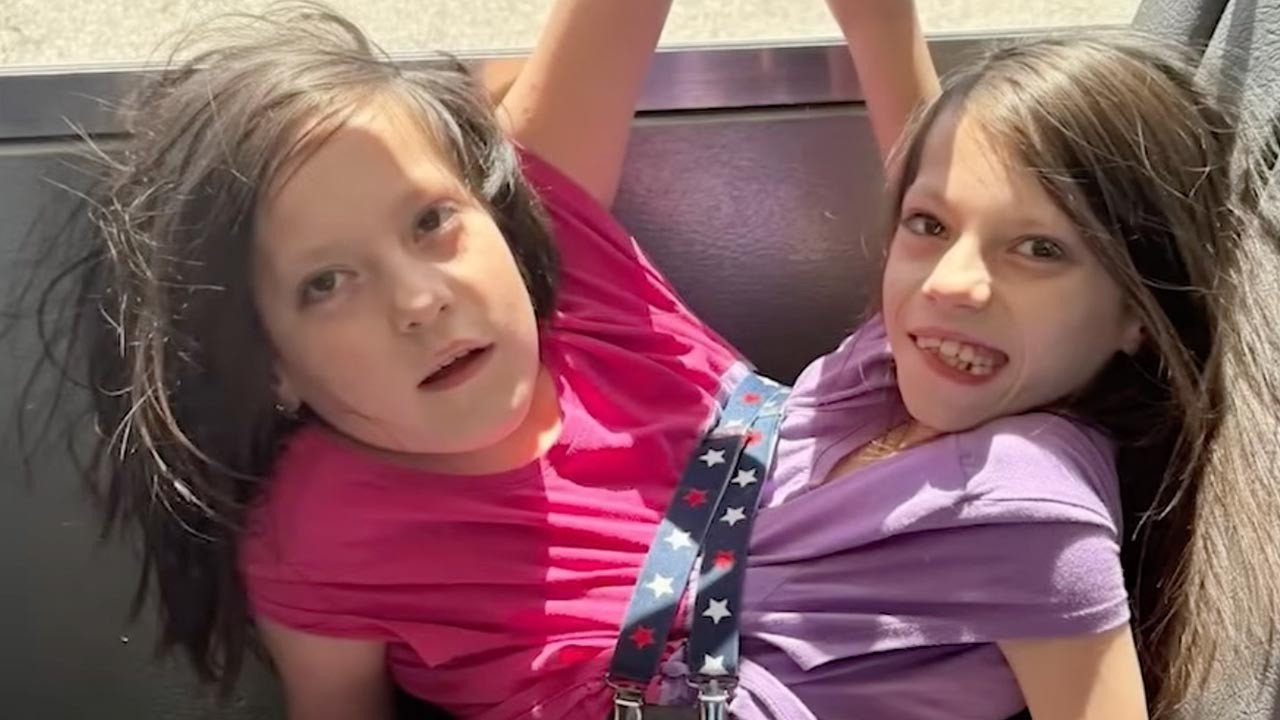
When Conjoined Twins Callie and Carter Torres Were Born in 2017, Doctors Feared They Might Not Survive for More Than 24 Hours. However, Separating Them Was Never an Option. Now, Their Mother Has Opened Up About the Difficult Decision.
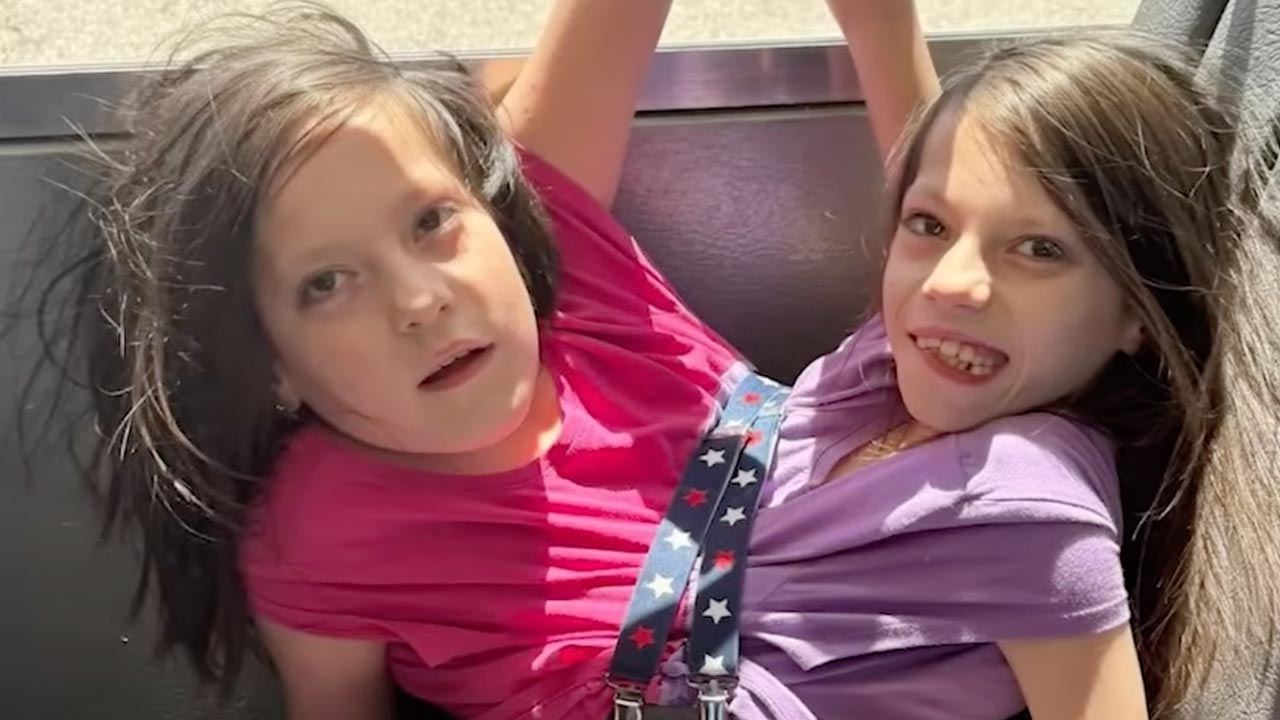
The Birth and Medical Concerns
Conjoined twins are an extremely rare medical phenomenon, occurring in about 1 in 50,000 to 200,000 live births worldwide. When Callie and Carter Torres were born in 2017, medical professionals were deeply concerned about their likelihood of survival due to the complexities involved in their shared anatomy. The girls were joined at the chest and abdomen, sharing various organs and body parts, which presented both immediate health risks and significant challenges regarding future medical care. Despite their vulnerability and the rarity of their condition, Callie and Carter survived their first hours and days—a period considered most perilous for conjoined twins.
Upon their arrival, a team of doctors and surgeons assembled to assess the twins’ condition and discuss possible options. Separating conjoined twins often involves intricate surgical procedures with high risks, and success strongly depends on the specifics of shared organs and blood vessels. Less than 25% of conjoined twins survive birth, and the possibility of separation can be further limited depending on medical feasibility and the twins’ health stability.
Medical Recommendations and Family Decision-Making
Three days after their birth, Chelsea Torres, the twins’ mother, faced a crucial meeting with specialists. In an interview on This Morning, Chelsea recalled that the doctors strongly advised against separation. “They said, ‘do not separate the girls,’” she remembered.
This recommendation was based on several factors, including the extent of the twins’ shared organs and the risks inherent in separation surgery. Leading pediatric surgeons emphasize that such procedures require weighing the possible survival and quality of life outcomes for both children. For Callie and Carter, medical consensus was that separation could threaten their lives, making the decision clear for their family: the girls would remain together.
The complexity of medical, ethical, and emotional aspects in these cases is significant. Families must navigate hopes for their children’s survival, long-term wellbeing, and the realities of living with a rare condition. Experts from children’s hospitals underline the importance of comprehensive care, psychological support, and shared decision-making with families facing such extraordinary medical journeys.
Overcoming Obstacles: Childhood Milestones and Family Dynamics
Callie and Carter rapidly proved their resilience. Contrary to grim expectations, they thrived through infancy and progressed to achieve milestones that many thought impossible. At around age three, their parents faced the recurring question of separation surgery. However, Chelsea and her partner decided that the twins themselves should have the ultimate say when they were old enough to understand the risks, benefits, and implications.
“We decided to ultimately give them the option whenever they became older and understood the risks and the surgery,” Chelsea said. This approach aligns with the best practices of respecting patient autonomy and family-centered care, promoted by leading medical organizations.
Daily Life: Challenges, Adaptations, and Triumphs
Growing up, Callie and Carter had to adapt to everyday activities in unique ways. Learning to walk required extraordinary coordination, as they share legs and must synchronize their movements perfectly. Chelsea explained the difficulty, recalling how the girls initially tried to walk: “It was as if they were picking up one leg and floating in the air—it was really hard.”
Despite these challenges, Callie and Carter demonstrated remarkable perseverance. With time, patience, and family support, they learned to move together effectively and confidently, inspiring their parents and those around them. The twins have developed individual personalities, interests, and abilities, defying odds and societal expectations. They enjoy creative activities such as drawing, crafting, and playing digital games like Roblox, showing a determination to live as independently as possible within their unique circumstances.
Living as conjoined twins means navigating coordination not only physically but emotionally and socially. Disagreements can be more complicated—with two minds sharing one body—but through communication and compromise, Callie and Carter have developed effective ways to resolve disputes. Sometimes, they use playful methods such as rock, paper, scissors to reach decisions, underscoring their resourcefulness and adaptability.
Family Perspectives and Ongoing Support
The Torres family’s journey is one of empathy, patience, and acceptance. Chelsea and her partner have committed to prioritizing their daughters’ autonomy and emotional wellbeing. They have reached out to parent support groups, engaged with medical experts, and advocated for awareness of conjoined twins’ experiences. Pediatric psychologists note the importance of positive reinforcement, inclusive environments, and encouragement to foster self-esteem and resilience in children with rare conditions.
Daily routines for conjoined twins are often complex, requiring logistical adjustments and assistance from caregivers. The medical, educational, and social systems work in tandem to ensure that Callie and Carter receive the resources needed for optimal development. Specialists in pediatric care recommend ongoing therapy, regular health check-ups, and community integration to support conjoined twins holistically.
Nervous About the Future: Looking Ahead
Looking to the future, the Torres family is aware of upcoming challenges. The transition into adolescence brings new complexities, including questions about independence, friendships, and dating. Chelsea admits to feeling nervous about what lies ahead. The experience of conjoined twins in adolescence and adulthood differs greatly from typical developmental paths, with social, emotional, and practical dimensions that require thoughtful adaptation.
Medical experts point out that technological advances and improved care standards may provide more options in the future. Nevertheless, the ultimate decisions about procedures, interventions, and lifestyle changes rest with Callie and Carter as they grow older. Their parents have committed to supporting them every step of the way and ensuring that the twins’ voices are heard and respected.
Despite these uncertainties, Callie and Carter continue to exceed expectations. Their progress serves as an inspiration both within the medical community and among families facing similar challenges. Researchers emphasize that each case of conjoined twins is unique, and public awareness is key to advancing understanding, support systems, and medical innovation.
International and Societal Reactions
The story of Callie and Carter Torres has resonated with audiences worldwide, highlighting both the rarity and the remarkable adaptability of conjoined twins. Media coverage has provided insight into the realities faced by such families, sparking conversations about healthcare access, social inclusion, and the ethics of surgical intervention.
Globally, various organizations and advocacy groups are dedicated to supporting children with rare conditions like conjoined twins, emphasizing the importance of empathy, respect, and education. International medical communities share best practices in surgical techniques, psychological support, and family-centered care, helping to inform better outcomes for future cases.
Public attitudes toward conjoined twins have evolved over time, shifting from curiosity and misconception to a focus on acceptance and inclusion. High-profile stories, like those of Callie and Carter, challenge stereotypes and encourage dialogue about diversity, disability, and the value of embracing individual differences.
For many families, the experiences of Callie and Carter offer hope, guidance, and inspiration, demonstrating that with compassion and specialized support, children with rare medical conditions can thrive and lead fulfilling lives.
Expert Views on Conjoined Twin Care
Conjoined twins require multidisciplinary care, involving surgeons, pediatricians, physical therapists, and psychologists. According to the Children’s Hospital of Philadelphia, successful management of conjoined twins hinges on personalized medical plans, ongoing assessment, and extensive counseling. Experts stress that early intervention, open communication, and family empowerment are fundamental to optimizing outcomes.
Advances in medical imaging, surgical planning, and rehabilitation have improved the prognosis for conjoined twins compared to previous decades. Yet, each case presents unique challenges, reinforcing the necessity of tailored care and persistent research. The Torres family’s story exemplifies the importance of expert collaboration, patient advocacy, and resilience in the face of medical adversity.
Inspiring Others: The Broader Impact
Callie and Carter Torres continue to inspire countless individuals with their story of survival, adaptation, and hope. Their daily triumphs, positive outlook, and supportive family have helped raise awareness, foster inclusivity, and encourage empathy for people with rare conditions around the world.
As they approach new stages of life, Callie and Carter remind medical professionals, policymakers, and families that the journey of conjoined twins is about more than overcoming hurdles—it is about nurturing possibilities, respecting individual voices, and celebrating achievement against all odds.
Read more:
Sources
- Reuters
- BBC
- The Guardian
- Al Jazeera
- Children’s Hospital of Philadelphia
- Mayo Clinic
- Centers for Disease Control and Prevention (CDC)
Disclaimer: This content is intended for entertainment purposes only and is not based on real events.