When visiting the coast, many beachgoers look first to the colorful flags stationed near lifeguard posts or along the shoreline. These flags serve as visual indicators for current ocean conditions and potential hazards. While most people are familiar with green, yellow, or red flags—representing safe, cautionary, or dangerous conditions related to waves and currents—the purple flag has a distinct and important purpose. Its presence signals something beneath the surface that demands attention, not just to water conditions, but to the marine life within.
What Does the Purple Flag Represent?
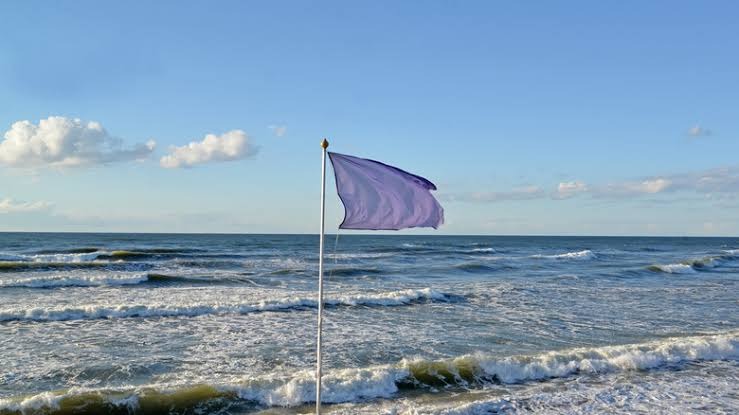
The purple flag is a specific warning under the standardized Beach Warning Flag system implemented across numerous countries and regions. Its primary function is to inform the public of the presence of potentially hazardous marine life detected in the vicinity.
Unlike flags denoting weather or surf dangers, the purple flag alerts swimmers and surfers to ocean creatures such as jellyfish, stingrays, sea snakes, or other organisms capable of stinging, envenomating, or otherwise harming beachgoers.
The Importance of Awareness: Why the Purple Flag Matters
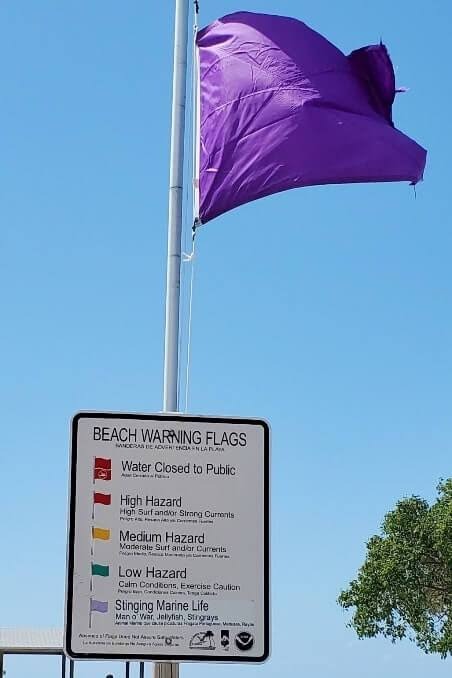
The intention behind the purple flag is not to induce fear, but to promote informed and safe enjoyment of the ocean environment. The creatures represented by this flag—often invisible beneath the waves—can pose risks ranging from mild irritation to severe medical emergencies, based on individual reactions and the species involved.
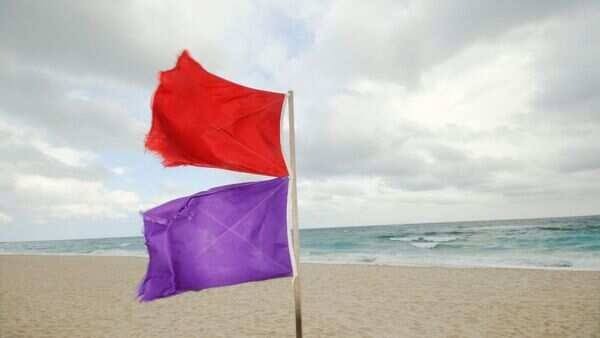
It is important to note that the presence of the purple flag does not usually result in water closures. Beaches remain open, but with a heightened level of caution advised for those entering the sea.
Common Hazardous Marine Life Identified by the Purple Flag
The marine life signaled by the purple flag can vary by geographic location, season, and environmental conditions. Typically, the most commonly encountered hazardous creatures include:
- Jellyfish: Many species are known for their stinging tentacles which can cause pain, redness, or, rarely, systemic reactions.
- Stingrays: These often rest in shallow sand and may sting if accidentally stepped on.
- Sea snakes: Rarely found, but highly venomous and best avoided.
- Man-o’-war: Often confused with jellyfish, these have long tentacles capable of painful stings.
- Other Creatures: Urchins, certain fish, or local species with hazardous properties, depending on the region.
Local lifeguards are typically tasked with monitoring and reporting sightings or concentrations of these animals, and hoisting the purple flag accordingly.
How to Respond When You See a Purple Flag
Encountering the purple flag prompts several prudent actions and heightened awareness:
- Consult Lifeguards: Before entering the ocean, speak with lifeguards. They can provide the latest information on what has been observed, which areas are affected, and whether additional flags (such as double red for water closure) are in effect.
- Follow Posted Advisories: Notices near beach accesses or lifeguard stations may list specific marine life detected or the best strategies for safe swimming.
Practical Ways to Minimize Risk
Simple behavior adjustments and precautions can substantially reduce the risk of injury or hazardous encounters with marine life:
- Perform the Stingray Shuffle: When wading into shallow waters, shuffle your feet along the sand instead of lifting them. This movement alerts stingrays of your presence, giving them a chance to move away.
- Wear Protective Swimwear: Rash guards, swim leggings, or wetsuits offer additional protection against stings from jellyfish or contact with other organisms.
- Stay Vigilant: Keep a close eye on children and inexperienced swimmers who may not recognize dangerous marine life or react appropriately if stung.
- Bring First Aid Supplies: Having basic supplies such as vinegar (for jellyfish stings), bandages, or hot packs on hand can help manage minor injuries until professional care is available.
- Avoid Touching Unknown Creatures: If an unfamiliar animal is encountered, keep a safe distance and alert lifeguards for guidance.
What to Do in Case of a Sting or Contact
If stung or injured by hazardous marine life, the following general steps are recommended:
- Exit the water calmly and move to a safe area.
- Notify the lifeguard or seek medical attention if symptoms are severe, such as difficulty breathing, swelling, or strong pain.
- For jellyfish stings, rinse with vinegar (not freshwater) and remove any tentacles with tweezers; immerse the affected area in hot water if possible.
- For stingray wounds, rinse with clean water and soak in hot water (as hot as tolerated) to help neutralize venom and relieve pain.
- Monitor the injured person for allergic or severe reactions.
These steps reflect advice from health authorities such as the Centers for Disease Control and Prevention (CDC) and the Mayo Clinic. Always prioritize professional medical care for serious stings or reactions.
Expert Views on Beach Safety and Marine Life
Marine biologists and beach safety experts emphasize the importance of respecting ocean wildlife and being alert to environmental cues. According to the World Health Organization (WHO) and the CDC, most marine life encounters can be avoided by adhering to warning systems like the purple flag and following lifeguard instructions.
While stings from creatures such as jellyfish or stingrays are rarely fatal, they can cause significant discomfort and, in rare instances, trigger severe allergic reactions. Educating beachgoers about understanding these warnings is crucial to maintaining a safe, enjoyable coastal environment.
International Flag Standards and Local Implementations
The beach warning flag system, including the purple flag, is used internationally, though specific implementation varies by region. For example, in the United States, purple signals hazardous marine life, while in Australia, local variations exist to address specific risks such as box jellyfish or bluebottles. The International Life Saving Federation (ILS) has helped standardize the system, ensuring clear communication regardless of location.
Tourists visiting new regions are advised to familiarize themselves with local flag guides—information is usually posted at entrance points, provided by tourism boards, or accessible online through official beach safety outlets.
Societal Impact: Purple Flags and Public Behavior
Beaches displaying the purple flag may see a change in visitor behavior, with many opting to remain onshore or adjusting their swimming areas to avoid higher concentrations of marine life. Families typically exercise additional caution, and beach safety education programs often address the meaning and importance of the flag in their curriculum.
Environmental changes such as warming water temperatures, algae blooms, and shifts in marine populations can influence the frequency with which purple flags appear. This has prompted ongoing scientific research and public outreach focused on harmonious human-ocean interaction.
Conclusion: Confidence Through Awareness
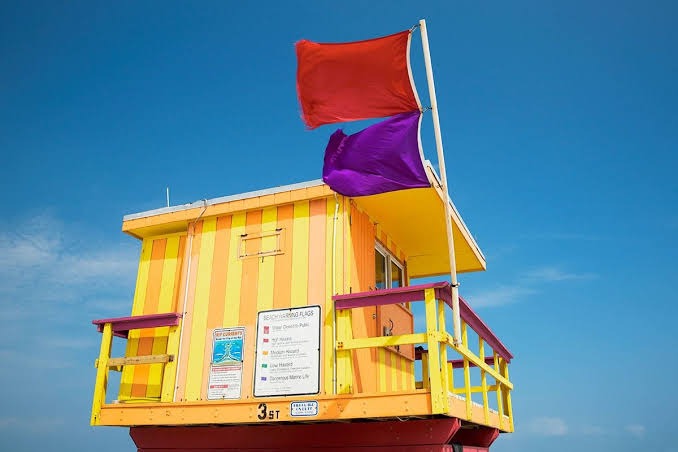
The purple flag can be viewed not as a warning of imminent danger, but as an invitation to greater awareness and respect for the ocean. By understanding its meaning and taking recommended precautions, swimmers and beachgoers can enjoy the shoreline with confidence. Lifeguards, marine experts, and public officials continue to advocate for clear communication, preparedness, and education as essential pillars of coastal safety. Ultimately, the purple flag plays a pivotal role in ensuring that the marvels of the ocean remain accessible and safe for everyone.
Sources
- Centers for Disease Control and Prevention (CDC)
- World Health Organization (WHO)
- Reuters
- BBC
- The Guardian
- Mayo Clinic
- International Life Saving Federation (ILS)
Disclaimer: This content is intended for entertainment purposes only and is not based on real events.