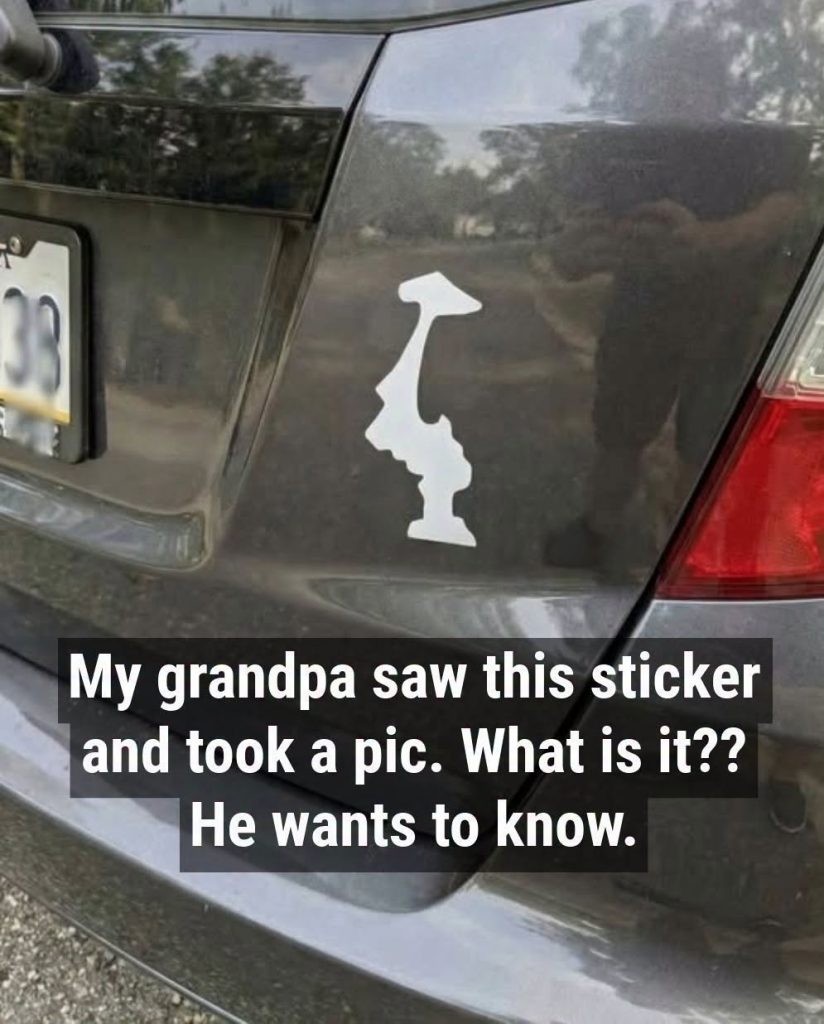
The Upside-Down Washington State Decal: Icon, Identity, and Culture
Introduction to a Unique Regional Symbol
If you’ve spent time driving through the Pacific Northwest, you might have noticed a distinctive feature on some vehicles: an upside-down outline of the state of Washington affixed to the rear window or bumper. At first glance, this unusual sticker placement may appear to be a simple mistake, but in reality, the inverted Washington State decal has evolved into a meaningful, subtle symbol for many—especially those who once called Washington home and have since relocated.
Origins and Emergence of the Upside-Down Sticker
The use of state outline decals as identifiers is common throughout the United States. Residents and enthusiasts often display these stickers to signal local pride or celebrate special memories tied to a particular region. Within Washington, however, an inversion of the classic outline has appeared, becoming a cultural touchstone among certain communities. There is no official organization or movement responsible for this trend; its origins are organic and grassroots, propelled by word-of-mouth and shared experience.
Unlike stickers signifying membership to a group or club, the upside-down decal communicates personal meaning. It has no defined rules, mission, or branding. This ambiguity means it can serve different functions for different individuals, especially those who have lived in Washington but now reside elsewhere. The symbol is not promoted by state tourism bureaus or commercial interests—it exists, rather, as an informal expression of identity.
Emotional Connections and Symbolism
Washington State’s landscapes are renowned for their diversity and beauty, ranging from the iconic peaks of the Cascade Mountains to lush forests, expansive coastlines, and well-known national parks such as Mount Rainier and Olympic. Former residents often bear enduring memories of mountain hikes, river adventures, and weekends spent exploring the state’s natural wonders.
For those who have moved, the upside-down sticker represents more than geography. It becomes a keepsake, a reminder of cherished experiences and places now left behind. Multiple accounts from former Washingtonians emphasize the emotional resonance attached to these decals. In interviews with outdoor retailers and local residents, many describe feeling a persistent sense of nostalgia and connection that the sticker helps manifest.
Inverting the state’s image carries playful undertones—suggesting everything from “life turned upside-down” to a shifted viewpoint. This orientation can symbolize distance from home, commemorate a cross-country move, or simply acknowledge the unpredictability of personal journeys. However, the sticker’s meaning remains flexible and open to individual interpretation.
The Role in Outdoor Culture and Travel
The Pacific Northwest is a haven for outdoor enthusiasts, with a culture steeped in hiking, skiing, camping, and road trips. The upside-down Washington sticker finds popularity among this demographic. Vehicles braving mountain passes, remote campsites, or cross-country highways frequently sport the decal. Gear shops and outdoor stores occasionally stock the sticker, responding to demand from those who see it as both a symbol and a badge of the region’s adventurous spirit.
Travelers note that the sticker can also act as a conversation starter. Spotting the inverted outline often prompts exchanges about favorite trails, hidden lakes, and memorable trips across Washington. Shared recognition builds an instant camaraderie between strangers, reinforcing the communal aspects of outdoor recreation and regional belonging.
Identity, Belonging, and Personal Narrative
Ultimately, the upside-down Washington State decal is less a statement about location and more a subtle declaration of personal identity. It reflects where someone has been, what they value, and how formative experiences continue to shape their self-concept, even after moving hundreds or thousands of miles away.
Symbols such as these are powerful because they combine the familiar with the ambiguous. The sticker is recognizable yet open-ended; it signals ties to Washington, but not in ways that exclude others or demand conformity. Sociologists studying regionalism and identity note that non-verbal cues, like distinctive bumper stickers, play an important role in signaling community membership and inviting connection without direct conversation.
For some, the sticker may represent loss—the bittersweet feeling of departure from a place deeply loved. For others, it embodies transformation, marking the point at which one’s journey departed from “home” and entered new territory. It’s a physical reminder of the continuity between past and present, a small but potent sign that personal history matters, even in contexts far from Mount Rainier or Puget Sound.
Expert Views on Regional Symbols and Nostalgia
Experts in cultural geography and human behavior highlight that symbols such as the upside-down Washington sticker help former residents maintain ties, even as they assimilate into new communities. According to Professor Susan Smith, a specialist in place identity at the University of Washington, “Objects and signs that reference a familiar landscape offer comfort and remind individuals of their roots. The upside-down decal is a clever, non-confrontational way for people to signal who they were, and in many ways, who they remain.”
Nostalgia, especially for home environments, is a well-discussed phenomenon. Research published in the “Journal of Environmental Psychology” finds that reminders of home—visual or otherwise—help people negotiate transitions and foster resilience in unfamiliar places. The sticker is an example of how even minor tokens can serve important emotional functions.
Social and International Reactions
Though the upside-down decal is most common among former Washington residents in the U.S., the practice of using regional stickers to signal origin or affinity is international. In Canada, Australia, and parts of Europe, similar trends can be observed, where people attach outline decals of their home provinces or countries to vehicles after relocating. The difference in Washington is the inversion, which adds a layer of ambiguity and playfulness not always present in other places.
Online forums and social media groups have documented the spread of the upside-down sticker. Discussions frequently explore its significance, trade stories, and even organize meetups for people who “share the symbol.” It has also made brief appearances in pop culture, with journalists and documentary filmmakers noting its rise as an example of subtle regional pride.
Commercial Aspects and Local Businesses
Local businesses in Washington and the Pacific Northwest have responded to the symbol’s popularity by stocking upside-down State decals alongside more traditional souvenirs. Outdoor gear shops, specialty graphic artists, and online retailers report steady demand. The sticker is often purchased by those relocating or as gifts for friends moving out of state, reinforcing its function as a token of belonging and connection.
Some business owners view the upside-down trend as a boon for regional branding. Rather than being a standardized logo, it allows businesses to cater to a niche market—those who want to celebrate Washington in low-key, personal ways. This has fueled a modest industry in custom sticker designs embracing the inverted motif, extending to mugs, shirts, and hats.
Conclusion: The Power of Subtle Symbols
The upside-down Washington State decal is a nuanced, flexible, and deeply personal symbol. Whether seen as a playful conversation starter, a sign of nostalgia, or a badge of outdoor adventure, it quietly illustrates how place and memory persist in identity—even after someone moves away. The trend’s organic growth, lack of official definition, and adaptability ensure it remains relevant to people from a wide range of backgrounds.
As Washingtonians and others navigate relocation, transitions, and shifting perspectives, small tokens like the upside-down decal help preserve the ties that bind. In its understated way, the sticker exemplifies the enduring impact of regional culture, reminding us that home is more than just a location—it’s part of who we are.
Sources
- Reuters
- BBC News
- The Guardian US News
- National Park Service
- University of Washington
- Journal of Environmental Psychology
Disclaimer: This content is intended for entertainment purposes only and is not based on real events.