Why Is the Number 57 Printed on Heinz Ketchup Bottles?
For more than a century, the number “57” has been one of the most recognizable details on a Heinz ketchup bottle. It appears on glass bottles, plastic squeeze containers, labels, signs, and advertisements around the world. Many people assume it refers to 57 ingredients in Heinz ketchup, 57 spices in the recipe, or 57 products made by the company. In reality, the story behind Heinz 57 is more unusual—and more revealing about the history of branding.
The number is not a recipe code, a count of ingredients, or a measurement of ketchup varieties. Instead, it began as a marketing slogan created by Heinz founder Henry J. Heinz in the late nineteenth century. The phrase “57 Varieties” became a lasting symbol of the company’s ambition, its broad range of foods, and its ability to turn a simple idea into a powerful global brand identity.
What Does Heinz 57 Actually Mean?
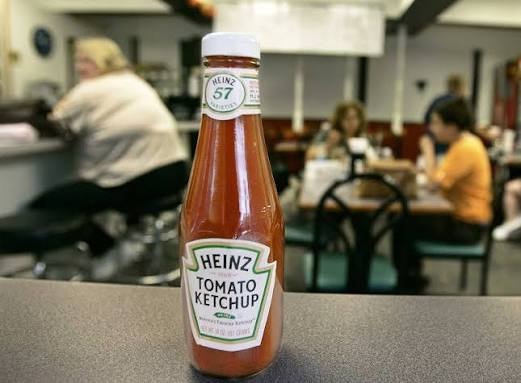
Heinz 57 refers to the slogan “57 Varieties,” which was introduced by Henry J. Heinz in 1896. At the time, the H. J. Heinz Company already sold far more than 57 products. Historical accounts from Heinz indicate that the business had a product line numbering in the hundreds when the slogan was adopted.
That means 57 was never intended to be a literal inventory count. It was chosen because it sounded distinctive, memorable, and appealing. In an era when packaged food companies were competing for public trust and attention, a short phrase that consumers could quickly recognize had enormous value.
Today, Heinz is best known for tomato ketchup, but the company historically built its reputation on a broad selection of shelf-stable foods, condiments, pickles, sauces, relishes, soups, beans, and other grocery items. “57 Varieties” helped communicate that the brand offered more than one product while giving shoppers a phrase they could easily remember.
How Henry J. Heinz Chose the Number 57
The best-known account of the slogan’s origin dates to an advertising observation made by Henry J. Heinz during a visit to New York City. According to company history, Heinz saw a sign promoting “21 styles” of shoes. The wording caught his attention. He reportedly believed that using a number alongside a product category made the message more compelling and gave it a sense of variety and abundance.
Heinz decided to create a similar slogan for his own business. Rather than using the actual number of products his company sold, he selected 57. He later described the number as having a special appeal. Accounts commonly state that he considered five and seven to be fortunate numbers, making 57 a personally satisfying choice.
The decision was simple, but it was strategically effective. “57 Varieties” was short enough to print on labels and signs, specific enough to sound meaningful, and unusual enough to stand apart from generic claims about quality or selection. It gave consumers a compact phrase to associate with Heinz long before modern logos, social media campaigns, and television commercials became central to advertising.
Was Heinz Ketchup Made With 57 Ingredients?
No. The Heinz 57 slogan does not mean that Heinz ketchup contains 57 ingredients. The ingredient list for ketchup is a separate matter and has changed over time depending on product formulation, local regulations, and the market where it is sold.
Modern Heinz Tomato Ketchup generally includes tomato concentrate made from red ripe tomatoes, vinegar, sugar, salt, and a blend of spices and flavorings. Consumers who need exact dietary or allergen information should always check the packaging in their country, because labels can vary by product type and region.
The number also does not refer to 57 types of tomato or 57 steps in the manufacturing process. It is a historic trademark and advertising phrase. Its continued use reflects the value of long-running brand symbols: even when people do not know the original story, they recognize the number immediately.
Why Heinz 57 Became Such a Successful Advertising Slogan
The success of Heinz 57 can be understood in the context of the late nineteenth-century food industry. During this period, packaged foods were becoming more common in the United States and Europe. Consumers were increasingly buying products made outside their homes, but they also had concerns about freshness, purity, labeling, and consistency.
Henry J. Heinz built his business around the idea that branded food could earn customer confidence. The company emphasized clean production, dependable packaging, visible ingredients, and recognizable labels. Heinz products were often sold in clear glass containers, allowing shoppers to see what they were buying. This was an important distinction at a time when food quality standards and consumer protections were still developing.
“57 Varieties” reinforced this approach. It suggested that Heinz was an established company with a substantial range of products. Rather than presenting the business as a small supplier of one condiment, the slogan positioned it as a dependable household name with experience across many food categories.
Marketing historians often point to enduring slogans such as Heinz 57 as examples of successful brand consistency. A phrase becomes valuable when it can survive changes in packaging, consumer tastes, technology, and ownership. The number 57 has done exactly that. It remains visible because it is linked not only to a particular product but also to the company’s long commercial history.
The Heinz 57 Mark on Glass Ketchup Bottles
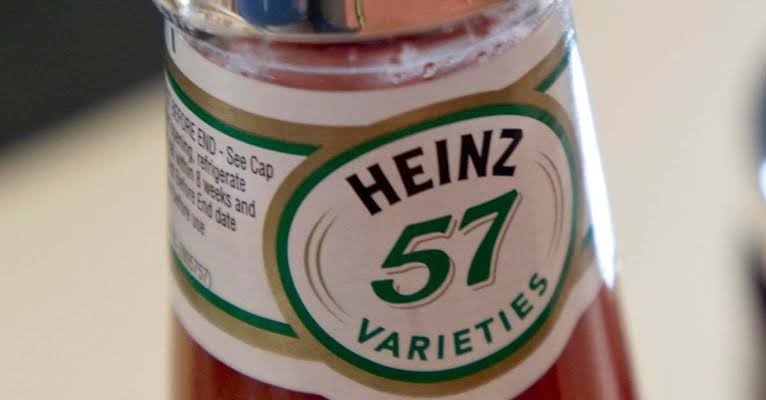
For many consumers, the number 57 has another association: the small mark on the neck of a classic glass Heinz ketchup bottle. Over the years, Heinz has promoted the mark as a useful place to tap when ketchup is slow to flow from the bottle.
Glass ketchup bottles can be challenging because ketchup is thick and does not pour like water. The product’s texture is influenced by the natural structure of tomatoes and by the way ketchup behaves when shaken or tapped. Ketchup is commonly described as a non-Newtonian fluid, meaning its viscosity can change when force is applied. A gentle tap or shake can help it move more easily.
Heinz has famously advised consumers to tap the bottle near the 57 mark rather than striking the bottom with excessive force. The advice has become part of the brand’s cultural identity, turning an ordinary packaging detail into a recognizable ritual. While the exact pouring experience can differ depending on bottle design and temperature, the suggestion reflects a practical understanding of the product’s thick texture.
The association between the number and the bottle has helped make Heinz 57 more than a slogan. It has become an interactive brand cue: customers see the number, remember the story, and may even use it while serving ketchup.
From “57 Varieties” to a Global Food Brand
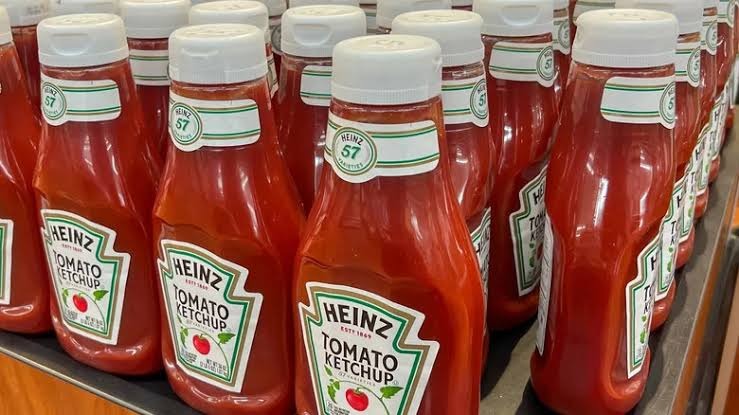
The Heinz name has become closely associated with tomato ketchup, particularly in the United States and the United Kingdom, but its history extends well beyond one condiment. Founded in the nineteenth century, the company grew through industrial food production and international distribution. Its products reached consumers in many countries, and its labels became familiar in kitchens, restaurants, and grocery stores.
The company’s growth also reflects wider changes in food culture. Urbanization, rail transport, improved food preservation, and mass retailing made it possible for packaged goods to travel farther and reach larger audiences. Brands that could offer consistency from one location to another gained an advantage. Heinz’s labeling, standardized recipes, and prominent advertising supported that expansion.
In the modern era, Heinz operates as part of The Kraft Heinz Company, a major international food and beverage business. Although its product portfolio has evolved, the 57 symbol remains a connection to the company’s origins. It gives the brand a sense of continuity in a marketplace where products and packaging frequently change.
Why Consumers Still Ask About Heinz 57
The continued curiosity around Heinz 57 shows how effective a good slogan can be. Numbers naturally invite explanation. When people see 57 on a ketchup bottle, they often expect it to reveal a hidden formula or a precise manufacturing fact. The answer—that it was primarily a marketing choice—can be surprising.
That surprise is part of the slogan’s lasting appeal. It combines a clear visual element with a story about entrepreneurship and advertising. The phrase also dates from a period when companies were learning how to create identities that consumers could recognize instantly. Heinz 57 remains a useful example of how branding can shape public memory.
It also illustrates an important point about food labels: not every number on a package is nutritional, scientific, or regulatory information. Some numbers are trademarks, product names, or historical references. Consumers looking for ingredient, allergen, nutrition, or date information should consult the relevant sections of the label rather than relying on a brand slogan.
Heinz 57 and the Difference Between Ketchup and Heinz 57 Sauce
Another source of confusion is the existence of Heinz 57 Sauce. Heinz 57 Sauce is a separate condiment with a tangy, savory flavor profile. It is not the same product as Heinz Tomato Ketchup, even though both use the number 57 in their branding.
The sauce helped extend the familiar slogan into another product category. For consumers, the number created an instant link to the Heinz name and its long-established reputation in condiments. This is a common branding strategy: a widely recognized symbol can help introduce or support related products without requiring a completely new identity.
However, the original meaning remains unchanged. Whether it appears on ketchup, sauce, memorabilia, or advertising, Heinz 57 traces back to the “57 Varieties” slogan created by Henry J. Heinz.
The Lasting Legacy of the Number 57
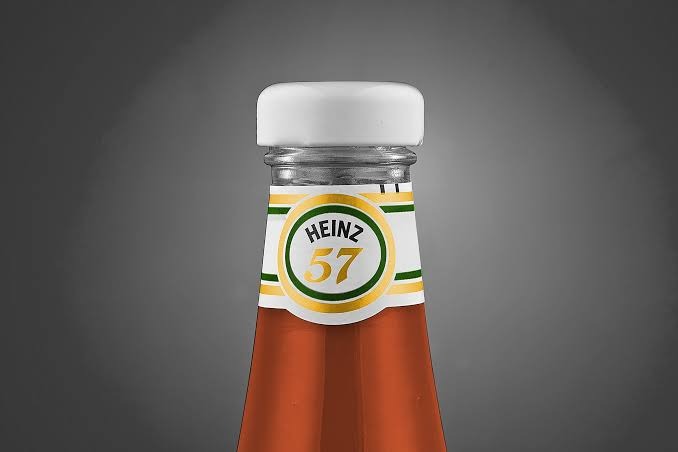
The story of Heinz 57 is not really about a secret ketchup recipe. It is about how a business leader recognized the power of a memorable idea. Henry J. Heinz chose a number that was not a literal product count, but it became more famous than the actual number of products his company offered.
More than 125 years later, the number still works because it is easy to recognize, visually simple, and connected to a credible company history. It reflects the early development of modern consumer branding, when manufacturers began using names, labels, slogans, and packaging to build trust across large markets.
So, the next time you notice 57 on a Heinz ketchup bottle, there is no need to search for 57 ingredients or 57 hidden varieties. The number is a historic advertising symbol—one inspired by Henry J. Heinz, preserved by generations of consumers, and still closely tied to one of the world’s best-known food brands.
Sources
Disclaimer: This content is intended for entertainment purposes only and is not based on real events.