Water Chestnuts: Food Safety, Nutrition, and How to Eat Them Safely
Water chestnuts are a widely enjoyed aquatic food in Asian cuisines and in many international dishes. Known for their mild sweetness and distinctive crisp texture, they are commonly used in stir-fries, salads, soups, dumpling fillings, desserts, and snacks. Unlike many vegetables that soften substantially during cooking, water chestnuts often retain their crunch, making them especially popular in cooked recipes.
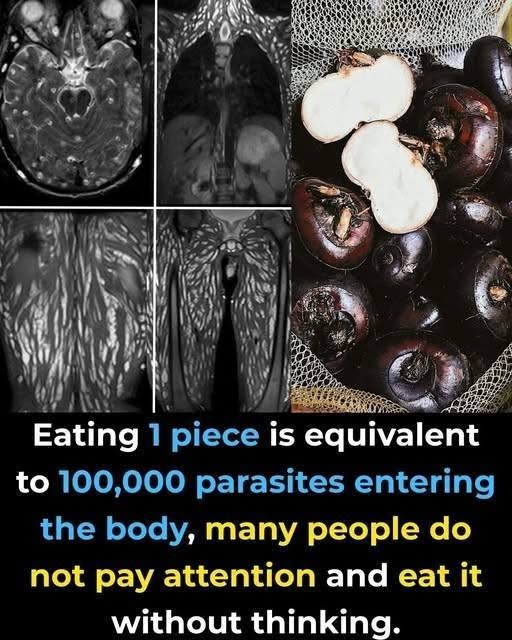
Online claims sometimes warn that eating water chestnuts can introduce a large number of parasites into the body. These statements can be alarming, but they often lack important context. Water chestnuts are not inherently unsafe, and they can be part of a nutritious diet. However, like other produce grown close to soil or water, they should be handled carefully. Proper washing, safe peeling practices, clean storage, and thorough cooking where appropriate can greatly reduce foodborne illness risks.
Understanding where water chestnuts grow, what food safety concerns are realistic, and how to prepare them correctly can help consumers enjoy them with confidence.
What Are Water Chestnuts?
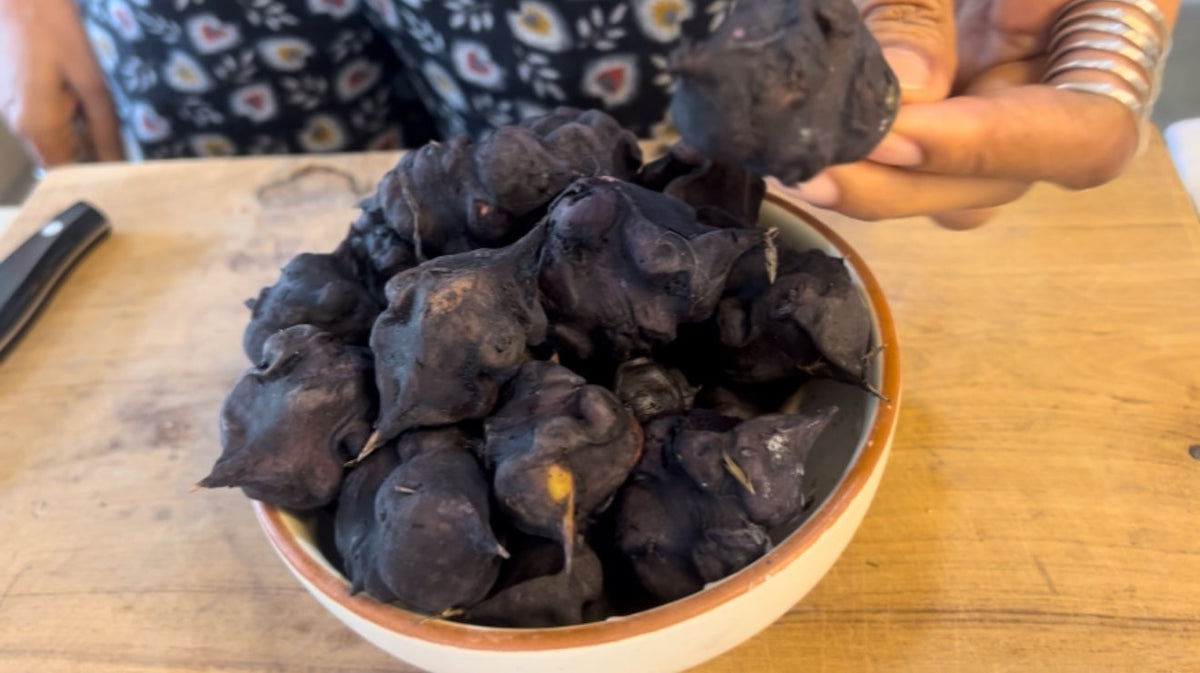
The term “water chestnut” can refer to more than one aquatic plant, which sometimes creates confusion. In cooking, especially in Chinese and Southeast Asian cuisine, water chestnuts usually mean the edible corms of Eleocharis dulcis, a sedge plant that grows in wet, muddy conditions. These are the round, dark-skinned vegetables often sold fresh, peeled, canned, or vacuum-packed.
They are not related to tree nuts or chestnuts. Their name comes from their appearance and crunchy texture rather than their botanical family. This distinction also matters for people with food allergies: water chestnuts are generally not tree nuts, although anyone with a known food allergy should discuss individual dietary concerns with a qualified healthcare professional.
Another plant, Trapa natans, is also sometimes called water chestnut. It produces a different fruit and is known in some regions as water caltrop. Food safety advice may differ depending on the exact food and local production methods. For the water chestnuts most commonly found in supermarkets and used in stir-fries, Eleocharis dulcis is typically the relevant plant.
Why Fresh Water Chestnuts Need Careful Handling
Fresh water chestnuts grow in flooded fields, ponds, and other wet environments. Their outer skin can carry mud, plant material, and microorganisms from the growing environment. This does not mean every fresh water chestnut contains harmful organisms. It does mean that consumers should treat unpeeled water chestnuts as they would other soil-grown produce.
Fresh produce can become contaminated at several stages, including cultivation, harvesting, transport, storage, retail display, and food preparation. Contamination may involve bacteria, viruses, or parasites. The likelihood of illness depends on factors such as water quality, sanitation practices, temperature control, whether the food is eaten raw, and the health of the person eating it.
Public health agencies consistently recommend washing produce under running water before eating, cutting, or peeling it. This step is especially important for foods with skins or shells that may contact the edible interior during preparation. Washing before peeling helps prevent dirt and microorganisms on the outside from being transferred by hands, knives, peelers, or cutting boards.
Can Water Chestnuts Carry Parasites?
It is possible for raw aquatic plants or produce grown in contaminated water to be associated with foodborne parasites in certain circumstances. However, broad claims that water chestnuts routinely contain “many parasites” are misleading. The risk is not unique to water chestnuts, and it should be assessed realistically rather than through sensational warnings.
Parasites may be transmitted through food or water when sanitation is poor, especially where untreated human or animal waste contaminates growing areas or irrigation water. Some parasitic infections have historically been linked to raw aquatic plants in particular regions. The risk varies considerably by country, farming practices, supply chain controls, and whether the food is cooked.
For consumers, the most practical message is straightforward: raw, unpeeled water chestnuts deserve good hygiene. Buy them from reputable suppliers, wash the exterior thoroughly, avoid cross-contamination, and cook them when possible. Cooking is an effective food safety measure because adequate heat can destroy many disease-causing microorganisms.
People who are pregnant, older adults, young children, or those with weakened immune systems may be more vulnerable to serious consequences from foodborne illness. These groups may wish to be particularly cautious with raw produce that has been grown in wet or muddy conditions and choose thoroughly cooked water chestnuts instead.
Cross-Contamination Is a Key Food Safety Issue
One of the most preventable concerns is cross-contamination during preparation. A water chestnut may be washed, but if a knife, cutting board, peeler, or pair of hands has contacted an unwashed outer skin, microorganisms can be transferred to the peeled flesh or to other ready-to-eat foods.
For example, peeling a muddy water chestnut and then slicing it with the same unwashed knife can move material from the skin to the edible portion. Similarly, placing peeled water chestnuts on a surface that previously held unwashed produce can reduce the benefit of cleaning.
Good kitchen hygiene is therefore essential. Wash hands with soap and water before and after handling fresh produce. Clean worktops, cutting boards, knives, and peelers with hot, soapy water. Keep raw animal products separate from fresh foods. If water chestnuts are to be eaten uncooked, prepare them on a clean surface after their exterior has been rinsed thoroughly.

How to Wash and Prepare Fresh Water Chestnuts Safely
Fresh water chestnuts can be safely prepared at home by following a few practical steps. The goal is to remove visible soil and reduce the chance that surface contamination reaches the inside.
- Choose good-quality produce. Look for firm water chestnuts without major cracks, mold, extensive bruising, or an unpleasant odor. Avoid products that appear heavily damaged or poorly stored.
- Wash your hands. Use soap and clean running water before handling the food.
- Rinse before peeling. Hold unpeeled water chestnuts under cool running water and rub the outside gently to remove dirt. A clean produce brush may be useful for firm produce, but it should be kept clean and used only for food preparation.
- Do not use soap or household cleaning products on food. Health authorities generally advise washing produce with running water rather than detergents, bleach, or disinfectants that are not intended for food.
- Use clean equipment. Peel and cut the water chestnuts with clean utensils on a clean cutting board.
- Cook when appropriate. Adding water chestnuts to stir-fries, soups, steamed dishes, or other hot recipes provides an additional safety margin.
- Refrigerate leftovers promptly. Store prepared foods in the refrigerator and avoid leaving perishable dishes at room temperature for extended periods.
It is also important to remember that rinsing can reduce contamination but may not eliminate every microorganism. Cooking remains the more reliable option for reducing risks associated with raw aquatic vegetables, particularly when the product’s source or handling history is uncertain.
Fresh, Canned, and Packaged Water Chestnuts
Water chestnuts are sold in several forms, each with different preparation needs. Fresh water chestnuts have a dark outer skin and usually require washing and peeling. Their flavor is often described as sweeter and more delicate than the canned variety.
Canned water chestnuts are convenient and widely available. They have normally been heat processed as part of commercial canning, but they should still be inspected before use. Do not use cans that are bulging, leaking, severely dented along seams, or otherwise damaged. Once opened, transfer unused canned water chestnuts to a clean covered container, refrigerate them, and follow the storage guidance on the package.
Vacuum-packed or refrigerated peeled water chestnuts should be kept according to label instructions. Pay attention to use-by dates and refrigeration requirements. If a package is swollen, leaking, or has an unusual smell after opening, it is safest to discard the product.
Whether fresh or packaged, buying from reliable retailers supports better food safety. Established suppliers are more likely to follow standards for transport, storage, and product handling, although no food system can eliminate all risk completely.
Nutrition Benefits of Water Chestnuts
When safely prepared, water chestnuts can add nutritional value and texture to meals. They are relatively low in calories and contain water, carbohydrates, and dietary fiber. Their crispness can make vegetable-based dishes more satisfying without relying on large amounts of added fat or salt.
Water chestnuts also provide small amounts of several vitamins and minerals, including potassium and vitamin B6, although exact nutrient levels vary by product type, portion size, and preparation method. They contain naturally occurring plant compounds that are being studied for potential antioxidant activity. It is important, however, not to overstate these findings. No single food can prevent disease or replace an overall balanced diet.
For many people, the main dietary advantage of water chestnuts is practical: they can make meals more varied. Their crunchy texture works well with vegetables, lean proteins, legumes, whole grains, and flavorful sauces. In a balanced eating pattern, variety is valuable because different plant foods contribute different nutrients and fibers.

Cooking Water Chestnuts for Taste and Safety
Cooking is one of the easiest ways to enjoy water chestnuts while reducing food safety concerns. They can be added near the end of cooking in stir-fries to preserve some crunch. They also work well in soups, curries, rice dishes, vegetable fillings, and steamed preparations.
Because water chestnuts are mild in flavor, they pair easily with ginger, garlic, mushrooms, leafy greens, tofu, chicken, seafood, beans, sesame, and soy-based sauces. Canned water chestnuts can be rinsed before cooking to remove excess liquid and adjust their taste.
If serving water chestnuts in a cold salad or as a snack, use peeled products from a trusted source or carefully wash fresh specimens before peeling. Keep prepared foods chilled until serving, especially during warm weather or when food will be placed on a buffet table.
When to Seek Medical Advice
Most digestive symptoms after eating are not necessarily caused by water chestnuts, and it is not possible to diagnose a foodborne illness based on one symptom alone. However, anyone who develops persistent or severe gastrointestinal symptoms, fever, signs of dehydration, or symptoms that are especially concerning after consuming food should contact a healthcare professional. People in higher-risk groups should seek advice promptly if they feel unwell.
Food safety information is most useful when it encourages sensible precautions rather than unnecessary fear. Water chestnuts remain a common and enjoyable ingredient in many food traditions. The sensible approach is to recognize that fresh aquatic produce requires the same care given to other foods grown in soil or water.
Conclusion: Water Chestnuts Are Safe With Proper Food Hygiene
Water chestnuts are generally safe to eat when they are purchased, stored, washed, and prepared properly. Claims that they automatically introduce large numbers of parasites into the body are exaggerated and can be misleading. Still, the underlying reminder about hygiene is valid: produce grown in wet and muddy environments should be cleaned carefully, and raw foods should be handled in ways that prevent cross-contamination.
Rinsing fresh water chestnuts under clean running water before peeling, using clean hands and utensils, selecting reputable products, refrigerating perishable items, and cooking when possible are practical steps that reduce risk. With these measures in place, water chestnuts can remain a crisp, versatile, and nutritious addition to a balanced diet.
Sources
Disclaimer: This content is intended for entertainment purposes only and is not based on real events.