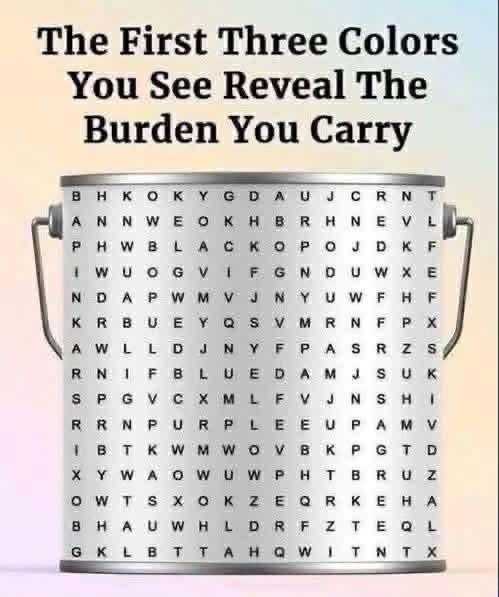
A Story Hidden in Every Shade
Have you ever noticed yourself reaching for the same color without thinking? Perhaps your wardrobe slowly fills with calming blues, your home features soft green accents, or you suddenly find yourself drawn to warm earth tones. These choices often feel natural, almost automatic.
Many people assume color preferences are simply a matter of personal taste. Yet psychologists, designers, and neuroscientists have long been fascinated by a deeper question: do our favorite colors reflect something happening inside us?
While there is no scientific evidence that colors literally “choose” us, research suggests our emotional state, cultural background, memories, and environment can influence the colors we naturally gravitate toward. Likewise, our surroundings may subtly affect our mood and behavior in ways we rarely notice.
Understanding the psychology of color does not mean every preference has one fixed meaning. Instead, it offers an interesting window into how the human mind connects emotion, memory, and perception.

Why Colors Matter More Than We Realize
Color is one of the first things our brains process when we observe the world. Long before we recognize faces or read words, our visual system responds to differences in light and color.
Scientists believe color influences human experience because it helps us quickly interpret our surroundings. Bright colors may attract attention, while softer shades often create a sense of calm. Throughout evolution, color also helped humans recognize ripe fruit, changing seasons, and potential environmental hazards.
Today, color continues to influence everyday life, from the clothing we wear to the products we buy and the spaces where we work and relax.
How the Brain Responds to Color
Our eyes contain specialized cells called cones that detect different wavelengths of light. These signals travel to the brain, where they are interpreted as color.
Although this process happens in fractions of a second, the emotional response often follows just as quickly.
Researchers have found that colors can influence:
-
Attention
-
Mood
-
Perceived temperature
-
Memory recall
-
Decision-making
-
Visual comfort
However, these effects are generally subtle and vary from person to person. Individual experiences and cultural influences play an important role in shaping how each person interprets color.
The Psychology Behind Popular Colors
Red: Energy and Confidence
Red is one of the most attention-grabbing colors in nature. It is commonly associated with excitement, determination, and enthusiasm.
Because of its visibility, red is often used in sports uniforms, advertising, and warning signs.
Some psychological studies suggest red may temporarily increase alertness or perceived energy. At the same time, excessive exposure to bright red environments may feel overwhelming for some individuals.
Rather than symbolizing one fixed emotion, red often represents intensity in many different forms.
Blue: Calm and Stability
Blue consistently ranks among the world’s favorite colors.
It is frequently linked with peacefulness, trust, and reliability. Many businesses use blue in branding because consumers often associate it with professionalism and stability.
Natural environments also contribute to these associations. Blue skies and oceans create experiences many people connect with relaxation and openness.
Still, darker shades of blue may also remind some individuals of solitude or quiet reflection.
Green: Balance and Renewal
Green occupies a unique place in human psychology because it dominates many natural landscapes.
Research suggests spending time in green environments may support relaxation and reduce mental fatigue.
For this reason, hospitals, schools, and wellness centers often incorporate green into their designs.
Many people associate green with:
-
Growth
-
Nature
-
Fresh beginnings
-
Balance
-
Renewal
These meanings appear across numerous cultures, although specific interpretations vary.
Yellow: Optimism and Attention
Yellow reflects more light than most other colors, making it especially noticeable.
It is commonly associated with happiness, creativity, and optimism.
However, because of its brightness, large amounts of vivid yellow may become visually tiring for some people.
As with all colors, context matters. A soft pastel yellow may feel comforting, while an intense fluorescent yellow creates a completely different emotional response.
Purple: Creativity and Reflection
Throughout history, purple has often symbolized imagination, wisdom, and luxury.
In earlier centuries, purple dye was rare and expensive, making it closely associated with royalty in parts of Europe.
Today, many people connect purple with creativity, individuality, and personal growth.
Some also choose purple during periods of transition, although this remains a personal interpretation rather than a scientific rule.
Black and White: Simplicity and Contrast
Black often communicates elegance, sophistication, and formality. In fashion, it remains one of the most versatile colors because it pairs easily with nearly everything.
White frequently represents cleanliness, simplicity, and openness.
Interestingly, cultural traditions shape these meanings considerably. In some countries, white symbolizes celebration, while in others it has long been connected with remembrance and reflection.
Do Favorite Colors Change Over Time?
Many people notice their favorite color changes throughout life.
Children often prefer bright, highly saturated colors because their developing visual systems respond strongly to vivid contrasts.
Adults may gradually develop preferences for softer or more neutral tones.
Life experiences can also influence color choices.
Someone beginning a new career may enjoy confident, bold colors.
Another person creating a peaceful home might naturally choose muted greens or warm earth tones.
These changes do not necessarily indicate hidden psychological messages. Instead, they may simply reflect evolving lifestyles, environments, and personal experiences.
Why We Sometimes Avoid Certain Colors
Color preferences involve both attraction and avoidance.
People occasionally dislike certain colors because they remind them of unpleasant experiences or because they clash with personal style.
Psychologists caution against assigning universal meanings to these dislikes.
For example, avoiding red does not automatically indicate discomfort with strong emotions.
Similarly, disliking white does not necessarily reveal vulnerability.
Human preferences are shaped by countless influences, making individual interpretation far more reliable than generalized assumptions.
Color in Different Cultures
One of the most fascinating aspects of color psychology is how meanings differ around the world.
For example:
-
White represents weddings in many Western countries but has different ceremonial meanings elsewhere.
-
Red often symbolizes celebration and prosperity in several Asian cultures.
-
Green holds spiritual significance in many traditions.
-
Purple has historically represented royalty in parts of Europe.
These cultural differences remind us that color meanings are learned as well as experienced.
No single interpretation applies universally.
Color in Everyday Life
Modern designers carefully consider color when creating products, websites, and buildings.
Healthcare facilities often favor calming palettes.
Restaurants frequently incorporate warm colors that encourage social interaction.
Technology companies often use blue to communicate trustworthiness.
Interior designers also recognize that lighting changes how colors appear throughout the day, influencing the atmosphere of a room.
Although color alone cannot determine human behavior, thoughtful design can contribute to more comfortable and enjoyable environments.
What Science Can—and Cannot—Tell Us
The field of color psychology continues to evolve.
Researchers generally agree that colors influence perception and emotion to some degree.
However, they also emphasize several important limitations:
Individual experiences matter.
Culture strongly shapes interpretation.
Context changes emotional responses.
No color produces identical effects in everyone.
Because of these variables, experts encourage viewing color psychology as a fascinating area of research rather than a system of absolute rules.
Listening to Your Own Color Story
Perhaps the most meaningful aspect of color is its personal significance.
A particular shade of blue might remind someone of childhood vacations.
A deep green could recall favorite hiking trails.
A warm orange may evoke memories of family gatherings during autumn.
These emotional connections often become more powerful than any general psychological explanation.
Rather than asking what a color universally means, it may be more interesting to ask what it means to you.
Conclusion
Colors do far more than decorate our surroundings. They shape first impressions, influence design, trigger memories, and sometimes reflect our changing emotional landscapes. While science does not support the idea that colors literally choose us or reveal hidden truths about our personalities, research shows that our preferences are influenced by a rich combination of biology, experience, culture, and environment.
The next time you notice yourself drawn to a particular shade, consider it an invitation to observe rather than judge. Whether your favorite color represents comfort, creativity, confidence, or simply beautiful design, it forms part of your unique story. Human curiosity has always sought meaning in the world around us, and colors continue to offer one of the most fascinating ways to explore the connection between our minds and the vibrant world we see every day.
Sources
American Psychological Association (APA): https://www.apa.org
National Eye Institute: https://www.nei.nih.gov
Encyclopaedia Britannica: https://www.britannica.com
Smithsonian Magazine: https://www.smithsonianmag.com
Verywell Mind – Color Psychology Overview: https://www.verywellmind.com