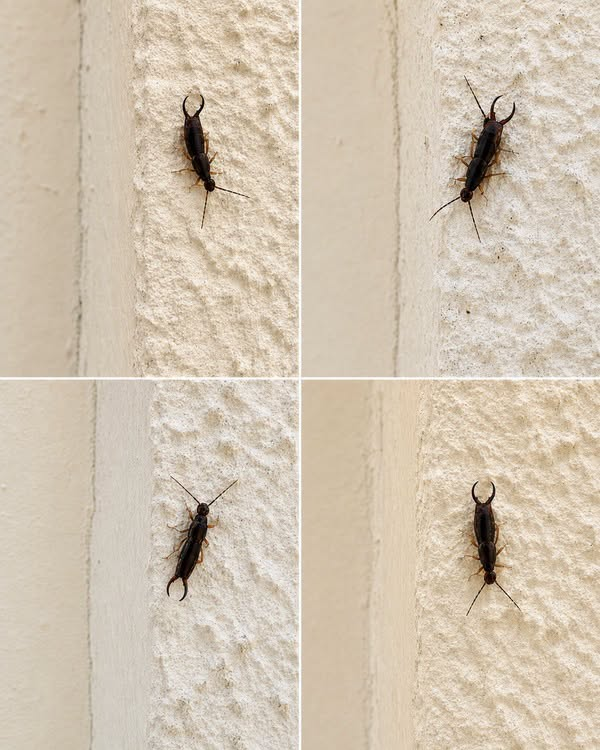
Spotting One Bug at Home: What It Really Means and What to Do Next
Introduction: The Significance of Finding a Single Insect
Seeing a solitary insect inside your home often causes concern, raising immediate questions about cleanliness, safety, and potential underlying issues. Is this lone bug just a harmless guest, or does its appearance signal a deeper problem? Understanding the reasons for an insect’s presence, the types of bugs commonly encountered, and how to respond can help homeowners take informed, practical steps to maintain a pest-free environment.
Why One Insect Matters: Interpreting the Clues
The sighting of even a single insect is more than a fleeting annoyance for many people. While it may be the result of an accidental intrusion, experts stress the importance of understanding the context. Insects can indicate:
- Moisture or water leaks: Some bugs, like silverfish and cockroaches, are drawn to damp areas, which may reveal plumbing issues or poorly ventilated spaces.
- Structural vulnerabilities: Gaps around windows, under doors, or cracks in walls can serve as entry points for pests, suggesting the need for home improvements or sealing.
- Seasonal and environmental factors: Changes in temperature, weather, or even urban development nearby can displace insect populations and lead to occasional visitors indoors.
- Food sources: Even minuscule crumbs or food residue can attract certain bugs, so the presence of one insect might highlight the need for stricter hygiene practices.
Recognizing that a single insect may either be a random occurrence or a sign of more significant issues is the essential first step in assessment.
Common Insects Found Indoors and Their Meanings
Identifying the type of insect is crucial in determining the next course of action. Some of the most frequently encountered insects in homes include:
1. Ants
Ants often enter homes in search of food or water. A solitary ant may be a scout, searching for resources. If not addressed promptly, it could return with more ants. To prevent an infestation, remove accessible food sources and seal up entry points.
2. Cockroaches
The presence of a single cockroach may mean more could be hiding out of sight, as these insects prefer dark, moist environments. They are known carriers of bacteria and allergens, so immediate attention is recommended to rule out an underlying infestation and to address any damp areas or cracks in the walls.
3. Spiders
Spiders commonly wander indoors by mistake, especially during cooler months. Though most household spiders are harmless and even beneficial (as they prey on other insects), their presence can indicate an existing pest population.
4. Silverfish
Silverfish thrive in moist, warm conditions and may suggest humidity issues or possible water leaks in your home. Although they don’t pose a large health risk, they can damage paper, fabrics, and stored food.
5. Beetles and Weevils
Occasional appearances of beetles or weevils are typically linked to stored products such as grains and spices. Regularly checking food storage and practicing good pantry hygiene will help prevent their recurrence.
Root Causes: Why Insects Enter Homes
Insects are driven indoors by a few primary factors:
- Habitat disruption outdoors due to weather, gardening, or construction.
- Light attraction, as many bugs are drawn to artificial lights at night.
- Survival in response to food scarcity, temperature changes, or population shifts in their natural habitats.
- Accident, which can simply be a matter of an insect wandering in through an open door or window.
Homeowners who understand these causes are better equipped to adopt proactive solutions.
How to Respond: Step-by-Step Solutions
1. Stay Calm and Observe
First, don’t panic. Carefully observe the insect’s appearance and behavior. Capture a clear photo if possible for identification purposes.
2. Identify the Insect
Using guides from reputable sources such as the Centers for Disease Control and Prevention (CDC) or local extension offices can help in accurately identifying the bug.
3. Check for More
Search commonly affected areas such as kitchens, bathrooms, basements, and food storage areas for signs of additional insects or possible breeding sites.
4. Address Attractants and Entry Points
- Remove potential food or water sources.
- Seal cracks, gaps, and window or door frames.
- Address leaks or moisture issues found in plumbing, appliances, or ventilation.
- Store food in airtight containers and clear away clutter.
5. Clean Up Safely
Vacuuming and wiping down surfaces can remove insect traces and discourage new visitors. Avoid using harsh pesticides unless absolutely necessary, and opt for targeted, low-toxicity solutions when required.
6. Monitor Over Time
Continue to check high-risk areas for further sightings. Documenting dates and locations can help determine if the issue is recurring and if professional intervention is needed.
When to Call a Professional
If you observe:
- Multiple insects of the same kind over several days
- Damage to food stores, structure, or personal items
- Unusual smells, droppings, or sounds in walls or ceilings
- Signs of health impact (such as unexplained bites or allergies)
Calling a licensed pest control professional ensures the safest, most effective eradication and prevention strategies. According to the U.S. Environmental Protection Agency, integrated pest management (IPM) is usually preferred, combining minimal chemical use with preventive tactics.
Prevention: Long-Term Steps to Safeguard Your Home
Home maintenance is the cornerstone of pest prevention. Experts recommend:
- Regular deep cleaning to remove crumbs, spills, and clutter that can shelter pests.
- Sealing structural gaps using caulk, weather stripping, or screens over vents.
- Managing humidity and ventilation to prevent moisture buildup in bathrooms, basements, and kitchens.
- Proper trash disposal in sealed bins, both inside and outside the home.
- Periodic inspection of food storage areas for signs of insect activity.
Being vigilant all year round is vital. Pest populations can surge in spring and late summer but can be present at any time, especially if favorable conditions exist indoors.
The Science of Household Pest Behavior
Entomologists (insect scientists) note that most household insects are opportunistic and do not thrive indoors for prolonged periods without steady resources. Some, like cockroaches and ants, are remarkably resilient, adapting quickly to urban environments. Others, such as ladybugs or centipedes, are often temporary guests with minimal health risks.
Understanding the patterns of insect movement and habitat needs is key to long-term management. Studies show that the diversity of bugs inside a home is determined by factors like building age, proximity to gardens or wooded areas, household cleaning routines, and seasonal weather variations (Reuters).
Global Perspectives and Societal Trends
Urbanization and climate change are altering the patterns of household insect invasions globally. Suburban expansion brings homes closer to natural habitats, making pest encounters more common. International health agencies, like the World Health Organization (WHO), stress vigilance especially for insects that are known vectors of disease (such as mosquitoes where relevant).
Societal attitudes toward bugs vary around the world. Some cultures regard certain household insects with superstition or consider them omens, while others see them as harmless parts of daily life. In all cases, maintaining a clean, well-sealed, and monitored home is universally recommended.
Summary: What One Bug Means for Your Home
Most of the time, a single insect inside is not cause for alarm. However, it is a prompt to assess household hygiene, inspect for vulnerabilities, and consider simple preventive measures. Staying observant, responding thoughtfully, and knowing when to seek professional help will keep your home comfortable, healthy, and pest-free. Embracing scientifically based, eco-friendly control solutions ensures safety for residents and the environment.
Sources
- U.S. Environmental Protection Agency – Safe Pest Control
- Centers for Disease Control and Prevention – Pests & Vectors
- Reuters – Study on Household Insect Diversity
- World Health Organization – Vector-Borne Diseases
- BBC – Insects in Homes
- The Guardian – Expert Advice on Pest Infestations
Disclaimer: This content is intended for entertainment purposes only and is not based on real events.