The Challenger Disaster: What Happened and How It Changed NASA
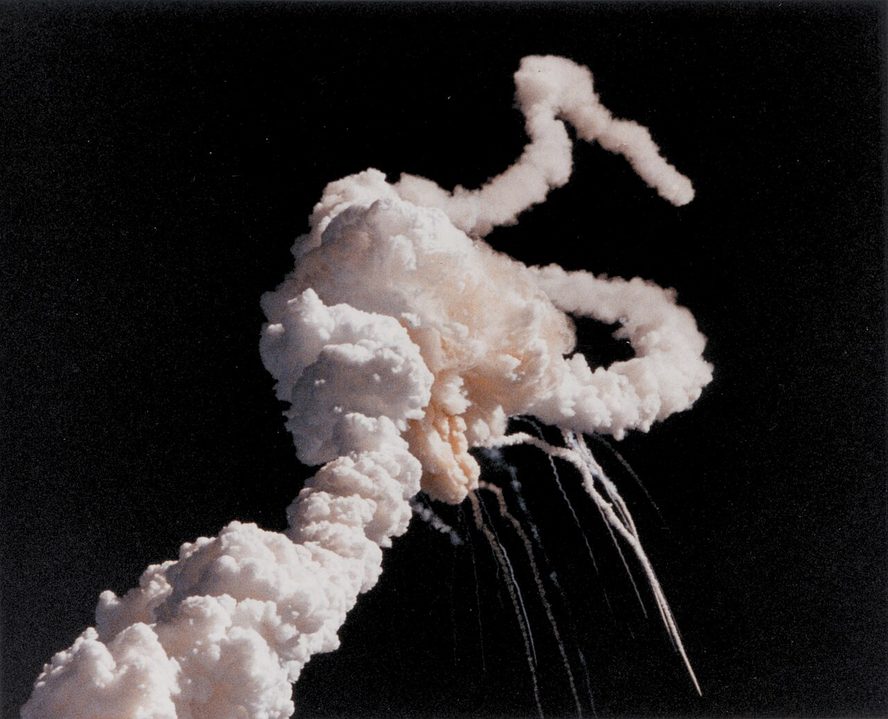
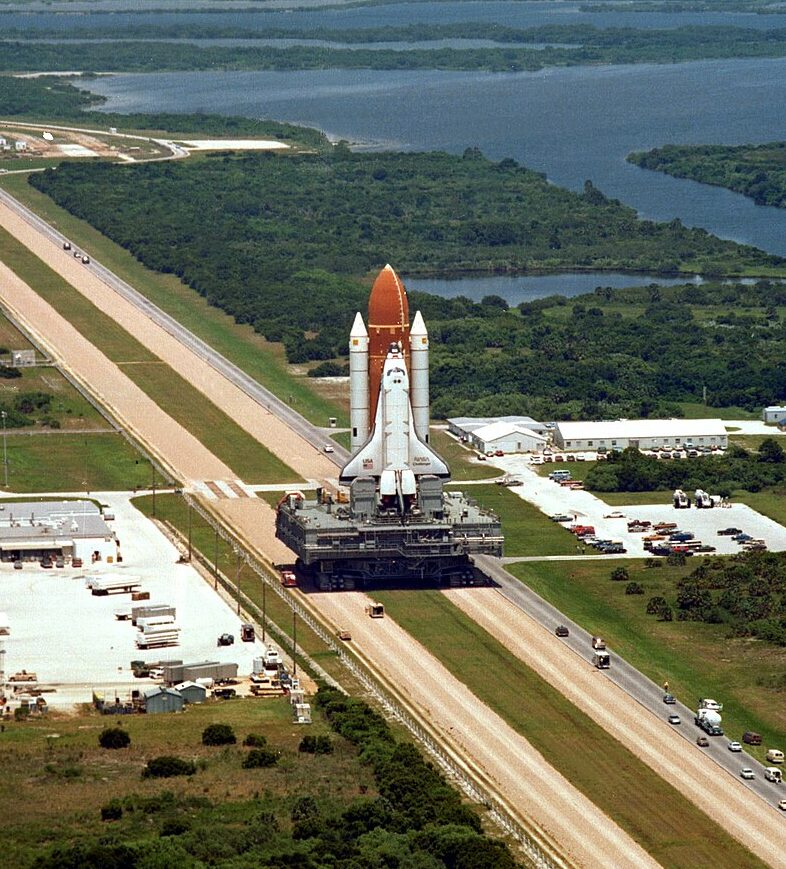
The Space Shuttle Challenger disaster remains one of the most consequential events in the history of human spaceflight. On January 28, 1986, the shuttle launched from Kennedy Space Center in Florida on mission STS-51-L, carrying seven astronauts. The mission was expected to be a highly visible demonstration of NASA’s Space Shuttle program and, for many viewers, a celebration of science, education and exploration.
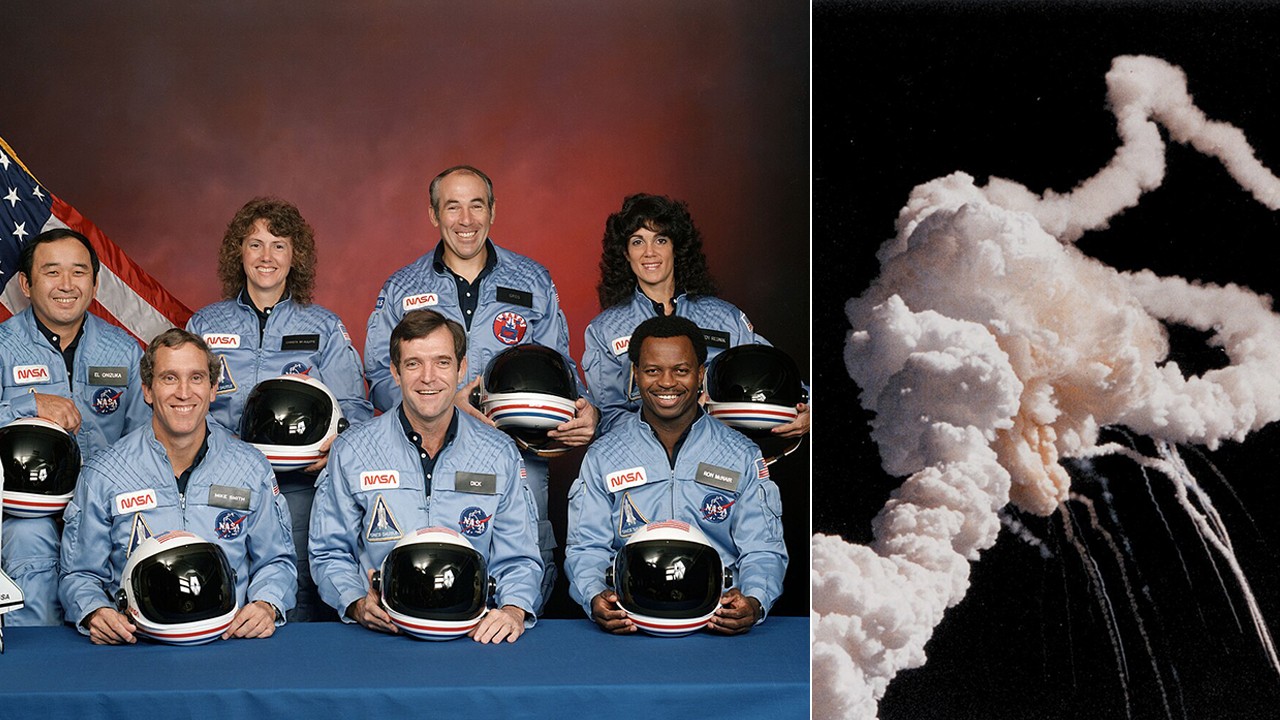
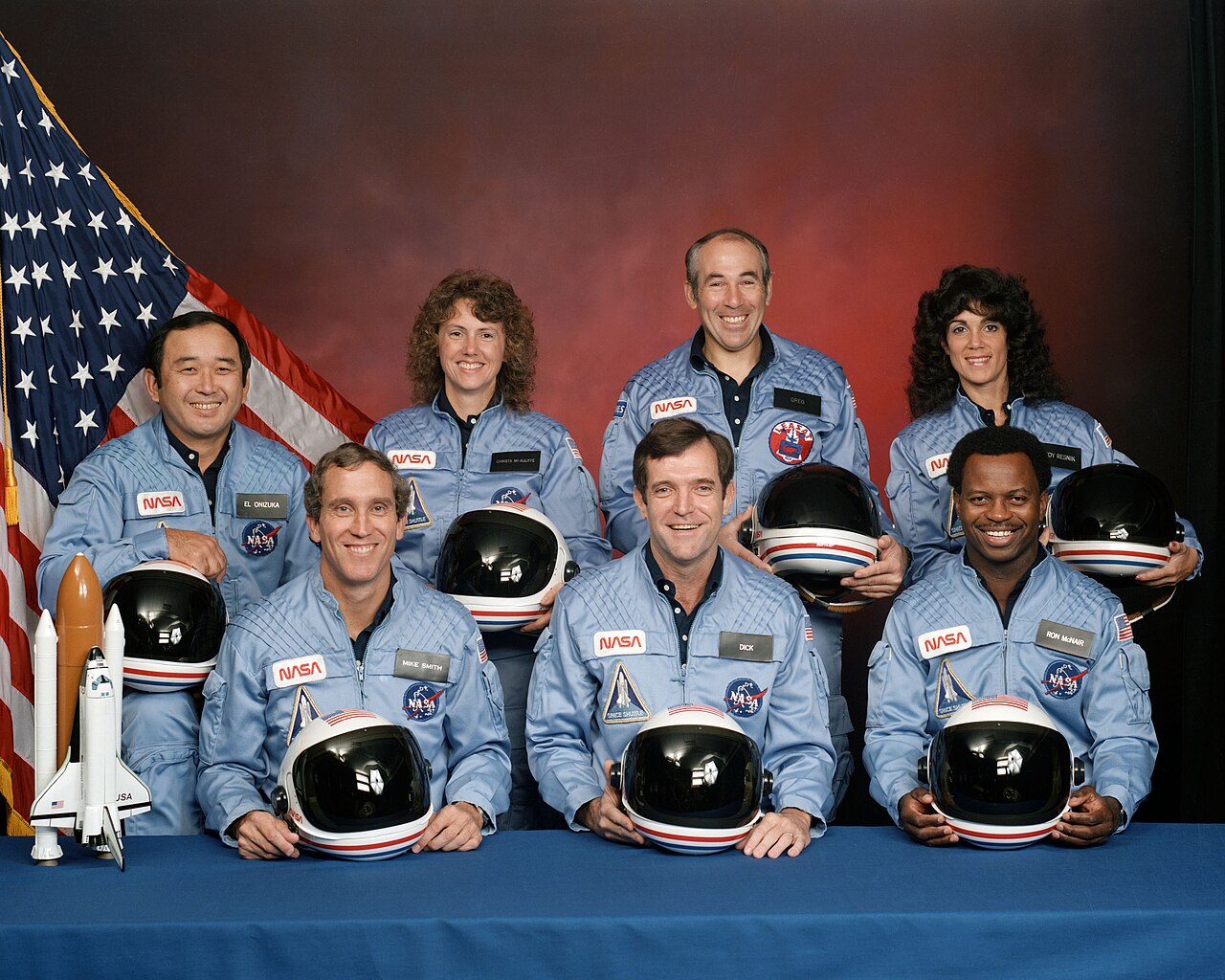
Instead, Challenger was lost 73 seconds after liftoff. All seven crew members died: Commander Francis R. “Dick” Scobee, Pilot Michael J. Smith, mission specialists Judith A. Resnik, Ellison S. Onizuka and Ronald E. McNair, payload specialist Gregory B. Jarvis, and Christa McAuliffe, a New Hampshire teacher selected for NASA’s Teacher in Space Project.
The accident prompted an intensive national investigation, a lengthy suspension of shuttle flights and major changes to NASA engineering, management and safety oversight. Four decades later, Challenger is remembered not only for the loss of its crew, but also for the lessons it provided about technical risk, organizational communication and the responsibility to listen to safety concerns.
Challenger Mission STS-51-L and Its National Importance
STS-51-L was Challenger’s tenth mission and the 25th flight of NASA’s Space Shuttle program. The shuttle was scheduled to deploy a communications satellite and carry out other mission objectives in orbit. Public attention was especially high because McAuliffe was due to become the first participant in the Teacher in Space Project to fly aboard a shuttle.
McAuliffe had been chosen from more than 11,000 applicants. NASA planned for her to conduct lessons from orbit, helping students better understand life and work in space. Her involvement gave the mission an unusually broad public profile, and many schools across the United States watched the launch live or followed it through classroom broadcasts.
The crew also represented the range of expertise involved in the shuttle program. Scobee was an experienced astronaut and former Air Force pilot. Smith was a Navy aviator. Resnik, an engineer, was the second American woman in space. Onizuka was the first Asian American astronaut. McNair was a physicist and the second Black American in space. Jarvis was an engineer assigned as a payload specialist.
Challenger lifted off at 11:38 a.m. Eastern Standard Time from Launch Complex 39B. The first minute of the flight appeared largely routine. The shuttle cleared the launch tower and continued its climb, while controllers in Mission Control monitored its systems and trajectory.
Why Cold Weather Raised Concerns Before Launch
Weather conditions were a major issue before the launch. Central Florida experienced unusually cold temperatures overnight, and ice was present around parts of the launch infrastructure. The temperature at launch was about 36 degrees Fahrenheit, or roughly 2 degrees Celsius, making it the coldest Space Shuttle launch to that point.
The shuttle’s two solid rocket boosters were built in segments. Joints between those segments used rubber seals called O-rings. Their purpose was to prevent extremely hot combustion gases from escaping through gaps in the joints while the boosters operated.
Engineers at Morton Thiokol, the contractor responsible for the solid rocket boosters, had raised questions about O-ring performance in cold conditions before the Challenger launch. Historical flight data indicated that the seals could show erosion or reduced resilience. On the evening before the launch, engineers and managers from Thiokol and NASA discussed whether the launch should proceed.
Several Thiokol engineers initially recommended against launching in the forecast temperatures. However, the final recommendation submitted to NASA supported launch. The later Rogers Commission investigation concluded that the decision-making process did not adequately account for the available evidence and the uncertainty surrounding O-ring behavior in cold weather.
The commission’s findings made clear that the technical issue had not emerged without warning. Concerns had existed, but they were not communicated and resolved effectively through NASA’s management structure. That distinction became central to the investigation’s conclusions.
What Happened 73 Seconds After Liftoff?
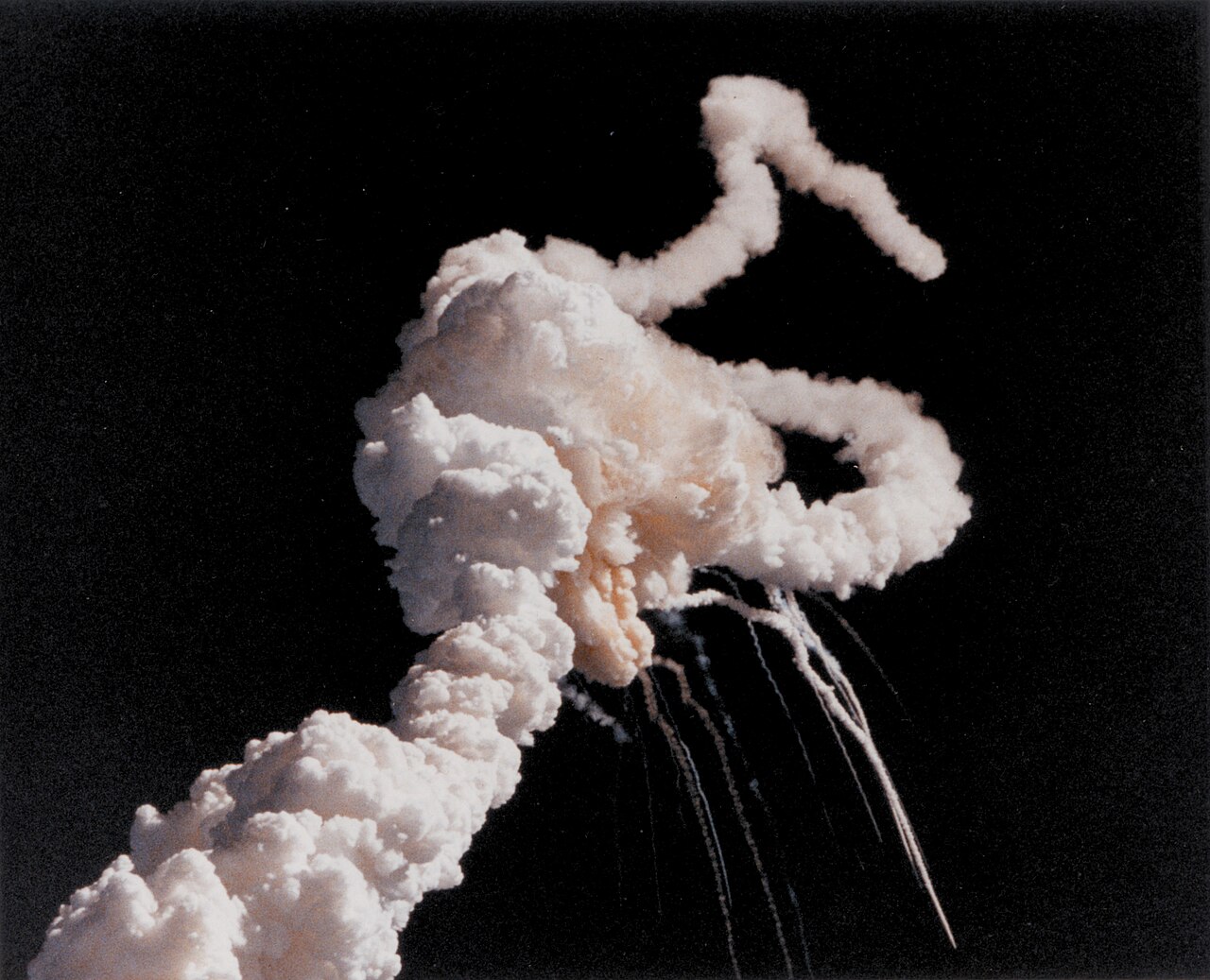
During the early moments of Challenger’s ascent, cold conditions affected the performance of the primary O-rings in the right solid rocket booster’s aft field joint. According to the Rogers Commission, the O-rings did not seal as intended at ignition. Hot gases escaped through the joint and eventually created a flame that reached the shuttle’s external tank.
The external tank held the liquid hydrogen and liquid oxygen used by the shuttle’s main engines. At approximately 73 seconds after liftoff, the developing failure led to a rapid structural breakup of the vehicle. Challenger was traveling at high altitude and speed, and the event unfolded in seconds.
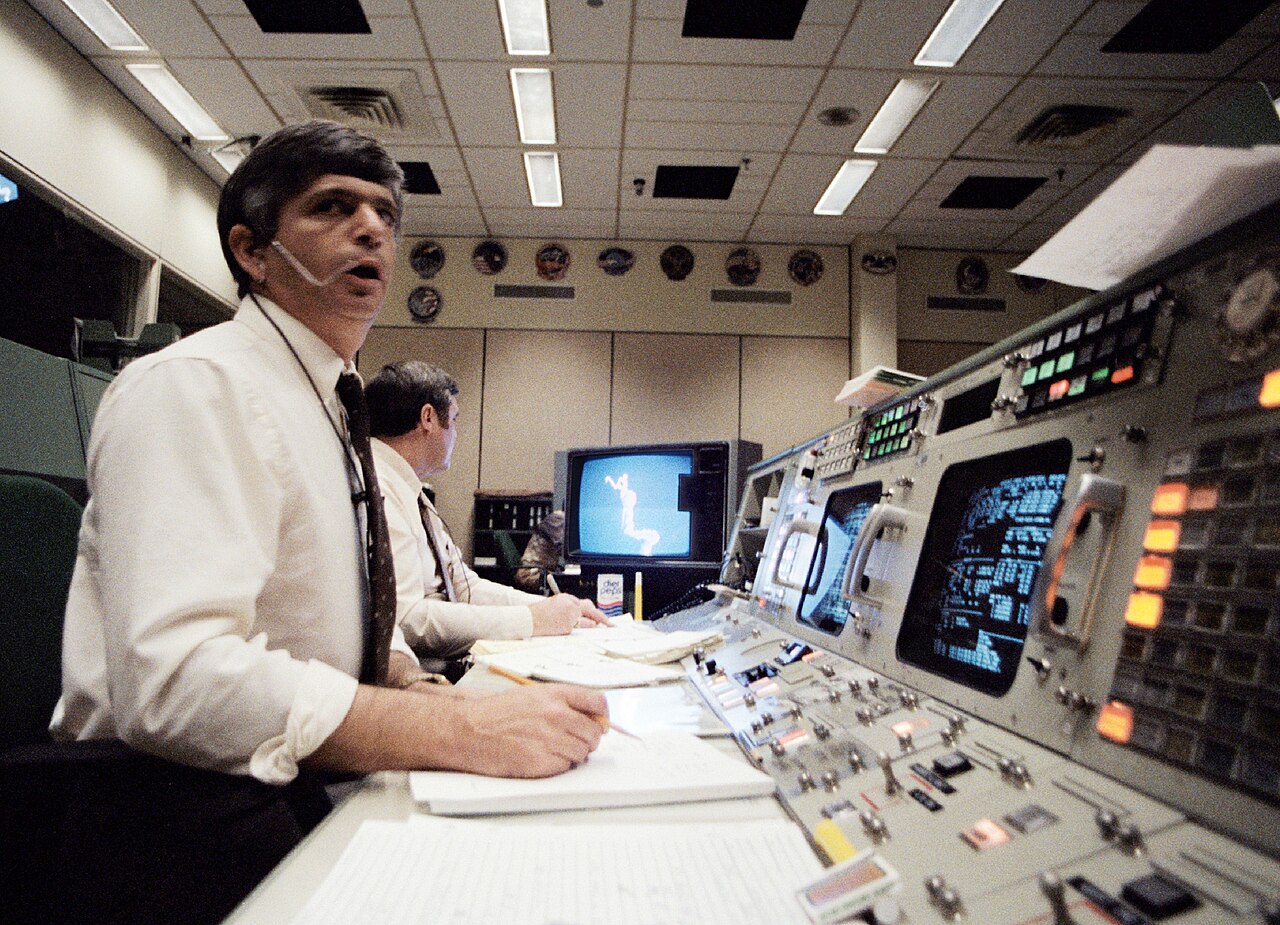
NASA’s official records and launch transcripts document the confusion in Mission Control as controllers recognized that telemetry and communications had been lost. Flight Director Jay Greene described the event as an “obvious major malfunction,” a phrase often associated with the immediate response in the control room.
The final routine communication from the crew came shortly before the loss of the vehicle. Pilot Michael Smith responded, “Roger, go at throttle up,” acknowledging a message related to the shuttle’s engine power setting. NASA’s recorded communications also include a brief transmission attributed to Smith shortly afterward. Investigators were able to reconstruct portions of the sequence from available recordings and data, though not every moment could be fully determined.
Why the Solid Rocket Boosters Were Destroyed
After Challenger’s breakup, the two solid rocket boosters continued flying separately for a short period. Because they still contained propellant and could pose a hazard if they traveled beyond the controlled range area, the U.S. Air Force Range Safety Officer took action under established safety procedures.
The officer sent commands to arm and then destroy the boosters. This decision was intended to reduce risk to people and property on the ground and at sea. It was separate from the failure that caused the loss of Challenger and its crew.
At the same time, NASA began its contingency response. The immediate priority shifted from conducting a mission to preserving data, tracking debris and coordinating search and recovery operations. The event also required NASA to communicate with the astronauts’ families, government officials, employees and a public that had watched the launch with hope only moments earlier.
The Rogers Commission Investigation
President Ronald Reagan established the Presidential Commission on the Space Shuttle Challenger Accident, commonly known as the Rogers Commission after its chairman, former Secretary of State William P. Rogers. The commission included scientists, engineers, military leaders and public figures. Among its members were physicist Richard Feynman, astronaut Neil Armstrong and former test pilot Chuck Yeager.
The commission identified the failure of the O-rings in the right solid rocket booster as the immediate physical cause of the accident. It found that cold temperatures had contributed to the seals’ inability to function as intended. The investigation also concluded that NASA and Morton Thiokol had known about potentially serious O-ring concerns but had not treated them with sufficient urgency.
Feynman drew widespread attention during a public hearing when he demonstrated the effect of cold conditions on O-ring material by placing a sample in ice water and showing its reduced resilience. While the demonstration did not replace the commission’s detailed engineering analysis, it helped explain a complex technical concern in understandable terms.
The commission went beyond identifying a component failure. Its report criticized NASA’s decision-making and communication practices, including what it described as weaknesses in the process for raising and evaluating engineering concerns. It also noted pressure associated with schedule expectations and the shuttle program’s ambitious flight plans.
In one of its most lasting observations, the commission emphasized that safety must take precedence over schedule, public expectations or institutional confidence. The report became an important reference point not only for NASA, but also for other organizations managing high-risk technologies.
Changes to NASA After the Challenger Disaster
NASA suspended Space Shuttle flights for more than two years after Challenger. During that period, the agency redesigned the solid rocket booster joints, including changes to the O-ring system and joint configuration. The redesign aimed to create a more reliable seal and reduce the possibility of gas escaping under varying launch conditions.
The agency also changed its launch readiness procedures and strengthened engineering review processes. NASA created the Office of Safety, Reliability and Quality Assurance to provide greater institutional attention to safety matters. These measures were intended to ensure that concerns from engineers could be heard and considered at higher levels before critical decisions were made.
Space Shuttle flights resumed with the launch of Discovery on mission STS-26 in September 1988. The program continued for more than two decades, ultimately ending in 2011. The legacy of Challenger remained relevant throughout that period, particularly when NASA evaluated technical risks and organizational safeguards.
The disaster also influenced the broader aerospace community. It reinforced the importance of independent safety review, transparent reporting systems and a workplace culture in which employees can raise concerns without fear that schedule pressure will override engineering judgment. Similar themes were revisited after later accidents, including the loss of Space Shuttle Columbia in 2003.
Remembering the Seven Challenger Astronauts
Challenger’s crew is commemorated through schools, scholarships, museums, memorials and educational programs across the United States. The Challenger Center, founded by families of the crew, has supported hands-on science education for students through space-themed learning experiences.
McAuliffe’s role continues to resonate with educators because the Teacher in Space Project connected space exploration with everyday classrooms. Resnik, Onizuka, McNair, Scobee, Smith and Jarvis are likewise remembered for their professional achievements and their contributions to the American space program.
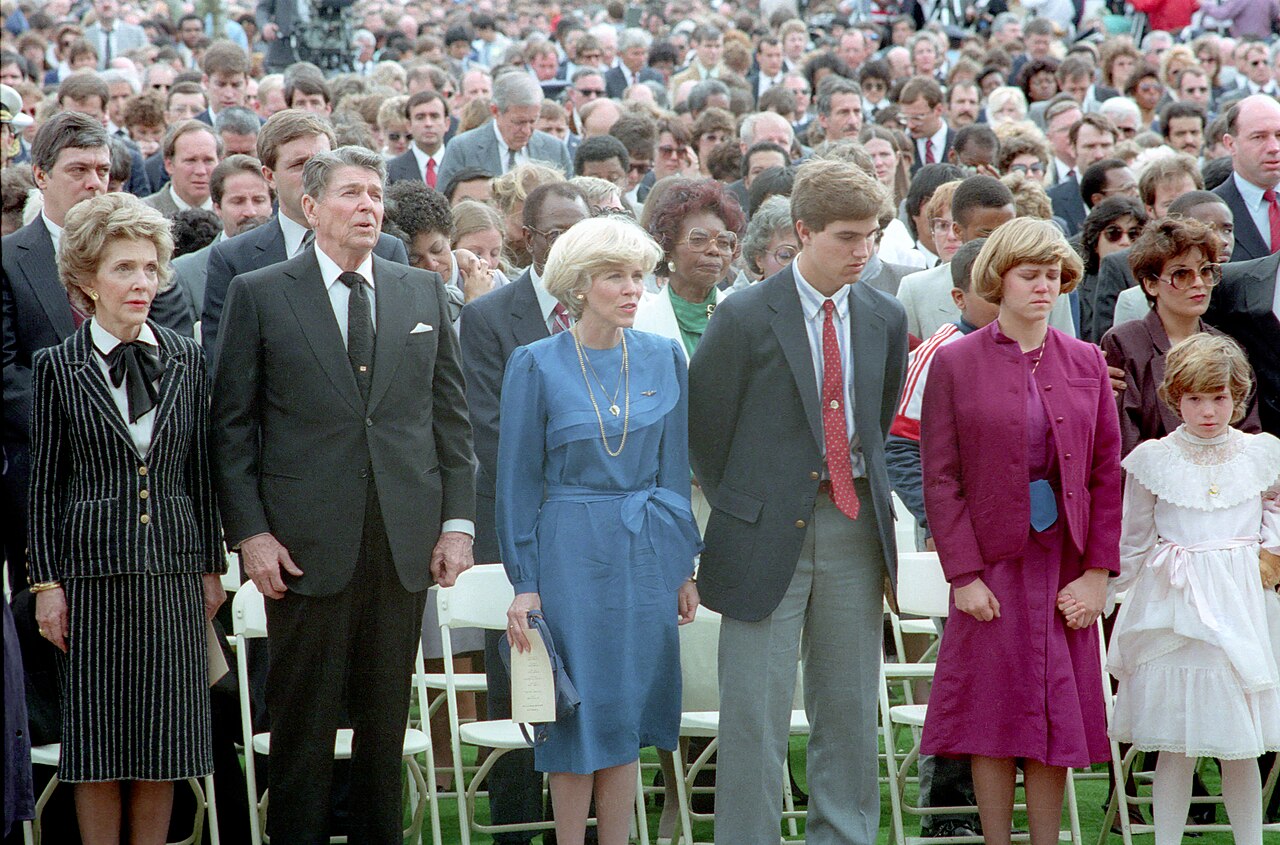
NASA annually observes a Day of Remembrance for astronauts who died in the pursuit of space exploration, including the Challenger crew, the Apollo 1 crew and the Columbia crew. The observance reflects both the achievements of those individuals and the continuing obligation to pursue exploration responsibly.
The Enduring Legacy of the Challenger Disaster
The Challenger disaster changed the way NASA, government agencies and many private organizations discuss risk. Its central lesson is not that complex systems can ever be made entirely free of danger. Rather, it is that organizations must recognize uncertainty, respond seriously to warning signs and give technical experts meaningful opportunities to raise concerns.
For people who watched the launch in 1986, Challenger remains a defining moment in the public history of spaceflight. For engineers, educators and policymakers, it remains a case study in safety culture and accountability. For the families, colleagues and communities connected to the seven astronauts, it is also a lasting reminder of lives dedicated to discovery, service and education.
NASA’s subsequent work in human spaceflight has been shaped by the findings of the Rogers Commission and by the memory of the Challenger crew. As new missions return astronauts to the Moon and prepare for future exploration beyond Earth, the agency’s history continues to underscore a fundamental principle: in human spaceflight, safety must always remain the highest priority.
Sources
Disclaimer: This content is intended for entertainment purposes only and is not based on real events.