Ginger: Benefits, Safety, and Considerations for People at Risk of Bleeding
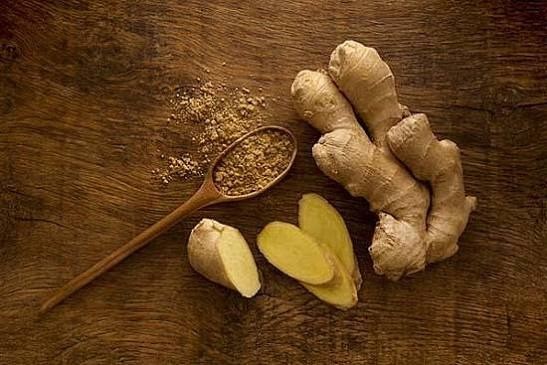
Ginger is one of the world’s most widely used culinary spices and traditional remedies. The underground stem of the plant, Zingiber officinale, is used fresh, dried, powdered, candied, or brewed into tea. It adds a warm, distinctive flavor to food, but it is also commonly consumed for nausea, digestive discomfort, cold-related symptoms, and general wellness.
For many people, ginger used in ordinary food and drink amounts is well tolerated. Research suggests that some ginger preparations may help reduce nausea in specific situations, including pregnancy-related nausea and nausea after certain medical treatments, although people should discuss supplements with a clinician before using them. Ginger may also have anti-inflammatory and antioxidant properties, but these effects do not mean it is a replacement for prescribed medical care.
Like many herbs and supplements, ginger is not automatically suitable for every person in every form or amount. The greatest caution is generally appropriate for people who have a bleeding disorder, take medicines that affect blood clotting, are preparing for surgery, or have been advised by a healthcare professional to avoid supplements. The available evidence on ginger and bleeding is not conclusive in all settings, but laboratory findings, case reports, and the potential for herb-drug interactions support a cautious approach—especially with concentrated capsules, extracts, powders, and high-dose products.
Why Ginger Is Popular for Health and Wellness
Ginger contains naturally occurring compounds called gingerols and shogaols. These compounds have been studied for potential effects on inflammation, digestion, and nausea. Ginger’s best-supported use is helping with some forms of nausea. For example, several studies have examined ginger for nausea and vomiting during pregnancy, though the right approach can differ depending on a person’s medical history, pregnancy status, and medications.
Many people also drink ginger tea when they have an upset stomach, mild indigestion, or a respiratory infection. Warm fluids can be soothing, and ginger may contribute a pleasant flavor and a warming sensation. However, it is important to distinguish between symptom comfort and treatment of an underlying illness. Persistent vomiting, severe abdominal pain, chest pain, unexplained weight loss, or signs of dehydration require medical assessment rather than self-treatment with herbal products.
Ginger is commonly described online as a remedy for inflammation, circulation, immunity, and “detoxification.” Such broad claims can be misleading. A balanced diet, regular physical activity, adequate sleep, vaccination where appropriate, and evidence-based medical care remain the foundations of long-term health. Ginger can be part of a healthy eating pattern, but it should not be viewed as a cure for chronic disease or a substitute for medication.
Ginger and Blood Clotting: What Is Known
Blood clotting is a normal and essential process that helps the body stop bleeding after an injury. In some circumstances, however, people need medicines that reduce clot formation. Anticoagulants and antiplatelet drugs are prescribed to lower the risk of serious conditions such as stroke, heart attack, or harmful blood clots. These medicines must be managed carefully because too much reduction in clotting can raise the chance of bleeding.
Ginger has been studied for possible effects on platelet activity, which is part of the body’s clotting process. Some laboratory and small clinical studies have suggested that certain ginger constituents may influence platelet aggregation. However, findings are mixed, and the clinical importance of ginger consumed in normal dietary amounts is not fully established. This uncertainty is one reason medical organizations and drug-information resources commonly advise people taking blood-thinning medicines to discuss herbal supplements with their healthcare team.
The level of concern may depend on the form and amount of ginger consumed. A small quantity of fresh ginger used in a meal is different from a concentrated supplement containing a standardized extract. Supplements can provide amounts that are much higher than typical culinary use, and product strength may vary between brands. Herbal supplements are also regulated differently from prescription medicines in many countries, so quality, purity, and labeling can vary.

Who Should Be Especially Cautious With Ginger?
People with diagnosed bleeding disorders should seek individualized advice before taking ginger supplements or regularly consuming large amounts of ginger. Bleeding disorders can affect clotting factors, platelets, or blood vessels. Examples include hemophilia and von Willebrand disease. People with these conditions may already have an increased tendency to bruise or bleed, and their treatment plans are often carefully tailored by specialists.
Extra caution is also appropriate for people who take anticoagulant or antiplatelet medicines. These may include warfarin, apixaban, rivaroxaban, dabigatran, edoxaban, heparin, aspirin, clopidogrel, ticagrelor, and prasugrel. Not every medication has the same interaction profile, and not every person will react in the same way. That is why a pharmacist, prescribing clinician, or hematology specialist is the best source of advice for an individual situation.
People who use nonsteroidal anti-inflammatory drugs, often called NSAIDs, may also need to ask about supplement use. Common examples include ibuprofen and naproxen. These medicines can affect bleeding risk, particularly when taken regularly or alongside other medicines that alter clotting. Combining several products without professional guidance can make it more difficult to assess overall risk.
Anyone scheduled for surgery, dental procedures, or invasive medical testing should tell their care team about all medicines, vitamins, teas, and supplements they use. Surgical teams may advise patients to stop certain supplements ahead of a procedure. The appropriate timing varies by the type of operation, the person’s health, and their prescribed medication plan. Patients should never stop prescribed anticoagulant or antiplatelet therapy on their own, because abruptly stopping these medicines can create serious health risks.
Food Amounts Compared With Ginger Supplements
One practical distinction is between culinary ginger and medicinal-style supplementation. Ginger in a stir-fry, soup, baked dish, or occasional cup of tea is generally consumed in modest quantities. For most healthy adults, this type of use is unlikely to cause problems. Even so, people with complex medical histories should ask their clinician what is appropriate for them.
Ginger capsules, extracts, concentrated shots, powders, and herbal blends deserve more attention. These products may contain larger doses, may be taken daily, and may be combined with other ingredients such as turmeric, garlic, ginkgo, fish oil, or vitamins. Some of these ingredients have also been investigated for possible effects on clotting or interactions with medicines. A product marketed as “natural” is not necessarily risk-free, particularly when it is concentrated or used with prescription drugs.
Before starting a supplement, it is helpful to bring the container or a photograph of the full ingredient label to a pharmacist or healthcare appointment. This allows the professional to check the dose, identify mixtures that may be relevant, and compare the product with the person’s current medication list.

Possible Side Effects of Ginger
Ginger can cause mild side effects in some people, particularly when taken in larger amounts. These may include heartburn, stomach upset, diarrhea, mouth or throat irritation, and belching. People with gastroesophageal reflux disease, also known as GERD, may find that ginger worsens heartburn or digestive discomfort, although individual responses vary.
Allergic reactions to ginger are uncommon but possible. A person should stop using a product and seek medical care if they develop symptoms consistent with a serious allergic reaction, such as difficulty breathing, swelling of the face or throat, widespread hives, or faintness. These symptoms can have many causes but should always be treated urgently.
People taking medicines for diabetes or blood pressure may also want professional advice before using high-dose ginger supplements. Some research has explored whether ginger may influence blood sugar or blood pressure, but the evidence is not sufficient to support changing treatment based on ginger use. Monitoring and medication adjustments should only be directed by a qualified clinician.
Warning Signs That Need Medical Attention
People using anticoagulants, antiplatelet medicines, or supplements should know the signs of potential bleeding and contact a healthcare professional promptly if they occur. Possible warning signs include unusual or frequent bruising, repeated nosebleeds, bleeding gums without a clear cause, prolonged bleeding from small cuts, blood in urine, black or bloody stools, vomiting blood, or unusually heavy menstrual bleeding.
Emergency care is needed for severe or uncontrolled bleeding, sudden weakness, fainting, confusion, severe headache, trouble speaking, chest pain, or difficulty breathing. These symptoms are not specific to ginger and may indicate a medical emergency. It is important not to assume that an herbal product is the only explanation or to delay professional care.
How to Use Ginger More Safely
For people who do not have a bleeding disorder and are not taking medicines that affect clotting, using ginger as a flavoring in meals is generally a reasonable option. Moderation is sensible, particularly for people who experience heartburn or stomach irritation. A varied diet containing fruits, vegetables, whole grains, legumes, protein foods, and healthy fats provides more reliable nutritional benefits than relying heavily on any single ingredient.
For people who take prescription medication, the safest strategy is transparency. Keep an updated list of all prescription medicines, over-the-counter products, vitamins, teas, and supplements. Share this list with doctors, pharmacists, dentists, and surgeons. This simple habit can help identify possible interactions before they become a problem.
It is also wise to avoid making medication changes based on health claims seen on social media or supplement advertising. Claims that a product “cleans the blood,” “replaces blood thinners,” or prevents major disease without medical oversight are not reliable. Blood-thinning medicines are prescribed for specific clinical reasons, and their benefits and risks should be reviewed with the clinician who manages the treatment.
Safer Ways to Support Overall Health
There is no single food that guarantees healthy circulation or prevents disease. For most people, practical lifestyle measures have the strongest evidence for supporting cardiovascular and general health. These include not smoking, being physically active within one’s abilities, maintaining a balanced diet, managing stress, sleeping adequately, and attending recommended medical appointments.
Foods rich in omega-3 fatty acids, such as salmon, sardines, walnuts, chia seeds, and flaxseed, can fit into a balanced diet. However, people who take blood-thinning medicines should still discuss high-dose fish oil supplements with a clinician. Similarly, herbal teas such as chamomile may be comforting for some people, but supplements and herbal products can still have interactions or allergies. “Gentle” does not always mean appropriate for every medical condition.
The key message is not that ginger must be avoided by everyone. Rather, ginger should be used with informed caution when there is a known bleeding risk, a relevant medication, or an upcoming procedure. Personalized advice is especially important because the balance of risks and benefits can differ greatly from one person to another.
Conclusion
Ginger remains a popular spice and a useful ingredient in many diets. It may help with certain types of nausea and can be enjoyed in food by many healthy people. Yet its potential effects on platelet function and its possible interaction with anticoagulant or antiplatelet medicines mean that people with bleeding disorders or medication-related bleeding risks should be careful with ginger supplements and high-dose products.
Discussing ginger use with a doctor or pharmacist is the most reliable way to make a safe decision. This is particularly important for anyone taking blood-thinning medication, preparing for surgery, managing a chronic illness, or experiencing unexplained bleeding or bruising. In health decisions, accurate information and individualized medical guidance are more valuable than broad claims about any natural remedy.
Sources
Disclaimer: This content is intended for entertainment purposes only and is not based on real events.