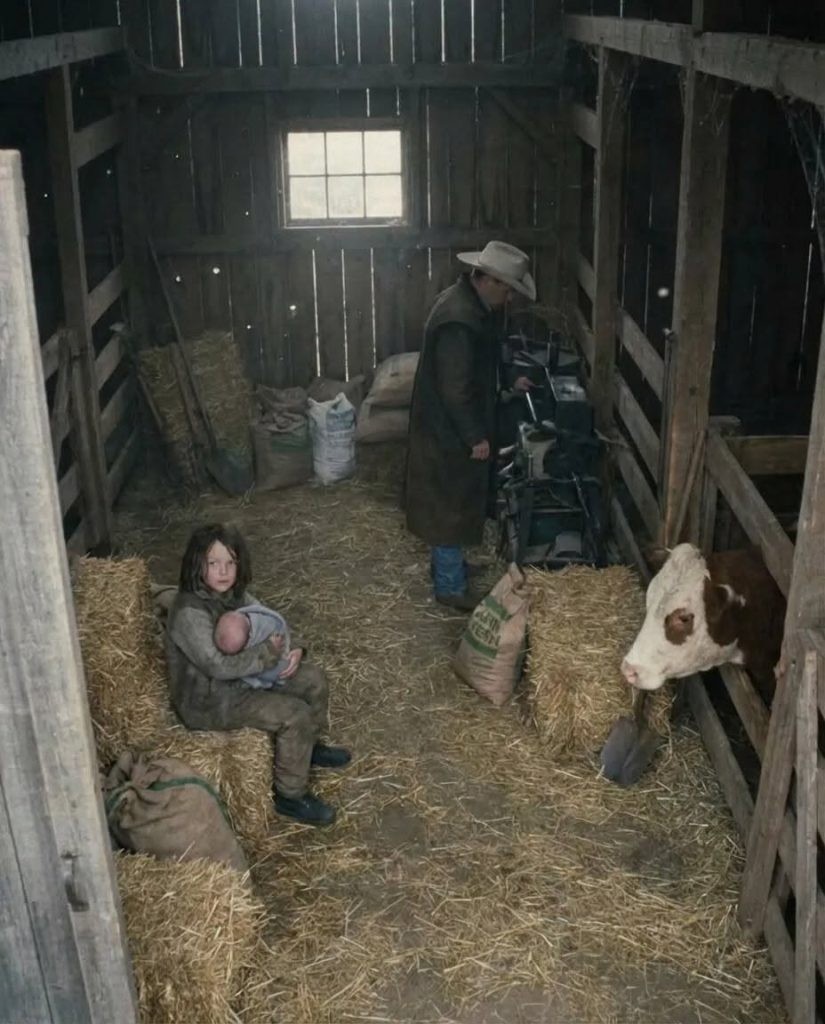
Texas Ranch Story Highlights the Importance of Child Safety and Reporting Concerns
A story about a ranch owner in Texas encountering a young girl seeking milk for her baby brother presents a deeply concerning scenario involving child safety, possible abandonment, and urgent welfare needs. While the specific account provided does not identify a location, date, people involved, or independently verifiable reporting, its central theme reflects a serious real-world issue: children who may be left without adequate adult care need immediate support from trained professionals and responsible community members.
When a child appears hungry, exhausted, unsupervised, frightened, injured, or responsible for the care of a younger sibling, the priority should be safety. Adults who encounter such circumstances should avoid making assumptions, provide only safe and appropriate immediate assistance, and contact emergency services or child welfare authorities as soon as possible. In the United States, local law enforcement, 911 dispatchers, child protective services, medical professionals, and organizations such as the Childhelp National Child Abuse Hotline can help direct a response.
Why Child Welfare Concerns Require Immediate Attention
Children depend on adults for food, shelter, medical attention, supervision, and emotional security. When those needs are not being met, the effects can be immediate and potentially serious. Infants, in particular, require frequent feeding, safe sleep arrangements, clean diapers, monitoring, and timely medical care. Young children may not be able to clearly explain where they live, whether they are safe, or how long they have been without help.
A child who approaches an adult asking for food, water, medicine, or help for a sibling may be signaling an urgent problem. The child may be separated from a caregiver, lost, experiencing homelessness, or living in a situation where supervision is inadequate. The appropriate response is not to investigate alone or attempt to resolve every issue privately. Instead, the adult should focus on creating a safe environment while contacting qualified responders.
Public health and child welfare experts consistently emphasize that early intervention matters. Prompt assistance can connect families with food, health care, housing support, counseling, and other services. In cases where a child faces immediate danger, emergency professionals can assess the situation and ensure the child receives protection and medical evaluation.
Responding Safely When a Child Asks for Help
If an adult encounters a child who seems to be alone or in distress, the first step is to remain calm. A frightened child may be reluctant to speak, may not know important details, or may worry about getting into trouble. Speaking gently, using simple questions, and reassuring the child that help is available can make a meaningful difference.
In an immediate emergency, people in the United States should call 911. Situations that may require urgent action include a child who is alone near traffic or hazards, a child who reports being unable to find a caregiver, an infant who appears unwell, or any indication that a child lacks food, shelter, or needed medical attention.
While waiting for emergency responders, adults should stay with the child if it is safe to do so. They should avoid moving the child unnecessarily, especially if there may be an injury or health concern. If a child is hungry or thirsty, it may be reasonable to provide age-appropriate food or water when safe, but infants have specific feeding needs. A baby should not be given unsuitable foods, and people should seek guidance from medical professionals if they are unsure.
Adults should also avoid questioning a child repeatedly or pressuring them to recount distressing events. It is generally better to listen carefully, note what the child says in their own words, and allow trained authorities to conduct a formal assessment. Remaining nonjudgmental is important: children may be unable to explain their circumstances, and families facing hardship may need support as well as investigation.
The Special Needs of Infants and Young Children
Infants are especially vulnerable because they cannot communicate their needs and may become ill quickly if they are not fed or hydrated appropriately. The American Academy of Pediatrics and other health authorities advise caregivers to follow safe feeding practices based on a baby’s age and health needs. Breast milk or properly prepared infant formula is generally appropriate for infants, while cow’s milk is not recommended as a main drink for children younger than 12 months.
A baby who is unusually sleepy, difficult to wake, unable to feed, breathing abnormally, or producing fewer wet diapers than expected may need urgent medical care. These signs do not establish a specific diagnosis, but they should never be ignored. Emergency clinicians and pediatric professionals are best equipped to evaluate a baby’s condition, including possible dehydration, nutritional needs, infection, or other concerns.
Safe sleep is another essential issue. The Centers for Disease Control and Prevention notes that babies should be placed on their backs to sleep on a firm, flat surface designed for infants, without loose blankets, pillows, or soft objects. In any uncertain situation involving an infant, a medical assessment can help ensure that feeding, sleep, growth, and developmental needs are addressed.
How Child Protective Services and Law Enforcement Can Help
Child protective services, often called CPS, exists to assess reports that a child may be experiencing abuse, neglect, abandonment, or unsafe supervision. Procedures vary by state, but agencies generally review available information, determine whether there is immediate risk, and coordinate with law enforcement or medical professionals when necessary.
A report to child welfare authorities is not a final judgment about a family. It is a request for trained professionals to assess whether a child is safe and whether caregivers need services or intervention. Many families experiencing crisis may be dealing with poverty, housing instability, illness, addiction, domestic conflict, limited child care, or a lack of support networks. These challenges do not excuse harm to children, but understanding the broader circumstances can help agencies connect families with appropriate resources.
In Texas, the Department of Family and Protective Services provides information about reporting suspected child abuse or neglect. Anyone who believes a child is in immediate danger should contact 911. For non-emergency concerns, Texas residents can contact the state’s abuse hotline or make a report through official channels. Other states maintain their own reporting systems, and local police departments can provide direction when someone is unsure whom to call.
The Importance of Medical Evaluation After a Safety Concern
When children are found in potentially unsafe conditions, a medical examination is often an important part of the response. A pediatrician, emergency department team, or qualified health professional can check for hunger, dehydration, illness, developmental concerns, injuries, and emotional distress. Medical staff may also document findings that could help child welfare agencies understand what support is needed.
For an older child who has been caring for a younger sibling, professionals may assess both physical and emotional wellbeing. Children who take on adult responsibilities can experience anxiety, fatigue, sleep disruption, and fear. They may also feel protective of their sibling or worry that seeking help will separate the family. Trauma-informed care aims to reduce fear, explain what is happening in age-appropriate language, and keep the child’s wellbeing at the center of every decision.
Health care providers can also connect children and caregivers to follow-up services, including pediatric care, nutrition programs, mental health support, social workers, and community organizations. A single emergency response may address immediate danger, but long-term stability often depends on continued practical and emotional support.
Community Members Can Make a Difference
Stories involving vulnerable children can prompt strong emotions, especially when they describe a young sibling trying to care for a baby. Compassion is valuable, but effective action is equally important. Community members should know how to recognize warning signs and how to report concerns responsibly.
Possible warning signs include children regularly left without age-appropriate supervision, repeated hunger, inadequate clothing for weather conditions, untreated medical needs, frequent school absences, unsafe living conditions, or a child expressing fear about going home. None of these signs alone proves neglect or abuse. However, a pattern of concerns should be taken seriously and shared with professionals who can evaluate the situation.
Teachers, health care workers, child care staff, and many other professionals may have mandatory reporting duties under state law. But every adult can play a constructive role by reporting credible concerns, offering respectful support, and avoiding the spread of unverified claims online. Sharing identifying details, photographs, or speculation about children can compromise privacy and interfere with official investigations.
Supporting Families Before Crisis Occurs
Child safety is strengthened when families have access to stable housing, affordable child care, food assistance, health insurance, mental health care, and supportive relationships. Programs such as the Special Supplemental Nutrition Program for Women, Infants, and Children, commonly known as WIC, can help eligible families obtain nutritious foods, feeding support, and referrals to health services. Local food banks, family resource centers, schools, faith-based groups, and community health clinics may also offer practical assistance.
Parents and caregivers who feel overwhelmed should seek help early. Asking a trusted family member, pediatrician, school counselor, social worker, or local support organization for assistance can prevent a difficult situation from becoming an emergency. Communities are strongest when seeking help is treated as a responsible step rather than a source of shame.
Responsible Discussion of Unverified Child Safety Stories
Accounts involving children should be handled carefully, particularly when they lack confirmed details or reporting from reliable news organizations and public agencies. Emotional narratives can spread quickly online, but readers should look for verification from established outlets, official statements, or reputable child welfare organizations before treating a specific event as confirmed fact.
Even when the details of an individual story cannot be verified, the underlying lesson remains clear: children who appear alone, hungry, unwell, or unsafe deserve prompt, compassionate, professional help. Calling the appropriate authorities, seeking medical care when needed, and protecting a child’s privacy are practical actions that can make a meaningful difference.
Sources
- Centers for Disease Control and Prevention: Child Abuse and Neglect Prevention
- Centers for Disease Control and Prevention: Infant Feeding Guidance
- American Academy of Pediatrics: When Babies Can Start Drinking Milk
- Texas Department of Family and Protective Services: Reporting Child Abuse or Neglect
- Childhelp National Child Abuse Hotline
- U.S. Department of Agriculture: WIC Program
Disclaimer: This content is intended for entertainment purposes only and is not based on real events.