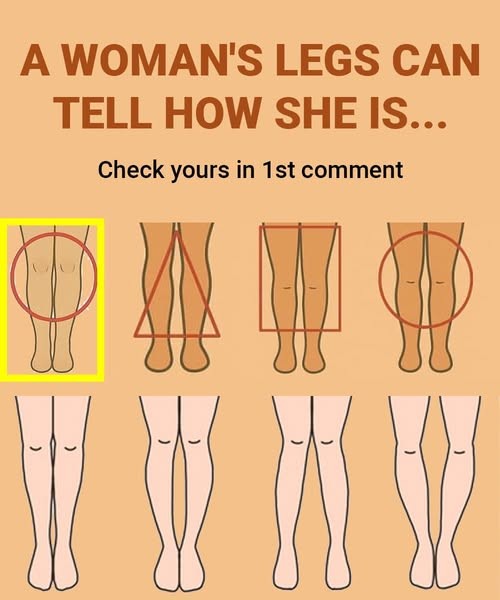
A WOMAN’S LEGS CAN TALK BECAUSE THEY ARE…
Changes in the legs can sometimes provide useful clues about overall health, but they should never be used to diagnose a condition without a qualified medical assessment. Swelling, pain, skin changes, tingling, visible veins, and changes in walking or leg alignment may have many possible explanations. Some are temporary and harmless, while others may need prompt medical attention.
Although this discussion refers to women because hormonal changes, pregnancy, and certain health conditions can affect women’s leg symptoms, the same general warning signs can occur in people of any sex. The most important factor is not the appearance of a person’s legs, but whether a new symptom is persistent, worsening, painful, or accompanied by other health changes.
How Leg Symptoms Can Reflect General Health
The legs contain major blood vessels, nerves, muscles, bones, joints, and lymphatic channels. Because they are far from the heart and often affected by gravity, circulation and fluid-related problems may become noticeable in the lower legs, ankles, and feet. Long periods of sitting or standing, physical activity, weather, medications, pregnancy, age, and underlying medical conditions can all influence how the legs feel and look.
Common symptoms such as tiredness after a long day, mild temporary ankle swelling during hot weather, or muscle soreness after unfamiliar exercise are often not serious. However, symptoms that begin suddenly, affect only one leg, interrupt normal activity, or occur with chest discomfort, shortness of breath, fainting, or a rapid heartbeat require urgent medical evaluation.
Leg Swelling and Fluid Retention

Swelling in the feet, ankles, or lower legs is often called edema. It occurs when excess fluid collects in body tissues. Mild swelling can happen after sitting for a long time, standing for hours, traveling, eating a high-sodium meal, or being exposed to heat. Pregnancy may also contribute to ankle and foot swelling, particularly later in pregnancy.
Persistent or significant edema can have a wider range of causes. These include chronic venous insufficiency, in which leg veins have difficulty returning blood toward the heart; certain heart, kidney, liver, or thyroid conditions; lymphatic problems; and side effects from some medicines. Calcium channel blockers used for blood pressure, anti-inflammatory medicines, hormones, and some diabetes medications are among the drugs that can contribute to swelling in some people.
It is important not to assume that all swelling is caused by diet, hormones, or “poor circulation.” A clinician can assess the pattern of swelling, review medications, examine the skin and pulses, and decide whether blood tests or imaging are needed. Sudden swelling in one leg, especially with pain, warmth, tenderness, or redness, should be assessed urgently because it may indicate a blood clot in a deep vein.
Heavy Legs, Varicose Veins, and Venous Circulation
Some people experience heaviness, aching, itching, or mild swelling in the legs that becomes more noticeable after standing for long periods. These symptoms can occur with varicose veins or chronic venous insufficiency. Varicose veins are enlarged, twisted veins that are commonly seen on the legs. They develop when valves inside veins do not work as efficiently as they should, allowing blood to pool.
Family history, aging, pregnancy, obesity, prolonged standing, and a previous blood clot can increase the likelihood of venous problems. Not every visible vein requires treatment, and many cases are primarily a comfort or cosmetic concern. Still, a medical professional should evaluate symptoms such as skin discoloration around the ankles, recurrent swelling, sores that do not heal, bleeding from a vein, or worsening pain.
Management can include regular movement, avoiding prolonged immobility, maintaining a weight appropriate for the individual, and elevating the legs when resting. Compression stockings may help some people, but they should be chosen with professional guidance, particularly for people with known artery disease, diabetes-related circulation concerns, or nerve damage.
Tingling, Numbness, and Nerve Health

Tingling, burning, reduced sensation, or numbness in the feet and lower legs may be caused by temporary pressure on a nerve, such as sitting in one position for too long. Repeated or persistent symptoms deserve medical attention. Nerve damage, also called peripheral neuropathy, can be associated with diabetes, vitamin B12 deficiency, alcohol misuse, certain medications, autoimmune disorders, kidney disease, and other conditions.
Diabetes is a significant cause of peripheral neuropathy worldwide. Over time, high blood glucose can damage nerves and blood vessels, sometimes reducing feeling in the feet. This is one reason people with diabetes are advised to inspect their feet regularly and seek care for cuts, blisters, swelling, or skin changes that do not improve.
Leg cramps are common and are not always caused by a vitamin or mineral deficiency. They can occur after exercise, dehydration, pregnancy, prolonged inactivity, or certain medications. Frequent cramps may also be associated with some medical conditions. Rather than taking supplements without advice, people with recurring cramps should discuss symptoms, diet, medicines, and health history with a clinician.
Skin Changes on the Legs
The skin on the legs can change for many reasons, including irritation, eczema, infections, injuries, circulation changes, and sun exposure. Dryness, itching, and mild discoloration are common but should not automatically be linked to a serious internal disease.
However, certain changes warrant assessment. Brownish staining near the ankles can occur in chronic venous insufficiency. A non-healing wound, especially on the foot or lower leg, can be a sign of impaired circulation, diabetes-related nerve damage, pressure, or another medical problem. New dark, changing, or irregular skin marks should be checked by a qualified health professional to rule out skin cancer or other conditions.
People should seek immediate help for a leg that becomes pale, blue, unusually cold, severely painful, or suddenly weak. These can be warning signs of a serious circulation problem and should not be managed at home.
Hormonal Changes, Menstrual Cycles, and Pregnancy
Hormonal changes can affect fluid balance and the way the body experiences pain or heaviness. Some women notice temporary bloating or mild ankle swelling before menstruation. This can be related to normal cyclical hormonal changes, though severe or persistent swelling should not simply be attributed to premenstrual symptoms.
During pregnancy, the body produces more blood and fluid, and the growing uterus can place pressure on veins that return blood from the legs. This may contribute to swollen ankles, varicose veins, or leg discomfort. Regular gentle activity, rest breaks, and discussing symptoms with a maternity care team can be helpful.
Pregnancy also increases the risk of deep vein thrombosis, a clot in a deep vein. Urgent assessment is needed for one-sided swelling, pain, tenderness, warmth, or redness in the leg. Shortness of breath, chest pain, coughing blood, or collapse requires emergency care.
Muscle Mass, Strength, and Mobility
Leg strength is important for balance, walking, climbing stairs, and maintaining independence with age. Muscle mass can decline gradually with aging, particularly when physical activity is low, protein intake is inadequate, or chronic illness is present. This does not mean that every change in leg shape signals a medical condition; natural body variation is normal.
Resistance exercise, such as body-weight movements, resistance bands, machines, or supervised strength training, can help maintain muscle strength. The best plan depends on a person’s age, fitness level, joint health, and medical history. Adults are generally encouraged to include muscle-strengthening activity on at least two days each week, alongside regular aerobic movement, according to public health guidance.
Sudden weakness, new difficulty lifting the foot, repeated falls, or rapidly worsening walking problems should be medically evaluated. These symptoms may involve the muscles, nerves, spine, joints, or brain and require professional assessment.
Leg Alignment: Straight Legs, Bowlegs, and Knock Knees
Leg shape varies naturally among individuals. A small gap between the thighs, knees, or ankles does not by itself determine whether someone has healthy bones or joints. Alignment is assessed more accurately by a clinician observing how the hips, knees, ankles, and feet relate while standing and walking, sometimes with imaging if needed.
Normal Variation in Leg Alignment
Many people have legs that appear generally straight when standing, with body weight distributed comfortably through the hips, knees, and feet. Absence of pain, instability, or reduced function is often more meaningful than whether the legs match an idealized appearance.
Bowlegs (Genu Varum)
Genu varum describes an outward bowing appearance in which the knees remain apart when the ankles are together. Bowing is common in infants and young children and often improves naturally as a child grows. In older children or adults, marked or worsening bowing may be associated with bone development disorders, previous injury, or knee osteoarthritis.
An orthopedic clinician may consider factors such as pain, walking pattern, asymmetry, progression, and joint wear. Treatment is individualized. It may include observation, physiotherapy, management of arthritis symptoms, or, in selected cases, braces or surgery. No online image or simple self-test can determine the cause or appropriate treatment.
Knock Knees (Genu Valgum)
Genu valgum, often called knock knees, occurs when the knees angle inward and come close together while the ankles remain apart. It is common during early childhood and frequently resolves as growth continues. In adults, knee alignment can be influenced by bone structure, joint changes, foot mechanics, previous injuries, and body weight.
Persistent knee pain, instability, difficulty walking, or progressively changing alignment should be assessed by a doctor or physiotherapist. Treatment may focus on strengthening, mobility, footwear advice, addressing underlying joint problems, or specialist referral when necessary.
Crossing or Inward Rotation While Walking

A walking pattern in which the legs appear to cross may result from several factors, including hip rotation, muscle weakness, neurological conditions, pain avoidance, or structural alignment differences. It should not be assumed to be caused by “pelvic misalignment” alone. A physiotherapist, orthopedic specialist, or neurologist may be able to assess gait and identify whether treatment is needed.
Practical Ways to Support Leg Health
Healthy leg care is usually based on consistent, evidence-informed habits rather than quick fixes. Walking, swimming, cycling, and other low-impact activities can support cardiovascular fitness and leg muscle function. Breaking up long periods of sitting is particularly useful for people who work at desks or travel frequently.
A balanced eating pattern that includes adequate protein, fruits, vegetables, whole grains, and appropriate hydration supports overall health. Reducing excessive sodium may help people who are sensitive to salt-related fluid retention, but dietary changes should not replace medical assessment for persistent swelling.
Leg elevation can provide comfort for some people with mild dependent swelling. Skin care is also important: keep feet clean and dry, use moisturiser for dry skin where appropriate, and wear well-fitting footwear. People with diabetes, poor circulation, or reduced sensation should ask a healthcare professional for individualized foot-care advice.
When to Seek Medical Care for Leg Symptoms
Make an appointment with a healthcare professional for ongoing swelling, recurring pain, worsening varicose veins, persistent numbness, skin changes, weakness, or changes in walking. Seek urgent or emergency care for sudden one-sided leg swelling, severe pain, redness and warmth, a cold or pale leg, chest pain, shortness of breath, fainting, or sudden weakness.
Legs can offer useful signals about comfort, activity levels, circulation, joints, and nerve function. Still, symptoms must be considered alongside a person’s medical history, medications, lifestyle, and examination findings. A careful clinical assessment is the safest way to distinguish normal variation from a condition that needs treatment.
Sources
Disclaimer: This content is intended for entertainment purposes only and is not based on real events.