Why Are Tiny Metal Balls Showing Up Under Your Kitchen Sink?
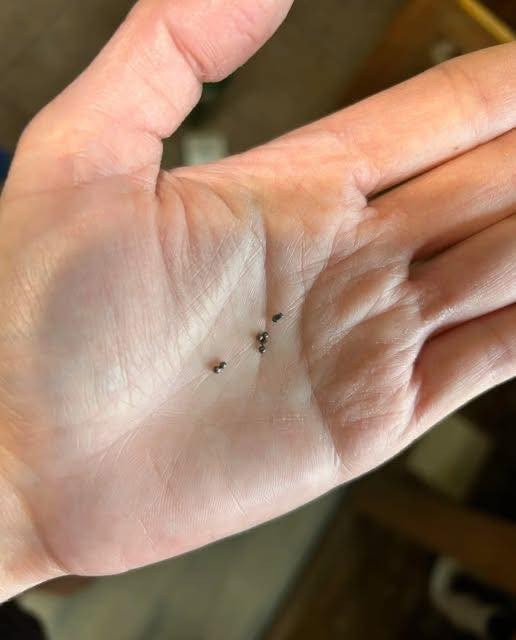
Finding tiny metal balls under a kitchen sink can be confusing, especially when they seem to appear without an obvious source. They may be scattered near plumbing pipes, tucked behind cleaning supplies, or sitting beneath a pull-out faucet hose. Some can look shiny and smooth, while others may be dull, discolored, or lightly rusted.
Although this discovery can be unsettling, small metal balls under a sink do not automatically mean there is a major plumbing emergency. In many cases, they are loose ball bearings or fragments from a mechanical part nearby. The important step is to identify where they came from before replacing parts or assuming the kitchen plumbing is failing.
This guide explains the most likely sources of metal balls beneath a kitchen sink, how pull-out and pull-down faucets work, what to inspect safely, and when it is best to contact a qualified plumber or appliance service professional.
First: Identify What the Metal Balls Look Like
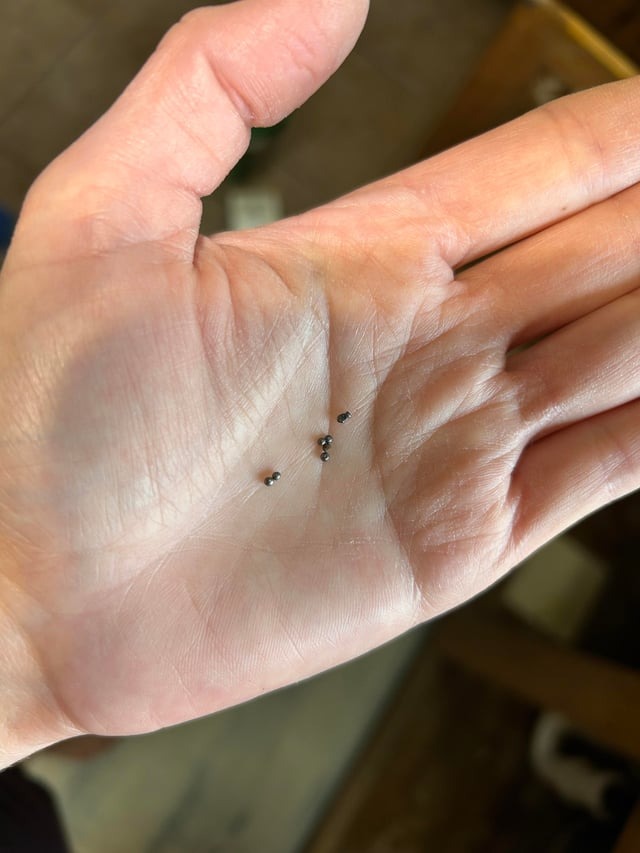
Before inspecting fixtures, take a close look at the objects themselves. Their size, shape, condition, and location can offer useful clues. Small steel balls are commonly used in bearings, rollers, latches, and certain mechanical assemblies. They may be highly polished when new, but can develop corrosion if exposed to moisture under the sink.
Metal balls from a bearing are often very round and consistent in size. If they are irregular, flattened, split, or mixed with broken plastic, they may have come from a damaged component rather than from a complete bearing assembly. If the pieces are magnetic, they may be made from steel, though a magnet test alone cannot determine the exact source.
It is also useful to note where the balls were found. Objects directly below a faucet hose may point to a faucet-related issue. Items near a dishwasher connection, garbage disposal, cabinet drawer, or pull-out waste bin may instead be linked to nearby hardware. Because kitchens contain several moving parts in a compact area, location matters.
Could a Pull-Out Faucet Weight Be the Source?
A pull-out or pull-down kitchen faucet is one possible place to investigate. These faucets use a flexible hose that allows the spray head to extend from the spout. When the spray head is released, a counterweight attached to the hose helps it retract and sit properly in the faucet neck.
However, it is important not to assume that every faucet weight contains loose metal balls. Many faucet manufacturers use a solid metal, cast, or plastic-covered counterweight that clamps around the hose. In these designs, a damaged weight may crack, fall off, or interfere with hose movement, but it would not normally release a collection of small bearings.
Some faucet designs and aftermarket components may have different internal constructions, and products vary by brand, age, and model. Therefore, a faucet weight is worth inspecting, particularly if the spray head no longer retracts smoothly, but it should be treated as one possible explanation rather than a certainty.
How Pull-Out Faucet Systems Work
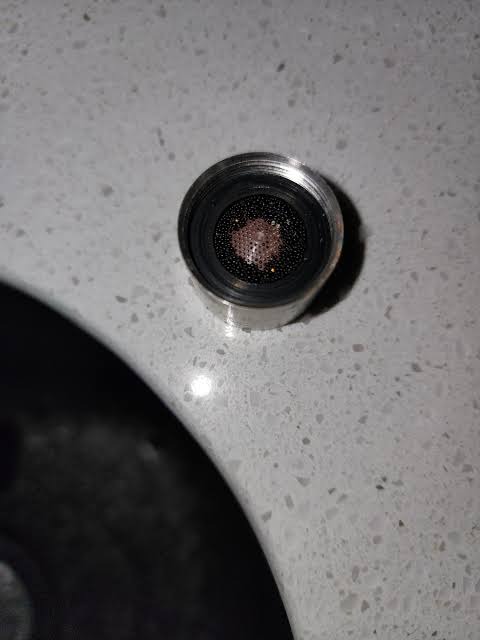
Most modern pull-out and pull-down kitchen faucets use a hose-and-weight system. The spray head connects to a hose beneath the sink, and the hose passes through the faucet body. A weight is fixed at a specified point on the hose so gravity can help pull the spray head back into place after use.
The hose also connects to a control box, diverter, or water supply line depending on the faucet design. Movement should be smooth and unobstructed. Cleaning products, stored containers, plumbing pipes, and cabinet contents can catch the hose and prevent the spray head from retracting correctly.
Manufacturer installation instructions commonly specify where the weight should be attached. If the weight is loose, missing, damaged, or blocked by objects in the cabinet, the faucet may feel stiff or the spray head may droop rather than docking securely. These symptoms can help distinguish a faucet hose issue from an unrelated loose part.
How to Inspect the Faucet Safely
You can carry out a basic visual inspection without dismantling the faucet. Begin by clearing the cabinet area and placing a towel or shallow tray beneath the plumbing. Good lighting is helpful; a flashlight or phone light can make it easier to inspect the hose and fittings.
- Open the cabinet beneath the kitchen sink and remove stored items that may be blocking the faucet hose.
- Locate the flexible hose leading down from the faucet body.
- Look for a clipped-on or clamped counterweight attached to the hose.
- Check whether the weight is secure, cracked, missing, or rubbing against cabinet contents or plumbing.
- Pull the faucet spray head out gently, then allow it to retract while watching the hose movement below.
- Look for any loose fittings, broken plastic pieces, signs of water leakage, or unusual scraping sounds.
Do not force connections apart or loosen water lines unless you understand the faucet’s installation instructions and have turned off the relevant water supply. If there is a leak, visible damage to a hose, or uncertainty about the source of the metal balls, a licensed plumber can inspect the fixture safely.
Other Possible Sources of Tiny Metal Balls Under a Sink
If the faucet counterweight is intact and the spray head operates normally, broaden the search. Tiny metal balls are more often associated with bearings and moving mechanisms than with standard household plumbing. Several kitchen fixtures and cabinet components may deserve attention.
Cabinet Drawer Slides and Pull-Out Storage Hardware
One of the most plausible explanations is cabinet hardware. Many drawer slides use ball bearings to allow drawers to open and close smoothly. Pull-out trash bins, sliding shelves, under-sink organizers, and storage racks may also use bearing-style slides.
When a drawer slide wears out or becomes bent, individual bearings can escape. You may notice that a drawer feels rough, tilts to one side, sticks, makes a grinding sound, or no longer closes evenly. Inspect any pull-out organizer or drawer near the sink, especially if the metal balls are found near the cabinet floor rather than directly beneath the faucet.
A damaged slide is usually best replaced as a complete unit. Attempting to reinstall individual bearings is often impractical because the internal bearing cage or track may already be damaged.
Dishwasher Components and Connections
A dishwasher is often installed beside the kitchen sink, so it is reasonable to check the surrounding area. However, loose metal balls are not a common sign of a typical dishwasher plumbing problem. Dishwasher drain hoses, water supply lines, and air gaps generally do not use exposed ball bearings.
Still, a dishwasher may contain mechanical parts such as racks, rollers, hinges, and latches. If a dishwasher door, rack, or sliding component has begun operating poorly, look for loose hardware near its base or beneath the adjacent cabinet. Avoid removing dishwasher panels or electrical components unless you are qualified to do so. Appliance service technicians can identify internal failures without risking damage to wiring, water lines, or the appliance cabinet.
Garbage Disposal Concerns
Garbage disposals contain moving internal components, but loose metal balls on the cabinet floor are not a typical result of normal disposal operation. If a disposal is leaking, humming, vibrating excessively, or failing to grind food waste properly, it should be inspected. A leaking disposal can also create moisture that causes unrelated metal objects to rust.
Never put a hand into a garbage disposal, even if it is switched off at the wall. Disconnect power at the breaker or unplug the unit before any inspection, and use appropriate tools if an object must be removed. When in doubt, contact a plumbing professional or appliance technician.
Faucet Handles, Valves, and Older Fixtures
Some faucet designs contain small internal parts, including springs, seals, cartridges, and occasionally bearing-like elements. If a faucet handle has become loose, difficult to turn, or unusually noisy, the fixture may need servicing. Yet internal faucet parts would not usually fall into the cabinet without another visible issue, such as a missing retaining piece or a disassembled fixture.
Older fixtures may also have corrosion or worn components. If you see mineral buildup, dripping water, rust stains, or a persistent leak, repairing the faucet promptly can help prevent cabinet damage and unnecessary water use.
Are Tiny Metal Balls Under the Sink Dangerous?
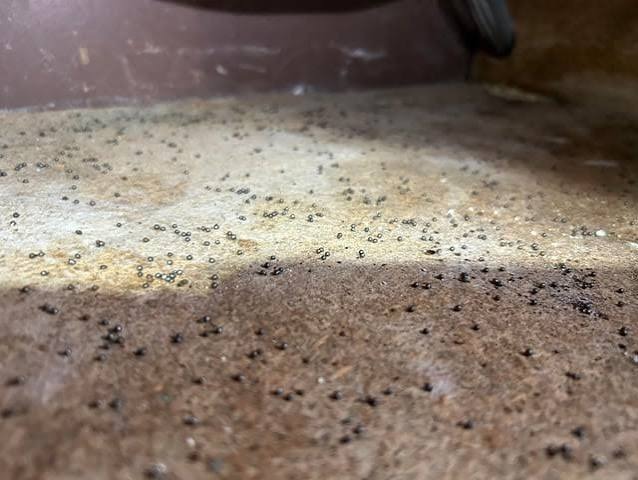
In most situations, a few small metal balls under a kitchen sink are not an immediate health emergency. They should still be collected and kept away from children and pets, as small objects can create a choking hazard if swallowed. Place them in a sealed container or bag while you investigate their origin.
The larger concern is not usually the balls themselves, but what they may indicate. If they came from a failing drawer slide, the drawer could become unstable. If they came from a damaged faucet component, the hose may not retract correctly or a leak could develop. If the source is unknown and the objects continue to appear, professional inspection is sensible.
Do not ignore water around the sink cabinet. Persistent moisture can damage wood, encourage mold growth, corrode metal hardware, and affect nearby appliances. The U.S. Environmental Protection Agency advises addressing water damage and moisture problems promptly to help prevent mold-related issues indoors.
What to Do After You Find the Source
The right repair depends on the component involved. If a faucet hose weight is missing or damaged, use a manufacturer-approved replacement part when possible. The correct weight and placement can vary by faucet model, so consult the installation guide or contact the manufacturer’s customer support service.
If cabinet slide bearings have escaped, replacing the damaged slide pair is generally the most reliable option. Measure the existing hardware carefully and select slides with an appropriate length and weight rating. For integrated pull-out waste bins or specialty organizers, the cabinet or organizer manufacturer may offer compatible replacement hardware.
If the issue appears connected to a dishwasher or garbage disposal, check the appliance manual before taking action. Turn off electrical power before examining any appliance area where wiring may be present. A qualified technician should handle complex repairs, recurring leaks, and any issue involving the appliance motor or internal mechanisms.
When to Call a Plumber or Appliance Professional
A basic inspection is often enough to identify an obvious broken drawer slide or loose faucet weight. But professional help is appropriate if the source remains unclear or if you notice signs of a larger problem. Contact a plumber, appliance technician, or qualified repair professional if you find any of the following:
- Water leaking from a faucet hose, pipe, disposal, or dishwasher connection
- A faucet spray head that will not retract or a hose that is visibly damaged
- Repeatedly appearing metal balls or fragments with no clear source
- A dishwasher that leaks, makes unusual noises, or does not operate normally
- A garbage disposal that hums, leaks, jams repeatedly, or vibrates strongly
- Damaged electrical cords, outlets, or signs of moisture near electrical equipment
- Cabinet drawers or pull-out bins that are unstable or difficult to operate
Taking photographs before removing parts can help a technician understand the problem. Keep any loose pieces you find, since their size and material may help identify the failed component.
How to Prevent Future Under-Sink Problems
Regular under-sink checks can prevent small maintenance issues from turning into more expensive repairs. Every few months, clear the cabinet, inspect the plumbing for drips, and test the pull-out faucet hose. Make sure cleaning products and storage containers are not pressing against water lines or blocking the retractable hose.
Open and close nearby drawers, pull-out bins, and organizers to listen for grinding, scraping, or uneven movement. Check dishwasher and disposal connections for moisture. If you use an under-sink mat, remove it occasionally to ensure it is not concealing a slow leak.
For homeowners and renters alike, early detection matters. A simple inspection can reveal a loose connection, worn drawer slide, obstructed faucet hose, or small leak before it damages cabinetry or flooring.
Final Thoughts
Tiny metal balls under a kitchen sink are often a clue that a nearby moving part needs attention. A pull-out faucet weight may be worth checking, particularly if the spray head does not retract smoothly, but many faucet weights are solid and are not designed to release loose balls. Cabinet drawer slides, pull-out storage hardware, and other mechanical components may be equally or more likely sources.
Collect the pieces, inspect the area methodically, and look for changes in how the faucet, drawer, dishwasher, or disposal operates. If you find water leakage, damaged hardware, or an unexplained recurring problem, contact a qualified professional. In most cases, identifying the source early leads to a straightforward repair and renewed peace of mind.
Sources
- Moen — Installation Help and Product Support
- Delta Faucet — Pull-Down Faucet Hose Weight Information
- U.S. Environmental Protection Agency — A Brief Guide to Mold, Moisture and Your Home
- U.S. Consumer Product Safety Commission — Small Parts and Child Safety Information
- ENERGY STAR — Dishwasher Information and Maintenance Resources
Disclaimer: This content is intended for entertainment purposes only and is not based on real events.