Two Nighttime Habits That May Affect Stroke Risk
Stroke is often described as a sudden medical emergency, and its symptoms can indeed appear without warning. A person may feel well before going to sleep and wake up with weakness, confusion, speech problems, vision changes, or difficulty walking. However, while the event itself can be abrupt, many stroke risk factors develop gradually over years.
High blood pressure, diabetes, high cholesterol, smoking, atrial fibrillation, obesity, physical inactivity, poor diet, and sleep disorders are among the established contributors to stroke risk. Evening routines do not cause every stroke, and no single food or drink determines a person’s future health. Still, repeated habits that affect sleep, blood pressure, blood sugar, body weight, and alcohol intake can be part of a broader cardiovascular risk pattern.
Two habits deserve particular attention: regularly consuming sugary or highly caffeinated drinks late in the evening, and routinely disrupting sleep with alcohol, stimulants, screens, or untreated sleep problems. The evidence does not support panic over an occasional late-night beverage. Instead, it points to the importance of consistent, long-term choices that support healthy blood vessels, stable blood pressure, and restorative sleep.
Why Stroke Prevention Depends on Long-Term Health
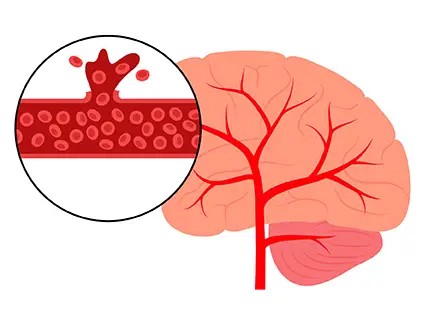
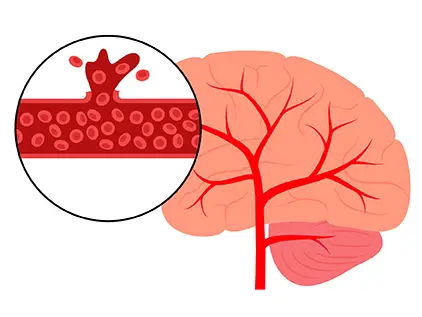
A stroke occurs when blood flow to part of the brain is interrupted or when a blood vessel in or around the brain leaks or bursts. Ischemic strokes, caused by blocked blood flow, are the most common type. They can result from a clot that forms in a blood vessel or travels to the brain from elsewhere in the body. Hemorrhagic strokes involve bleeding and are often associated with uncontrolled high blood pressure and other vascular conditions.
The World Health Organization and the U.S. Centers for Disease Control and Prevention emphasize that many strokes are linked to modifiable risk factors. Controlling blood pressure is especially important because hypertension can damage arteries over time and substantially raises the likelihood of stroke, heart disease, and kidney disease.
Nighttime habits matter because sleep is a period when the body regulates hormones, metabolism, heart rate, and blood pressure. A pattern of poor sleep or repeated metabolic stress at night may make it harder to manage other health issues. The goal is not perfection, but a routine that supports the body’s natural recovery processes.
Late-Night Sugary Drinks and Cardiovascular Health
Soda, sweetened tea, energy drinks, sweetened coffee beverages, and many fruit-flavored drinks can contain substantial amounts of added sugar. Frequent consumption of sugar-sweetened beverages has been associated in observational research with weight gain, type 2 diabetes, and a higher risk of cardiovascular disease. These conditions, in turn, are important risk factors for stroke.
It is important to interpret this evidence accurately. Research generally examines patterns of beverage intake over months or years, rather than proving that drinking a sugary beverage on one particular night directly causes a stroke. A person’s overall diet, body weight, exercise habits, genetics, access to health care, medications, and existing conditions also influence cardiovascular outcomes.
Even so, reducing sugar-sweetened beverages can be a practical step for people trying to improve their overall health. Added sugars provide calories without the fiber found in whole fruit and other minimally processed foods. Regular intake may make it more difficult to maintain a healthy weight or manage blood glucose levels, particularly for people with prediabetes or diabetes.
The American Heart Association notes that excessive added sugar consumption can contribute to cardiometabolic concerns, including obesity and diabetes. Harvard T.H. Chan School of Public Health has also reported findings from long-running cohort studies linking higher intake of sugary beverages with a greater risk of cardiovascular disease and premature death. Such studies show associations, not certainty for any individual, but they provide useful evidence for public-health guidance.
Timing may also affect sleep for some people. A large, sweet drink close to bedtime can be uncomfortable, may increase nighttime bathroom trips, and can contribute to blood sugar fluctuations in people who are sensitive to them. If the beverage also contains caffeine, the potential for sleep disruption becomes more significant.
Caffeine, Energy Drinks, and Sleep Disruption
Caffeine is widely consumed and can be safely enjoyed by many adults in moderate amounts. Coffee and tea may even be part of an overall healthy diet for some people. However, caffeine affects individuals differently. Its effects can persist for several hours, and consuming it late in the day may delay sleep or reduce sleep quality.
Energy drinks require additional caution because they may combine caffeine with large amounts of sugar and other stimulants. The U.S. Food and Drug Administration advises consumers to be aware of total caffeine intake from all sources. People who are pregnant, sensitive to caffeine, taking certain medicines, living with heart rhythm problems, or managing anxiety or insomnia may need individualized medical advice.
For people with high blood pressure, palpitations, atrial fibrillation, or difficulty sleeping, discussing caffeine use with a clinician can be helpful. Rather than assuming that every caffeinated drink is harmful, it is more useful to consider dose, timing, symptoms, and personal health history.
Sleep, Blood Pressure, and the Nighttime “Dip”
During healthy sleep, blood pressure commonly falls below daytime levels. This normal overnight reduction is often called nocturnal dipping. Sleep supports the regulation of the nervous system and cardiovascular system, allowing the heart and blood vessels to operate under less demand than they do during waking hours.
Not everyone has the same blood pressure pattern, and only medical testing can determine whether a person has abnormal nighttime blood pressure. Still, poor or insufficient sleep is associated with less favorable cardiovascular health. The CDC states that adults generally need at least seven hours of sleep per night, although individual needs vary.
Chronic sleep disruption may be linked with higher blood pressure, weight gain, insulin resistance, depression, and reduced ability to maintain healthy routines. Research published in major medical journals has also found associations between sleep problems and stroke risk. These findings do not mean that a restless night automatically leads to a stroke. They do mean that persistent insomnia, frequent awakenings, short sleep duration, or excessive daytime sleepiness should not be ignored.
Sleep apnea is particularly important. In obstructive sleep apnea, breathing repeatedly stops and starts during sleep because the airway becomes blocked. Common signs can include loud snoring, gasping during sleep, morning headaches, unrefreshing sleep, and daytime fatigue. Untreated sleep apnea is associated with high blood pressure and cardiovascular disease. Anyone who suspects sleep apnea should seek assessment from a qualified health professional.
Alcohol Before Bed: Relaxation Does Not Always Mean Restorative Sleep
Some people use alcohol in the evening because it may make them feel sleepy at first. Yet alcohol can interfere with normal sleep architecture later in the night. It may contribute to fragmented sleep, early waking, snoring, and worsening symptoms in people with sleep apnea.
Alcohol also has broader health implications. Heavy drinking can raise blood pressure and is associated with an increased risk of several serious health conditions, including stroke. The safest amount of alcohol varies according to individual circumstances, medications, pregnancy status, liver health, and history of alcohol use disorder. People who do not drink should not begin drinking for perceived health benefits.
For those who drink, avoiding alcohol as a sleep aid is a sensible first step. If reducing or stopping alcohol feels difficult, confidential support is available through health professionals and local addiction services. Seeking help is a health decision, not a personal failure.
Practical Evening Habits That Support Heart and Brain Health
A healthier evening routine does not need to be complicated. Small, sustainable changes can make it easier to get adequate sleep and manage cardiovascular risk factors over time.
- Choose lower-sugar drinks more often: Water, sparkling water without added sugar, or unsweetened herbal tea can be practical alternatives to soda and sweetened drinks.
- Pay attention to caffeine timing: If caffeine affects your sleep, consider having coffee, tea, cola, or energy drinks earlier in the day. The best cutoff time differs among individuals.
- Avoid relying on alcohol for sleep: A relaxing routine such as reading, gentle stretching, breathing exercises, or listening to calm music may be more supportive of restorative rest.
- Keep a consistent sleep schedule: Going to bed and waking up at roughly similar times can help reinforce the body’s sleep-wake rhythm.
- Create a sleep-friendly environment: A cool, quiet, dark bedroom and reduced screen use before bed may help some people fall asleep more easily.
- Manage medical conditions: Take prescribed medication as directed and attend regular appointments for blood pressure, cholesterol, diabetes, and heart rhythm monitoring.
- Be physically active: Regular movement supports heart health, mood, sleep, and blood pressure. A clinician can advise on suitable activity for people with health conditions.
When to Seek Urgent Help: Remember B.E. F.A.S.T.
Stroke is a medical emergency. Fast treatment can reduce disability and improve outcomes, so it is essential to call emergency services immediately if stroke symptoms appear. Do not wait to see whether symptoms disappear, and do not drive yourself or another person to the hospital if emergency transport is available.
- B – Balance: Sudden loss of balance, dizziness, coordination problems, or difficulty walking.
- E – Eyes: Sudden loss of vision, double vision, or major changes in vision.
- F – Face: One side of the face droops or feels numb, especially when the person tries to smile.
- A – Arm: Sudden weakness or numbness in an arm or leg, especially on one side of the body.
- S – Speech: Slurred speech, inability to speak clearly, confusion, or trouble understanding language.
- T – Time: Time is critical. Call emergency services right away and note when symptoms started, if known.
Other possible symptoms include a sudden severe headache, abrupt confusion, or unexplained weakness. A transient ischemic attack, sometimes called a mini-stroke, can produce symptoms that resolve quickly. Even if symptoms improve, urgent medical evaluation is still necessary because a transient ischemic attack can be a warning sign of a future stroke.
The Bigger Picture: Prevention Is More Than One Habit
It would be misleading to suggest that avoiding late-night soda, caffeine, or alcohol alone eliminates stroke risk. Stroke prevention is multifaceted. It includes monitoring blood pressure, eating a balanced diet, staying active, avoiding tobacco, managing diabetes and cholesterol, treating heart conditions, maintaining a healthy sleep routine, and following personalized medical advice.
At the same time, evening habits can be a realistic place to begin. Replacing a sweetened energy drink with water, addressing persistent insomnia, limiting alcohol before bed, or seeking care for loud snoring may support broader efforts to protect cardiovascular health. These changes are especially valuable when combined with regular checkups and evidence-based treatment.
If you have concerns about blood pressure, frequent sleep problems, diabetes, irregular heartbeat, or family history of stroke, speak with a doctor or qualified healthcare professional. Personal medical advice is essential because risk and treatment options vary widely from person to person.
This article is for general informational purposes and does not replace professional medical advice, diagnosis, or treatment. If you think you or someone else may be having a stroke, call emergency services immediately.

Monica Pop is a senior writer for Bored Daddy magazine covering trending and popular topics in the United States and around the world.
Sources
- Centers for Disease Control and Prevention: About Stroke
- Centers for Disease Control and Prevention: Sleep and Heart Health
- American Heart Association: Diabetes and Stroke
- American Heart Association: Sugar in Beverages and Health
- Harvard T.H. Chan School of Public Health: Sugary Drinks and Cardiovascular Disease Risk
- World Health Organization: Cardiovascular Disease and Major Causes of Death
- U.S. Food and Drug Administration: Caffeine
- Mayo Clinic: Sleep Apnea Symptoms and Causes
Disclaimer: This content is intended for entertainment purposes only and is not based on real events.