
Clean bedding is an important part of a comfortable sleep environment. While sheets may look fresh and smell clean for days, they gradually collect sweat, body oils, skin cells, hair, and particles from the surrounding environment. Establishing a practical washing routine can help keep bedding feeling comfortable, reduce common allergens, and extend the useful life of sheets and pillowcases.
Why Bedsheets Get Dirty Even When They Look Clean
People spend roughly one-third of their lives sleeping or resting in bed, which gives bedding regular contact with the body. During the night, the skin naturally sheds cells and produces oils. Many people also sweat during sleep, even if they do not wake up feeling noticeably damp. Saliva, hair products, cosmetics, lotions, and residue from outdoor clothing can also transfer to pillowcases, fitted sheets, and duvet covers.
These materials do not necessarily make sheets visibly dirty right away. However, over several nights they can affect the fabric’s feel, odor, and breathability. Body oils may cling to fibers, particularly in pillowcases and the areas of a fitted sheet that come into direct contact with the skin. Sweat and moisture can also make bedding feel less fresh, especially in warm climates or in bedrooms with limited airflow.
Dust is another consideration. Household dust can contain a mixture of tiny particles, including fibers, pollen, pet dander, and skin cells. In many homes, dust mites are present as well. These microscopic organisms are common indoors and feed primarily on flakes of human skin. Dust mites themselves are not generally harmful, but proteins found in their waste particles can contribute to allergy symptoms in people who are sensitive to them.
For this reason, regular laundering is less about achieving a perfectly sterile sleeping environment and more about basic hygiene, comfort, and reducing the buildup of everyday allergens and residue.
How Often Should You Wash Sheets?
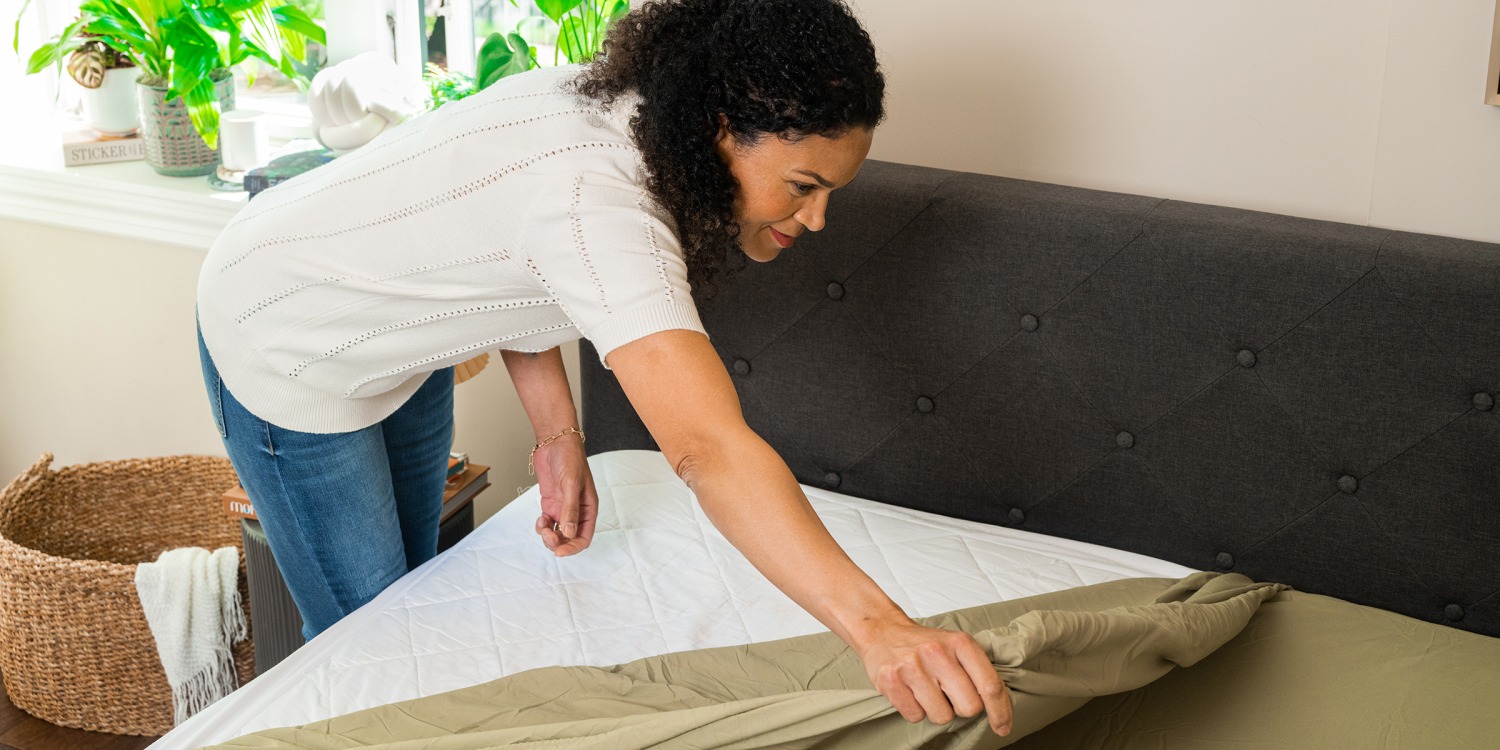
For most people, washing bedsheets about once a week is a sensible and widely recommended routine. A weekly schedule helps remove accumulated sweat, oils, skin cells, and dust before they become more noticeable. It is also frequent enough to keep bedding comfortable without causing unnecessary wear from excessive washing.
This guideline applies to the sheets that touch the body most directly, including fitted sheets, flat sheets, and pillowcases. Pillowcases may need more frequent attention for people with oily skin, acne-prone skin, seasonal allergies, or long hair that carries styling products. Changing a pillowcase every few days can be a practical option in those circumstances.
Blankets, comforters, duvet covers, mattress protectors, and pillows generally follow different schedules because they are not all used in the same way. A duvet cover should usually be washed regularly, particularly if it is used without a top sheet. Mattress protectors can often be cleaned every one to two months, depending on the product label and individual needs. Comforters and pillows may require less frequent washing, but they should still be cleaned according to their care instructions and whenever spills, illness, or odors occur.
The best schedule is one that fits the household’s health needs, lifestyle, climate, and type of bedding. Weekly washing is a strong starting point, but it is not a rigid rule for every person or every situation.
When You May Need to Wash Bedding More Frequently
Some circumstances can make it useful to change sheets more often than once a week. People who sweat heavily at night may find that changing sheets every three to four days improves comfort. Night sweats can have many possible causes, including a warm bedroom, heavy bedding, stress, hormonal changes, medications, or health conditions. Persistent or unexplained night sweats should be discussed with a qualified healthcare professional rather than addressed only through more frequent laundry.
People with allergies or asthma may also benefit from washing bedding more frequently. The American Academy of Allergy, Asthma & Immunology notes that dust mites are a common trigger for allergic disease. Regularly washing bedding can help lower exposure to allergens that accumulate in fabrics. For individuals with confirmed dust mite allergies, healthcare professionals may recommend washing sheets weekly in hot water when the fabric can safely tolerate it, along with using allergen-resistant covers for mattresses and pillows.
Sharing a bed with pets is another reason to consider a shorter washing cycle. Pets can bring fur, dander, pollen, soil, and outdoor particles onto bedding. This does not mean pets must be excluded from bedrooms, but households with pets may prefer changing sheets every few days or at least once a week. Brushing and bathing pets as appropriate, vacuuming the bedroom, and washing pet bedding regularly can also help manage loose hair and allergens.
After an illness, changing sheets and pillowcases can be a reasonable part of restoring a clean, comfortable environment. Bedding should also be washed promptly after vomiting, diarrhea, significant spills, or other visible contamination. In these situations, follow the fabric-care label and use the warmest wash setting that is safe for the item.
People who sleep without pajamas, exercise close to bedtime, use heavy moisturizers, or live in hot and humid conditions may likewise prefer more frequent washing. The goal is not to create anxiety about bedding but to recognize when a weekly routine may not match daily life.
Can Dirty Sheets Affect Sleep and Skin Comfort?
Unwashed bedding is not automatically dangerous, and occasional delays in laundry are unlikely to cause serious problems for most healthy people. Still, buildup on sheets can make a bed feel less pleasant and may contribute to discomfort for some individuals. Sweat and oils can leave fabric feeling sticky or less breathable, while pet dander, dust, and pollen may be irritating for people with allergies.
For people with eczema, acne, or sensitive skin, clean pillowcases and sheets can be one helpful part of an overall skin-care routine. Bedding is not usually the sole cause of a skin condition, and it should not be presented as a cure. However, regularly removing oils, product residue, and environmental particles may reduce one potential source of irritation. Dermatologists often emphasize gentle skin care, appropriate treatment plans, and clean fabrics that come into direct contact with affected skin.
Sleep quality is influenced by many factors, including stress, noise, light, temperature, health, and daily routines. Fresh sheets cannot solve chronic sleep problems, but many people find that a clean and comfortable bed supports a more relaxing bedtime routine. A cool, dry, clean sleeping surface may be especially welcome during warmer weather or after periods of increased sweating.
How to Wash Bedsheets Properly
Good laundry practices matter as much as washing frequency. Before putting sheets in the machine, read the manufacturer’s care label. Cotton, linen, bamboo-derived rayon, silk, polyester, and blended fabrics can have different temperature, detergent, and drying requirements. Following the label helps protect fibers, color, elasticity, and fabric finish.
For many cotton sheets, warm water is effective for routine cleaning. Hot water may be suitable for some durable white cotton bedding or for allergen reduction, but it can cause shrinking, fading, or damage in certain materials. Use the warmest water setting permitted by the care label rather than assuming that hotter is always better.
A standard laundry detergent is usually sufficient for normal sheet washing. Avoid using more detergent than necessary, as excess product may not rinse out fully and can leave fabrics feeling stiff or irritating to sensitive skin. Fragrance-free detergent can be a useful option for people with eczema, allergies, or sensitivity to scented products.
Wash sheets separately from bulky towels, jeans, or clothing with zippers and hooks whenever possible. Sheets need enough room to move freely through the wash water and rinse cycle. Washing them with heavy items can lead to tangling, uneven cleaning, and extra wear. Separating light and dark colors can also help limit color transfer.
Dry sheets completely before returning them to the bed or storing them in a linen closet. Damp fabric can develop an unpleasant odor and may support mold growth in humid conditions. Tumble drying on a setting appropriate for the fabric is convenient, while line drying can reduce energy use and give sheets a fresh outdoor scent. Linen and cotton may feel softer after a brief tumble dry followed by air drying, but care labels should remain the main guide.

Tips for Washing Different Types of Bedding
Cotton sheets: Cotton is durable and easy to care for. Most cotton sheets can be washed regularly in cool or warm water, depending on the label. High heat can shrink some cotton fabrics, especially during the first few washes.
Linen sheets: Linen is breathable and often becomes softer over time. It is typically best washed on a gentle cycle in cool or lukewarm water with mild detergent. Avoid overloading the machine, and use lower drying temperatures to help preserve the fibers.
Silk sheets: Silk requires more delicate handling. Many silk products call for cold water, a gentle detergent formulated for delicate fabrics, and air drying away from direct sunlight. Some items may require professional cleaning.
Microfiber and polyester blends: These fabrics usually wash well in cool or warm water. Fabric softener may reduce the moisture-wicking performance of some synthetic materials, so it is worth checking the product instructions.
Weighted blankets and specialty bedding: These products can be too heavy for standard home washing machines. Always check the manufacturer’s directions and weight limits before laundering. In some cases, spot cleaning, removable covers, or professional laundering may be recommended.
Creating a Simple Bedding Laundry Routine
A consistent routine makes sheet washing easier to remember. Many households choose a fixed laundry day each week and keep a second set of sheets available. Having a spare set means the bed can be remade immediately while the other set is being washed, dried, or folded.
It can also help to keep the bedroom clean in other basic ways. Vacuuming or dusting regularly, keeping indoor humidity at a comfortable level, and allowing the mattress to air out briefly after waking can support a fresher room. If possible, avoid making the bed immediately after getting up when sheets feel damp from overnight body heat. Pulling back the covers for a short time may allow moisture to dissipate before the bed is made.
Mattresses should not be washed, but they can be protected. A washable mattress protector provides an additional barrier against sweat, spills, and dust. Pillow protectors offer similar benefits and can help extend the life of pillows. These covers should be cleaned according to their labels and replaced when worn or damaged.
The Bottom Line on Washing Bedsheets
Washing bedsheets once a week is a practical recommendation for most people. It removes the everyday buildup of sweat, oils, skin cells, dust, and allergens while keeping bedding comfortable and fresh. More frequent washing may be useful for people with allergies, heavy night sweating, pets in the bed, sensitive skin, or recent illness.
There is no need to pursue perfection or worry that a missed laundry day automatically creates a health risk. The most effective approach is a realistic routine that considers personal comfort, fabric care instructions, household habits, and any relevant medical advice. Clean, fully dried bedding and a well-maintained bedroom can make the sleep environment feel more inviting and support everyday hygiene.
Sources
Disclaimer: This content is intended for entertainment purposes only and is not based on real events.