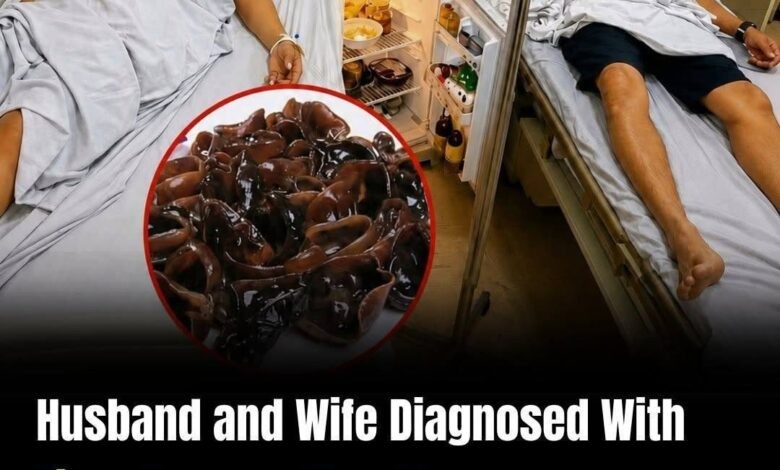
There is something comforting about opening a refrigerator.
The cool air escapes. Containers of leftovers sit neatly on the shelves. A bag of nuts waits in the pantry, a jar of spices stands beside the stove, and yesterday’s meal appears to be safely preserved for another day.
For many families, the refrigerator represents freshness and protection.
But food safety is more complicated than simply keeping food cold.
Certain naturally occurring substances called mycotoxins can develop when particular molds grow on agricultural products. Among them, aflatoxins have received considerable scientific attention because long-term exposure to aflatoxin B1 is associated with an increased risk of liver cancer. The World Health Organization and the National Cancer Institute both recognize aflatoxin exposure as an important liver cancer risk factor, particularly in combination with chronic hepatitis B infection.
That does not mean an old container in your refrigerator is secretly causing cancer.
It does not mean every piece of food with a small spot of mold contains dangerous levels of aflatoxin.
And it certainly does not mean that a single questionable meal explains a serious medical diagnosis.
The reality is more nuanced, and understanding that difference is important.
What Are Aflatoxins?
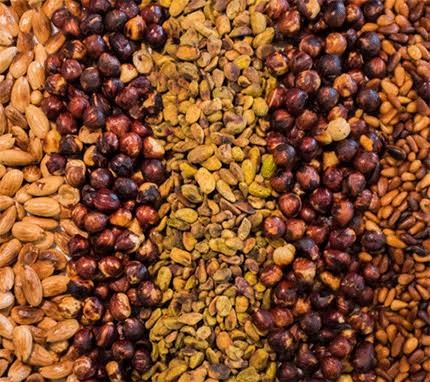
Aflatoxins are a group of naturally occurring mycotoxins produced by certain species of Aspergillus mold.
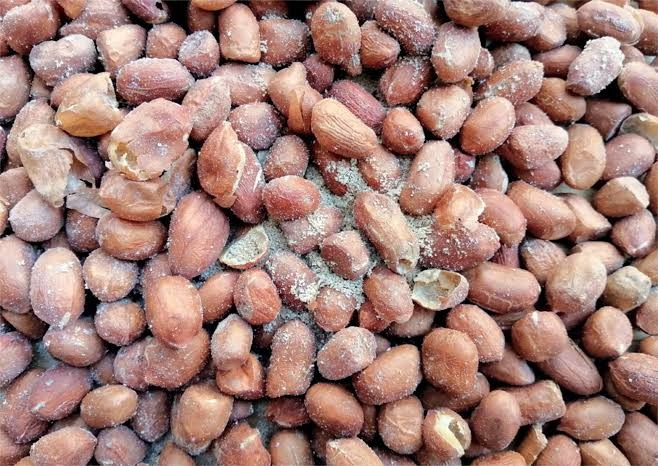
They can affect agricultural products before harvest or during storage, particularly when environmental conditions favor mold growth. Foods that can be susceptible include peanuts, corn, tree nuts, some grains, seeds, spices, and other agricultural commodities.
The important point is that aflatoxin contamination is primarily a food production and storage issue, rather than something that suddenly appears in every household refrigerator.
Temperature, humidity, crop conditions, harvesting practices, transportation, and storage all influence whether toxin-producing molds develop.
This is why food safety agencies monitor susceptible foods.
The U.S. Food and Drug Administration maintains regulatory limits and monitoring programs for aflatoxins in food. These controls are designed to reduce consumer exposure before products reach the marketplace.
So while aflatoxins are a legitimate scientific concern, the idea that every household pantry is quietly filled with dangerous levels of them is an exaggeration.
The Connection Between Aflatoxins and Liver Health
The reason scientists pay particular attention to aflatoxins is their relationship with the liver.
The liver processes many substances that enter the body, making it an important organ in understanding how certain environmental compounds affect health.
Research has established a connection between exposure to aflatoxin B1 and hepatocellular carcinoma, the most common form of primary liver cancer. The risk is especially important among people who also have chronic hepatitis B infection.
The World Health Organization similarly reports that long-term exposure to aflatoxin B1 can contribute to liver cancer, with the association being particularly significant in people already exposed to hepatitis B virus.
This is very different from saying that eating one moldy food automatically leads to cancer.
Cancer usually develops through a complicated combination of factors. Genetics, infections, long-term environmental exposures, metabolic conditions, lifestyle factors, and other influences can all play roles.
The National Cancer Institute lists chronic hepatitis B or C infection, cirrhosis, heavy alcohol use, certain metabolic liver conditions, tobacco use, and aflatoxin exposure among recognized risk factors for liver cancer.
Aflatoxins are therefore one part of a much larger picture.
What About the Couple Mentioned in the Story?
The story accompanying the image describes a couple who reportedly developed liver cancer and suggests that food stored in their home may have been responsible.
That is a powerful narrative, but an individual story should not be confused with medical evidence.
Without medical records, laboratory testing, environmental assessments, and a documented history of exposure, it would not be possible to determine whether a particular food caused someone’s illness.
Two people in the same household developing the same disease may naturally lead people to search for a shared explanation.
But there can be many possibilities.
They may share environmental exposures.
They may share dietary habits.
They may share infections or other risk factors.
They may also simply experience unrelated health conditions.
That is why medical researchers rely on large studies rather than a single household story when determining whether an exposure is associated with disease.
The real lesson is not that a particular couple proves that a refrigerator caused liver cancer.
It is that food safety deserves attention because some foodborne contaminants are scientifically well established.
Does Refrigeration Make Food Completely Safe?
This is one of the most common misunderstandings about food storage.
A refrigerator is extremely useful, but it is not a time machine.
Cold temperatures slow the growth of many microorganisms, but they do not make food permanently safe.
The U.S. Department of Agriculture recommends keeping refrigerators at 40°F (4°C) or below and following recommended storage periods for leftovers.
For many cooked leftovers, the familiar guideline is approximately three to four days when properly refrigerated.
That recommendation exists primarily because of ordinary foodborne microorganisms, not because refrigerated leftovers automatically develop aflatoxins after a certain number of days.
This distinction matters.
A forgotten container of pasta in the refrigerator and a bag of improperly stored peanuts are different food safety situations.
Treating every food hazard as though it were the same can create unnecessary fear.
The Two-Hour Rule Has a Different Purpose
Another useful kitchen habit involves food that has already been cooked.
According to the USDA, perishable food should generally not remain at room temperature for more than two hours. If the surrounding temperature is above 90°F (32°C), the recommended limit drops to one hour.
This rule is mainly about controlling the growth of foodborne bacteria.
It is not an aflatoxin rule.
That distinction is worth remembering because internet articles sometimes combine different food safety concepts into one frightening warning.
Good food hygiene is more effective when each recommendation has a clear reason behind it.
Cooked leftovers should be cooled and refrigerated promptly.
Raw ingredients should be handled safely.
Refrigerators should remain sufficiently cold.
Foods showing clear spoilage should be discarded appropriately.
And foods vulnerable to mold should be stored in suitable conditions.
Why Dry Storage Matters
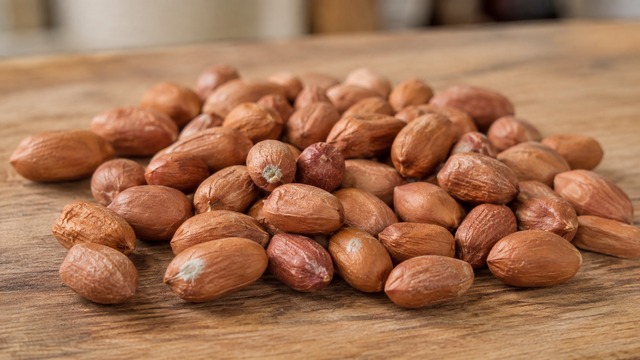
Aflatoxin-producing molds are strongly influenced by environmental conditions, including temperature and moisture.
The FDA notes that crops such as peanuts, corn, tree nuts, and some grains can be susceptible to aflatoxin contamination, with environmental conditions affecting fungal growth during production and storage.
That makes proper pantry storage important.
Dry foods should be kept in clean, dry areas rather than exposed to unnecessary humidity.
Containers should remain properly sealed.
Products should be rotated so older items are used before newer ones.
And if a food has obvious mold, unusual spoilage, or significant moisture damage, it is generally better to discard it rather than attempt to rescue it.
This is particularly relevant for soft or porous foods, where visible mold may not represent the full extent of contamination.
Can You Simply Cut Away Mold?
This is another area where common household advice can be misleading.
For some firm foods, certain types of surface mold can sometimes be handled according to food safety guidance. But soft, porous foods are a different matter because contamination can extend below the visible surface.
More importantly, visible mold does not tell you whether a particular mold is producing a specific mycotoxin.
You cannot identify aflatoxin contamination simply by looking at a food in your kitchen.
Laboratory analysis is required to determine the presence and concentration of specific toxins.
The FDA therefore relies on monitoring and testing programs rather than expecting consumers to identify aflatoxins visually.
The practical household lesson is simple: if a food is clearly moldy or spoiled, do not assume that removing one visible area makes everything underneath safe.
Does Cooking Remove Aflatoxins?
This is another subject where caution is appropriate.
Some foodborne microorganisms can be controlled through adequate cooking, but mycotoxins are chemical contaminants rather than living organisms.
The FDA explains that controlling mycotoxins involves prevention, monitoring, processing controls, and regulatory limits.
That means cooking should not be treated as a universal solution for food suspected of significant mycotoxin contamination.
The safest strategy is prevention.
Buy food from reliable sources.
Store susceptible products correctly.
Keep moisture under control.
Follow product storage instructions.
And avoid consuming food that is clearly spoiled.
What Should You Keep in Your Refrigerator?
A simple refrigerator routine can make food management much easier.
Keep the refrigerator at or below 40°F (4°C).
Place leftovers into appropriate containers and refrigerate them promptly.
Label leftovers with dates if you frequently forget when they were prepared.
Use older foods first.
Clean spills when they happen.
Check the refrigerator regularly instead of allowing containers to remain forgotten for weeks.
Most importantly, understand the difference between food quality and food safety.
A food may still look attractive while being past its recommended storage period.
Conversely, a food can look slightly different without necessarily representing a serious hazard.
When there is uncertainty, follow reliable food safety guidance rather than relying on smell or appearance alone.
What About Fruit, Bread, Nuts, and Grains?
Different foods require different storage strategies.
Fresh produce generally needs appropriate refrigeration or dry storage depending on the variety.
Bread should be kept according to the manufacturer’s recommendations and checked regularly for visible mold.
Nuts and grains should be protected from excessive moisture and stored in suitable conditions.
Peanuts, corn, and certain tree nuts are among the foods recognized as susceptible to aflatoxin contamination.
However, consumers should not interpret that list as meaning these foods are inherently unsafe.
They are nutritious foods that are widely consumed.
The issue is contamination control, which is why agricultural systems, food manufacturers, regulators, and consumers all have roles to play.
Liver Health Involves Much More Than Food Storage
It would be misleading to suggest that managing your pantry is the primary way to prevent liver cancer.
The scientific evidence shows that liver health is influenced by numerous factors.
Chronic hepatitis B and C infections are major risk factors. Cirrhosis, heavy alcohol use, certain metabolic liver conditions, tobacco exposure, and aflatoxin B1 are also recognized contributors.
This broader perspective is important because health advice becomes less useful when one risk is presented as the explanation for everything.
There is no single refrigerator habit that guarantees perfect liver health.
Instead, prevention involves a collection of sensible choices, including appropriate vaccination against hepatitis B, medical care for chronic hepatitis when needed, healthy lifestyle habits, and sensible food safety practices.
The Most Practical Kitchen Habits
You do not need to turn your kitchen into a laboratory.
A few ordinary habits can provide meaningful protection against common food safety problems.
Keep cold food cold.
Refrigerate leftovers promptly.
Use leftovers within recommended storage periods.
Keep your refrigerator clean and sufficiently cold.
Store dry foods in cool, dry conditions.
Pay attention to visible mold and spoilage.
Avoid assuming that cooking can fix every type of contamination.
Purchase foods from reputable sources.
And remember that regulated food systems already perform extensive monitoring for certain contaminants, including aflatoxins.
These habits are practical precisely because they do not require fear.
They require consistency.
A More Balanced Way to Think About Food Safety
Stories about hidden dangers in the kitchen naturally attract attention.
There is something fascinating about the idea that an ordinary object, such as a refrigerator or pantry shelf, might contain a problem we cannot immediately see.
Human curiosity makes invisible risks especially compelling.
But curiosity should lead to better questions rather than unnecessary alarm.
Is aflatoxin real?
Yes.
Can long-term exposure contribute to liver cancer risk?
Yes. The scientific evidence supports that conclusion.
Does every moldy-looking food contain dangerous aflatoxin?
No.
Does keeping leftovers for one extra day automatically cause liver cancer?
No.
Can a refrigerator make food safe indefinitely?
No.
And can sensible food storage reduce everyday food safety risks?
Absolutely.
That distinction between legitimate risk and exaggerated fear is perhaps the most important lesson.
Final Reflection: Curiosity Should Lead to Better Habits
The kitchen is one of the most familiar places in any home.
It is where meals are prepared, leftovers are saved, snacks are stored, and family routines unfold.
Because it is so familiar, it can be easy to stop questioning our habits.
But food safety science reminds us that small details matter.
Humidity matters.
Temperature matters.
Storage time matters.
Cleanliness matters.
And understanding the difference between a genuine risk and an alarming headline matters too.
Aflatoxins are a real food safety concern, and their relationship with liver cancer has been established through scientific research. But that knowledge should encourage sensible prevention rather than fear.
The goal is not to look at every container in the refrigerator with suspicion.
It is to become a little more thoughtful about what we store, how we store it, and when we decide that something has simply reached the end of its useful life.
In the end, good food safety is not about creating anxiety around eating.
It is about making informed choices.
And sometimes, the most powerful response to an invisible risk is not panic.
It is knowledge.