Dinner, Tipping, and Empathy: Navigating Restaurant Etiquette
Introduction
Dining out is an experience influenced by food, ambiance, and the interactions between patrons and staff. This article explores a real-life incident at a family restaurant that sheds light on tipping culture, the pressures facing service workers, and how empathy can shape our responses. The narrative begins with a tense dinner, culminating in a confrontation about tipping, and expands to provide context and analysis for readers seeking to understand the societal forces at play in everyday restaurant visits.
Restaurant Experiences: The Human Element
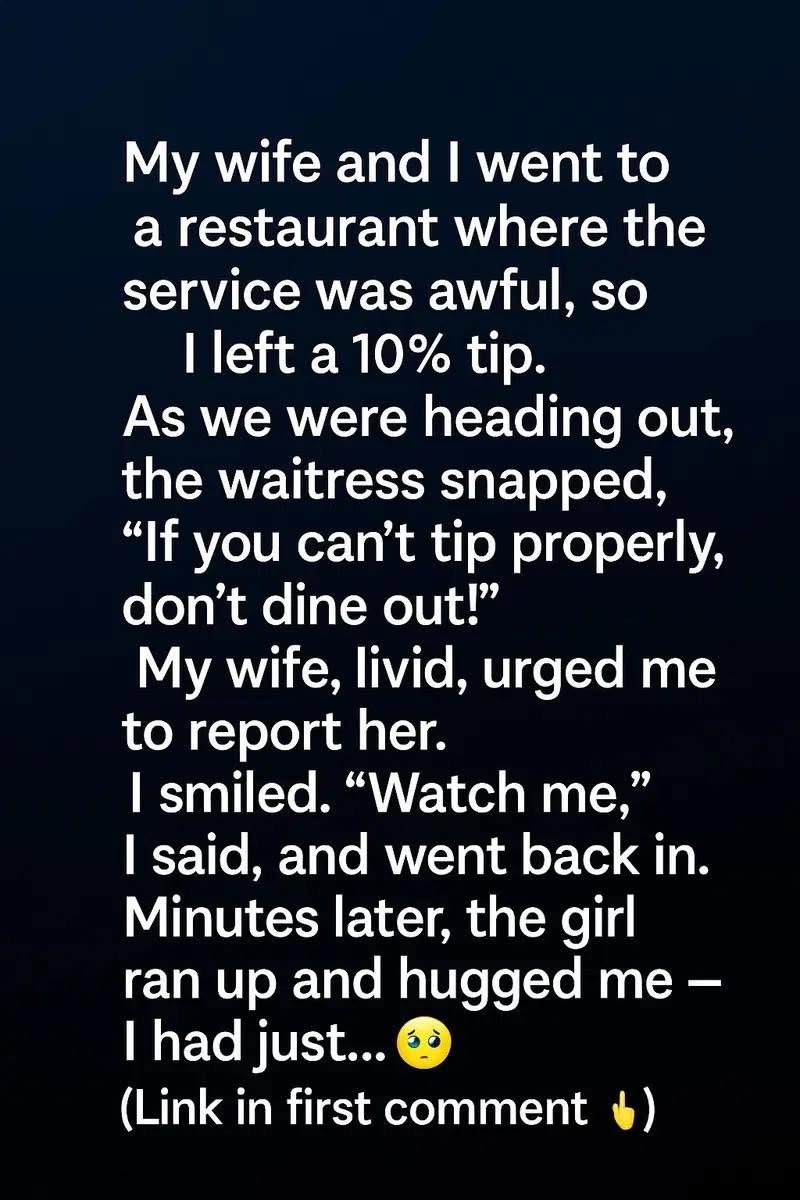
The restaurant industry is known for its fast-paced environment, where mistakes can happen and service staff must juggle multiple demands. In the shared experience described, a couple faces mixed-up orders and long waits, served by a visibly stressed waitress. These challenges illustrate the complexity beneath seemingly simple hospitality encounters.
Such scenarios are not isolated. According to the National Restaurant Association, service workers routinely face high stress during peak hours. Factors like staff shortages, complex orders, and unpredictable customer volumes contribute to an atmosphere where mistakes and delayed service are common. Customers often react with frustration, forgetting the human effort behind their meals.
The Tipping Dilemma: Expectations and Realities
Tipping is a deeply entrenched practice in many countries, especially in the United States. While tips are seen as a reward for good service, they also constitute a significant portion of a waiter’s income. In the incident, the diner leaves a 10% tip—below the widely accepted standard of 15-20%—as a gesture of understanding rather than satisfaction. This highlights the tension between customer expectations and industry norms.
The U.S. Department of Labor notes that federal minimum wage laws for tipped employees set different wage standards, expecting that tips will make up much of their earnings. Many restaurants pay servers a base wage well below the standard minimum, relying on customers to fill the gap. This system can leave servers financially vulnerable, especially during slow shifts or when customer tips are insufficient.
A Moment of Confrontation
As the couple leaves, the waitress voices her frustration, publicly admonishing the tip. This moment crystallizes the conflict and opens questions about fairness, communication, and empathy. The waitress’s outburst, described as “loud, sharp, and humiliating,” is a reminder that emotions run high in service roles.
Rather than responding with anger or escalation, the diner chooses empathy, urging his wife to “just watch.” This decision to approach the situation differently is significant, revealing the potential for dignity and understanding on both sides.
The Pressures Facing Service Staff
Restaurant employees encounter numerous challenges daily. Staffing levels, order complexity, and customer attitudes contribute to a climate where emotional and physical pressures are intense. Experts from Harvard Business School point out that burnout and job-related anxiety are major issues in hospitality, leading to high turnover rates and reduced job satisfaction.
Waiters must not only serve food but also manage customer expectations, solve problems, and maintain composure. Public confrontations about tipping can add to the stress, sometimes triggering emotional responses that go beyond professional boundaries.
Customer Responsibility: Beyond the Bill
For customers, the experience of dining out is shaped by value, comfort, and service. However, the act of tipping carries ethical dimensions. Experts like sociologist Michael Lynn from Cornell University have studied tipping behaviors, noting that customers often base tips on perceived quality, but emotional or social factors can also play a role.
In situations where service falls short—due to mistakes or delays—customers must balance their response. Leaving a lower tip can signal dissatisfaction, but it also impacts the livelihood of someone whose circumstances may not be wholly within their control. Lynn’s research suggests that generous tipping, even in less-than-ideal circumstances, can have a positive effect on both staff morale and customer satisfaction in the long term.
Empathy in Action
Choosing empathy over confrontation can change the trajectory of difficult experiences. In the dinner incident, the diner’s decision to respond thoughtfully rather than reactively stands out. Rather than reporting the waitress for her outburst, he seeks to understand the underlying causes of her behavior—a gesture that underscores the importance of compassion in everyday interactions.
This approach aligns with psychological research from Stanford University, which suggests that empathetic communication diffuses tension and increases the likelihood of positive outcomes. By offering patience and understanding, customers can help service workers recover from stressful moments and feel valued, even when things go wrong.
The Broader Context: Tipping Practices Around the World
Tipping is not universal, and practices vary by region. While the United States and Canada rely heavily on tips to supplement wages, many European countries include service charges in the bill or pay higher wages, reducing reliance on tips. In Japan, tipping is considered unnecessary or even rude, as service workers receive standard wages and take pride in professionalism.
The global debate about tipping reflects cultural attitudes toward labor and reward. Critics of the tipping system argue that it perpetuates income insecurity and can foster resentment. Some policymakers advocate for wage reform to ensure fair pay regardless of tips, a move gaining traction in several U.S. cities and internationally.
Expert Views on Restaurant Etiquette and Conflict Resolution
Hospitality industry experts emphasize the importance of training staff in conflict resolution and stress management. The National Restaurant Association promotes ongoing education in communication skills, de-escalation techniques, and customer service best practices. These resources help staff handle difficult interactions and minimize negative outcomes.
From the perspective of etiquette, the Emily Post Institute suggests customers practice patience and respect, acknowledging that service workers face unique challenges. Their recommendations include avoiding public confrontations, expressing dissatisfaction privately and constructively, and considering the cumulative workload of staff before judging mistakes.
Societal Reactions and Community Perspectives
The incident described resonates with broader community discussions about fairness and empathy in service industries. Public opinion is often divided, with some emphasizing customer rights and others advocating for greater compassion toward workers. Social media amplifies both sides, generating critical debates that influence policy and practice.
In recent years, movements like “Tip the Waiter” and “Raise the Wage” have campaigned for improved working conditions and pay structures. As awareness grows, more diners report tipping generously during difficult economic times, recognizing the role of service staff in maintaining vital businesses.
Lessons Learned: Balancing Expectations and Empathy
The story of the tense dinner and tipping conflict is a microcosm of larger societal issues. It demonstrates the challenges faced by both customers and service staff, underscoring the importance of patience, communication, and understanding. Navigating these moments with empathy helps foster healthier relationships, promote fairness, and support workers who often operate under intense pressure.
As restaurant culture evolves, both patrons and employees benefit from greater awareness of the human element behind every meal. Whether through generous tipping, respectful feedback, or compassionate responses to mistakes, small actions can make a significant difference.
Conclusion
Dining out is more than a transaction—it is a social interaction shaped by empathy, expectations, and industry norms. The incident at the family restaurant invites readers to reflect on their own behaviors and attitudes, encouraging greater awareness of the challenges faced by service workers. By practicing empathy and striving for fair treatment on both sides, we contribute to a more positive and respectful dining culture.
Sources
- Reuters
- BBC News
- The Guardian
- National Restaurant Association
- U.S. Department of Labor
- Emily Post Institute
- Stanford University
- Harvard School of Public Health
- Cornell University
Disclaimer: This content is intended for entertainment purposes only and is not based on real events.