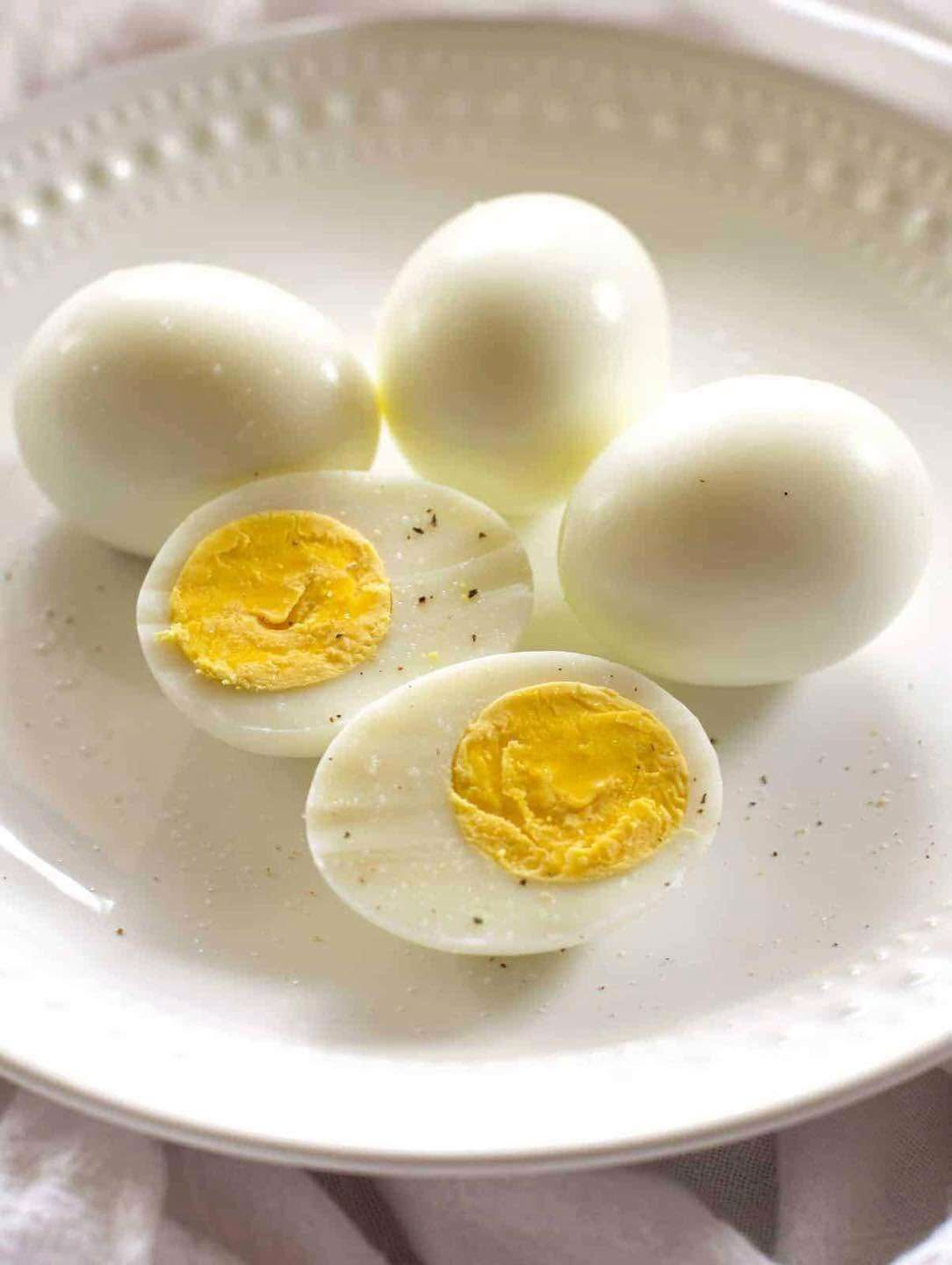
Hard-Boiled Eggs Reconsidered
Hard-boiled eggs are among the most practical foods in many home kitchens. They are inexpensive, portable, versatile, and easy to prepare in advance. A single batch can provide quick breakfast options, protein for a packed lunch, or an ingredient for salads, sandwiches, grain bowls, and other simple meals. Yet their convenience can also make it easy to overlook an important detail: hard-boiled eggs have a limited refrigerated shelf life.
Understanding how to cook, cool, store, and use hard-boiled eggs safely helps households reduce food waste while protecting food quality. It also offers a useful reminder that eggs are more than a familiar breakfast staple. They provide several essential nutrients, can fit into many dietary patterns, and remain a widely accessible source of high-quality protein.
Why Hard-Boiled Eggs Remain a Popular Everyday Food
Eggs have long been valued because they combine convenience with nutritional density. Unlike many highly processed snack foods, a hard-boiled egg requires no added sugar, no special packaging, and little preparation once it has been cooked. It can be eaten on its own or paired with fruit, vegetables, whole grains, legumes, or dairy foods for a more complete meal.
For busy households, preparing eggs ahead of time can make healthy eating more manageable. A refrigerated container of hard-boiled eggs can support quick meal planning during the week. They are especially useful for people looking for filling snacks, parents preparing lunchboxes, students with limited cooking facilities, and anyone trying to build meals around minimally processed ingredients.
The appeal is also cultural and culinary. Eggs appear in cuisines around the world, from egg salads and sandwiches to noodle dishes, curries, rice bowls, vegetable salads, and festive recipes. Hard boiling changes the egg’s texture and makes it easier to transport, which is why it has remained a familiar picnic, lunch, and breakfast food for generations.
Hard-Boiled Egg Nutrition: Protein, Vitamins, and Minerals
Eggs are a source of complete protein, meaning they contain all nine essential amino acids that the body must obtain through food. Protein supports many normal body functions, including the maintenance and repair of tissues. One large egg generally provides about 6 grams of protein, although the exact amount can vary slightly by egg size.
Hard-boiled eggs also contain nutrients including vitamin B12, riboflavin, selenium, iodine, phosphorus, and choline. Choline is an essential nutrient involved in normal cell structure and nervous system function. Eggs are one of the more concentrated common dietary sources of choline, although nutritional needs and food choices differ from person to person.
The yolk contains most of an egg’s fat and several of its micronutrients. It also contains dietary cholesterol. Current nutrition guidance generally emphasizes overall eating patterns rather than treating one individual food as the sole determinant of cardiovascular health. For many people, eggs can be part of a balanced diet that includes vegetables, fruits, legumes, whole grains, nuts, and appropriate protein sources.
People with specific health concerns, including those who have been advised to manage cholesterol levels or cardiovascular risk, should consider personalized guidance from a qualified healthcare professional or registered dietitian. The most useful dietary approach is usually one that considers the full pattern of foods eaten, medical history, activity level, and individual needs.
Calories and Satiety in Hard-Boiled Eggs
A large hard-boiled egg typically contains around 70 to 80 calories. This relatively modest calorie count, combined with its protein content, makes eggs a filling option for many people. Satiety is influenced by several factors, including protein, fat, fiber, hydration, meal timing, and individual appetite. An egg alone may not constitute a complete meal, but it can be a useful component of one.
For example, a balanced breakfast might include hard-boiled eggs with whole-grain toast, fresh fruit, and vegetables. At lunch, sliced eggs can be added to a salad with beans, leafy greens, tomatoes, and a whole-grain side. These combinations add fiber and a broader range of vitamins and minerals while helping create meals that are satisfying and varied.
The Important Storage Rule for Hard-Boiled Eggs
The key food safety point is simple: hard-boiled eggs should be refrigerated promptly and used within one week of cooking. The United States Department of Agriculture advises consumers to refrigerate hard-cooked eggs within two hours of cooking and use them within seven days. This guidance applies whether the eggs are kept in their shells or peeled.
Refrigeration matters because cooking does not make a food safe indefinitely. Like other perishable foods, hard-boiled eggs can support the growth of bacteria if they are held at unsuitable temperatures for too long. Keeping them cold helps slow bacterial growth and preserves quality.
Hard-boiled eggs should not be left at room temperature for extended periods. The general food safety recommendation for perishable foods is to refrigerate them within two hours. In very hot conditions, such as outdoor temperatures above 90 degrees Fahrenheit or about 32 degrees Celsius, that window is shorter: food should be refrigerated within one hour.
If eggs have been left out for too long, it is safest to discard them rather than rely on appearance or smell. Foodborne bacteria are not always detectable through obvious changes in taste, odor, or texture. When in doubt, food safety authorities generally recommend choosing caution.
Should Hard-Boiled Eggs Be Stored Peeled or Unpeeled?
Hard-boiled eggs can be stored either in the shell or peeled, but both should remain refrigerated. Leaving the shell on may help protect the egg from absorbing odors in the refrigerator and can reduce handling before eating. For meal preparation, however, some people prefer to peel eggs in advance for faster use.
If eggs are peeled before storage, place them in a clean, covered container in the refrigerator. Some home cooks keep peeled eggs in a container with water to help prevent drying, but the water should be changed daily and the eggs should still be used within the recommended one-week period. A covered container without water is also a practical option, provided the eggs are kept cold and handled with clean utensils.
For easy tracking, label the container with the date the eggs were cooked. This small habit can prevent uncertainty later in the week and makes it easier to plan meals around food that should be used first.
How to Cook Hard-Boiled Eggs Safely
There are several reliable ways to prepare hard-boiled eggs, including boiling, steaming, and pressure cooking. The method matters less than ensuring the eggs are cooked thoroughly and cooled safely afterward. Cooking times can vary based on egg size, starting temperature, altitude, and the equipment used.
A common stovetop approach is to place eggs in a saucepan, cover them with water, bring the water to a boil, then remove the pan from heat and let the eggs stand covered for a period of time. Another method is to lower eggs carefully into gently boiling water and cook them for roughly 9 to 12 minutes, depending on the desired yolk texture. After cooking, eggs can be transferred to cool water or an ice bath to stop the cooking process and make peeling easier.
Cooling should not turn into prolonged countertop storage. Once the eggs are cool enough to handle, they should be dried and transferred to the refrigerator. Clean hands, clean containers, and clean kitchen surfaces are also important parts of safe food preparation.
Recognizing Quality Changes in Refrigerated Eggs
A hard-boiled egg that is still within the recommended storage period may develop a greenish-gray ring around the yolk. This is generally a harmless result of a chemical reaction between sulfur in the egg white and iron in the yolk, often associated with overcooking or slow cooling. The color change can be unappealing, but it does not automatically mean the egg is unsafe.
By contrast, an unusual odor, a slimy surface, visible mold, or unexpected discoloration should be treated as warning signs. Eggs with these changes should be discarded. However, the absence of visible spoilage does not override the one-week storage guidance. Date labeling remains more reliable than trying to judge safety by appearance alone.
Food Safety Considerations for Eggs
Egg safety begins before boiling. Refrigerated shell eggs should be purchased from reliable retailers and kept cold at home. In the United States, the Food and Drug Administration recommends storing eggs in their original carton in the coldest part of the refrigerator rather than in the door, where temperatures can fluctuate more frequently.
People who are older, pregnant, very young, or immunocompromised may face a higher risk of serious illness from foodborne infections. These groups should be particularly attentive to safe handling, cooking, and refrigeration practices. Fully cooked eggs are generally preferable for people who need to reduce the risk associated with raw or undercooked egg dishes.
It is also important to avoid cross-contamination. Wash hands after handling raw eggs, clean any surfaces that came into contact with raw egg, and keep cooked foods separate from raw ingredients. These basic steps are part of broader kitchen hygiene practices recommended by public health agencies.
Simple Ways to Use Hard-Boiled Eggs in Balanced Meals
Hard-boiled eggs are adaptable enough to support a variety of eating styles. They can be sliced over a green salad, mashed with plain yogurt and herbs for a lighter egg salad, or added to a vegetable-and-grain bowl. They also work well alongside roasted vegetables, lentils, hummus, avocado, or fresh fruit.
For a quick snack, pair an egg with an apple, carrot sticks, or whole-grain crackers. For breakfast, serve it with oats, toast, tomatoes, spinach, or beans. For lunch, add eggs to a sandwich made with whole-grain bread and plenty of vegetables. These pairings can improve variety and increase fiber intake, which is often low in many diets.
Portion size and preparation choices matter. Egg dishes prepared with large amounts of mayonnaise, butter, cheese, or processed meats can change the overall nutritional profile. There is nothing inherently wrong with enjoying richer recipes occasionally, but everyday meals can benefit from emphasizing vegetables, legumes, whole grains, and unsaturated fats.
Making the Most of an Affordable Kitchen Staple
Hard-boiled eggs deserve attention not because they are trendy, but because they remain a useful, nutrient-rich, and widely available food. They offer quality protein and several essential nutrients in a compact form, while their mild flavor makes them easy to include in many meals.
The most important practical lesson is storage. Once cooked, hard-boiled eggs belong in the refrigerator and should be eaten within one week. Labeling the date, using clean containers, avoiding long periods at room temperature, and discarding eggs that have been improperly stored are straightforward habits that support safer eating.
For many households, a small batch of properly stored hard-boiled eggs can be a dependable starting point for quick, balanced meals. With thoughtful preparation and attention to food safety guidance, this familiar refrigerator staple can continue to earn its place at the table.
Sources
Disclaimer: This content is intended for entertainment purposes only and is not based on real events.