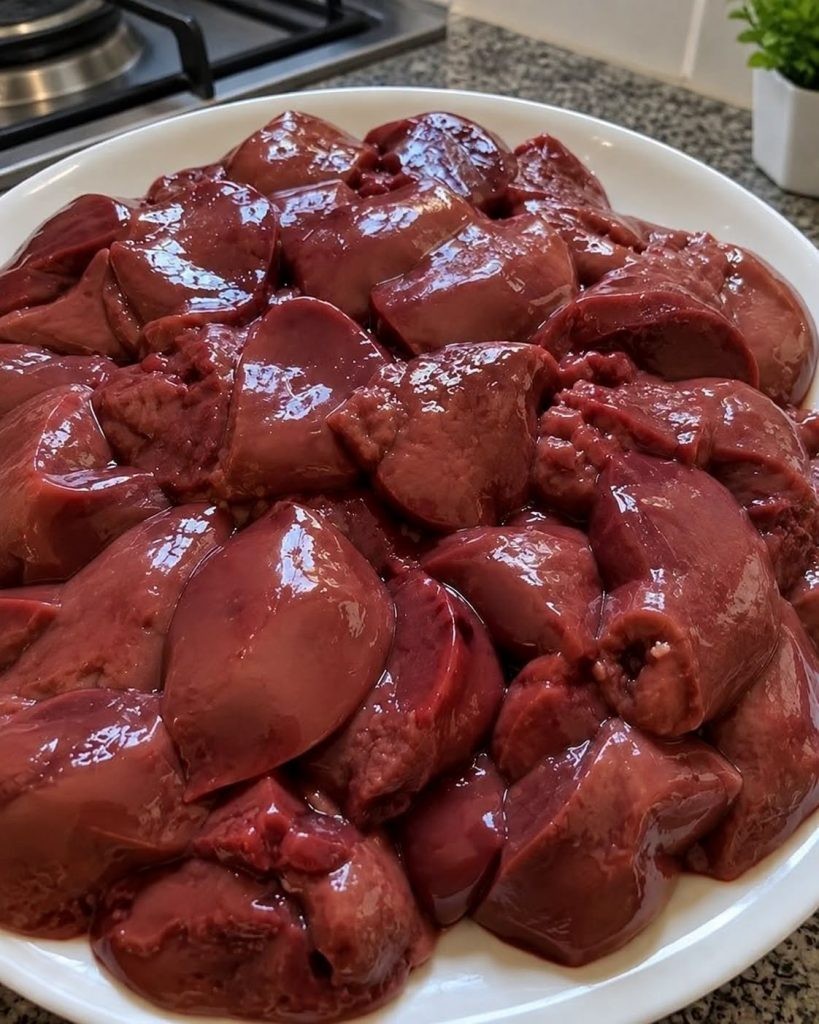
Chicken liver is widely valued as a highly nutritious food. It provides substantial amounts of protein, vitamin B12, folate, iron, copper, selenium, and vitamin A in a relatively small serving. For people seeking nutrient-dense foods, it can be an affordable and versatile ingredient that supports a balanced diet.
Its nutritional concentration, however, is also the reason moderation matters. Liver contains preformed vitamin A, also called retinol, which differs from the beta-carotene found in many orange and green vegetables. The body can store preformed vitamin A in the liver, and consistently consuming high amounts from food or supplements may increase the risk of taking in more than is needed.
Chicken liver is not inherently unhealthy, and it does not need to be avoided by most people. The key issue is total intake: how often it is eaten, portion size, and whether a person is also using multivitamins, cod liver oil, retinol-containing supplements, or prescription products related to vitamin A. Understanding those factors can help people enjoy chicken liver as part of a varied diet without unintentionally creating a nutrient imbalance.
Why Chicken Liver Is Considered Nutrient-Dense
Organ meats have traditionally been important foods in many cuisines because they provide nutrients that may be harder to obtain in large amounts from muscle meat alone. Chicken liver is especially notable for its micronutrient profile. It is a source of complete protein, meaning it contains all essential amino acids needed for normal growth, maintenance, and repair of body tissues.
It is also rich in vitamin B12, a nutrient needed for healthy nerve function and the formation of red blood cells. Vitamin B12 is naturally present in animal-derived foods, and low intake can be a concern for people with very limited consumption of animal foods or conditions that affect nutrient absorption. Folate, another nutrient found in chicken liver, contributes to normal cell division and red blood cell production.
Iron is another reason chicken liver is often included in nutrition discussions. The iron in animal foods is known as heme iron, which is generally absorbed more efficiently than non-heme iron from plant foods. Iron supports the production of hemoglobin, the protein in red blood cells that carries oxygen around the body. Still, people who suspect they have iron deficiency should seek advice from a qualified healthcare professional rather than attempting to self-treat through major dietary changes alone.
Chicken liver also provides copper, an essential trace mineral involved in energy production, iron metabolism, connective tissue formation, and nervous system function. These nutrients help explain why liver can be useful as an occasional addition to a varied eating pattern. Yet nutritional value does not mean that more is always better.
Vitamin A Is the Main Consideration
The most important nutritional issue associated with frequent liver consumption is vitamin A. Vitamin A supports normal vision, immune function, reproduction, and the health of skin and other tissues. It is an essential nutrient, but it is needed in relatively small amounts.
There are two broad dietary forms of vitamin A. Preformed vitamin A, including retinol and retinyl esters, is found in animal-derived foods such as liver, dairy products, eggs, and some fortified foods. Provitamin A carotenoids, including beta-carotene, are found in plant foods such as carrots, sweet potatoes, spinach, kale, and other colorful fruits and vegetables. The body can convert some carotenoids into vitamin A as needed.
Preformed vitamin A deserves particular attention because it can accumulate in the body. Unlike water-soluble vitamins, which are generally not stored to the same extent, vitamin A is fat-soluble and can be retained in the liver and body fat. This does not make foods containing vitamin A unsafe. It means people should consider their cumulative intake over time.
The United States National Institutes of Health notes that the tolerable upper intake level for preformed vitamin A is 3,000 micrograms of retinol activity equivalents per day for adults. This upper level is intended to identify an intake above which the risk of adverse health effects may increase for many people. Individual needs and risks can differ, particularly for people who are pregnant, have liver conditions, or use medications and supplements that affect vitamin A levels.
The exact vitamin A content of chicken liver can vary depending on the animal, preparation method, serving size, and food composition database used. However, liver is consistently recognized as one of the richest dietary sources of preformed vitamin A. A modest serving may provide a large share of an adult’s daily vitamin A requirement, which is why it is sensible to view it as a concentrated food rather than an everyday protein staple.
What Can Happen When Vitamin A Intake Is Too High?
Excessive intake of preformed vitamin A over time can lead to vitamin A toxicity, also known as hypervitaminosis A. This is uncommon in people who eat varied diets without large amounts of liver or high-dose supplements. It is more often associated with regular use of high-dose vitamin A products, certain medications, or repeated consumption of very high-vitamin-A foods in large portions.
Symptoms associated with too much vitamin A can be nonspecific. They may include headache, nausea, dizziness, fatigue, dry skin, changes in appetite, or discomfort in muscles and joints. Because these symptoms can have many possible causes, they should not be used to diagnose a nutritional condition without medical assessment.
Long-term excess intake can have more serious effects, including potential harm to the liver and changes in bone health. For that reason, a person who regularly eats liver and also uses supplements containing retinol should review their routine with a doctor, pharmacist, or registered dietitian. This is particularly important if they develop persistent symptoms or have a diagnosed liver condition.
It is also important to distinguish between vitamin A from carotenoid-rich vegetables and preformed vitamin A from liver and supplements. Eating vegetables high in beta-carotene does not usually produce the same toxicity concern. In some cases, very high intake of carotenoid-rich foods can temporarily give skin a yellow-orange tone, but this is different from vitamin A toxicity and is generally not harmful. A healthcare professional can help assess unusual symptoms or dietary concerns.
Pregnancy and Chicken Liver: Why Extra Caution Is Recommended
Pregnant people and those who may become pregnant are among the groups advised to be particularly careful about preformed vitamin A. Vitamin A is necessary for fetal development, but excessive intake during pregnancy can increase the risk of developmental problems. Public health agencies, including the United Kingdom’s National Health Service, advise pregnant women to avoid liver and liver products because they may contain high levels of vitamin A.
This guidance applies not only to chicken liver but also to other animal livers, such as beef, pork, and lamb liver, as well as pâté and certain liver-based products. Prenatal vitamins should be selected carefully as well. Standard prenatal products are formulated differently, and people should not add vitamin A or retinol supplements unless they have been advised to do so by their healthcare provider.
Anyone planning a pregnancy, currently pregnant, or breastfeeding should discuss their diet and supplement choices with an obstetrician, midwife, physician, or registered dietitian. Professional guidance is especially valuable because nutritional needs can vary based on health history, dietary pattern, medication use, and laboratory findings.
Children, Older Adults, and People With Health Conditions
Young children have lower nutrient requirements than adults, so a portion that seems small to an adult may still provide a very high amount of preformed vitamin A for a child. Parents and caregivers do not necessarily need to eliminate liver from a child’s diet, but it should be offered thoughtfully and as part of a diverse range of foods. Pediatric dietary concerns are best discussed with a pediatrician or registered dietitian.
Older adults may also need to pay attention to supplements, particularly if they take multiple products for bone health, eye health, immunity, or general wellness. Some supplements include vitamin A, beta-carotene, or related compounds. Reading labels can help prevent accidental duplication across multivitamins, fish liver oils, and specialty formulas.
People with liver disease, a history of high vitamin A intake, alcohol-related liver concerns, or conditions affecting nutrient metabolism should seek individualized advice before making liver a frequent part of their diet. The same applies to people taking retinoid medications, which are related to vitamin A and may require specific dietary and pregnancy precautions.
How Often Can Chicken Liver Be Included in a Balanced Diet?
There is no single schedule that is appropriate for every person, because safe dietary choices depend on age, health status, pregnancy status, portion size, and supplement use. Still, nutrition guidance generally supports treating liver as an occasional food rather than a daily main protein source.
For many healthy adults who are not pregnant and do not use vitamin A supplements, a small or moderate portion of chicken liver from time to time can fit into a balanced diet. Rotating protein sources is a practical approach. Poultry, fish, beans, lentils, eggs, yogurt, tofu, nuts, seeds, and lean meats can all contribute useful nutrients while reducing dependence on one particularly concentrated food.
A varied diet also makes it easier to obtain vitamin A in different forms. Colorful vegetables and fruits provide carotenoids alongside fiber, potassium, vitamin C, and a wide range of plant compounds. Animal foods can contribute protein, B12, iron, zinc, and other nutrients. Combining these food groups supports nutritional balance more effectively than relying heavily on any single “superfood.”
Consider Supplements Before Adding Liver Regularly
One of the most common ways people may unknowingly consume too much preformed vitamin A is through overlapping products. A daily multivitamin may contain vitamin A, while cod liver oil and some “immune support” or skin-health supplements can add more. Fortified foods may contribute additional amounts.
Before increasing liver intake, check supplement labels for “vitamin A,” “retinol,” “retinyl palmitate,” or “retinyl acetate.” Beta-carotene may also appear on labels, but it is metabolized differently from preformed vitamin A. A pharmacist can help interpret labels and identify whether multiple products contain overlapping ingredients.
Supplements can be useful in particular circumstances, but they are not automatically necessary for everyone. In many cases, nutrient needs can be met through food. People considering high-dose vitamins because of fatigue, hair changes, low mood, or other symptoms should seek medical advice, since supplements may not address the underlying cause and can sometimes create additional risks.
Food Safety and Preparation Tips for Chicken Liver
Like other poultry products, chicken liver should be handled and cooked with food safety in mind. Keep raw poultry separate from ready-to-eat foods, wash hands and kitchen surfaces after preparation, and refrigerate it promptly. Cooking poultry thoroughly reduces the risk from harmful bacteria.
The U.S. Department of Agriculture recommends cooking poultry, including organ meats, to an internal temperature of 165°F (74°C). Using a food thermometer is more reliable than judging doneness by color alone. Leftovers should be refrigerated within two hours and reheated safely before eating.
Preparation can also influence the overall nutritional profile of a meal. Chicken liver is often cooked with butter, cream, salt, or rich sauces. These ingredients can be enjoyed in moderation, but people managing blood pressure, cholesterol, or certain medical conditions may prefer recipes that include vegetables, herbs, whole grains, or legumes and use reasonable amounts of added salt and saturated fat.
The Bottom Line on Chicken Liver Nutrition
Chicken liver is a nutrient-rich food with meaningful amounts of protein, iron, folate, vitamin B12, copper, and preformed vitamin A. Its nutritional density can be beneficial when it is included occasionally in a varied diet. It is not a miracle food, nor is it automatically dangerous.
The central consideration is that liver delivers a concentrated amount of vitamin A. Frequent large servings, especially alongside retinol-containing supplements or cod liver oil, may raise the risk of excessive intake. Pregnant people should avoid liver and liver products because of the potential risks associated with high preformed vitamin A intake during pregnancy.
For most people, moderation, dietary variety, careful supplement use, and safe food preparation are the most sensible principles. If there is uncertainty about vitamin A intake, pregnancy nutrition, liver disease, or supplements, individualized advice from a qualified healthcare professional is the safest next step.
Sources
Disclaimer: This content is intended for entertainment purposes only and is not based on real events.