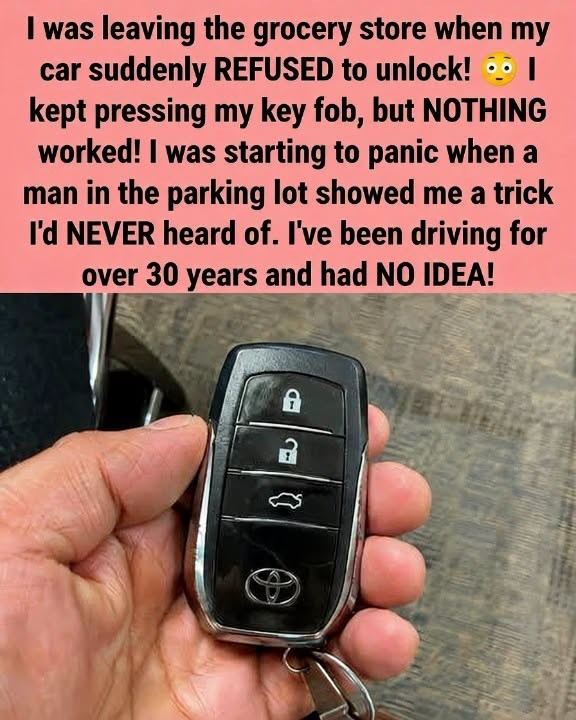
Modern car key fobs make everyday driving easier. With a small remote, drivers can lock and unlock doors, open a trunk or tailgate, activate a panic alarm, and, on some vehicles, start the engine from a distance. Keyless entry and push-button ignition systems are now common across many vehicle categories, but their convenience can become stressful when a fob suddenly stops responding.
A non-working key fob does not automatically mean a driver is locked out or unable to start the vehicle. Most manufacturers build backup access and starting methods into their cars, SUVs, and trucks. Understanding these features before an emergency happens can save time, reduce inconvenience, and help owners avoid unnecessary towing or repair costs.
The exact procedure varies by make, model, model year, and equipment level. The owner’s manual remains the most reliable source for vehicle-specific instructions. Still, there are several practical steps that apply to many modern vehicles when a car key fob battery dies or the remote fails to communicate with the vehicle.
Why a Car Key Fob May Stop Working
The most common reason for key fob failure is a weak or depleted battery. Key fobs typically use small lithium coin-cell batteries, often CR2032 or CR2025 types. These batteries can last for years, but their lifespan depends on how frequently the remote is used, the climate, and the functions supported by the fob. A gradual reduction in operating range is often an early sign that the battery needs replacement.
However, a drained fob battery is not the only possible explanation. The remote may have been dropped, exposed to moisture, or damaged internally. Buttons can wear out, and the fob’s electronic components may eventually fail. Interference from nearby radio signals can occasionally affect keyless-entry operation, although this is generally temporary and location-specific.
It is also important to consider the vehicle itself. If none of the vehicle’s electronic locks, interior lights, or dashboard displays work, the issue may be a discharged 12-volt vehicle battery rather than the key fob. In other cases, a fuse, door-lock actuator, keyless-entry receiver, or vehicle security system may need inspection by a qualified technician.
Before assuming the fob is defective, try using a spare remote if one is available. If the spare fob works normally, the original fob likely needs a new battery, repair, or replacement. If neither remote works, the problem may be related to the vehicle battery or electrical system.

Find and Use the Hidden Mechanical Key
Many drivers are surprised to learn that their smart key fob contains a traditional metal key. This concealed key is designed as a backup when the electronic remote cannot unlock the vehicle. It is one of the most useful features to understand before a key fob emergency occurs.
On many fobs, a small release switch, button, or sliding latch allows the metal key blade to be removed. The location differs among manufacturers, so owners should examine their fob and consult the manual while the fob is still functioning. Some vehicles include a separate emergency key that can be stored inside the remote; others use a detachable key blade.
Once removed, the mechanical key can usually unlock the driver’s door. The keyhole may be visible on the exterior door handle, but on many newer vehicles it is hidden beneath a small plastic cap for styling and security reasons. The owner’s manual should explain how to remove that cover without damaging it. Using the wrong tool or applying excessive force can scratch the handle or break the cover.
When the door is opened manually, some vehicles may activate an alarm because the electronic unlocking signal was not received. This is typically a normal security response. Following the manufacturer’s emergency-start procedure, such as holding the fob near the start button, may allow the vehicle to recognize the authorized key and deactivate the alarm.
Drivers should avoid forcing the mechanical key if it does not turn smoothly. A lock cylinder that has not been used for a long time may feel stiff, particularly in cold or wet conditions. Forcing it may cause damage. If the key cannot operate the lock, professional roadside assistance or a qualified automotive locksmith may be the safest option.
How to Start a Push-Button Car With a Dead Key Fob Battery
Push-button-start vehicles are generally designed with a backup method for detecting an authorized key fob with a low or dead battery. Although the electronic remote functions may stop working, the fob’s internal transponder can often still be read at close range by the vehicle.
For many models, the driver should press the brake pedal, then hold the key fob directly against or very close to the engine start/stop button while pressing the button. The vehicle may display a message or emit a chime when it recognizes the fob. Other vehicles use a designated backup location, such as a compartment in the center console, a slot near the steering column, or a marked area in the cupholder or dashboard.
There is no universal location or sequence. A procedure that works on one brand may not apply to another. For example, one vehicle may require the fob to touch the start button, while another may require it to be placed in a specific pocket. Owners should therefore check the “starting and driving,” “keys,” or “keyless access” sections of the owner’s manual.
If the engine still does not start after following the published emergency procedure, check whether the vehicle has sufficient battery power. Dashboard lights that are dim, flickering, or absent can indicate a weak vehicle battery. A vehicle may also refuse to start if the transmission is not fully in Park or Neutral, the brake pedal is not being recognized, or another warning condition is present.
Do not repeatedly press the start button without following the correct instructions, as this can drain the vehicle’s 12-volt battery further. If the vehicle cannot be started, contact a roadside-assistance provider, dealership, locksmith, or qualified repair facility for guidance specific to the vehicle.
Replace the Key Fob Battery Safely
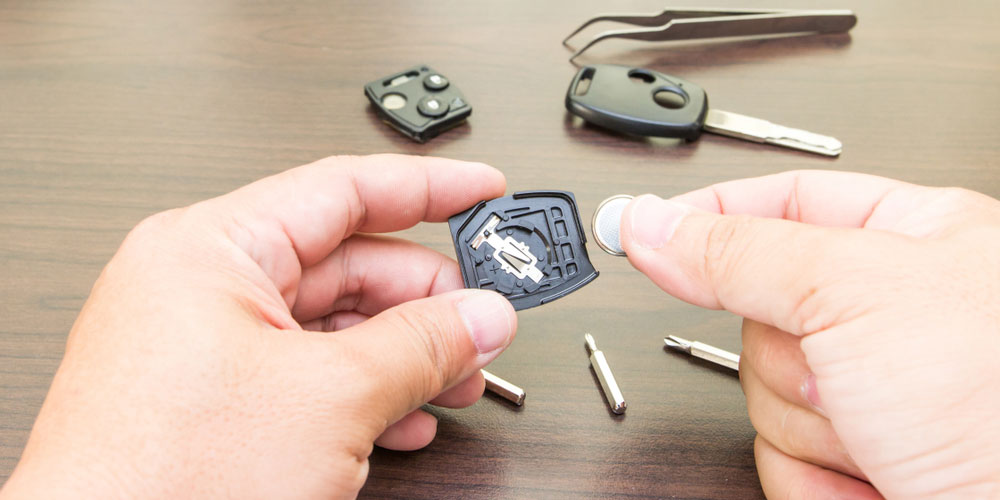
Replacing the battery is often a straightforward solution, but it should be done carefully. First, identify the exact battery type listed in the vehicle owner’s manual or printed on the existing battery. Coin-cell batteries can look very similar while having different thicknesses and capacities. Installing the wrong battery may prevent the fob from closing properly or functioning correctly.
Many remotes can be opened by releasing the mechanical key and gently separating the case at a small notch. Some require a small screwdriver, while others are designed to be opened with a plastic trim tool. A plastic tool may reduce the chance of scratching the fob casing. Owners should avoid prying aggressively, as internal clips and seals can be damaged.
Before removing the old battery, note its orientation. The positive side is commonly marked with a plus symbol, but the required direction depends on the fob’s internal design. Insert the replacement battery exactly as indicated. Touching the battery only by its edges can help keep it clean, although ordinary handling is generally not a concern for most consumer coin cells.
After installing the new battery, reassemble the fob and test each relevant function near the vehicle. Test locking, unlocking, trunk release, and remote start if equipped. In many vehicles, no reprogramming is needed after a simple battery change. If the remote still does not work, review the owner’s manual, test the spare fob, and consider professional diagnosis.
Coin-cell batteries require particular care around children and pets. They can be dangerous if swallowed. Keep new and used batteries out of reach, secure the fob battery compartment properly, and dispose of batteries according to local recycling or hazardous-waste guidance. The U.S. Consumer Product Safety Commission has published safety information about the risks associated with button and coin batteries.
Can a Smartphone App Help When a Key Fob Fails?
Some newer vehicles include connected-car services that allow owners to use a smartphone application to lock or unlock doors, locate the vehicle, check status information, or start the engine remotely where permitted and supported. These systems can be helpful when a physical key fob battery is weak, but they are not a guaranteed substitute for the key.
Remote services generally need to be activated in advance through the manufacturer, and they may require a connected-services subscription after an introductory period. The vehicle must also have adequate power and cellular connectivity. A phone app may not work in areas with poor mobile coverage, during a service outage, or if the owner has not completed account setup and identity verification.
For security, drivers should use only official manufacturer applications and protect their account with a strong password and multi-factor authentication when available. Avoid sharing account credentials or remote access controls with people who do not need them. Connected-car features can add convenience, but they should be part of a broader preparedness plan rather than the only backup option.
When to Call Roadside Assistance or a Professional
Professional assistance is appropriate when basic steps do not restore access or starting capability. Contact roadside assistance, a dealership, or a reputable automotive locksmith if the mechanical key will not unlock the door, the fob is visibly damaged, both remotes fail, the vehicle battery appears discharged, or an anti-theft warning persists.
A dealership may be necessary when a replacement smart key needs programming to the vehicle. Modern keys often contain security chips and require specialized diagnostic equipment. Automotive locksmiths can also provide key cutting and programming services for many makes and models, sometimes with mobile service. Before authorizing work, ask whether the provider is qualified to service the specific vehicle and request clear pricing information.
Drivers should be cautious about online replacement fobs that make broad claims about easy programming. Some aftermarket products may be compatible, but others may not support all original functions or may require professional programming. Checking the vehicle manufacturer’s part information and consulting a trusted technician can help prevent wasted expense.
It is also wise to verify roadside-assistance coverage before an emergency. Assistance may be available through an auto insurer, vehicle warranty, dealership program, automobile club, credit-card benefit, or mobile-phone plan. Coverage limits, towing distances, and service eligibility vary.
How to Prepare for a Future Key Fob Problem
Preparation is the most effective way to reduce the disruption caused by a dead key fob battery. Read the relevant owner’s manual sections before there is a problem. Locate the hidden mechanical key, identify the driver’s-door keyhole, and learn the emergency start procedure for the exact vehicle.
Keep a spare key in a secure and practical location, following the vehicle manufacturer’s guidance. Do not leave a spare fob inside an unlocked vehicle. Some owners keep a replacement fob battery at home or in an emergency kit, but batteries should be stored safely in their original packaging and away from children.
Pay attention to warning signs such as reduced operating range, intermittent button response, or a dashboard message indicating that the key battery is low. Replacing the battery early is usually easier than dealing with a failure in a parking lot, during severe weather, or while traveling.
Finally, maintain the vehicle’s 12-volt battery and electrical system. Even a fully functional key fob cannot start a vehicle whose main battery is discharged. Routine maintenance, timely battery testing, and prompt attention to electrical warnings can prevent a different but similarly inconvenient no-start situation.
Key Takeaway: A Dead Key Fob Is Usually Manageable
A car key fob that stops working can be inconvenient, but it is often a manageable issue rather than a major emergency. Start by using the hidden mechanical key to access the vehicle, then follow the manufacturer’s backup procedure for starting a push-button vehicle. If the fob battery is depleted, replace it with the correct coin-cell battery and test the remote again.
If those measures do not work, the cause may be damage to the fob, a discharged vehicle battery, or an electrical issue requiring professional assistance. By learning the vehicle’s backup features, keeping the owner’s manual accessible, and responding to low-battery signs early, drivers can handle key fob problems with greater confidence and less disruption.
Sources
Disclaimer: This content is intended for entertainment purposes only and is not based on real events.