
Seafood is often considered one of the healthiest choices on a restaurant menu. Fish and shellfish can provide high-quality protein, omega-3 fatty acids, vitamins, and essential minerals. But not every seafood dish has the same environmental footprint, sourcing standards, or potential health concerns.
The challenge is that a menu rarely tells the whole story. A fish may be wild-caught or farmed, sourced from a well-managed fishery or an area facing environmental pressures. Some seafood can also contain higher levels of mercury, while mislabeling may make it difficult to know exactly what you are eating.
That doesn’t mean you need to avoid seafood altogether. Instead, certain dishes deserve a closer look, particularly when a restaurant cannot clearly explain where its ingredients come from.
Here are 10 seafood choices you may want to think twice about ordering—and what to consider before making your decision.
1. Farmed Tilapia: Ask About the Source
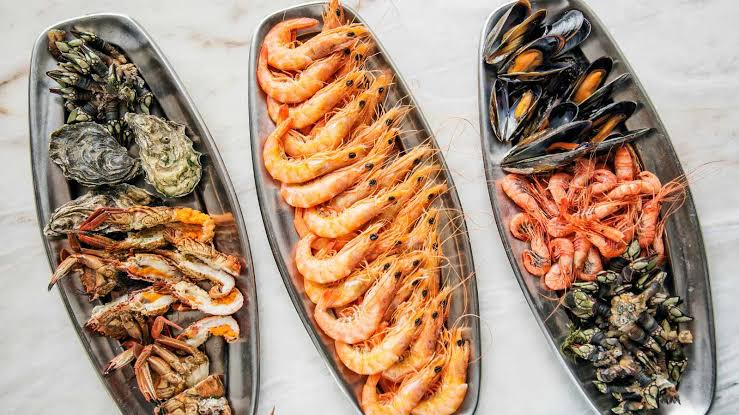
Tilapia is a popular restaurant choice because it is mild in flavor, affordable, and versatile. It is commonly served grilled, baked, fried, or covered in sauces.
However, the quality and environmental impact of farmed tilapia can vary depending on how and where it is raised.
Factors worth considering include stocking density, water quality, feed management, disease prevention, and wastewater treatment. Farms with weak environmental controls can contribute to pollution or other local ecological problems.
That does not mean all farmed tilapia is unsafe or poorly produced. Responsible farms can raise tilapia under well-managed conditions, and the fish is generally a low-mercury source of protein.
What to do instead: Ask where the tilapia was raised and whether the supplier follows credible aquaculture standards. If the restaurant cannot provide details, consider another fish with clearer sourcing information.
2. Pangasius and Basa: Traceability Matters
Pangasius, including basa and related farmed catfish products, is widely used in restaurants because its mild taste and affordable price make it suitable for many dishes.
Much of the internationally traded pangasius supply comes from aquaculture in Southeast Asia. As with other farmed fish, production practices vary between farms and suppliers.
Concerns can include water management, the use of veterinary medicines, disease control, and the treatment of wastewater. These issues depend on the specific producer, rather than being inherent to the fish itself.
Pangasius is not automatically unsafe, and it is generally considered a low-mercury fish. The more useful question is whether the product comes from a traceable supply chain with appropriate food-safety controls.
What to do instead: Choose restaurants and suppliers that can identify the product’s country of origin and provide information about their sourcing standards. Avoid assuming that a fish is poor quality simply because it is inexpensive.
3. Imported Shrimp: Farming and Processing Make a Difference
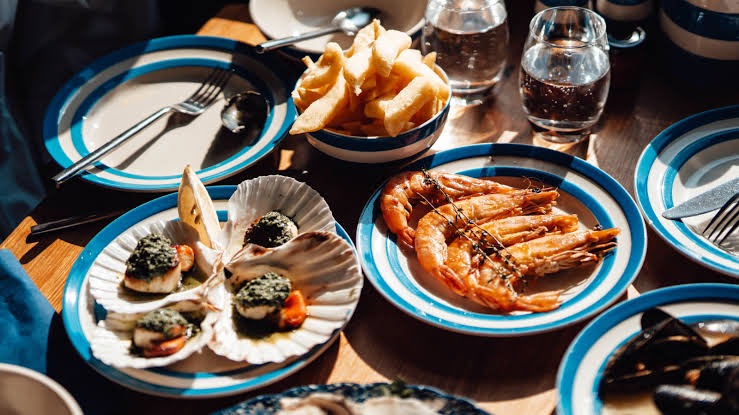
Shrimp is one of the most popular seafood choices worldwide. It appears in everything from fried shrimp baskets and pasta to curries, salads, and seafood platters.
Yet shrimp production can have environmental consequences, depending on the farming system or fishing method.
Some shrimp farms have been associated with mangrove destruction, water pollution, and poor management of disease. Wild-caught shrimp can also create concerns when fishing methods produce significant bycatch, meaning other marine animals are unintentionally caught.
Food safety is another consideration. Shrimp must be handled, stored, and cooked properly to reduce the risk of foodborne illness. People with shellfish allergies should also be particularly careful.
What to do instead: Look for shrimp from suppliers that provide traceable origins and credible sustainability information. Certifications such as those offered by the Aquaculture Stewardship Council or Marine Stewardship Council may help, depending on the product and fishery.
4. Farmed Salmon: Check the Production Standards
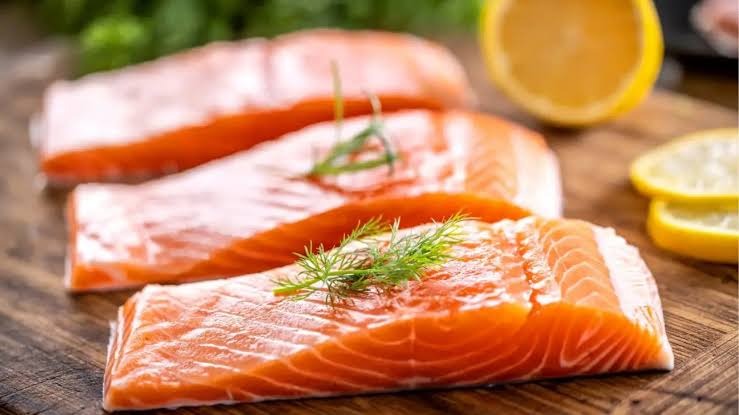
Salmon is often praised for its omega-3 fatty acids and high-quality protein. It can be an excellent part of a balanced diet, whether served grilled, baked, or raw in appropriate preparations.
However, farmed salmon production raises questions about feed sourcing, fish health, waste management, and interactions between farms and wild populations. The significance of these concerns varies by location and production method.
It is important not to confuse environmental concerns with proof that farmed salmon is inherently unhealthy. Properly regulated farmed salmon can be a nutritious choice, and both farmed and wild salmon can offer valuable nutrients.
The more useful approach is to look at how the fish was produced and whether the supplier provides credible information.
What to do instead: Ask whether the salmon is farmed or wild-caught and where it comes from. Look for credible certifications or current recommendations that assess the specific production system.
5. Bluefin Tuna: A Sustainability Concern
Bluefin tuna is prized for its rich flavor and firm texture, especially in sushi and sashimi. It can also be among the more expensive seafood items on a menu.
The concern with bluefin tuna is largely about sustainability. Several bluefin tuna species have experienced significant fishing pressure, although their conservation status and the condition of individual populations differ.
Management has improved in some fisheries, and not every bluefin tuna product has the same environmental impact. The species, stock, catch location, and fishing practices all matter.
This is a reminder that a premium price does not automatically mean a seafood product was responsibly sourced.
What to do instead: Check current recommendations for the specific bluefin species and fishery. If sustainability is important to you, consider alternatives such as well-managed skipjack tuna, depending on the source and fishing method.
6. Chilean Sea Bass: Know Which Fishery It Comes From
Chilean sea bass is valued for its rich, buttery flavor and delicate texture. Despite its common name, it is not a true sea bass; it is the market name for Patagonian toothfish and, in some cases, Antarctic toothfish.
Historically, some fisheries faced substantial pressure from overfishing and illegal, unreported, and unregulated catches. Management and traceability have improved in certain fisheries, but conditions still depend on the source.
The fishing method also matters. Longline fishing can accidentally catch seabirds and other marine animals when appropriate mitigation measures are not used.
What to do instead: Ask for the catch location and supplier details. Look for current guidance on the particular fishery rather than assuming all Chilean sea bass is either sustainable or unsustainable.
7. Atlantic Cod: A Familiar Choice With a Complicated History
Cod has long been a staple of seafood restaurants, especially in fish and chips, baked fillets, and fish sandwiches.
However, some Atlantic cod populations have experienced serious declines due to historical overfishing. Recovery has varied across regions, and the sustainability of cod depends on the stock being harvested and the management measures in place.
A cod dish on one restaurant menu may come from a fishery with a different conservation outlook from cod served elsewhere.
Preparation also makes a difference nutritionally. Baked or grilled cod is generally a lean source of protein, while deep-fried versions can contain considerably more calories and fat.
What to do instead: Ask where the cod was caught and check current fishery recommendations. If the source is unclear, another well-managed white fish may be a reasonable alternative.
8. Swordfish: Pay Attention to Mercury Levels
Swordfish is a firm, meaty fish that is often grilled like a steak. Its texture and flavor make it popular with people who prefer fish that feels substantial.
However, swordfish is a large predatory species that can accumulate relatively high levels of mercury as it feeds on other marine animals.
Mercury exposure is particularly important during pregnancy, while breastfeeding, and throughout childhood because it can affect the developing nervous system.
The concern is not that a single serving will necessarily cause harm. Rather, regularly eating high-mercury fish can increase cumulative exposure.
What to do instead: Follow the current FDA and EPA advice on fish consumption, particularly for pregnant people, those who may become pregnant, breastfeeding people, and children. Lower-mercury choices include salmon, sardines, shrimp, and trout.
9. Bigeye Tuna and Certain Other Tuna Dishes: Species Identification Is Important
Tuna appears in many restaurant dishes, from seared tuna steaks to sushi rolls, poke bowls, and salads. But the word tuna covers several species with different mercury levels and sustainability profiles.
Bigeye tuna, for example, can contain relatively high levels of mercury. Other tuna species may have lower or intermediate levels, depending on the type and the applicable health guidance.
This distinction matters because restaurant menus do not always identify the species clearly. A dish labeled simply as tuna may leave diners unsure of what they are ordering.
Sourcing is another consideration. Fishing methods differ in their environmental impacts, including the potential for bycatch.
What to do instead: Ask which tuna species the restaurant serves. If you are pregnant or choosing fish for a child, consult current mercury guidance rather than assuming all tuna is interchangeable.
10. Raw Oysters and Other Raw Shellfish: Food Safety Comes First
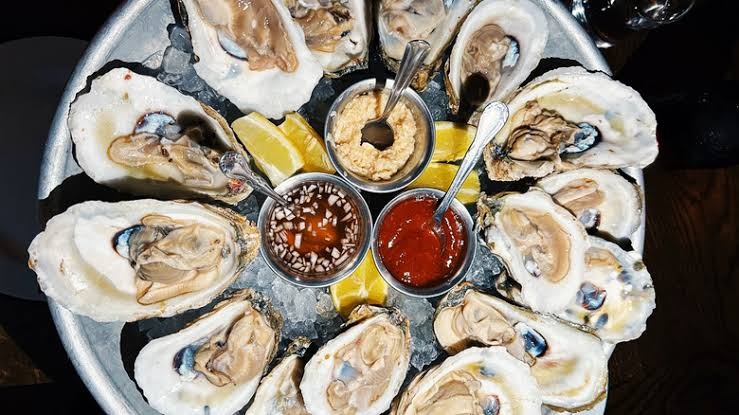
Raw oysters are often considered a delicacy, served chilled with lemon or sauces. But they carry a different set of concerns from those associated with mercury or overfishing.
Oysters filter water as they feed, and harmful microorganisms or naturally occurring pathogens can accumulate in their tissues. Eating contaminated raw oysters can cause serious illness, including infections caused by Vibrio bacteria.
Importantly, oysters can look, smell, and taste normal even when they contain harmful pathogens. Buying them from a reputable restaurant reduces some risks but does not eliminate them.
People with certain medical conditions, weakened immune systems, or chronic liver disease may face a greater risk of severe illness. Pregnant people should also avoid raw or undercooked shellfish.
What to do instead: Choose fully cooked oysters or other cooked shellfish. Proper cooking reduces the risk of many foodborne infections, although safe handling remains important.
How to Choose Seafood More Wisely at Restaurants
You do not need to memorize every species or avoid all farmed seafood to make better choices. A few practical questions can help you understand what is on your plate.
Ask where the seafood comes from
A restaurant that knows its suppliers should be able to provide at least basic information about the species and country or region of origin. For wild-caught fish, the specific fishery can be important. For farmed products, the production location and standards may help clarify the environmental considerations.
Check current sustainability recommendations
Seafood recommendations change as fish populations, management practices, and scientific assessments evolve. Resources such as Monterey Bay Aquarium’s Seafood Watch program can help consumers evaluate particular species and sources.
For certified wild seafood, Marine Stewardship Council certification may provide useful information about the fishery. For farmed seafood, credible aquaculture certifications may help assess environmental and management standards.
No single label answers every question, so consider the specific product and what the certification actually covers.
Understand mercury guidance
Mercury is not a reason to avoid all fish. Many seafood choices are low in mercury and provide nutrients that are important for health.
The FDA and EPA publish advice on fish consumption, including recommendations for pregnant people, those who may become pregnant, breastfeeding people, and children. Their guidance distinguishes between fish that are better choices and species that should be avoided because of higher mercury levels.
Consider how the dish is prepared
Sourcing is only one part of the decision. Deep-frying, heavy sauces, excess salt, and large portions can change the nutritional profile of a seafood meal.
Grilled, steamed, or baked seafood can be a practical choice when you want a meal that emphasizes protein without excessive added fat. However, preparation should be considered alongside the species, source, and your own dietary needs.
The Bottom Line: Seafood Can Still Be a Healthy Choice
Seafood can provide important nutrients and fit comfortably into a balanced diet. The goal is not to avoid tilapia, shrimp, salmon, tuna, or other familiar favorites simply because some production systems or fisheries face challenges.
Instead, it is worth looking beyond the name printed on the menu.
The source of the seafood, the farming or fishing method, the condition of the relevant fishery, and the potential for mercury exposure all help determine whether a particular choice is suitable.
When dining out, ask questions, choose sellers who provide clear answers, and consult current sustainability and food-safety guidance when needed. If a restaurant cannot identify its seafood source, consider ordering something with more transparent information.
The best seafood choice is not necessarily the most expensive or the most popular. It is one that fits your health needs, comes from a reasonably well-managed source, and is handled and prepared safely.
Disclaimer: This article is for general informational purposes only and is not a substitute for individualized medical or dietary advice. Mercury guidance and seafood recommendations can change; consult current FDA and EPA guidance for advice specific to pregnancy, childhood, and other individual needs.