When a Beautiful Backyard Visitor Becomes a Concern
A backyard filled with birdsong is something many homeowners work hard to create. Feeders attract colorful songbirds, shrubs provide shelter, and quiet corners become favorite places for birds to rest and search for food.
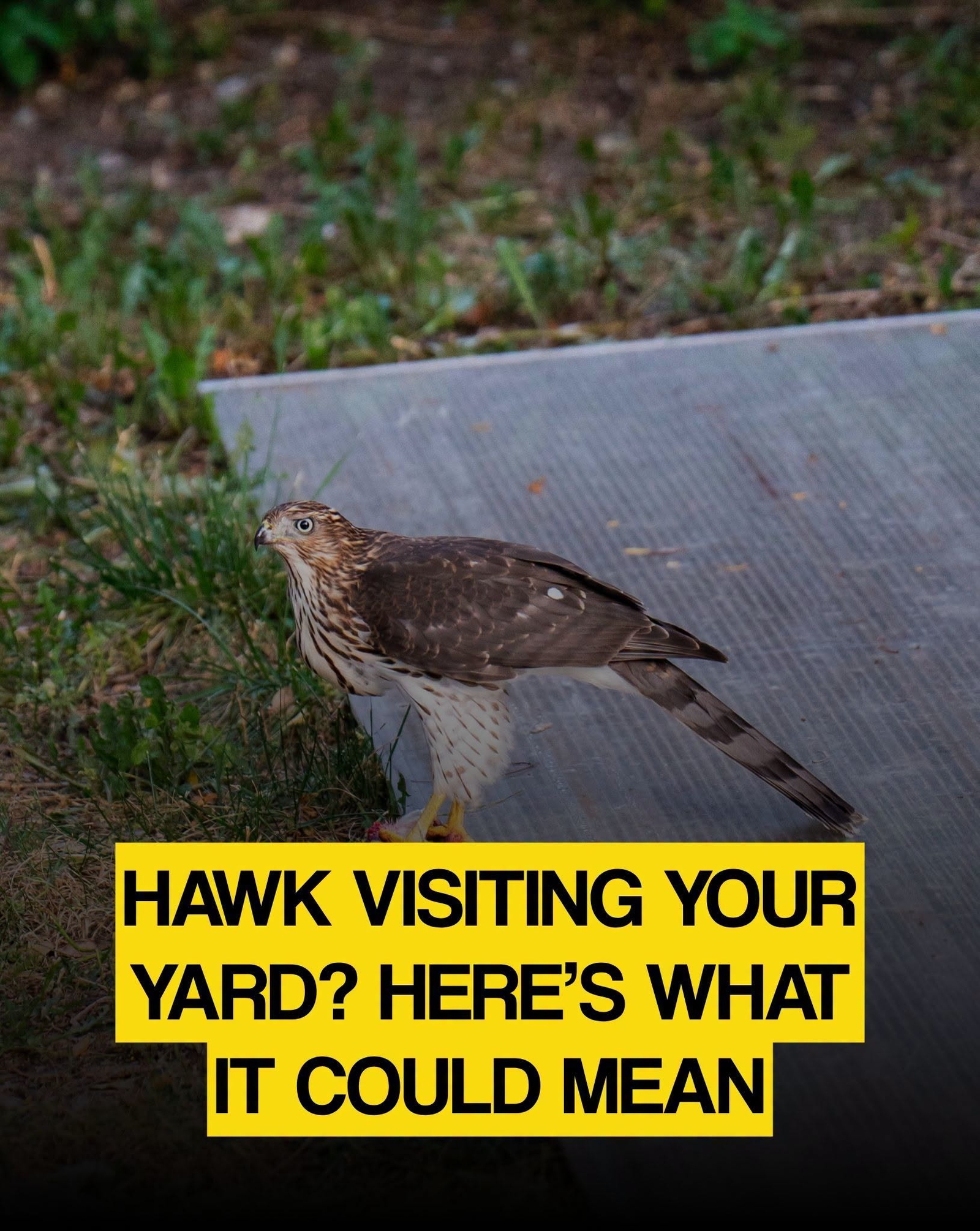
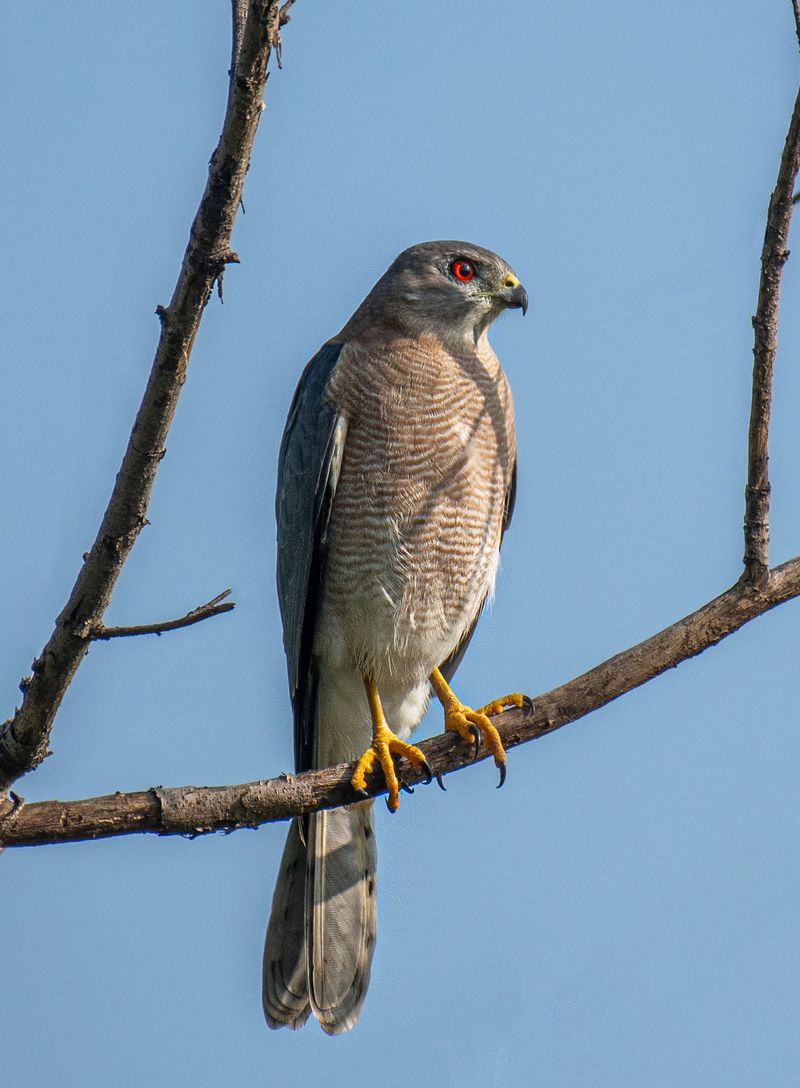
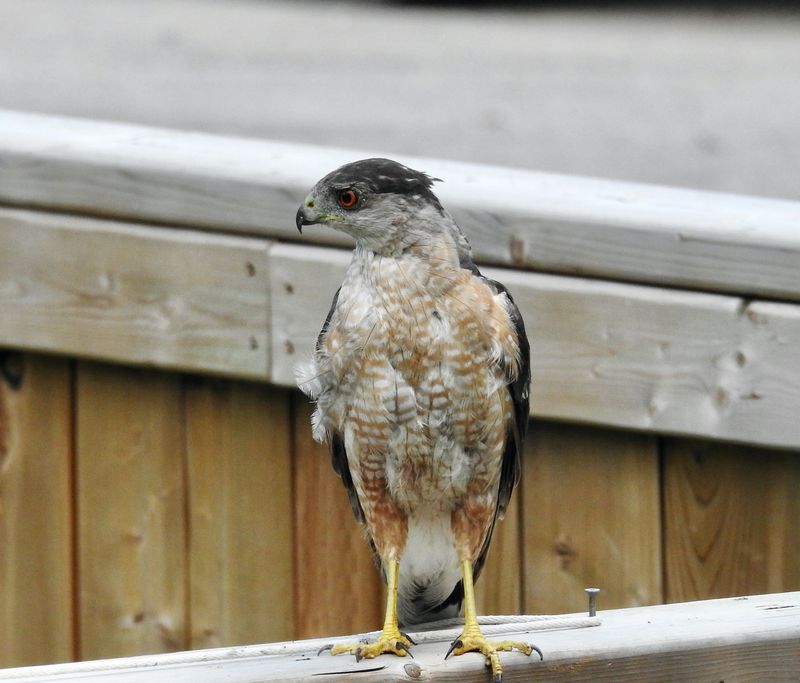
Then one morning, a Cooper’s hawk appears.
It may land on a fence, perch in a nearby tree, or sit quietly near the bird feeder. At first, its presence can feel like a special wildlife encounter. Its sharp eyes, streamlined body, and quick movements make it fascinating to watch.
But the mood can change when the smaller birds suddenly disappear.
Cooper’s hawks are skilled hunters that primarily pursue other birds. A backyard feeder can unintentionally create an attractive hunting area because it brings several potential prey animals together in one predictable location.
For people who enjoy watching songbirds, this can be difficult to witness. The hawk may be an impressive visitor, but its arrival can also change the entire atmosphere of the garden.
Understanding why these birds visit, what risks they create, and how to protect vulnerable wildlife can make sharing the yard much easier.
1. Bird Feeders Can Become Unexpected Hunting Grounds
Bird feeders are designed to attract small birds, but they can also attract the predators that hunt them.
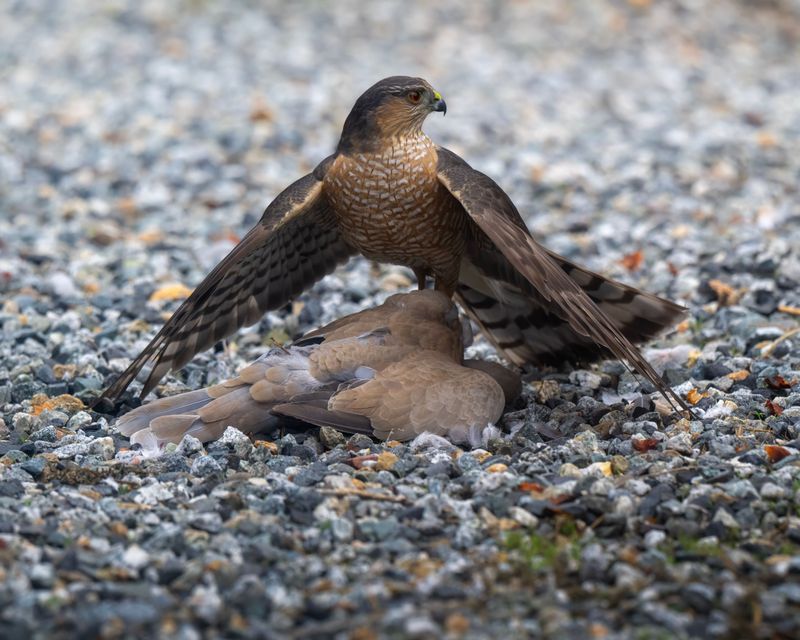
When finches, sparrows, doves, and other species gather around a feeder, they create an opportunity for a Cooper’s hawk. Rather than spending hours searching through a large area, the hawk can watch a familiar feeding location and wait for an opportunity.
Its hunting style depends heavily on speed, agility, and surprise. Cooper’s hawks often use trees, shrubs, and other obstacles to approach prey before making a rapid pursuit.
This can turn an otherwise peaceful feeding station into an ambush location.
If a hawk repeatedly visits and smaller birds begin avoiding the feeder, temporarily removing the food source may help. Without a concentrated gathering of potential prey, the location may become less attractive as a hunting spot.
Penn State Extension recommends taking feeders down for a few days when hawks repeatedly hunt around them. Providing dense shrubs and other natural cover also gives smaller birds places to hide when a predator approaches.
The goal is not to punish the hawk. It is to reduce the conditions that make the yard an especially convenient hunting location.
2. Songbirds May Disappear When a Hawk Is Nearby
One of the first changes homeowners notice is the sudden silence.
A garden that normally contains constant movement may become unusually quiet. Birds that once visited throughout the day may stop appearing, while others remain hidden among branches and dense vegetation.
This behavior is a natural response to danger.
Small birds use alarm calls, rapid movements, and protective cover to avoid predators. When a Cooper’s hawk begins patrolling an area, they may become more cautious and spend less time feeding in exposed locations.
However, a temporary decline in feeder activity does not necessarily mean the local bird population has been damaged. Birds may simply be avoiding the immediate area until the danger passes.
Gardeners can help by maintaining native shrubs, hedges, and layered vegetation. These features provide smaller birds with places to retreat and can make a backyard more useful as a habitat.
It is also worth remembering that hawks are part of the natural predator-prey relationship. Their presence is not automatically a sign that something is wrong with the local bird population.
3. Backyard Chickens and Chicks May Need Extra Protection
For households that keep poultry, a Cooper’s hawk can create a more practical concern.
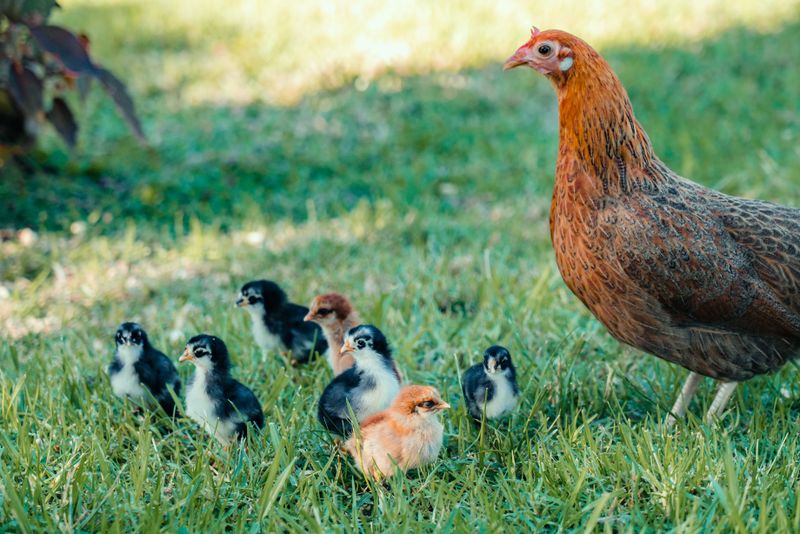
Young chicks and small birds are vulnerable to aerial predators, particularly when they spend time in open areas without overhead protection. A hawk watching from a nearby tree may be difficult to notice until it makes a sudden approach.
This is why a secure enclosure is more reliable than hoping a predator will stay away.
A covered chicken run with strong sides and suitable overhead protection can reduce opportunities for hawks to reach poultry. Any gaps in the enclosure should be checked, especially around gates, corners, and the roof.
Young chicks should remain in a properly protected brooder or enclosure until they are ready for a larger, secure space.
The Indiana Department of Natural Resources also recommends strengthening poultry enclosures with suitable fencing or netting and limiting exposure during periods when predators are most active.
Scare devices may have inconsistent results, particularly when a predator becomes accustomed to them. Physical protection is the more dependable approach.
4. A Successful Hunt Can Leave Feathers Behind
Another unsettling discovery is a collection of feathers beneath a tree, fence, or familiar perch.
Cooper’s hawks may use elevated locations as places to rest or consume prey. After a successful hunt, they can pluck feathers before eating, leaving visible evidence on the ground.
For someone who regularly watches the smaller birds in the garden, finding those feathers can be upsetting.
It is important to understand that this behavior is part of the hawk’s natural feeding process. The bird is not acting out of malice or deliberately trying to disrupt a homeowner’s garden.
Scattered feathers can also have other explanations, so they should not automatically be treated as proof that a Cooper’s hawk made a kill.
If the hawk is frequently hunting near a feeder, temporarily removing the feeder and improving nearby cover may help reduce repeated encounters.
5. Fast Pursuits Can Lead to Window Collisions
A hawk chasing another bird through a residential garden can create another potential danger: windows.
During a sudden escape, smaller birds may fly toward reflective glass without recognizing it as a solid surface. The reflections of trees, sky, and vegetation can make windows appear like open flight paths.
A collision can cause serious injury or death, even when the bird initially appears to recover.
To reduce the risk, homeowners can apply closely spaced visual markers to the exterior of windows. Screens, external patterns, and other visible treatments can also help birds recognize glass as an obstacle.
Feeder placement matters too. Audubon recommends positioning feeders either very close to windows or farther away, rather than leaving an intermediate distance where birds can build up considerable speed before reaching the glass.
These precautions help protect birds regardless of whether a hawk is present.
6. Nesting Cooper’s Hawks May Become More Defensive
A Cooper’s hawk near a nest can behave differently from one simply passing through the garden.
During the breeding season, adult hawks may become defensive when people or other animals approach their nesting area. They are protecting eggs or young birds, and their behavior can include alarm calls, close approaches, and other warning displays.
If you notice a pair repeatedly visiting the same tree or carrying nesting material, avoid disturbing the area.
Keep children and pets away from the immediate nesting site, and choose another route through the garden if the birds appear agitated.
There is usually no need to approach the nest or attempt to inspect it closely. Giving the birds space is safer for both the wildlife and the people living nearby.
7. Small Pets Should Be Supervised Outdoors
Many homeowners worry when they see a large hawk near a small dog or cat.
Although Cooper’s hawks primarily hunt birds, encounters with small pets can cause understandable concern. The actual risk to cats and dogs should not be exaggerated, but supervising very small animals outdoors is a sensible precaution around wildlife.
Keep pets within sight, avoid leaving tiny animals unattended in open areas, and provide secure outdoor enclosures when appropriate.
If a hawk is behaving defensively near a nest, staying away from that area is particularly important.
The best approach is to protect pets through ordinary supervision rather than trying to frighten, chase, or harm the bird.
8. Cooper’s Hawks Are Protected Under U.S. Federal Law
One important detail is that Cooper’s hawks are protected in the United States.
The species is included on the list of birds protected under the Migratory Bird Treaty Act. This law generally prohibits unauthorized actions such as capturing, killing, possessing, or transporting protected birds, as well as taking their eggs or nests.
That means homeowners should not attempt to trap, poison, injure, or kill a Cooper’s hawk simply because it visits a backyard feeder.
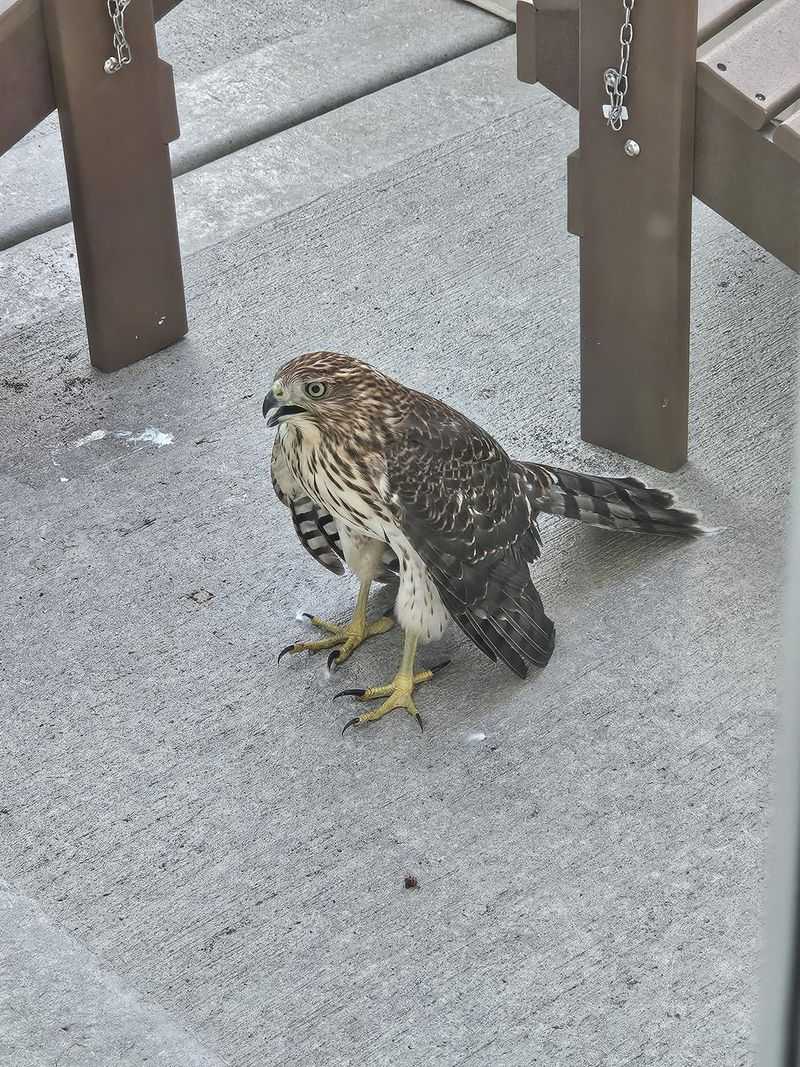
If an injured hawk is found, avoid handling it yourself. Raptors have strong feet and sharp talons, and an injured bird may react defensively. Contact a licensed wildlife rehabilitator or the appropriate local wildlife authority for assistance.
When a nesting hawk becomes a concern, local wildlife officials can provide guidance on lawful and appropriate ways to manage the situation.
How to Share Your Yard With a Cooper’s Hawk
Seeing a Cooper’s hawk in the garden can create mixed feelings. Its speed and hunting ability are remarkable, but watching it pursue a familiar songbird can be difficult.
Fortunately, homeowners do not have to choose between protecting smaller birds and respecting the hawk.
A few practical steps can make a difference. Temporarily remove feeders if a hawk repeatedly hunts around them. Maintain dense native shrubs that offer songbirds places to hide. Keep poultry in secure, covered runs, and supervise small pets outdoors.
Make windows easier for birds to recognize, and give nesting hawks plenty of space.
Most importantly, remember that a backyard is not simply a place for the animals people want to see. It is part of a larger ecosystem where predators and prey interact.
A Cooper’s hawk may not always be the visitor a bird lover hopes to see. But with sensible precautions, it is possible to protect vulnerable animals while allowing this remarkable wild hunter to remain part of the neighborhood.