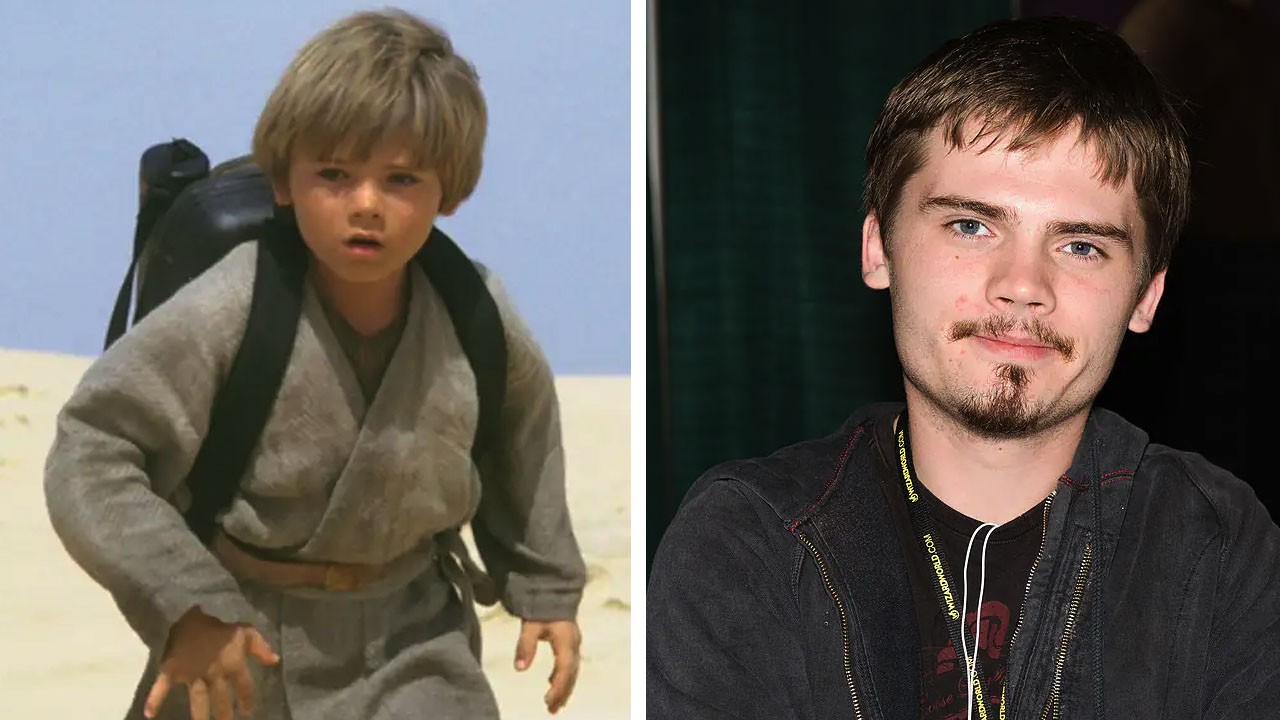
Jake Lloyd, Young Anakin Skywalker, Shows Progress After Schizophrenia Treatment Program
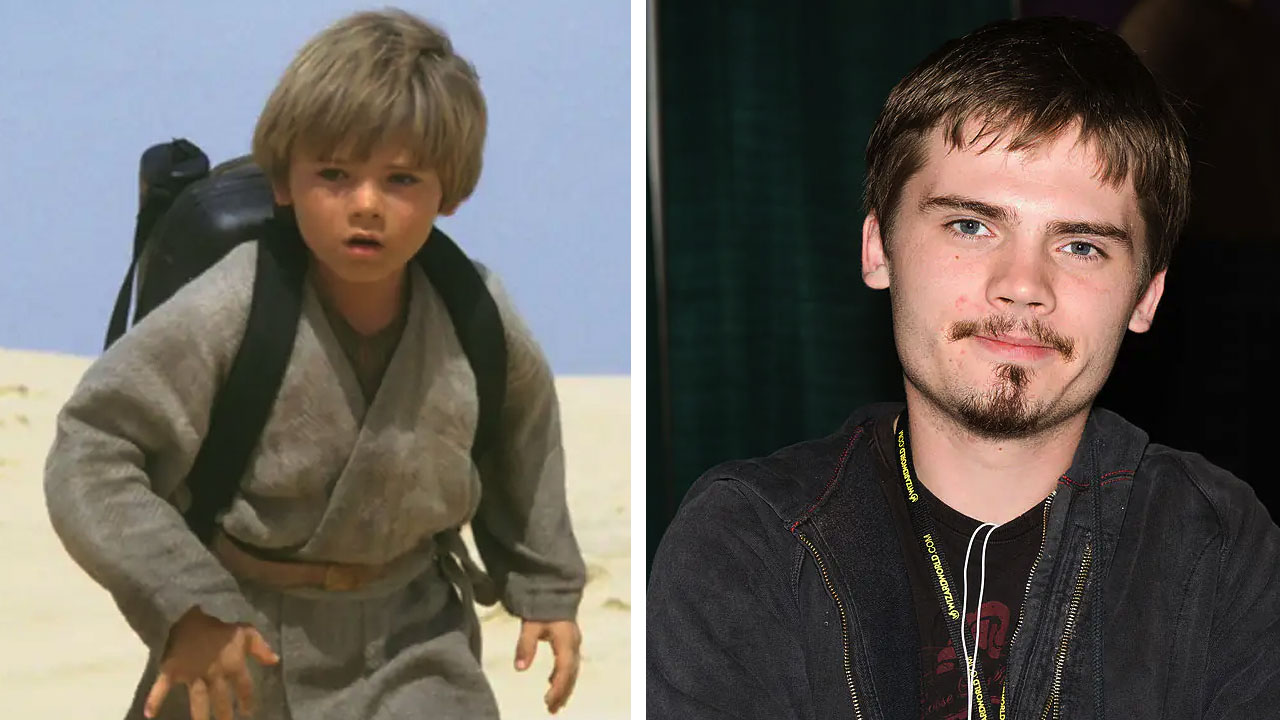
Jake Lloyd, the actor best known for portraying young Anakin Skywalker in Star Wars: Episode I – The Phantom Menace, has recently demonstrated significant improvements in his mental health after finishing a comprehensive treatment program for schizophrenia. Lloyd, now aged 37, retired from acting at a young age and stepped away from the public spotlight, but his story highlights important issues around child stardom, mental health challenges, and the power of medical and community support.
The Rise to Fame and Its Pressures
Jake Lloyd’s acting career began at a young age with prominent roles in Hollywood productions. He starred in the 1996 holiday classic Jingle All the Way alongside Arnold Schwarzenegger, gaining attention for his natural talent and charm. However, it was in 1999, at the age of ten, that Lloyd’s fame accelerated dramatically with his central role in one of cinema’s most beloved franchises.
Landing the part of Anakin Skywalker exposed Lloyd to an intense level of public and media scrutiny. While the Star Wars prequel was highly anticipated and successful, it also sparked polarized reactions from fans and critics—a situation that often saw the young actor subjected to criticism, especially on the nascent internet. Lloyd and his family have since spoken about how this abrupt exposure to international fame contributed to a difficult school life in which he experienced persistent bullying due to his role in the iconic film.
Mental Health Struggles and Diagnosis
The challenges associated with childhood fame began to manifest as mental health difficulties for Lloyd during his teenage years. According to his mother, Lisa Lloyd, her son began expressing confusion around his personal sense of reality while still in high school. In comments shared with Scripps News, she noted, “He started talking about ‘realities.’ He didn’t know if he was in this reality, or a different reality. I didn’t really know exactly what to say to that.”
This marked the beginning of a long journey involving psychologists, psychiatrists, and numerous therapy sessions, ultimately leading to a diagnosis of paranoid schizophrenia. This chronic mental disorder, which impacts how a person thinks, feels, and behaves, is known for symptoms such as delusions, hallucinations, and disorganized thinking. Lloyd’s diagnosis was compounded by a deep depression that left him and his family searching for treatment pathways and support systems.
Understanding Schizophrenia and Anosognosia
Schizophrenia is a complex neurodevelopmental disorder that affects approximately 20 million people worldwide, according to the World Health Organization (WHO). It can cause diagnostic and treatment challenges for both patients and their loved ones. One complicating factor is anosognosia—a neurological condition characterized by a lack of insight or awareness of one’s illness.
Jake Lloyd and his mother have openly discussed his experience with anosognosia, which, as detailed in a recent interview with Star Wars: Timelines co-author Clayton Sandell, made it difficult for Jake to recognize his need for medication or ongoing treatment. His mother explained, “Jake’s condition stopped him from wanting to take medication because he didn’t believe he was sick.” This challenge is not unique to Lloyd, as research published in journals such as Schizophrenia Bulletin notes that anosognosia is present in up to 50% of individuals with schizophrenia and is a leading cause of non-adherence to treatment regimens.
Progress Through Structured Treatment
Despite these challenges, recent updates from those close to Lloyd have been encouraging. According to Clayton Sandell, who has regularly checked in with Jake and Lisa Lloyd over several years, signs of progress are visible and inspiring. He wrote: “I spent part of my weekend catching up with Jake Lloyd and his mom Lisa. I’ve been honored to help share their story over the last few years. As you may know, they’ve faced a lot of ups and downs managing Jake’s schizophrenia diagnosis. I’m really happy to share, however, that today Jake is doing better than I’ve ever seen him. He’s engaging, curious, and funny. We had a great conversation about video games and editing programs, two of his big interests.”
In June 2023, Lloyd completed a long-term structured treatment program designed to help patients with serious mental illnesses maintain stability and long-term wellness. As Sandell described, “In June, he completed a long-term program that has done wonders for him, helping him stay on track with medication, therapy, and other life skills. Progress is measured in days sometimes, but along with his mom, who continues providing extraordinary and unwavering support, there are many reasons to be optimistic about Jake’s future.”
Recovery and Family Support
The role of family and a supportive environment cannot be overstated in mental health recovery. Lisa Lloyd’s commitment to her son’s well-being has been a consistent theme throughout Jake’s journey. Medical professionals and mental health researchers emphasize that positive family involvement and encouragement significantly improve outcomes for individuals living with schizophrenia. Support programs often include psychoeducation for family members, communication skills development, and coordinated care with mental health professionals.
Jake Lloyd’s experience echoes broader findings from the National Institute of Mental Health (NIMH), which indicate that treatment for schizophrenia typically involves a combination of medication, psychotherapy, social support, and sometimes vocational rehabilitation. When family members are actively engaged and educated about the condition, patients are more likely to adhere to their medication and therapy, leading to improved quality of life.
Public and Professional Perspectives
Jake Lloyd’s candidness about his mental health has prompted positive reactions both from the Star Wars community and from mental health advocates. His story illustrates the unique pressures faced by child actors and the long-lasting effects media scrutiny can have on mental well-being. In recent years, there has been a growing recognition within the entertainment industry and among the general public about the importance of mental health support for child actors. Organizations such as the Screen Actors Guild‐American Federation of Television and Radio Artists (SAG-AFTRA) now highlight best practices for supporting young talent, including access to qualified counselors and programs that prioritize emotional wellness.
Experts in psychiatry and psychology reiterate that schizophrenia, while a serious condition, is manageable with appropriate treatment and ongoing support. Dr. Elyn Saks, a Professor of Law, Psychology, and Psychiatry and the Behavioral Sciences at the University of Southern California, has shared her experience of thriving with schizophrenia in interviews and her acclaimed memoir, “The Center Cannot Hold.” She underscores that with treatment, meaningful recovery and a fulfilling life are absolutely achievable, challenging longstanding misperceptions about the disorder. Similar expert views further encourage a shift towards hope and proactive care for individuals facing mental health hurdles.
The Broader Context: Mental Health Awareness and Destigmatization
Lloyd’s public struggles and recent improvements also contribute to the larger conversation around mental health awareness and destigmatization. Stigma remains one of the main barriers, globally, to seeking treatment for mental health conditions, including schizophrenia. Efforts by public figures, advocates, and organizations to share personal stories and reliable information are helping to foster understanding and acceptance. International initiatives such as World Mental Health Day, led by the World Health Organization, aim to raise awareness, promote education about mental health, and dismantle harmful stereotypes.
Within the cultural context, responses from Star Wars fans and fellow actors have been supportive, with many expressing respect for Lloyd’s resilience and openness. Social media provides a venue for solidarity and community support, with many using their platforms to highlight the importance of compassion and the realities of living with mental health challenges.
Looking Forward: Optimism and Ongoing Progress
Jake Lloyd’s story serves as both a cautionary tale about the stresses of early fame and a testimony to human resilience. While schizophrenia is a lifelong medical condition, recent advances in antipsychotic medication, evidence-based therapies, and holistic support programs are dramatically improving outcomes for individuals and families. As more people like Lloyd and his mother share their experiences, the foundation for broader cultural change and greater acceptance of mental health complexities is laid.
His journey also highlights the critical importance of structured treatment programs, early intervention, and persistent family advocacy. Each of these factors is a pillar in modern approaches to mental health care. Jake Lloyd’s future, by all accounts, appears more hopeful, reflecting both advances in mental health treatment and the enduring power of supportive relationships.
Sources
- Scripps News
- Clayton Sandell’s Substack
- World Health Organization (WHO)
- National Institute of Mental Health (NIMH)
- SAG-AFTRA
Disclaimer: This content is intended for entertainment purposes only and is not based on real events.