Romania’s Carpathian Mountains are among Europe’s most spectacular natural landscapes, attracting hikers, photographers, cyclists, and motorcyclists from around the world. Dense forests, winding mountain roads, and abundant wildlife make the region a favorite destination for outdoor enthusiasts seeking unforgettable experiences.
Recently, international attention turned to Romania after authorities reported a fatal wildlife incident involving a foreign tourist in the Carpathian region. The event renewed public discussions about how people can safely observe wildlife, why close encounters with wild animals can become unpredictable, and what both visitors and local authorities can do to reduce risks.
While such incidents are uncommon compared with the millions of successful visits to protected natural areas each year, they highlight the importance of respecting wildlife and following safety guidance when exploring habitats shared with large animals.

What Happened in Romania?
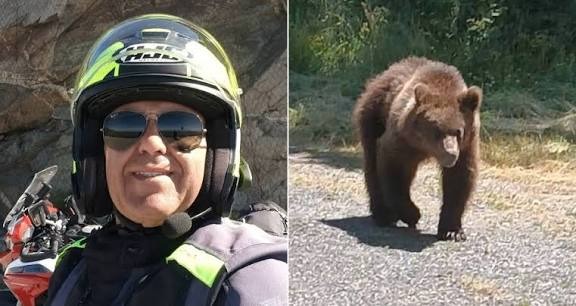
According to Romanian authorities and international news reports, an Italian tourist traveling by motorcycle was involved in a fatal encounter with a brown bear along a mountain road in Argeș County.
Emergency services responded after receiving reports from other visitors in the area. Local officials later confirmed the incident and began an investigation while wildlife authorities assessed the situation.
Although reports indicated that photographs of bears had been shared on social media before the incident, officials have not suggested that photographs alone explain what occurred. The precise sequence of events remains based on the findings of the official investigation.
Romania Is Home to One of Europe’s Largest Brown Bear Populations
Romania contains one of the largest populations of wild brown bears in Europe.
The country’s extensive forests and mountain ranges provide suitable habitat where bears can find food, shelter, and space to roam.
Brown bears play an important ecological role by helping maintain balanced forest ecosystems. As omnivores, they consume a wide variety of foods including berries, nuts, insects, roots, fish, and occasionally animal prey, contributing to seed dispersal and natural ecological processes.
Because these animals require large territories, they sometimes come into contact with people living in or visiting mountain regions.
Why Human and Bear Encounters Happen
Wildlife experts explain that encounters between bears and people occur for several reasons.
Expanding tourism brings more visitors into natural habitats.
Growing communities increase development near forests.
Food waste can attract wildlife toward roads and populated areas.
Seasonal food availability may influence bear movement.
Young bears often remain close to their mothers, making females especially protective.
Each situation differs, and animal behavior cannot always be predicted.
Understanding Bear Behavior
Brown bears generally prefer avoiding human contact whenever possible.
Most spend their time searching for food and caring for their young rather than approaching people.
However, wildlife specialists note that bears may react defensively if they feel surprised, threatened, or believe their cubs are at risk.
For this reason, experts consistently recommend maintaining substantial distance from any wild bear, regardless of how calm it appears.
Wild animals should always be observed from a safe location using binoculars or camera zoom lenses rather than by approaching them.

Why Wildlife Photography Requires Caution
Modern smartphones and social media have encouraged many travelers to document wildlife encounters.
While memorable photographs can celebrate nature, conservation organizations encourage visitors to prioritize safety over obtaining close-up images.
Professional wildlife photographers often use powerful telephoto lenses that allow detailed photographs while remaining far away from animals.
Keeping distance benefits both people and wildlife by reducing unnecessary stress and minimizing the possibility of unpredictable interactions.
Safety Recommendations for Visitors
Park authorities and wildlife agencies generally advise travelers to follow several practical safety measures when visiting bear habitats.
Remain on designated roads and trails.
Observe wildlife only from a safe distance.
Avoid feeding wild animals under any circumstances.
Store food securely while hiking or camping.
Dispose of trash properly.
Follow local warnings and park regulations.
Traveling in groups may also reduce unexpected encounters during backcountry activities.
Conservation and Public Safety
Romania continues working to balance wildlife conservation with public safety.
Brown bears are an important part of the country’s biodiversity and attract many visitors interested in experiencing Europe’s rich natural heritage.
At the same time, wildlife managers continually evaluate strategies that reduce encounters near communities and popular tourist destinations.
These efforts may include improved waste management, educational campaigns, habitat monitoring, and research into bear movement patterns.
Scientists emphasize that successful conservation depends upon cooperation among local communities, visitors, researchers, and government agencies.

The Role of Responsible Tourism
Responsible tourism encourages visitors to appreciate wildlife while minimizing environmental impact.
Simple decisions such as respecting viewing distances, following official guidance, and leaving natural areas undisturbed contribute to safer experiences for everyone.
Travelers also play an important role by learning about local wildlife before visiting unfamiliar regions.
Understanding how animals naturally behave helps create realistic expectations and encourages respectful observation.
Learning From Nature
Every wildlife encounter reminds us that natural environments operate according to ecological principles rather than human expectations.
Animals respond to their surroundings based on instinct, experience, and environmental conditions.
Recognizing this reality encourages greater respect for protected habitats and the remarkable species that inhabit them.
Rather than seeking unusually close interactions, many experienced nature enthusiasts find that observing wildlife from a distance often provides equally memorable experiences.
A Reflection on Wildlife and Human Curiosity
The forests and mountains of Romania continue to inspire travelers with their extraordinary beauty and rich biodiversity. Brown bears remain one of the country’s most iconic wild animals, symbolizing both the power and importance of healthy natural ecosystems.
Recent events also remind us that wildlife deserves careful observation and respectful distance. Scientific research, conservation efforts, and public education all contribute to helping people safely enjoy nature while protecting the animals that call these landscapes home.
Human curiosity has always drawn people toward the natural world. When paired with knowledge, preparation, and respect for wildlife, that curiosity becomes an opportunity to appreciate nature responsibly while helping preserve it for future generations.
Sources
-
Reuters – Romania wildlife and environmental coverage.
-
World Wildlife Fund (WWF). Brown Bear Conservation. https://www.worldwildlife.org/
-
International Union for Conservation of Nature (IUCN). Brown Bear Species Information. https://www.iucn.org/
-
Romania Ministry of Environment, Waters and Forests. https://www.mmediu.ro/
-
National Geographic. Wildlife Safety and Responsible Nature Tourism. https://www.nationalgeographic.com/