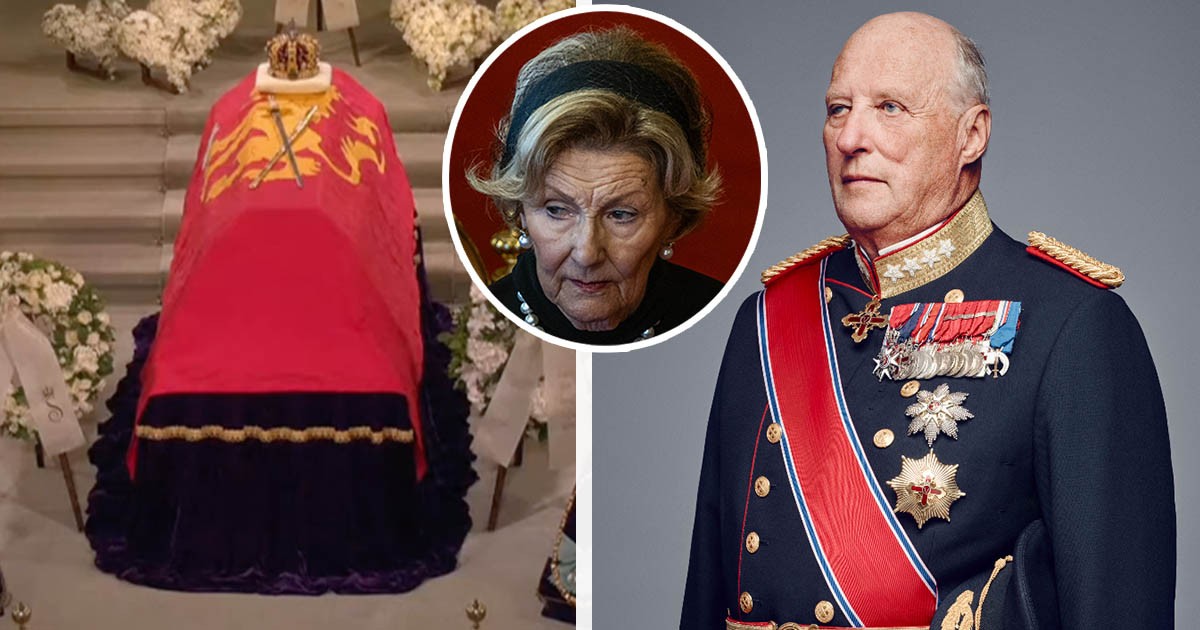
For many Norwegians, the opportunity to stand quietly in front of King Harald’s coffin is more than a formal public ceremony. It is a deeply personal moment to say goodbye to a monarch who has been part of the nation’s modern history for decades.
Following King Harald’s passing at the age of 89, members of the public have been given the opportunity to visit the Palace Chapel and pay their respects before his funeral.
But those planning to attend should be aware that the Norwegian royal court has introduced several important rules.
Among the most significant is a strict prohibition that many visitors might not expect: photographs and videos are not permitted inside the Palace Chapel.
The restrictions are intended to preserve the solemn atmosphere of the occasion and allow mourners to pay their respects privately and respectfully.
The Public Has Been Invited to Say Goodbye
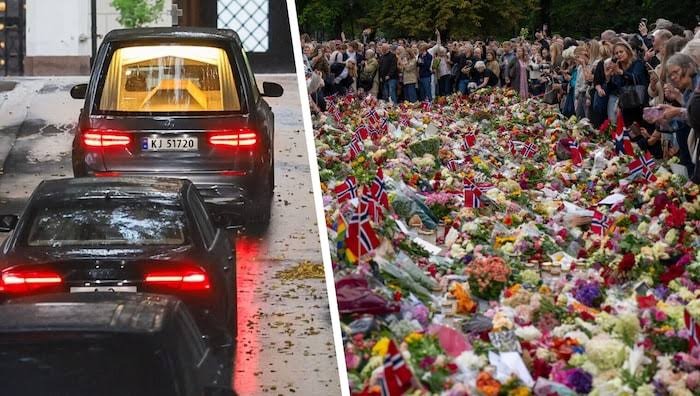
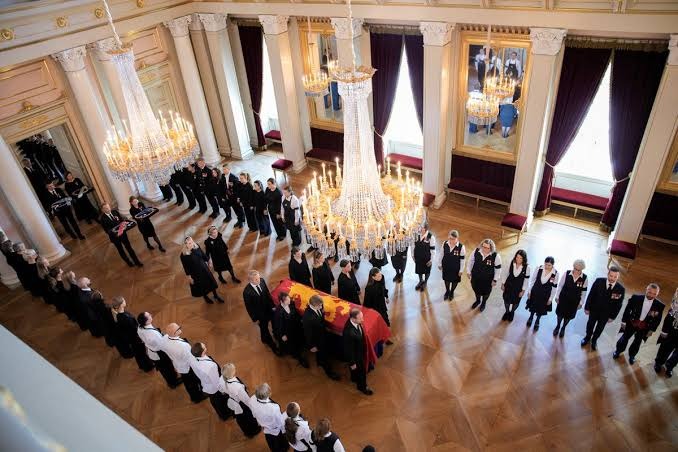
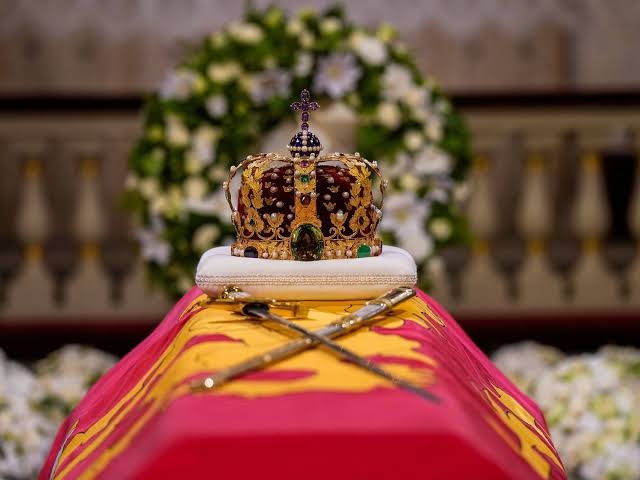
The Norwegian royal court announced that King Harald’s coffin would be moved from the palace to the Palace Chapel, where it would remain ahead of the funeral.
The public procession allows people who wish to attend to slowly walk past the coffin and privately pay their final respects.
It is a traditional moment of farewell, giving members of the public an opportunity to acknowledge the monarch’s long service to Norway.
Rather than being a large ceremonial gathering, the procession is designed to allow visitors to move through the chapel quietly and respectfully.
For many people, simply being present may be enough.
Photography Is Strictly Forbidden
The most important rule for visitors is straightforward.
No photography or filming is allowed inside the Palace Chapel.
The Norwegian royal court has specifically instructed members of the public not to take photographs or record video while inside.
That means visitors should resist the temptation to capture the moment on their phones.
The restriction serves an important purpose. A farewell ceremony is a private and emotional experience even when members of the public are invited to participate.
By keeping cameras away, the chapel can remain a place of reflection rather than becoming a setting for social-media content.
For mourners, this means the focus remains where it belongs: on paying respects.
Visitors Will Pass Through Security
Everyone attending the public procession must go through a security check before entering the chapel.
The royal court has also advised visitors to avoid bringing large bags or unnecessary belongings.
Large items cannot be taken into the Palace Chapel.
For those arriving with luggage, a designated storage area is available. After completing the procession, visitors can collect their belongings.
Any luggage that is left behind will reportedly be transferred to the lost-and-found department of the Oslo Police District.
The practical advice is therefore simple: if possible, arrive with only what is necessary.
Flowers and Messages Cannot Be Left Inside
Many people naturally want to bring something when saying goodbye to a respected public figure.
A flower, handwritten message, or small tribute might seem like an appropriate gesture.
However, visitors attending the public procession for King Harald are not permitted to place flowers or messages inside the Palace Chapel.
This may be surprising to some mourners, particularly those accustomed to seeing flowers placed near royal residences following the passing of prominent public figures.
The restriction helps keep the chapel organized and ensures that the procession can continue smoothly.
Visitors can still participate in the farewell simply by being present.
Sometimes, a quiet moment of reflection can be just as meaningful as a physical tribute.
Special Arrangements Have Been Made for Visitors With Reduced Mobility
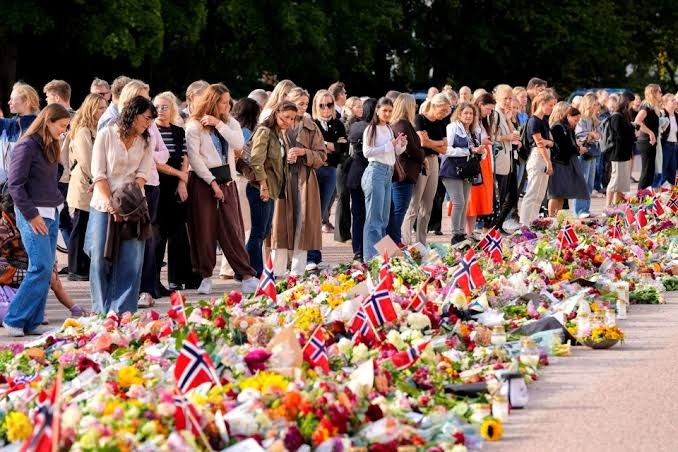
The Norwegian royal court has also made arrangements to ensure that people with reduced mobility can participate.
A special entrance to the Palace Chapel is available for visitors who require easier access.
This is particularly important during a public farewell, when people of different ages and physical abilities may wish to attend.
The arrangements reflect the practical challenges of welcoming large numbers of mourners while maintaining the dignity of the occasion.
Service Dogs Are Allowed
Visitors who rely on service dogs are permitted to bring them into the chapel.
Other pets, however, must remain at home.
The distinction is important because service animals are essential for some visitors and are protected by accessibility rules, while ordinary pets are not necessary for attending the ceremony.
Anyone planning to visit should therefore make arrangements in advance if they are traveling with an animal.
Families With Children Can Attend
The royal court has confirmed that families with children are welcome.
However, parents bringing young children in prams must follow a specific procedure.
Families can queue with their prams, but the prams must be parked outside the Palace Chapel before visitors proceed through the procession.
This arrangement allows parents to participate while keeping the interior of the chapel clear and ensuring that people can move through the space safely and respectfully.
For families, the opportunity to attend can also become a meaningful way of introducing younger generations to an important moment in their country’s history.
When Can the Public Visit?
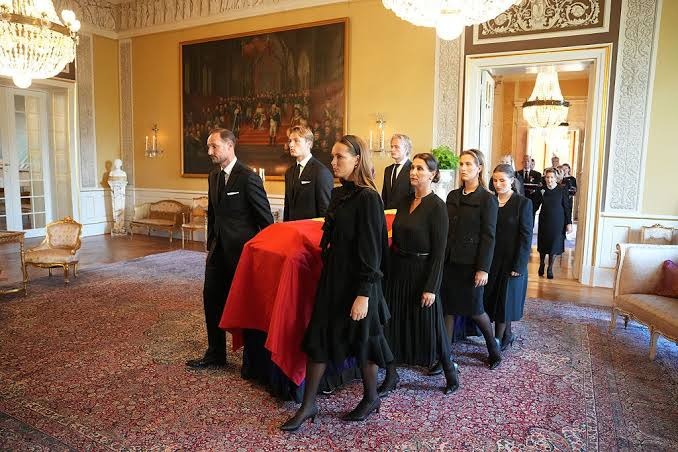
The Palace Chapel has been opened to members of the public during specific hours in the days leading up to the funeral.
According to the Norwegian royal court, public access runs through September 8, with visiting hours from 10 a.m. to 6 p.m.
Visitors should check official information before traveling because arrangements surrounding a royal funeral can change for practical or security reasons.
The public procession is expected to remain orderly, with mourners moving through the chapel rather than gathering for an extended period.
The goal is to give as many people as possible the opportunity to pay their respects.
King Harald’s Funeral Is Scheduled for September 9
King Harald’s funeral is scheduled for September 9.
The days leading up to the funeral provide the public with an opportunity to say goodbye before the royal family and invited guests gather for the formal ceremony.
For Norway, the occasion represents the closing of an important chapter.
King Harald had occupied a unique place in Norwegian public life, serving as a familiar figure through decades of social and cultural change.
For generations of Norwegians, he was not simply a constitutional monarch but a presence they had grown accustomed to seeing at national celebrations, commemorations, sporting events, and other important moments.
That familiarity can make a farewell feel especially personal.
Why Rules Matter During a Royal Farewell
Rules surrounding royal funerals may appear strict at first glance.
No photographs.
No filming.
No flowers or messages inside the chapel.
Restrictions on luggage.
Special arrangements for prams and service animals.
But each rule serves a practical purpose.
A public farewell involving a prominent monarch can attract large numbers of people. Without clear guidelines, even simple actions could create delays, crowding, or distractions.
More importantly, the restrictions protect the atmosphere of the chapel.
A place where people come to say goodbye should allow them to do so without worrying about cameras, social-media posts, or other distractions.
In that sense, the photography ban is particularly significant.
The absence of cameras encourages visitors to experience the moment rather than document it.
A Different Kind of Royal Tradition
Modern royal life exists in a world dominated by smartphones and social media.
Almost every significant public event can now be photographed within seconds.
Royal weddings, official visits, celebrations, and public appearances routinely generate thousands of images online.
A royal farewell, however, is different.
The Norwegian court’s decision to prohibit photography inside the chapel creates a boundary between public access and private remembrance.
People are allowed to enter.
They are allowed to see the coffin.
They are allowed to pay their respects.
But they are asked to leave their cameras behind.
That distinction can make the experience feel more personal.
A Moment for Reflection
The public procession is ultimately about people.
It is about citizens who want to acknowledge a monarch who has been part of their lives.
Some visitors may have followed King Harald throughout his entire reign. Others may remember him from national celebrations or televised royal events.
For younger visitors, the occasion may be an opportunity to learn about a chapter of Norwegian history that they have mostly experienced through photographs and television.
Everyone will have a different reason for attending.
Some may come because of tradition.
Some may come because of respect.
Others may simply feel that they want to be there.
There is no single correct way to experience a farewell.
The Final Days Before the Funeral
As September 9 approaches, the public procession offers a period of quiet reflection before the formal funeral ceremony.
The atmosphere is likely to be very different from the grand public celebrations often associated with royal occasions.
There will be no cheering crowds or festive music.
Instead, visitors will move quietly through the Palace Chapel, following the instructions provided by the royal court.
The simplicity of the process may ultimately be what makes it meaningful.
A person does not need to make a grand gesture to express respect.
Sometimes, simply standing quietly for a moment is enough.
A Farewell to a Familiar Norwegian Figure
King Harald’s passing marks the end of an era for Norway.
Whatever people’s individual views of the monarchy may be, his long presence in Norwegian public life made him a familiar figure to generations of citizens.
The public farewell gives those citizens a chance to acknowledge that connection.
The rules surrounding the procession may seem detailed, but they all contribute to one central idea: respect.
Visitors are being asked to put away their cameras, leave unnecessary belongings outside, follow the security procedures, and allow the procession to continue peacefully.
In return, they are given something quite simple but meaningful — the opportunity to stand in the Palace Chapel and say goodbye.
And as the funeral approaches on September 9, those quiet moments of remembrance will become part of the final chapter of King Harald’s long public life.
For many who attend, the memory may not be the photograph they took.
It may simply be the moment they stood there, quietly, and paid their respects.