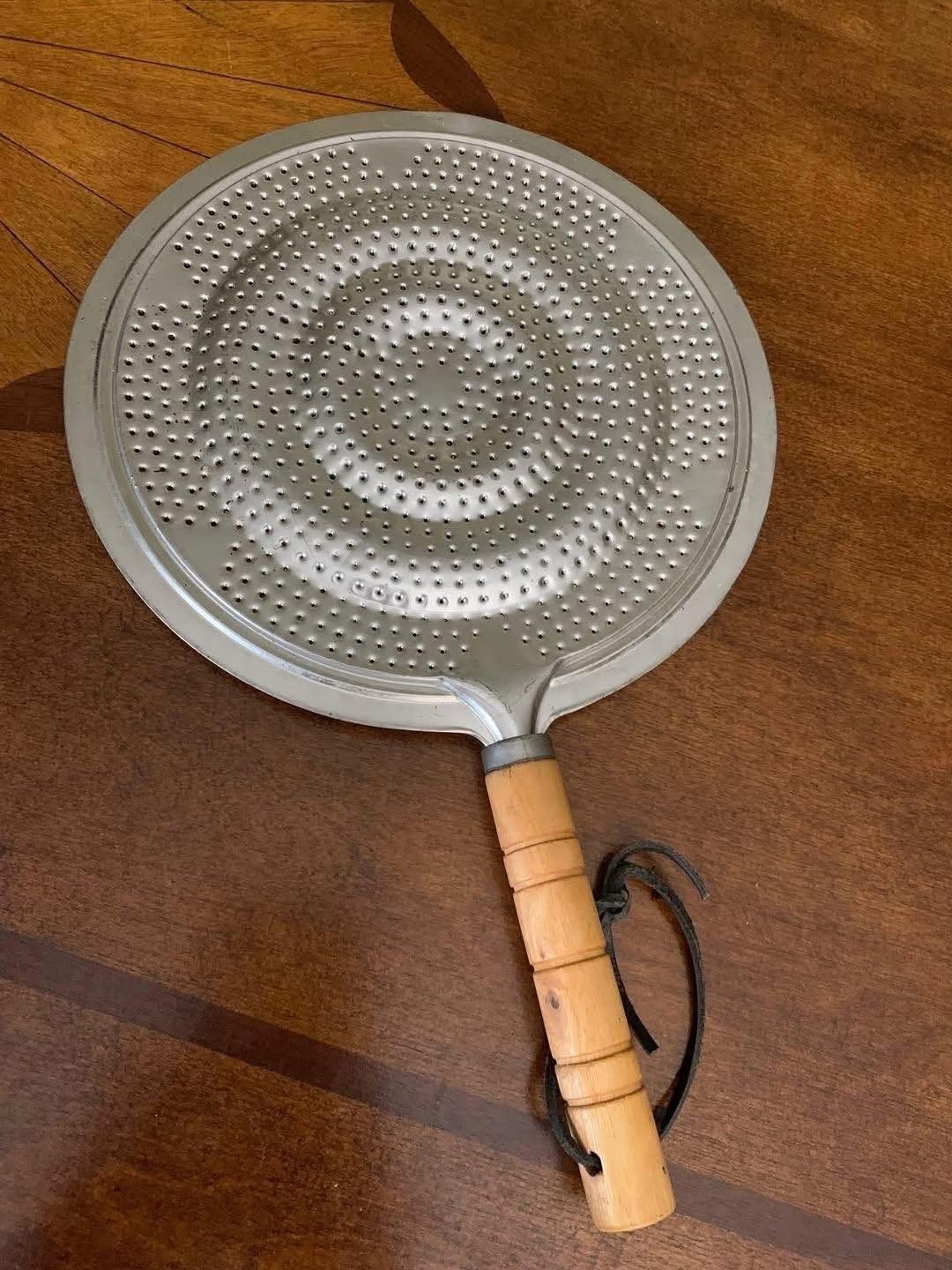
I Found a Mysterious Object Hidden in My Kitchen Drawer That I’ve Kept for Years Without Ever Using It, and Now I’m Finally Trying to Discover What It Was Designed For

The Curious Case of Forgotten Kitchen Tools
Almost every household has at least one drawer filled with a mix of utensils, gadgets, and objects that seem to defy explanation. Whether inherited, bought impulsively, or received alongside more familiar equipment, these mysterious items can linger for years, rarely seeing the light of day. The story of rediscovering a baffling object tucked away in a kitchen drawer is not unique but highlights a fascinating intersection of memory, utility, and curiosity.
Patterns of Ownership: Why Do We Keep Unfamiliar Objects?
Psychologists and organizational experts point out that the act of keeping unused or unfamiliar items is deeply rooted in our behaviors and emotions. According to Dr. David Tolin, a leading authority on hoarding and organization, everyday people often keep objects due to sentimental attachment, perceived future usefulness, or uncertainty about their function. The kitchen, being a mainstay of activity, tends to accumulate gadgets meant to solve culinary challenges, but many become orphaned due to lack of familiarity or knowledge.
In many cases, people forget the origin of a mysterious object. It could arrive as part of a kitchen starter set, be passed down from family, or come packaged with another appliance. Once its original function is forgotten, it joins the ranks of the ‘unknown tools’ category, occasionally sparking intrigue or confusion when rediscovered.
The Psychology Behind “Just in Case” Storage
The tendency to keep items we do not understand stems partially from a “just in case” mentality. According to a BBC Worklife analysis, people are motivated to hold onto objects for fear of needing them in the future. The kitchen drawer serves as a perfect example of this logic: tools are stored, sometimes indefinitely, just in case an unfamiliar culinary need arises.
In the context of kitchen gadgets, the sheer variety and form factor complicate identification. Items such as garlic presses, melon ballers, jar openers, and specialty graters can appear vastly different due to design innovation or cultural purpose. When the original packaging and instructions are missing, recognizing their function becomes a challenge.
Exploring the Process of Rediscovery
Upon finding the mysterious object, curiosity often triggers a process of investigation. Likely, the first step is visual examination: considering the material, shape, moving parts, and any inscriptions. This is followed by crowdsourcing knowledge—turning to family, friends, or online communities dedicated to identifying unknown tools. The process of rediscovery can be surprisingly engaging, transforming an ordinary household scenario into a puzzle-solving exercise.
Social media platforms and specialized forums such as Reddit’s “Whatisthisthing” or Facebook groups are popular choices for seeking help. Members of these communities often possess expertise that spans decades, and contributors frequently provide answers within minutes, drawing on collective experience, reference images, and historical knowledge.
Common Types of Mysterious Kitchen Objects
Over the years, several types of mysterious kitchen objects have gained notoriety due to their obscure appearance. These include:
- Egg separator: A device that separates egg yolks from whites, often taking unfamiliar forms.
- Herb stripper: Used to remove leaves from stems, its shape is not always obvious.
- Cherry or olive pitter: Designed to remove pits or stones, the mechanism can look alien to the uninitiated.
- Citrus zester: Sometimes mistaken for a miniature grater or decorative tool.
- Nutmeg grater: Its compact design is easily confused with other mini tools.
Many objects serve highly specialized purposes, such as crimping pastry edges or injecting marinades. Globalization and the rise of “gadget kitchens” have introduced an even broader selection—many designed for regional cuisines or niche tasks.
Expert Insights: How to Identify Unfamiliar Kitchen Tools
Experts suggest several approaches to identifying unknown objects. Dr. Martha Stewart, culinary educator, emphasizes starting with material analysis: plastics usually suggest modern tools, steel hints at durability and force, and wood sometimes implies traditional use. Next, examine any proprietary marks, manufacturer logos, or patent numbers—these can be researched online and matched with product catalogs.
Testing the item with common foods is also recommended. For example, if the object has sharp blades or a compartment, it may be intended for cutting, slicing, or peeling produce. If the item has a scoop or a pressing mechanism, it could be linked to serving or extracting ingredients. When possible, watch demonstration videos on reputable kitchen channels or consult manuals from well-known brands.
Cultural Context: Kitchen Gadgets Around the World
Kitchen tools differ significantly from culture to culture, reflecting diverse culinary traditions. In Japan, specialized items such as bonito shavers or rice molders are common; in Italy, pasta cutters and ravioli stamps are household essentials. American kitchens tend to embrace multipurpose gadgets, whereas European kitchens often prioritize simplicity and quality.
The internationalization of kitchens has resulted in the widespread distribution of formerly regional utensils, leading to increased curiosity. Scandinavian butter curlers, French cheese planes, and Southeast Asian coconut scrapers may be present in homes far removed from their cultural origins, often unrecognized by new owners.
The Impact of Forgotten Objects on Organization and Efficiency
Kitchen organization experts routinely advise decluttering and regular evaluation of drawers. According to Reuters home guides, a streamlined kitchen not only improves productivity but encourages healthier cooking habits. Forgotten objects can impede efficiency, create confusion, and add to mental clutter.
However, some experts argue that a little mystery adds personality to a kitchen, offering opportunities for experimentation and discovery. Occasionally, rediscovered items find their true calling, becoming daily essentials once their function is known.
The Social Value of Sharing and Solving Kitchen Mysteries
Sharing mysterious finds online creates a sense of community and fosters collective problem-solving. Posts often feature detailed images, descriptions, and stories about origin, inviting others to weigh in with guesses or concrete identifications. Success stories frequently emerge—where an object is tracked down to a vintage catalog or identified as part of a discontinued line.
This social phenomenon supports the idea that collective intelligence, enabled by digital technology, is instrumental in decoding everyday mysteries. It also highlights the satisfaction inherent in solving puzzles and returning forgotten objects to practical use.
Practical Steps: What To Do With Unidentified Kitchen Objects
If you encounter a mysterious object in your kitchen drawer, consider the following steps for identification:
- Photograph and describe: Take clear pictures from multiple angles and note any unique features.
- Consult online forums: Post images and descriptions on reputable platforms or kitchen gadget groups.
- Search manufacturer labels: Look up any marks or patent numbers for product information.
- Experiment cautiously: Use common foods or ingredients to test possible functions without risk of injury.
- Seek expert advice: Local culinary professionals, cooking instructors, or specialty retailers may provide direct insights.
Responsible handling is important, especially with sharp objects. If identification fails, consider donating the item or recycling it through appropriate channels.
Broader Implications: The Emotional Significance of Kitchen Mysteries
The act of rediscovering forgotten objects is not merely practical; it carries emotional resonance. It invites reflection on purchasing habits, family traditions, and the evolution of our kitchens over time. Objects kept for years may hold memories or represent aspirations for culinary skill, even if unused.
The eventual identification of a mysterious kitchen tool can be rewarding, inspiring renewed appreciation for the object and its purpose. In some cases, the story behind the tool—how it was acquired, who gifted it, or where it came from—adds a layer of narrative to the daily activities of cooking.
Conclusion: Embracing the Unknown in Kitchen Drawers
The experience of discovering a mysterious object in the kitchen is nearly universal, blending curiosity, nostalgia, and practicality. By embracing the process of identification—through research, crowd-sourcing, and experimentation—individuals not only solve practical puzzles but deepen their connection with their home environment. As kitchens grow more diverse and global, these objects are reminders of the richness and complexity of everyday life.
Sources
Disclaimer: This content is intended for entertainment purposes only and is not based on real events.