When Betrayal and Serious Injury Change a Family: Recovery, Support and Next Steps
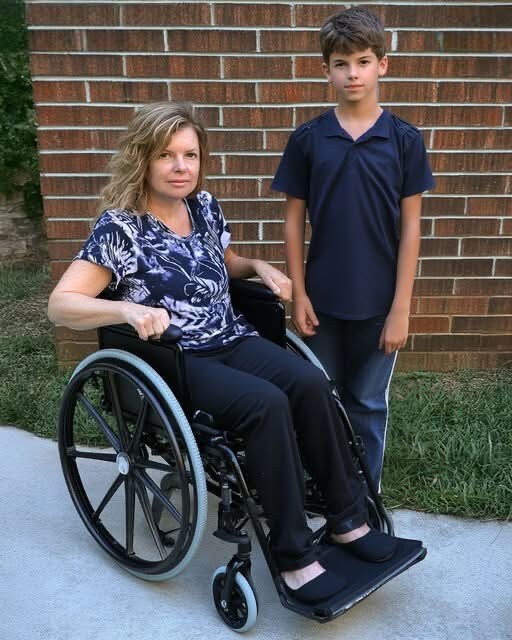
A sudden personal crisis can change every part of life at once. In the draft account, a woman describes discovering evidence of her husband’s relationship with another person after 17 years of marriage. During the immediate emotional shock, she falls and later learns that she has sustained a serious spinal injury. The story raises difficult but important questions about emotional trauma, medical recovery, family stability, and the practical support people may need when a relationship crisis overlaps with a life-changing health event.
Experiences like these are deeply personal, and every family’s circumstances are different. It is also important not to make assumptions about anyone’s medical prognosis, relationship decisions, or legal position based on a brief account. However, reliable guidance from health organizations can help people understand the common challenges involved in recovering from a spinal injury while coping with major emotional distress.
Emotional Shock After Discovering Relationship Betrayal
Discovering that a partner may have concealed a relationship can be profoundly destabilizing. People may experience disbelief, anger, sadness, confusion, anxiety, or an intense sense of loss. These reactions can be especially complicated in a long-term marriage, where a couple may share children, housing, financial responsibilities, friendships, and years of memories.
In the draft, the woman finds an intimate photograph and messages that suggest the relationship had been ongoing for some time. Her husband initially denies the situation, which adds another layer of uncertainty. When trust has been damaged, people often struggle not only with what happened but also with whether they can rely on the information they are being given in the present.
Mental health experts generally recognize that severe interpersonal stress can affect sleep, concentration, appetite, mood, and the ability to make decisions. That does not mean every person will develop a mental health condition. It does mean that taking time, seeking support, and avoiding pressure to make immediate life decisions can be useful steps during the first days and weeks of a crisis.
A trusted friend, family member, therapist, counselor, faith leader, or support group may provide a safe setting to talk through feelings. For people who feel overwhelmed, unable to function, or at risk of harming themselves, urgent support from local emergency services or a crisis hotline is essential.
Why a Fall Requires Medical Assessment
The account also describes a fall during a period of extreme distress, followed by hospitalization and a diagnosis of severe spinal damage. Falls can cause injuries ranging from bruises and fractures to serious trauma involving the head, neck, back, or spinal cord. The severity of an injury is not always obvious immediately after a fall, particularly when a person is shaken, in pain, or focused on another upsetting event.
Medical professionals advise urgent evaluation after a fall when a person has severe back or neck pain, weakness, numbness, difficulty walking, loss of balance, confusion, loss of consciousness, or changes in bladder or bowel control. Emergency clinicians may use physical examinations and imaging tests, such as X-rays, CT scans, or MRI scans, to assess possible injury. The appropriate tests depend on the person’s symptoms and clinical situation.
When a spinal cord injury is suspected, careful handling is crucial. Moving someone unnecessarily after a serious fall may increase the risk of further injury. Emergency responders are trained to stabilize people safely while arranging assessment and treatment. Anyone who believes they or another person may have a serious spinal injury should contact emergency services rather than attempting to manage the situation alone.
Understanding Spinal Cord Injury and Recovery
A spinal cord injury can affect movement, sensation, strength, and body functions below the site of the injury. The impact varies widely. Some people have incomplete injuries, meaning that some movement or sensation remains. Others have complete injuries, meaning there is no motor or sensory function below the injured area. Only a qualified medical team can explain an individual diagnosis and likely recovery path.
In the draft, a doctor explains that physical therapy may be possible but that walking again is uncertain. This reflects a reality faced by many people with severe spinal injuries: prognosis can be complex, and recovery cannot always be predicted early. Medical teams often consider the location and extent of injury, imaging findings, neurological function, overall health, and response to rehabilitation.
Rehabilitation may involve physiotherapists, occupational therapists, rehabilitation physicians, nurses, psychologists, social workers, and other specialists. Depending on the injury, care can include strengthening exercises, mobility training, pain management, assistive devices, home adaptations, and education about preventing complications. Rehabilitation is not limited to physical recovery; it also supports independence, emotional wellbeing, and participation in family and community life.
Progress may be gradual, and goals can change over time. For one person, recovery may focus on standing or walking with assistance. For another, it may focus on using a wheelchair confidently, returning to work or education, managing daily activities, or adapting a home. A meaningful life and personal independence can take many forms.
The Psychological Impact of a Life-Changing Injury
A serious injury can bring grief for routines, abilities, or expectations that have changed. If that injury occurs alongside relationship betrayal, the emotional strain may be even greater. A person may feel abandoned, fearful about the future, or concerned about who will help with medical appointments, caregiving, finances, and parenting.
Psychological support should be considered an important part of rehabilitation. Counseling can help people process grief, adjust to physical changes, cope with anxiety or depression, and rebuild confidence. Family therapy may also be helpful in some circumstances, particularly where children are affected by conflict or sudden changes at home.
It is important to recognize that emotional recovery is not linear. A person may feel hopeful one day and exhausted or angry the next. Supportive care does not require someone to “stay positive” at all times. It means making room for honest emotions while ensuring that the person has practical resources, professional care, and respectful relationships around them.
Supporting Teenagers During a Family Crisis
The draft mentions a 15-year-old son who witnesses the immediate aftermath of the discovery and fall. Teenagers can be strongly affected when a parent is injured or when they become aware of serious conflict between adults. They may worry about the injured parent, feel pressure to take on extra responsibilities, or blame themselves for not knowing what to do.
Parents and caregivers can help by giving young people age-appropriate, truthful information without placing them in the middle of adult disputes. A teenager does not need every detail of a relationship breakdown, but they may need reassurance that the situation is not their fault and that adults are working to keep them safe and supported.
Maintaining routines where possible can be helpful. School attendance, contact with trusted friends, sports, hobbies, and access to a school counselor may provide stability. Adults should also watch for signs that a young person is struggling, including persistent withdrawal, major changes in sleep or school performance, frequent anger, or expressions of hopelessness. When concerns arise, a pediatrician, mental health professional, or school support team can help.
Practical Steps After a Sudden Health and Relationship Crisis
After an emergency hospitalization, practical decisions can arrive quickly. People may need help organizing medical information, arranging transportation, managing insurance or benefits, adapting a home, and caring for children. It can be useful to identify one or two trusted people who can communicate with healthcare providers, keep notes, and help coordinate immediate needs with the patient’s consent.
Hospital social workers and case managers can often explain available rehabilitation services, home-care options, disability resources, and community organizations. In many places, spinal injury associations and rehabilitation charities also offer peer support from people who have lived through similar changes.
For relationship and financial matters, independent professional advice may be appropriate. A family law solicitor, legal aid service, financial adviser, or domestic abuse support organization can explain relevant options if a person feels unsafe, financially dependent, or unable to access important documents. Seeking information does not force anyone to make a particular decision about their marriage; it simply helps them understand their choices.
In the short term, people may benefit from focusing on immediate priorities: medical safety, a stable place to stay, food and medication, childcare, access to money, and emotional support. Major decisions about separation, reconciliation, housing, or future caregiving arrangements can often be considered more clearly once urgent medical needs are being addressed.
Compassion, Privacy and Respect During Recovery
Stories involving betrayal and serious injury can attract strong reactions from relatives, friends, and online audiences. Yet people in crisis deserve privacy and dignity. It is rarely helpful for others to demand a quick explanation, take sides without knowing the full circumstances, or pressure someone to forgive, leave, or share personal details publicly.
A more supportive response is to ask what the person needs, listen without judgment, and offer specific assistance. This could include bringing meals, helping with transport, collecting prescriptions, supporting a teenager’s routine, or sitting with someone during a difficult appointment. Small, dependable actions can be more valuable than broad promises.
Recovery after a serious injury and relationship rupture may take time. With appropriate medical care, rehabilitation, mental health support, and practical assistance, people can make informed decisions and build a stable path forward. The central priority is not meeting anyone else’s expectations. It is protecting health, safety, autonomy, and the wellbeing of every family member affected by the crisis.
Sources
Disclaimer: This content is intended for entertainment purposes only and is not based on real events.