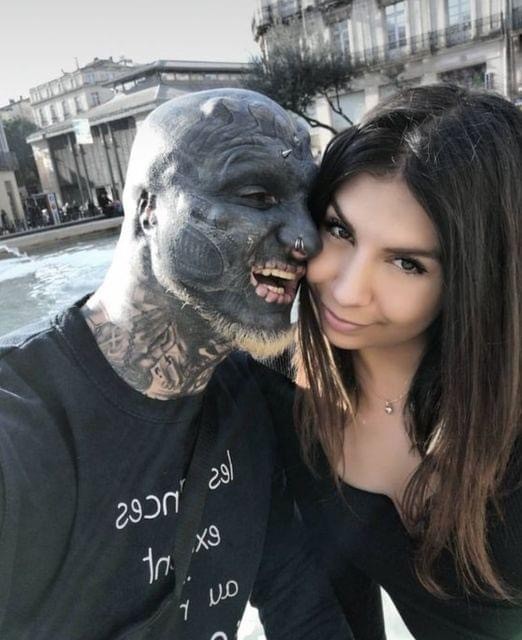
Anthony Loffredo’s Black Alien Project: Body Modification, Identity and Online Attention
Anthony Loffredo, widely known online for the “Black Alien Project,” has become one of the internet’s most recognisable figures in contemporary body modification. Through extensive tattoos, piercings, implants and other appearance changes, Loffredo has developed a highly distinctive visual identity inspired by his stated interest in looking less conventionally human and more like an imagined alien character.
His public transformation has generated substantial discussion across social media platforms, entertainment websites and body-art communities. Supporters often describe the project as an example of personal expression and autonomy, while others raise questions about health, stigma, social acceptance and the way dramatic appearances are presented online. The attention surrounding Loffredo illustrates a broader cultural conversation: where is the line between fashion, art, identity and medical decision-making?
It is important to approach the subject with care. Publicly available accounts of Loffredo’s transformation largely come from his own social-media posts and interviews, and individual procedures should not be treated as instructions or recommendations. Major body modifications can involve significant physical, psychological, social and legal considerations, and qualified medical advice is essential for anyone considering changes to their body.
Who Is Anthony Loffredo?
Loffredo is a French body-modification enthusiast who has documented elements of his evolving appearance through social media. He has referred to his work as the Black Alien Project, framing it as a long-term personal transformation rather than a temporary style change. His online presence has attracted followers interested in tattoos, alternative culture, body art and unconventional self-presentation.
Before becoming widely recognised for the project, Loffredo reportedly worked in a conventional professional environment. In interviews shared online, he has described feeling drawn to a different form of expression and seeking a life that aligned more closely with his personal aesthetic. That narrative has resonated with some people who see body art as a way to make outward appearance better reflect inner identity.
At the same time, a public image can never fully explain a person’s private experience. Social-media posts are curated, and audiences should avoid making assumptions about an individual’s mental health, motives or wellbeing based solely on photographs. Medical or psychological diagnoses cannot be responsibly inferred from appearance.
The Black Alien Project and Its Visual Identity
The Black Alien Project is associated with extensive dark tattoo coverage, facial modifications, body piercings and carefully staged photographs. Loffredo’s images often use strong contrast, dark clothing and deliberate poses that make his appearance immediately identifiable in fast-moving social-media feeds.
His transformation has been discussed in connection with the wider body-modification movement, which includes tattooing, piercing, scarification, implants and other forms of body art. These practices have existed in many cultures for centuries. Tattoos, for example, have held ceremonial, spiritual, social and artistic significance in communities around the world, from Polynesian traditions to Japanese irezumi and contemporary Western tattoo culture.
Modern body modification is diverse. Some people choose small, symbolic changes, while others develop a full-body artistic concept over many years. The motivations can include cultural affiliation, grief, spirituality, aesthetics, identity, community or a desire to mark a life event. Loffredo’s project sits at the more visible end of that broad spectrum, which helps explain why it has attracted international attention.

Images associated with the Black Alien Project are frequently shared as before-and-after comparisons. Such comparisons can be compelling because they show a clear visual change, but they can also reduce a complex individual to a single image. A more thoughtful view recognises that appearance is only one part of a person’s life, relationships, work and sense of self.
Why Extreme Body Modification Draws Online Attention
Social media rewards instantly recognisable imagery. Platforms built around short videos and photographs can rapidly amplify content that is unusual, visually striking or likely to prompt debate. For this reason, people with distinctive tattoos, fashion styles or body modifications can gain large audiences even when they do not seek mainstream celebrity.
Loffredo’s images have been shared widely because they challenge familiar expectations about faces, bodies and beauty. Reactions range from admiration and curiosity to discomfort and criticism. These differences often reflect cultural values, personal experience and varying levels of familiarity with alternative communities.
Online reactions should be interpreted cautiously. Comment sections are not reliable measures of public opinion, and highly emotional responses are often more visible than measured ones. Social platforms can also encourage users to turn real people into viral subjects rather than treating them with the same dignity afforded to anyone else.
For public figures whose appearance is central to their online identity, attention can create opportunities but also significant pressures. Constant commentary may bring harassment, misinformation or invasive speculation. Respectful discussion means avoiding demeaning labels, unverified health claims and assumptions that a person’s appearance determines their character or capacity.
Body Autonomy, Consent and Social Acceptance
Body autonomy is the principle that individuals should have meaningful control over decisions affecting their own bodies. In many societies, this principle supports personal choices about clothing, hair, tattoos and other forms of self-expression. However, autonomy also depends on informed consent, access to reliable information and an understanding of potential long-term consequences.
Visible body modifications can affect everyday life in ways that extend beyond personal style. People may encounter workplace rules, travel restrictions, unequal treatment in public settings or assumptions from strangers. Laws and professional standards vary by country, region and industry. In some places, certain procedures are regulated or prohibited, particularly when they raise concerns about safety, licensing or consent.
The conversation is therefore not simply about whether people approve of a particular appearance. It also concerns whether societies can balance individual freedom with responsible health protections, and whether people with unconventional appearances are treated fairly. Anti-discrimination principles and respectful workplace practices are especially relevant when appearance has no bearing on a person’s ability to do a job safely and effectively.
Health and Safety Considerations Around Body Modification
Health professionals and public-health authorities stress the importance of safety when people consider tattoos, piercings or other body modifications. Risks can include infection, allergic reactions, scarring, complications related to healing and difficulties when procedures are carried out without appropriate hygiene standards or professional oversight.
For tattoos and piercings, reputable practitioners typically follow strict sanitation processes, use sterile single-use equipment where appropriate, explain aftercare and provide clear information about risks. Consumers should be cautious of unlicensed providers, informal settings and online content that presents invasive changes as simple or risk-free.
More extensive modifications may require specialised medical assessment and can have lasting effects on speech, sensation, mobility or daily comfort, depending on the part of the body involved. Anyone considering a permanent change should take time to seek qualified advice, understand local laws and think carefully about long-term practical consequences. A decision made under pressure, distress or the influence of online trends deserves additional pause and support.
It is also important not to confuse interest in body art with a medical condition. Body image concerns and body dysmorphic disorder are serious issues that require professional assessment; they should not be casually attributed to people because they have tattoos or an unconventional appearance. The NHS and mental-health organisations advise people who are distressed by persistent concerns about appearance to speak with a qualified healthcare professional.
Media Ethics and the Language Used in Coverage
Coverage of highly modified people often relies on dramatic language designed to attract clicks. Terms such as “shocking” or “unbelievable” may increase engagement, but they can also encourage audiences to view individuals as spectacles. A more responsible approach explains the context of body modification, distinguishes verified information from online claims and avoids presenting personal choices as entertainment alone.
Accurate reporting should also avoid exaggerating procedures or repeating unconfirmed details. If a claim originates from social media, it should be attributed accordingly. This is especially important when stories involve health, surgery or personal identity, where misinformation can spread quickly and may influence vulnerable readers.
Photographs should be presented respectfully, without dehumanising captions or misleading edits. Readers, meanwhile, can contribute to a healthier online environment by questioning sensational headlines, checking sources and remembering that viral images depict real people rather than fictional characters.
What Loffredo’s Story Says About Modern Identity
The ongoing interest in Anthony Loffredo’s Black Alien Project reflects larger changes in how identity is expressed in a digital age. Tattoos and body art have become increasingly visible in mainstream culture, yet some forms of modification remain outside conventional expectations. This tension makes figures such as Loffredo both highly visible and deeply debated.
For some observers, his project represents the freedom to create a personal image without conforming to traditional standards of beauty. For others, it raises understandable concerns about permanence, health and the influence of online attention. Both perspectives can exist within a respectful conversation, provided that the discussion is grounded in facts rather than ridicule.
Ultimately, Loffredo’s public image is a reminder that appearance can carry different meanings for different people. Society benefits when it allows room for individuality while also promoting informed consent, ethical professional standards and compassionate dialogue. The Black Alien Project may not be familiar or appealing to every viewer, but it has become a notable example of how body modification, internet culture and personal identity now intersect.
Sources
Disclaimer: This content is intended for entertainment purposes only and is not based on real events.