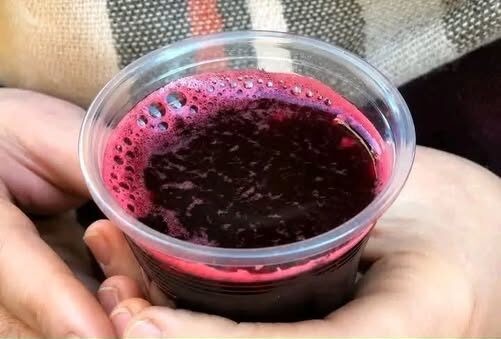
Beetroot, carrots, oranges, celery, ginger and lime combine in this vivid homemade juice with a flavor that is far more complex than its bright ruby-red appearance suggests. Sweet, tangy, earthy and spicy at once, it is a drink designed for people who enjoy bold produce-based recipes rather than ordinary fruit juice.
The deep red color may resemble fruit punch, but beetroot provides the dominant character. Carrots and oranges bring natural sweetness, celery adds a fresh savory note, lime provides acidity, and ginger creates a warming finish. For some people, that full-strength combination will be refreshing. For others, especially first-time beetroot juice drinkers, it may taste intense.
That is where one optional ingredient can make a major difference: apples. Adding two apples can soften the earthiness of beetroot and reduce the perceived heat of ginger, resulting in a sweeter and more familiar-tasting juice. The choice is not about making the drink “healthier” or turning it into a remedy. It is simply an easy way to adapt a strong recipe to personal taste.
Why This Ruby-Red Homemade Juice Stands Out
Homemade juices remain popular because they offer a convenient way to use fruits and vegetables in a single drink. This recipe is distinctive because it combines ingredients that are not usually found together in standard supermarket juices. Beetroot gives the drink its rich color and earthy base, while carrots, oranges and citrus make the profile brighter and sweeter.
Celery is a useful balancing ingredient. Its high water content and mild vegetal flavor can prevent the drink from becoming overly sweet or dense. Fresh ginger, meanwhile, gives the recipe its memorable kick. At the amount listed below, ginger is likely to be the first flavor many people notice.
The ingredients also provide a range of nutrients found in plant foods. However, it is important to avoid overstating what a juice can do. A colorful beverage can contribute to an overall varied diet, but it does not replace balanced meals, medical care, sleep, vaccination, or other established foundations of health.
Ingredients for Beetroot, Carrot and Ginger Juice
This recipe makes roughly one litre of juice, although the final amount will vary depending on the size and freshness of the produce, as well as the type of juicer used.
- 3 medium beetroots, about 400 grams: for color, earthiness and naturally occurring dietary nitrates.
- 3 medium carrots, about 400 grams: for sweetness and beta-carotene.
- 3 oranges: for fresh citrus flavor and vitamin C.
- 175 grams celery: for a crisp, lightly savory balance.
- 75 grams fresh ginger: for a pronounced spicy flavor.
- 1 to 2 limes, or half a lemon: for acidity and brightness.
Optional: Add two apples for a sweeter, softer variation. Sweet apples make the drink more approachable, while tart apples add a sharper fruit note.
Beetroot: Color, Flavor and Nutrition Context
Beetroot is responsible for the juice’s dramatic red-purple shade. Its pigments, known as betalains, occur naturally in the vegetable and have been studied for antioxidant activity. Beetroot also contains dietary nitrates, compounds that the body can convert through several steps into nitric oxide, which has a role in normal blood vessel function.
Research has explored whether beetroot juice may affect blood pressure or exercise-related measures in some circumstances. The findings are still subject to differences in dose, population, health status and study design. For that reason, homemade beetroot juice should not be viewed as a treatment for high blood pressure, heart disease or any other condition. Anyone managing a health concern should follow advice from a qualified healthcare professional.
In practical cooking terms, beetroot’s most important contribution is its earthy flavor. Some people enjoy it immediately, while others find it strong. The carrots, orange, lime and optional apples are useful because they provide contrast without requiring added sugar.
Carrots and Oranges Add Natural Sweetness
Carrots make beetroot juice more accessible because their naturally sweet flavor rounds out the vegetable’s earthiness. They contain beta-carotene, a pigment that the body can convert to vitamin A as needed. Vitamin A supports normal vision, immune function and the maintenance of tissues including skin.
Oranges offer another layer of sweetness, along with acidity and aroma. They are a well-known source of vitamin C, which contributes to normal immune function, collagen formation and the absorption of non-heme iron from plant-based foods. Vitamin C is essential, but drinking orange-containing juice is not a proven way to prevent or cure common infections.
Freshly juiced produce can be enjoyable, but whole fruits and vegetables remain important. Juicing generally removes much of the fiber that helps support digestive health and can make foods more filling. A glass of juice is best regarded as one option within a wider eating pattern that includes whole plant foods.
Celery, Lime and Ginger Create a More Complex Flavor
Celery may appear unusual in a red juice recipe, but it helps create a cleaner finish. Its mild savory quality offsets the sweetness of carrots and oranges, while its water content contributes volume. Without celery, the beetroot may taste more concentrated.
Lime or lemon has an equally important job. Citrus acidity cuts through the earthy and sweet elements, making the juice taste fresher. One lime gives a restrained tang, while two limes produce a brighter and sharper result. Half a lemon is a practical alternative for people who prefer its flavor.
Ginger is the ingredient that changes the recipe most dramatically. Fresh ginger contains pungent compounds, including gingerols, which create its characteristic warming sensation. Ginger has been researched for possible roles in nausea and digestive comfort, but the amount in a homemade juice recipe should be considered a culinary preference rather than a medically established dose.
Seventy-five grams of ginger can be very strong for one litre of juice. People who are sensitive to spicy flavors may prefer to start with 15 to 25 grams, taste the result, and increase the amount in a future batch. It is easier to add more ginger than to reduce its intensity after juicing.
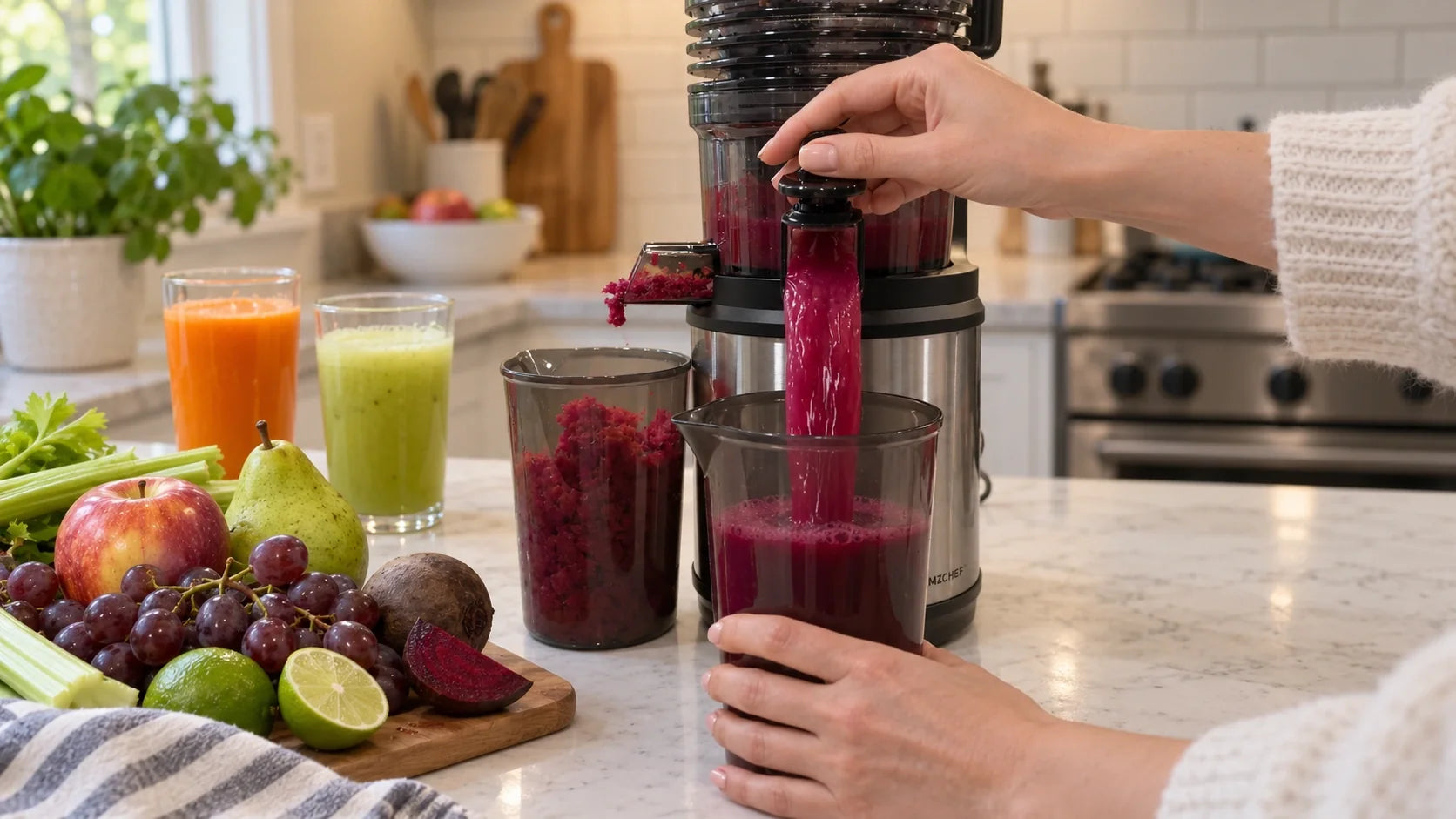
How to Make This Deep Red Homemade Juice
You will need a juicer, a clean knife, a cutting board and a clean pitcher or storage container. Always follow the safety and operating guidance supplied by the manufacturer of your appliance.
- Wash the produce carefully. Scrub beetroots, carrots, celery and ginger under running water to remove visible soil. Wash oranges, limes or lemon before peeling them.
- Prepare the ingredients. Peel citrus fruits, trim the vegetables as needed and cut all ingredients into pieces that safely fit the juicer’s feed chute.
- Juice in manageable batches. Juice the beetroot, carrots, celery, ginger and citrus according to your machine’s instructions. Alternating firm produce with juicier ingredients may help some machines process the mixture smoothly.
- Stir thoroughly. Combine the juice in a clean pitcher and stir so the flavors are evenly distributed.
- Taste before serving. If the juice seems too spicy or earthy, use less ginger next time or add two apples to the recipe.
- Serve promptly. Enjoy the juice chilled if preferred, ideally soon after preparation.
The Optional Apples That Transform the Taste
Two apples can completely change the character of this beetroot juice. Their familiar fruity sweetness makes the drink less challenging for people who are unaccustomed to beetroot, celery or strong ginger. Apples also pair naturally with carrots and oranges, creating a profile closer to a fruit-forward juice.
Choose sweeter apples for a mellow finish or tart varieties for a crisper taste. Wash them well and remove damaged sections before juicing. Depending on the appliance, apples may be juiced with the skin on, but users should always consult their juicer’s instructions.
Apples increase the natural sugar content of the batch, so they are best used as a flavor adjustment rather than a reason to drink larger portions. A small glass can still provide the intended taste experience.
Serving Size and Storage Guidance
A one-litre batch can make four servings of around 250 millilitres each, or eight smaller servings of around 125 millilitres. Smaller portions may be a sensible place to start for people trying beetroot juice or a ginger-heavy drink for the first time.
Fresh juice is best consumed soon after preparation. If there are leftovers, place them promptly in a clean, sealed container and refrigerate at 4°C (40°F) or below. For quality and safety, consume refrigerated homemade juice within one to two days.
Fresh unpasteurized juice can carry harmful microorganisms if produce, hands, equipment or containers are contaminated. This is especially relevant for pregnant people, young children, older adults and people with weakened immune systems. Good hygiene matters: wash produce, clean equipment immediately after use, refrigerate juice quickly and discard juice that has been left at room temperature for an extended period.
Important Considerations Before Drinking Beetroot Juice
Most people can enjoy these ingredients as foods, but concentrated juice may not suit every dietary need. Beetroot contains oxalates, which may be relevant for individuals with a history of certain kidney stones. The recipe also contains naturally occurring sugars from fruit, which may matter to people monitoring carbohydrate intake.
Large amounts of ginger can cause digestive discomfort for some people. People taking medicines, following medically prescribed diets, or managing kidney, blood sugar or digestive concerns may wish to discuss significant dietary changes with a doctor or registered dietitian.
Beetroot can also temporarily color urine or stools pinkish or reddish, an effect sometimes called beeturia when it involves urine. This can be harmless after eating beetroot. However, unexplained or persistent red discoloration, particularly when accompanied by pain or other symptoms, should be assessed by a healthcare professional rather than assumed to be food-related.
Three Easy Ways to Customize the Recipe
- For a sweeter juice: Add two apples and use three oranges.
- For a milder juice: Reduce fresh ginger to 15 to 25 grams and use one lime.
- For a sharper, more intense juice: Keep the full ginger quantity and add extra lime juice gradually to taste.
Chilling the ingredients before juicing is another simple way to make the drink more refreshing without diluting it with ice. Because beetroot can stain hands, cutting boards, towels and countertops, wearing kitchen gloves and rinsing equipment promptly can make cleanup easier.
A Vibrant Juice to Enjoy as Part of a Balanced Diet
The appeal of this homemade beetroot juice is not a miracle claim. It is the contrast between familiar ingredients: earthy beetroot, sweet carrots, bright oranges, crisp celery, sharp lime and fiery ginger. The optional apples offer an uncomplicated way to make that bold mixture more approachable.
Whether served in a small glass at breakfast or shared as a chilled homemade drink, this recipe is best enjoyed for its flavor, color and place within an overall balanced diet. Whole fruits and vegetables should remain central because they provide fiber and other benefits that are reduced when produce is juiced.
For a gentler first experience, start with less ginger and add the apples. For people who enjoy spice and earthy flavors, the original version offers a striking and memorable drink.
Sources
- World Health Organization: Healthy Diet
- CDC: Fruit and Vegetable Food Safety
- U.S. Food and Drug Administration: Safe Handling of Fresh Fruits and Vegetables
- National Institutes of Health Office of Dietary Supplements: Vitamin C
- National Institutes of Health Office of Dietary Supplements: Vitamin A
- Mayo Clinic: Ginger
Disclaimer: This content is intended for entertainment purposes only and is not based on real events.