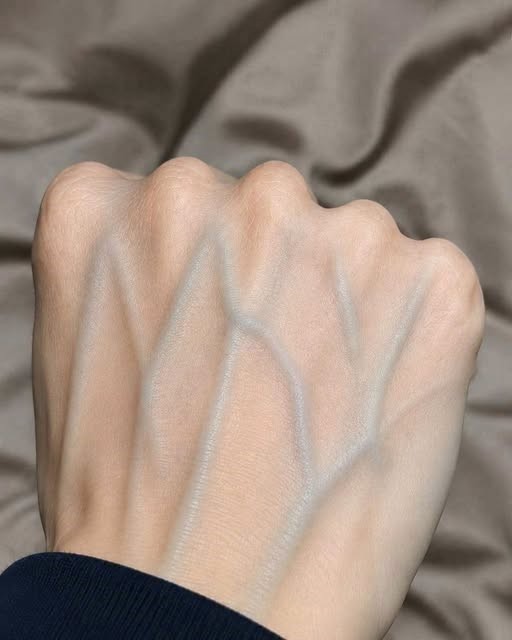
Visible veins can sometimes be alarming, especially when they suddenly appear darker, larger, or more raised than usual. While prominent veins are often a normal part of the body’s anatomy, certain changes can occasionally signal an underlying circulation problem that deserves medical attention.
The key is understanding the difference between veins that have always been noticeable and veins that change unexpectedly. Age, exercise, body composition, and skin thickness can all affect how clearly veins appear beneath the skin. However, symptoms such as pain, swelling, warmth, or sudden changes in skin color should never be overlooked.
So, when are visible veins harmless, and when should you be concerned? Here is what you need to know.
1. Why Do Some People Have More Visible Veins?
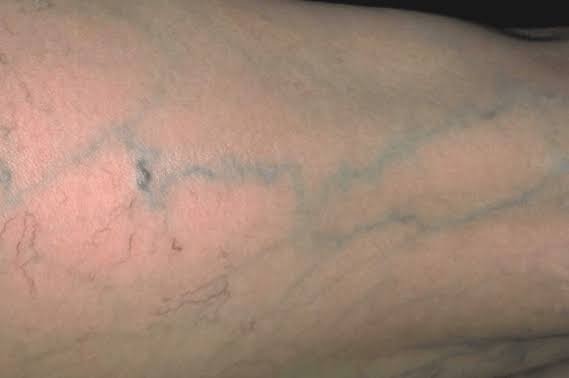
Veins carry blood back toward the heart, and their visibility varies considerably from person to person. In many cases, prominent veins are simply a normal physical characteristic rather than a sign of illness.
Several factors can make veins easier to see:
-
Aging: As people get older, the skin gradually becomes thinner and loses some of its elasticity. The layer of tissue beneath the skin may also change, making veins more noticeable.
-
Low body fat: People with less subcutaneous fat often have more visible veins because there is less tissue covering them.
-
Exercise and muscle development: Physical activity increases blood flow, while well-developed muscles can make nearby veins appear more prominent.
-
Heat: Warm temperatures can cause blood vessels near the skin to widen, temporarily making veins easier to see.
-
Genetics: Some people naturally have veins that sit closer to the skin’s surface.
Veins may be especially noticeable on the hands, forearms, legs, and feet. If their appearance has remained consistent over time and there are no other symptoms, they are often nothing to worry about.
2. When Are Prominent Veins a Normal Part of Aging?
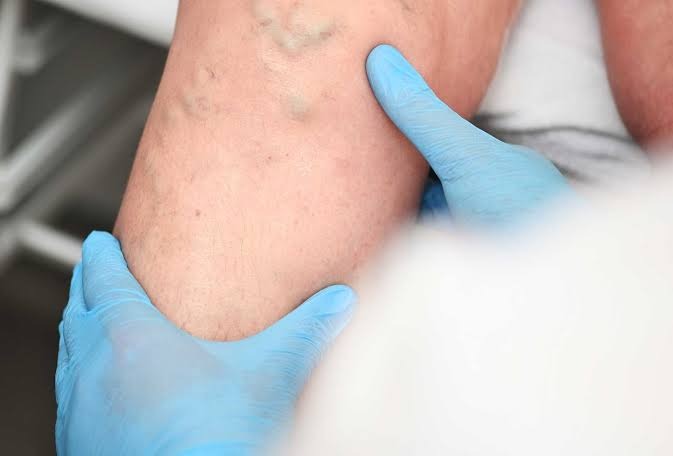
Visible veins can become more common with age. As skin becomes thinner and the tissues supporting it change, veins that were previously difficult to notice may become more apparent.
The backs of the hands are a particularly common area where this change occurs. Some people also notice more visible veins on their lower legs, especially after years of standing, walking, or other everyday activities.
However, aging alone should not automatically be blamed for every new vein change. A vein that suddenly becomes swollen, painful, or unusually prominent may require medical evaluation, particularly if the change affects only one arm or leg.
Paying attention to whether the appearance has changed gradually or suddenly can help you determine whether further assessment may be necessary.
3. Chronic Venous Insufficiency Can Make Leg Veins More Noticeable
One possible explanation for prominent leg veins is chronic venous insufficiency, a condition in which blood has difficulty returning from the legs toward the heart.
Normally, small valves inside the veins help prevent blood from flowing backward. When these valves do not function properly, blood can collect in the lower legs, increasing pressure inside the veins.
Over time, this may contribute to varicose veins and other symptoms, including:
-
Aching or discomfort in the legs
-
A feeling of heaviness, particularly after standing
-
Swelling around the ankles or lower legs
-
Itching or irritation around affected veins
-
Skin discoloration near the ankles
-
Changes in the skin’s texture in more advanced cases
Symptoms may become more noticeable after prolonged standing and improve when the legs are elevated.
Chronic venous insufficiency is not usually an immediate emergency, but persistent swelling, discomfort, or skin changes should be assessed by a healthcare professional. Treatment depends on the severity of the condition and may include movement, leg elevation, compression therapy when appropriate, or medical procedures.
4. Could Visible Veins Be a Sign of Deep Vein Thrombosis?
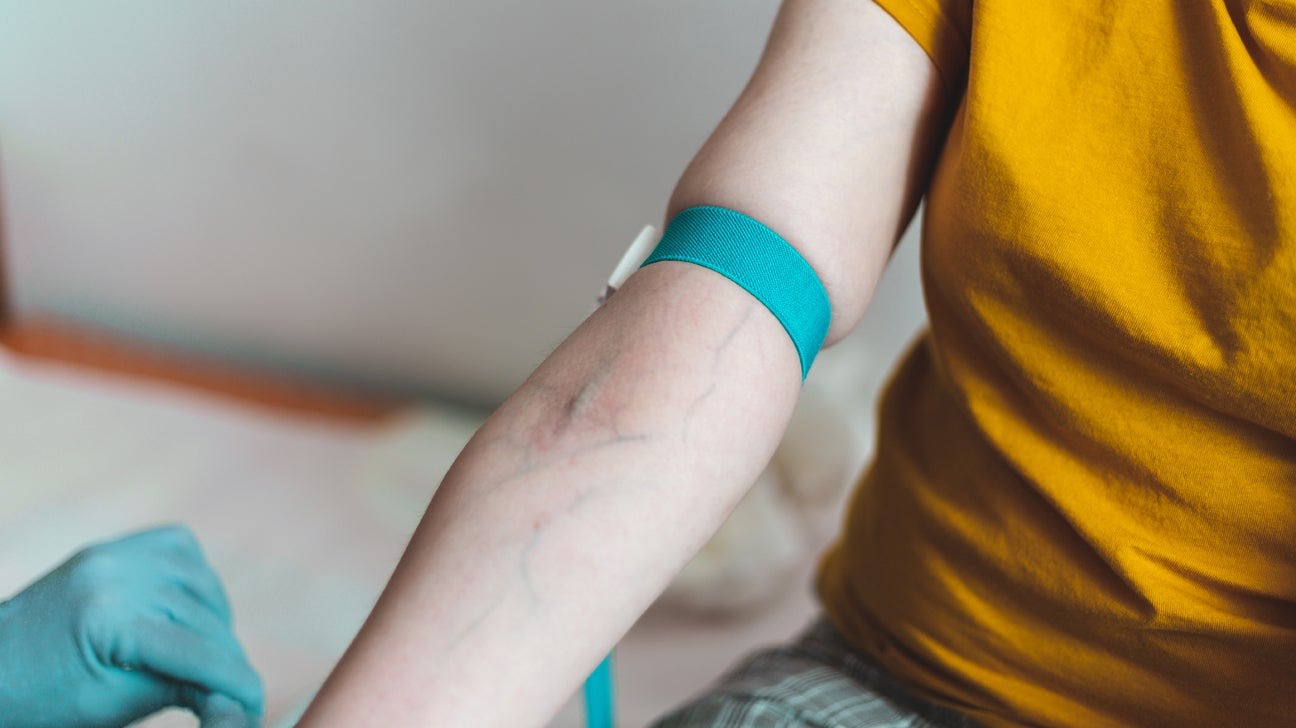
Deep vein thrombosis, commonly known as DVT, occurs when a blood clot forms in a deep vein, usually in the leg. It is important to recognize because a clot can sometimes travel to the lungs and cause a life-threatening complication called a pulmonary embolism.
DVT does not always produce obvious symptoms. When symptoms occur, they may include:
-
Swelling in one leg or, less commonly, one arm
-
Pain or tenderness, often in the calf
-
Warmth in the affected area
-
Redness or other changes in skin color
-
New swelling or prominent surface veins in some cases
Visible veins alone are not a reliable way to identify or rule out DVT. Some people with a blood clot have few noticeable symptoms, while many people with prominent veins do not have a clot at all.
Risk factors include recent surgery, prolonged immobility, hospitalization, certain medical conditions, pregnancy and the period after childbirth, estrogen-containing medications, and a previous history of blood clots.
Seek urgent medical assessment if you develop unexplained swelling or pain in one leg or arm, especially if you have any of these risk factors. Do not massage a limb when a blood clot is suspected.
If sudden shortness of breath, chest pain, coughing up blood, fainting, or severe lightheadedness occurs, seek emergency medical care immediately, as these can be signs of a pulmonary embolism.
5. When Can Visible Veins Be Related to Heart Problems?
Changes in the veins can sometimes occur when pressure within the circulatory system increases. In certain cases of heart failure, the heart may be unable to pump blood effectively enough to prevent fluid and pressure from building up in the body’s circulation.
This can contribute to symptoms such as:
-
Swelling in the ankles, feet, or legs
-
Shortness of breath during activity or while lying down
-
Unusual fatigue or reduced exercise tolerance
-
Rapid or unexplained weight gain from fluid retention
-
More noticeable neck veins, particularly when sitting upright or lying at an elevated angle
Prominent neck veins can sometimes indicate elevated pressure in the veins returning blood to the heart. However, their appearance must be interpreted alongside other symptoms and clinical findings.
Visible veins on the hands or legs, by themselves, do not establish a diagnosis of heart failure. Many harmless factors can make surface veins more noticeable.
If new prominent veins occur alongside persistent swelling, breathing difficulties, or a marked decline in exercise tolerance, arrange prompt medical evaluation. Severe or sudden breathing difficulty requires emergency care.
6. Why a Sudden Change Matters More Than Appearance Alone
One of the most useful clues is how quickly the veins changed.
Veins that have been visible for years, particularly in someone who is naturally lean or physically active, are generally less concerning when no other symptoms are present. By contrast, a sudden change without an obvious explanation deserves closer attention.
Consider the following distinctions:
Usually less concerning:
-
Veins that have always been visible
-
Temporary prominence after exercise or in hot weather
-
Veins that become less noticeable after resting
-
No associated pain, swelling, warmth, or skin changes
Needs medical assessment:
-
A newly swollen or painful vein
-
Persistent swelling in one limb
-
New heaviness or discomfort in the legs
-
Redness, warmth, or unexplained skin discoloration
-
Rapid changes in vein appearance without an obvious cause
These examples are general guidelines, not a diagnostic test. If you are uncertain about a new change, it is safer to discuss it with a healthcare professional rather than trying to determine the cause from appearance alone.
7. What Should You Do If Your Veins Become More Visible?
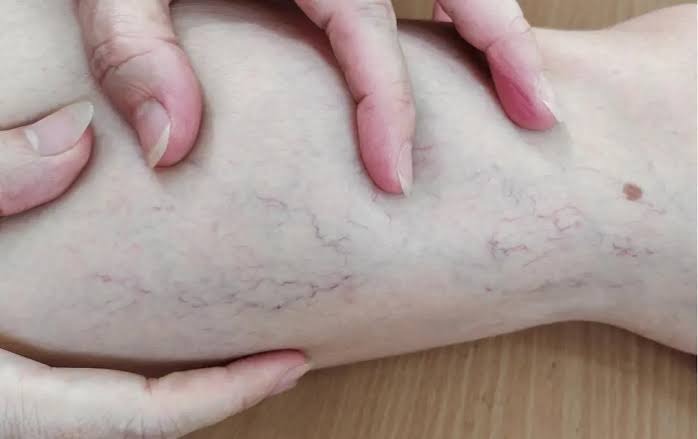
The right response depends on whether the change is gradual, temporary, or accompanied by other symptoms.
If your veins are simply more visible after exercise or exposure to heat and return to their usual appearance afterward, you may not need any special treatment. Staying physically active, avoiding prolonged periods in one position, and maintaining general cardiovascular health can support normal circulation.
If you spend long periods standing or sitting, try to take regular movement breaks. When leg swelling is present, elevating your legs may provide temporary relief, although it does not address every possible cause.
Compression stockings may help certain people with venous circulation problems, but they are not appropriate for everyone. Ask a healthcare professional whether they are suitable for your situation, particularly if you have known arterial circulation problems or unexplained swelling.
Avoid starting medication or using aggressive massage to treat unexplained vein changes. If a clot or another vascular problem is possible, medical assessment should come first.
A clinician may examine the affected area, review your symptoms and medical history, and recommend tests such as an ultrasound if necessary.
8. When Should You See a Doctor?
You do not need to panic every time a vein becomes visible. However, it is important to recognize symptoms that call for professional attention.
Arrange a medical appointment if your veins become progressively more prominent, you develop persistent leg discomfort, or you notice recurring swelling or changes in the skin around your veins.
Seek urgent assessment for new, unexplained swelling or pain affecting one limb, especially when accompanied by warmth or redness.
Call emergency services if vein changes occur alongside sudden shortness of breath, chest pain, coughing up blood, or fainting.
Do not wait for all symptoms to appear before seeking help. Blood clots and some cardiovascular conditions can present differently from one person to another.
The Bottom Line
Visible veins are often harmless and may simply reflect aging, genetics, low body fat, regular exercise, or temporary changes in blood flow. Their appearance alone rarely tells the whole story.
What matters most is whether the veins are new, whether they are changing rapidly, and whether other symptoms are present. Persistent swelling, pain, warmth, or skin discoloration may indicate a circulation problem that needs medical evaluation.
If your veins suddenly become more prominent without a clear explanation, do not ignore the change—especially if you also experience swelling, discomfort, or breathing difficulties. Recognizing warning signs early can help you get appropriate care when it matters.
Medical disclaimer: This article is for general informational purposes only and is not a substitute for professional medical advice, diagnosis, or treatment. Seek emergency care for symptoms that may indicate a blood clot or pulmonary embolism.