The Lasting Impact of Sharing a School Lunch
A school lunch can appear to be a small part of an ordinary day. For many children, it is simply a break between lessons: a chance to eat, talk with friends, and return to class with more energy. For a child experiencing food insecurity, however, lunchtime may bring anxiety, embarrassment, or isolation. A simple gesture of inclusion, such as sharing food with a classmate or ensuring that every student can access a meal, can have a meaningful effect far beyond one afternoon.
The following story reflects a widely recognizable experience of childhood kindness. It also highlights a larger social issue: many children around the world face barriers to obtaining regular, nutritious meals. Schools, families, community groups, and public institutions all have an important role in creating environments where children can learn without the worry of hunger or stigma.
A Quiet Concern in the Classroom
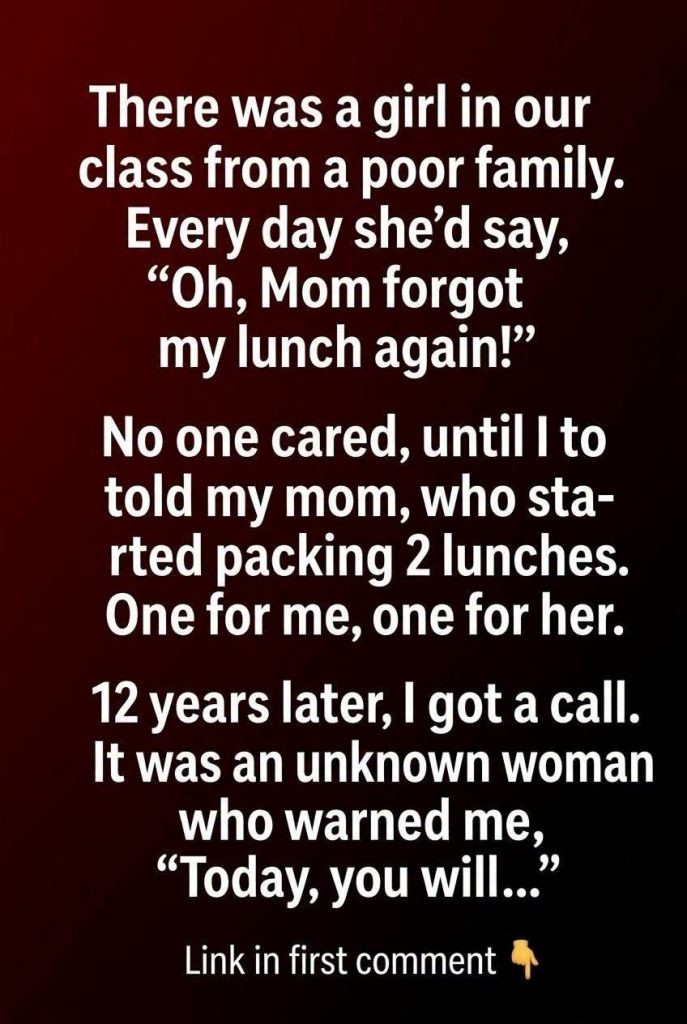
There was a girl in a school class who often arrived without lunch. When classmates asked about it, she would smile and explain that her mother had forgotten to prepare one. It was an answer that discouraged further questions, but one student noticed that the situation seemed to happen repeatedly.
Children may not always explain financial hardship, household stress, or food insecurity directly. They may try to protect their family’s privacy, avoid feeling different from peers, or worry that adults and classmates will judge them. For this reason, signs of unmet needs are not always obvious. A student who regularly has no lunch, skips meals, seems unusually tired, or avoids the cafeteria may need support, but it is important not to make assumptions or draw attention to them publicly.
The student who noticed the girl’s situation spoke to a parent at home. The parent listened carefully and decided to help in a practical, discreet way: from the following day onward, she prepared two lunches rather than one. Her child could then share a meal with the classmate.
It was a modest act, but it was also respectful. The goal was not to single anyone out or demand an explanation. It was simply to make sure that a child did not have to sit through the school day without food.
Why School Meals Matter for Learning and Well-Being
Access to food is closely connected with children’s health, development, and ability to participate in education. The World Health Organization has emphasized that healthy diets are essential to growth and well-being. Nutrition during childhood supports physical development and helps children maintain the energy needed for everyday activities, including learning and play.
Research and public-health guidance also show that food insecurity can affect more than physical hunger. When families have uncertain access to enough food, children may experience stress and difficulty concentrating. The U.S. Centers for Disease Control and Prevention notes that nutrition is important for student health and academic success, while school meal programs can help provide children with access to balanced food during the day.
It is important to avoid oversimplifying these connections. A child’s educational experience is shaped by many factors, including family circumstances, housing stability, health care, school resources, and supportive relationships. Still, reliable access to meals is a basic foundation. A student who knows that food will be available at school may be better able to focus on lessons, participate socially, and feel secure in the school environment.
For this reason, school breakfast and lunch programs are widely used in many countries. These programs are designed not only to address hunger but also to support attendance, health, and equal opportunity. International organizations including the World Food Programme have described school meals as an investment in children’s education and in broader community development.
Sharing Lunch as an Act of Inclusion
At first, the girl in the story felt shy about accepting the extra food. This response is understandable. Receiving help can be difficult when someone fears that others will see them as dependent or different. Yet, over time, the two students began eating together regularly. The shared lunches became part of a friendship rather than a public display of charity.
This distinction matters. Effective support protects dignity. A child should not be made to feel that they must explain personal circumstances in exchange for a meal. In a school setting, kindness is most helpful when it is offered with sensitivity, consistency, and respect for privacy.
Sharing a meal can also create a sense of belonging. Food is often connected with care, culture, family, and conversation. Eating together gives children time to connect outside the pressure of classroom tasks. A welcoming lunch table can make a student feel noticed and included, especially if they are experiencing challenges at home.
For the student who shared her lunch, the experience also offered an important lesson: compassion is not always complicated. It can begin with paying attention, asking a trusted adult for help, and treating another person as a friend.
Food Insecurity Is a Community Issue, Not a Personal Failure
Food insecurity is sometimes misunderstood as an individual or parental failure. In reality, it can result from many circumstances, including low wages, job loss, rising food prices, illness, housing costs, family changes, disability, or unexpected emergencies. Families can be working hard and still struggle to afford enough nutritious food.
Public discussion should therefore avoid blame. Parents and caregivers facing financial pressure may already be navigating difficult decisions about rent, utilities, transport, medicine, and groceries. Children should never carry shame for circumstances beyond their control.
The United Nations and its food-security agencies have repeatedly identified hunger and access to nutritious food as major global challenges. Although the scale and causes differ from place to place, the underlying principle is consistent: every child should have an opportunity to eat well enough to grow, learn, and thrive.
Community responses can include government-supported school meals, food banks, local charities, neighborhood mutual-aid projects, and confidential support offered through schools. The most effective solutions often combine immediate help, such as providing meals, with long-term measures that address household income, affordability, access to services, and social protection.
The Long-Term Meaning of a Small Gesture
As the students grew older, they eventually lost contact. Their school years ended, and life moved in different directions. The student who shared her lunches remembered the friendship but did not know how deeply those daily meals had been felt by her former classmate.
Years later, she received a call from an unfamiliar number. It was the former classmate, reaching out to reconnect. During their conversation, she recalled the lunches they had shared at school and explained that the experience had meant much more to her than a meal.
At a time when she had felt vulnerable, being offered food had made her feel remembered and less alone. The regular kindness had provided comfort without forcing her to disclose details about her home life. It was a reminder that someone cared enough to include her.
These types of experiences can remain in people’s memories for years. This does not mean that one caring action can solve the structural causes of hunger. It cannot replace stable income, accessible health care, affordable housing, or comprehensive school support. But human kindness can help someone feel seen while larger systems work toward more durable solutions.
How Kindness Can Inspire Others to Help
During the call, the former classmate shared that she had begun donating lunches to children who might otherwise go without food at school. She wanted to offer other children some of the reassurance and comfort she had received when she was young.
This reflects an important idea: support can create a positive ripple effect. People who experience compassion may later be motivated to extend that compassion to others. Such generosity may take many forms, including volunteering with a food bank, supporting a school meal fund, helping a neighbor, donating to a community pantry, or advocating for policies that improve access to nutritious food.
Giving back does not require dramatic gestures. A reliable contribution, even a small one, can strengthen local support networks. In schools, this might involve helping fund anonymous meal accounts, contributing to a backpack-food program, or working with parent groups to ensure that no student is excluded from meals because of unpaid balances.
Programs should be designed carefully to protect students’ privacy. Universal school meals, where every child can receive food without eligibility checks at the point of service, can reduce the stigma that sometimes prevents families from seeking help. School administrators, policymakers, and families may differ on the best model for their communities, but dignity should remain central to every approach.
How Families and Schools Can Respond Respectfully
When adults believe a child may not have enough food, the most appropriate response is usually calm, private, and supportive. Children should not be questioned in front of peers or asked to explain family circumstances publicly. A teacher, counselor, school nurse, or administrator may be able to connect the family with meal programs and local resources.
Parents can also teach children how to be kind without making a classmate feel uncomfortable. Instead of framing food as charity, they can encourage inclusive habits: inviting someone to sit together, offering to share when appropriate, and telling a trusted adult when they are concerned about another student.
Schools can help by making information about meal programs easy to find, using respectful communication, and ensuring that staff understand the importance of confidentiality. Families may be more likely to seek help when services are presented as normal community support rather than as something shameful.
Community organizations can contribute by coordinating with schools, listening to local needs, and providing culturally appropriate food options where possible. Food should be safe, nutritious, and accessible, while assistance should be delivered without discrimination.
A Lesson About Compassion and Food Security
The story of two classmates sharing lunch is ultimately about more than food. It is about attention, empathy, friendship, and the difference that respectful support can make in a child’s day. One packed lunch did not solve every challenge in the girl’s life, but it offered nourishment and companionship at a time when both mattered.
It also serves as a reminder that food insecurity can be hidden in plain sight. Children may not ask for help directly, and families may be reluctant to disclose hardship. A compassionate community responds not with judgment, but with practical support and a commitment to ensuring that every child has the opportunity to learn without hunger.
Small actions can have lasting meaning. Sharing a meal, listening without assumptions, contributing to a school food program, or supporting policies that expand access to nutritious food are all ways to help. When kindness is paired with respect and sustained community action, it can contribute to a safer, more inclusive environment for children and families.
Sources
Disclaimer: This content is intended for entertainment purposes only and is not based on real events.