Dengue Fever in Florida: Understanding the Rise of Locally Acquired Cases
For many years, a diagnosis of dengue fever in Florida meant asking a simple question: “Where have you traveled recently?” The leading suspects were usually countries with endemic dengue transmission, including Cuba, Brazil, or the Dominican Republic. But in recent years, and notably during the summer of 2024, that question is changing as more cases of dengue fever appear in Floridians who have not left their home state.
Increasingly, Floridians are contracting dengue without any travel to areas where the disease is common. This represents a significant shift in how the disease is affecting the state’s residents, redefining exposure risks and drawing renewed attention to both public health strategies and individual preventative measures.
Dengue Emerges in Florida: A New Public Health Challenge
Locally acquired infections of dengue have now been confirmed in multiple Florida counties, including Hillsborough, Miami-Dade, Pinellas, and Palm Beach. Hillsborough, Miami-Dade, and Pinellas counties are currently under mosquito-borne illness alerts, while Palm Beach has issued an advisory.
Recent data from the Centers for Disease Control and Prevention (CDC) demonstrates the scale of this trend. The CDC reported a surge in U.S. dengue cases in 2024, with 3,798 infections—an astonishing 359% increase above the 2010–2023 annual average. Among these, Florida reported the highest number of cases: 1,044. Importantly, while the vast majority of U.S. dengue cases are still linked to travel (an estimated 97.2%), Florida accounted for 85 of the 105 locally acquired cases reported nationwide.
This jump is a clear indicator that local transmission is no longer a footnote but a headline issue for health authorities and residents alike. In particular, Pinellas County saw its first local dengue case in over 15 years, further underscoring a shifting risk landscape.
The Role of the Aedes Mosquito: How Dengue Is Spreading Locally
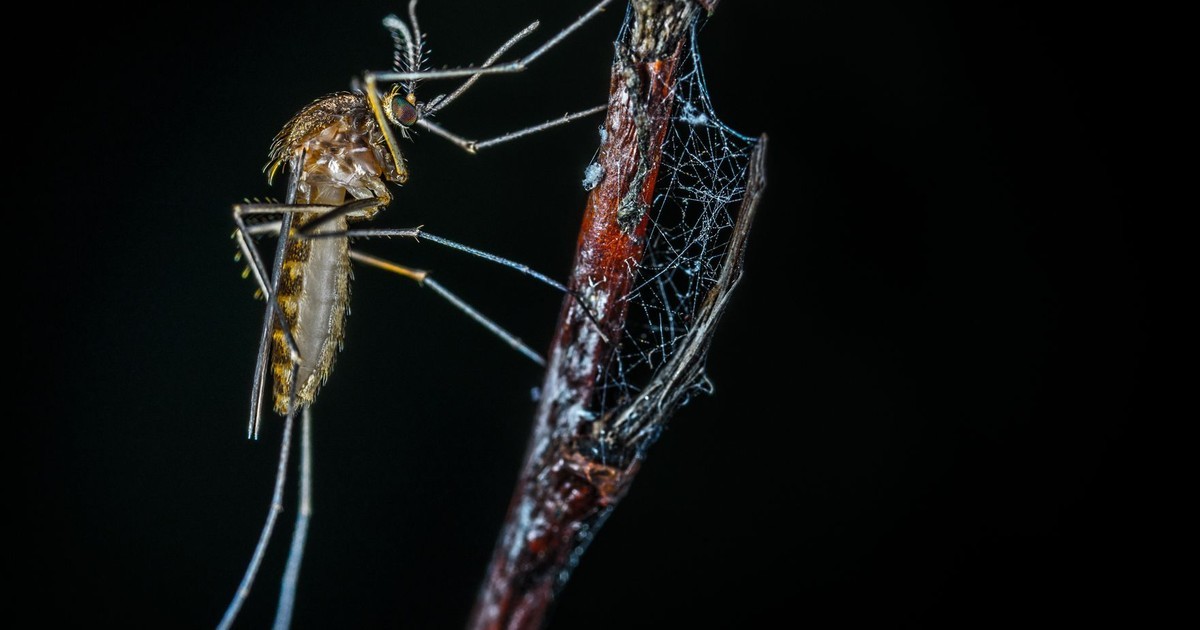
Dengue fever is transmitted mainly by the female Aedes aegypti mosquito. Unlike most mosquito species that prefer to feed at dawn or dusk, Aedes aegypti are active during daylight hours, putting people at risk in ways that run counter to popular perception. This species is highly adapted to human environments and breeds preferentially in artificial containers filled with water—think flowerpots, birdbaths, buckets, and discarded tires, rather than marshes or natural wetlands.
Local public health experts, such as Pinellas County Mosquito Control Director Alissa Berro, explain that outbreaks often begin when an infected traveler is bitten by local mosquitoes. The infected mosquitoes then spread the virus within a narrow geographic range; however, as people move about and commute daily, they can expand the area at risk for local transmission if bitten in more than one location. The cyclical relationship between human hosts and the mosquito vector means that every travel-related case has the potential to ignite a local chain of infections.
Unlike many other mosquitoes, Aedes aegypti generally do not fly far from their breeding sites, usually staying within a radius of a few hundred feet. This behavior means that eliminating standing water around homes and neighborhoods can directly reduce local mosquito numbers and, by extension, the local risk of dengue transmission.
To combat recent outbreaks, mosquito control teams in Florida are ramping up both aerial and ground-based pesticide applications in affected areas. In addition to spraying, officials are conducting property inspections to find and eliminate hidden mosquito breeding grounds, with a special focus on neighborhoods in central Tampa and other hot spots for locally acquired transmission.
Understanding Dengue Fever: Symptoms and Disease Course
Dengue is often called “breakbone fever” due to severe joint, bone, and muscle pain reported by some patients. According to the CDC, most infections are mild or even asymptomatic, complicating efforts to track the disease. Individuals who do not develop symptoms can still play a role in local outbreaks, as mosquitoes biting them may become infected and transmit dengue to others nearby.
For cases where symptoms do appear, the disease typically emerges three to ten days after a mosquito bite with the virus. Key symptoms include a sudden onset of high fever, severe headaches, eye pain, and pronounced muscle and joint aches. A distinctive skin rash is sometimes observed, which may help differentiate dengue from other viral infections like influenza.
The name “breakbone fever” comes from accounts of excruciating pain described by patients, though dengue does not cause actual bone injury. Most individuals recover within a week. However, health authorities warn that a small minority can progress to severe dengue—especially right after the fever breaks. Warning signs of severe illness include severe abdominal pain, persistent vomiting, unusual bleeding (such as nose or gum bleeding), and difficulty breathing. In these cases, potentially life-threatening complications such as hemorrhage, shock, and organ failure may develop rapidly. Immediate emergency medical attention is essential if these symptoms occur.
Dengue Around the World: From Endemic Disease to Local Threats
Globally, dengue is a major public health concern in over 100 countries, especially in tropical and subtropical regions across Asia, the Caribbean, Africa, and South and Central America. Increasing international travel and climate conditions are contributing to the spread of the Aedes mosquito and, consequently, dengue outbreaks into previously unaffected areas. Florida’s warm climate, high humidity, and prolonged mosquito season make it the most vulnerable state in the continental U.S. to local dengue transmission.
These developments reflect global patterns. Large outbreaks have occurred recently in Brazil, Bangladesh, Vietnam, and other nations, straining healthcare systems and prompting international coordination for surveillance and control. Virologists and entomologists point out that climate change, increased urbanization, and the movement of people are compounding risks, making once-rare local outbreaks more common in parts of the United States, southern Europe, and elsewhere.
Spotlight on Florida’s Response: From Surveillance to Community Engagement
Mosquito control agencies in Florida are intensifying surveillance and spraying, but success in reducing dengue risk also depends on community cooperation. The Florida Mosquito Control Association emphasizes the importance of residents taking practical steps to eliminate standing water around their homes. Effective mosquito control relies on repeated efforts to empty containers, clean clogged gutters, and cover rain barrels to cut off breeding sites for Aedes aegypti.
In addition to removing standing water, the CDC recommends using EPA-registered insect repellents containing ingredients such as DEET, picaridin, IR3535, or oil of lemon eucalyptus. Unlike myths that mosquitoes primarily bite at dusk, Aedes aegypti are aggressive daytime biters, making it crucial to apply repellent in the morning before gardening or outdoor activities. Wearing long sleeves, long pants, and light-colored clothing can also reduce the risk of bites.
Public education campaigns are being expanded to ensure residents know the warning signs of dengue fever and understand when to seek medical advice. Physicians in non-endemic areas may not immediately recognize dengue, increasing the importance of explaining local exposure risk if you develop symptoms consistent with dengue after spending time outdoors.
What to Do If You Suspect Dengue Fever
If you develop a sudden high fever, severe body or joint pain, a rash, or pain behind the eyes—especially within two weeks of being in an affected area—contact your healthcare provider and mention potential exposure to dengue. Early diagnosis is critical for monitoring for warning signs of severe dengue and ensuring prompt medical care if dangerous symptoms develop.
Since there is no specific antiviral treatment for dengue, supportive care—including hydration, pain and fever management, and close monitoring for complications—remains the mainstay of medical management. Recognizing severe warning signs early can be lifesaving and is particularly important for young children, older adults, and people with certain medical conditions that may increase their risk of severe disease.
Looking Ahead: The Future of Dengue in Florida
While the number of locally acquired dengue cases in Florida remains small compared to endemic countries, the trend marks a new chapter in the state’s public health landscape. As global travel and climate dynamics continue to evolve, small, localized outbreaks are possible and may even become more frequent—especially during peak mosquito season.
For most Florida residents, the likelihood of contracting dengue from a local mosquito remains low, but precautionary measures are important, especially in affected counties. Staying informed about local mosquito-borne illness alerts, employing protective strategies at home, and seeking prompt medical evaluation if symptoms arise can help reduce both individual and community risk.
Key Takeaways for Florida Residents
- Local dengue transmission is increasing in some Florida communities, but the risk remains concentrated in specific regions and periods.
- The best personal protection includes eliminating standing water, using repellent, wearing protective clothing, and staying informed about local health advisories.
- Recognize the symptoms of dengue fever and severe warning signs so you can seek timely medical care if needed.
- Community cooperation is essential: mosquito control is most effective when everyone takes preventative action at home.
While Florida is not undergoing a sudden transformation into a dengue-endemic region, the presence of locally acquired cases means that vigilance and proactive prevention now matter for more people than ever before.
Disclaimer: This article is for informational purposes only and is not a substitute for professional medical advice, diagnosis, or treatment. Always consult your physician or other qualified health provider with questions about your health. If you suspect dengue or experience severe symptoms, seek medical attention immediately.
Sources
- Centers for Disease Control and Prevention (CDC) – Dengue Information
- World Health Organization (WHO) – Dengue and Severe Dengue
- University of Minnesota CIDRAP – US Dengue Cases 2024
- The Guardian – Dengue Fever
- Al Jazeera – Health News
- BBC – Dengue Fever
Disclaimer: This content is intended for entertainment purposes only and is not based on real events.