
Four Things to Avoid Keeping Next to Your Bed to Improve Sleep and Health
A cluttered bedside table may appear harmless, yet scientific research suggests that certain everyday objects placed near your bed might have a significant effect on your sleep quality and overall health. Recent studies have connected poor sleep hygiene not only to common ailments such as insomnia and fatigue but also to physical changes, including impacts on hair quality and cognitive performance. This article will analyze four common bedside items that could be subtly disrupting your nightly rest, offer ways to optimize your sleep environment, and include expert perspectives and international reactions to healthy sleep practices.
Many people keep phones, tablets, or books within arm’s reach at night, or arrange their bedside settings based more on convenience than science. However, small changes in your nighttime environment can have profound effects on your well-being and health outcomes, from your mood and energy levels to the condition of your skin and hair. Below, we identify and discuss four surprising items to avoid keeping next to your bed for optimal sleep and recovery.
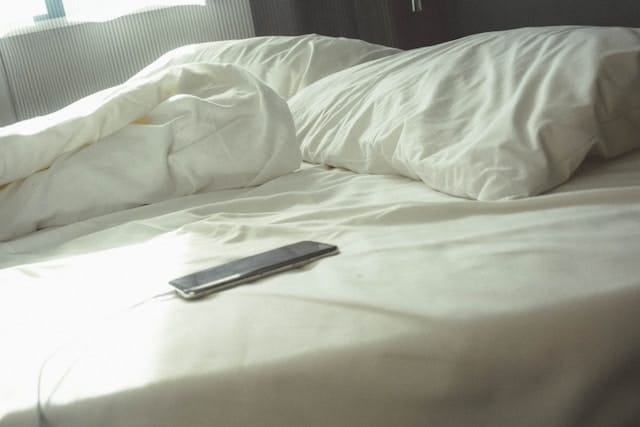
1. Electronic Devices: The Silent Sleep Disruptors
It has become a modern habit to keep electronic devices such as smartphones, tablets, and laptop computers on a bedside table or even under the pillow. However, scientific evidence is increasingly showing that such proximity can disrupt the natural sleep cycle, hinder the release of essential sleep hormones, and negatively impact both mental and physical health. One of the most prominent issues arises from the blue light emitted by device screens.
Blue light exposure, particularly in the hour or two before bedtime, suppresses the secretion of melatonin—a hormone crucial to regulating sleep-wake cycles, according to the Mayo Clinic and the National Sleep Foundation. Insufficient melatonin not only reduces sleep duration and quality but can also affect the body’s ability to recover and repair itself during rest, which has downstream effects on overall health, including the condition of hair and skin.
Additionally, using electronic devices before bed often means exposure to stimulating content—such as work emails, social media, or breaking news—which can increase mental alertness and stress, making it more difficult to fall asleep. Sleep experts, including those at the CDC and the American Academy of Sleep Medicine, recommend keeping all electronic devices at least one meter away from your bed. Turning them off or using features like “night mode” can help, but the most effective solution for good sleep hygiene is removing these devices from the bedroom entirely or at least switching them off an hour before bedtime.
Expert Views on Technology and Sleep
Dr. Matthew Walker, a renowned sleep scientist and author of “Why We Sleep,” points out that “electronic devices are one of the most overlooked causes of chronic sleep deprivation.” The World Health Organization and numerous public health agencies now recognize the dangers of excess nighttime blue light exposure. In 2019, the American Medical Association also released guidelines warning about the potential health threats posed by constant technology use, especially for adolescents and teenagers whose sleep patterns are even more vulnerable.

2. Mirrors: Their Potential Influence on Sleep Quality
Mirrors are a common decorative and functional feature in bedrooms around the world. While there is limited scientific evidence linking mirror placement directly to sleep disorders, their positioning can have a subtle but meaningful influence on how restful your sleep feels. In many cultures, traditional practices such as feng shui caution against placing a mirror directly across from the bed.
According to these practices, mirrors reflecting the bed may result in increased restlessness or anxiety during sleep. The explanation, albeit not universally agreed upon in Western science, is that mirrors reflect both light and movement. If you move during the night, the reflection can catch your attention—even subconsciously—leading to micro-awakenings that decrease overall sleep quality. Such interruptions, particularly those that disturb deep non-REM sleep, may interfere with the body’s natural processes of cellular repair, including the regeneration of hair and skin cells.
Sleep therapists also highlight the importance of making the bedroom a peaceful place, visually and psychologically. Removing or repositioning mirrors away from direct sight lines can help maintain a calm and restful environment. Even minor changes, like covering the mirror at night, have been found to reduce restlessness for some people.
International Perspectives on Bedroom Design
While the influence of mirror placement remains a debated topic, the importance of creating a sleep-promoting environment is widely recognized globally. Scandinavian and Japanese interior design traditions often emphasize simplicity, muted colors, and minimal distractions in bedroom spaces, aligning with findings from sleep studies that less cluttered and more intentionally arranged spaces contribute to improved sleep hygiene and satisfaction.
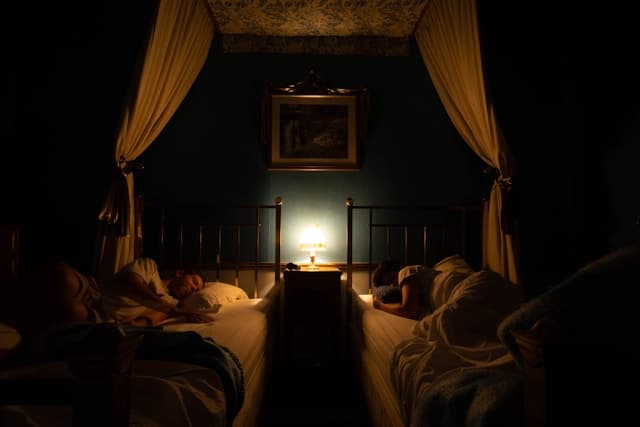
3. Bright Night Lights: How Artificial Illumination Alters Sleep
Many people use night lights for various reasons, from safety and convenience to comfort. However, research from institutions such as the Centers for Disease Control and Prevention (CDC) and the National Institute for Health suggests that exposure to artificial light—especially bright or blue-leaning light—late at night can seriously disrupt the body’s circadian rhythm. This internal clock is responsible for signals that guide sleep, hormone production, metabolic processes, and even immune function.
Bright lights can suppress melatonin production, making it increasingly difficult to fall asleep. Over time, this disruption to the sleep cycle can compound, not only causing tiredness and poor cognitive performance but also affecting appearance. Scientific literature has drawn clear connections between chronic sleep deprivation and various health markers, including skin quality, immune strength, and hair vitality. Lack of deep, restorative sleep ultimately impacts the body’s nourishment distribution and repair capabilities, sometimes leading to aesthetic changes such as increased hair breakage.
To counteract these effects, medical professionals and sleep researchers recommend using dim, warm-toned night lights if any nighttime illumination is necessary. These lights emit wavelengths less disruptive to melatonin production. Even better, turn off night lights entirely, ensuring your bedroom remains as dark as possible to promote deep, uninterrupted sleep.
What the Science Says
The American Academy of Sleep Medicine and the Sleep Foundation recommend maintaining a dark sleeping environment for optimal sleep quality. International guidelines—such as those from the World Health Organization—emphasize sleep-friendly environments as part of broader public health efforts to combat the global rise in chronic sleep disorders and related illnesses.
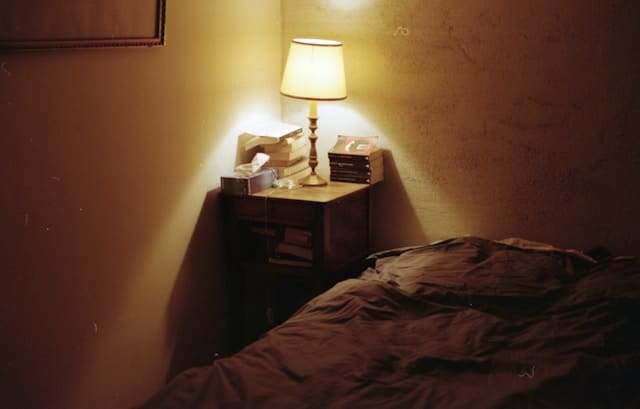
4. Books and Work Documents: Reducing Cognitive Stimulation Before Bed
Many individuals enjoy reading in bed or reviewing work materials as a way to wind down at the end of a long day. However, keeping books, documents, or laptops related to work within reach can inadvertently contribute to delayed sleep and increased nightly stress. Scientific studies indicate that engaging in mentally stimulating activities before sleep activates the brain in ways that make falling asleep more difficult.
When your mind is occupied by complex narratives or unresolved tasks, the body remains on high alert. Chronic pre-bedtime arousal of this kind can lead to an inability to transition smoothly into sleep, resulting in less restful nights and reduced time spent in REM and deep sleep stages—the most restorative phases. Inadequate sleep impairs the body’s ability to regenerate and repair tissues, including those involved in new hair growth and overall hair health.
Sleep experts advise designating a wind-down time before entering the bedroom, using this period for calming, screen-free activities like meditation, listening to soothing music, or practicing gentle stretches. Removing all work-related materials from your bedroom can help reinforce a psychological barrier between daytime activities (work, study) and the restorative process of sleep, fostering a healthier routine and improved mental well-being.
Creating a Restful Sanctuary
International sleep clinics and health organizations suggest that the best bedroom environment is one that is quiet, dark, and free of stress-inducing stimuli. Practices such as making your bedroom a device-free and work-free zone have been endorsed by the CDC, Mayo Clinic, and national sleep foundations around the world.
Conclusion: Simple Changes for Profound Health Improvements
Improving your sleep doesn’t always require drastic changes or medical intervention. In many cases, the solutions are rooted in simple environmental adjustments and better bedtime habits. Keeping electronic devices, bright lights, mirrors facing the bed, and work materials out of your immediate sleeping area can collectively foster an environment more conducive to deep, restorative sleep. Over time, these habits benefit not just sleep quality but may also have positive ripple effects on physical health markers, from better mood and cognitive function to healthier hair and skin.
Creating a bedroom space that promotes relaxation requires awareness and intentionality, but the benefits for your overall well-being and daily energy can be substantial. For those struggling with persistent sleep issues or health concerns, it is always advisable to consult healthcare professionals for personalized guidance.
Sources
- Sleep Foundation
- Centers for Disease Control and Prevention (CDC)
- Mayo Clinic
- World Health Organization (WHO)
- American Medical Association
- Reuters – Science & Health
- BBC – Bedroom Colour and Sleep
Disclaimer: This content is intended for entertainment purposes only and is not based on real events.