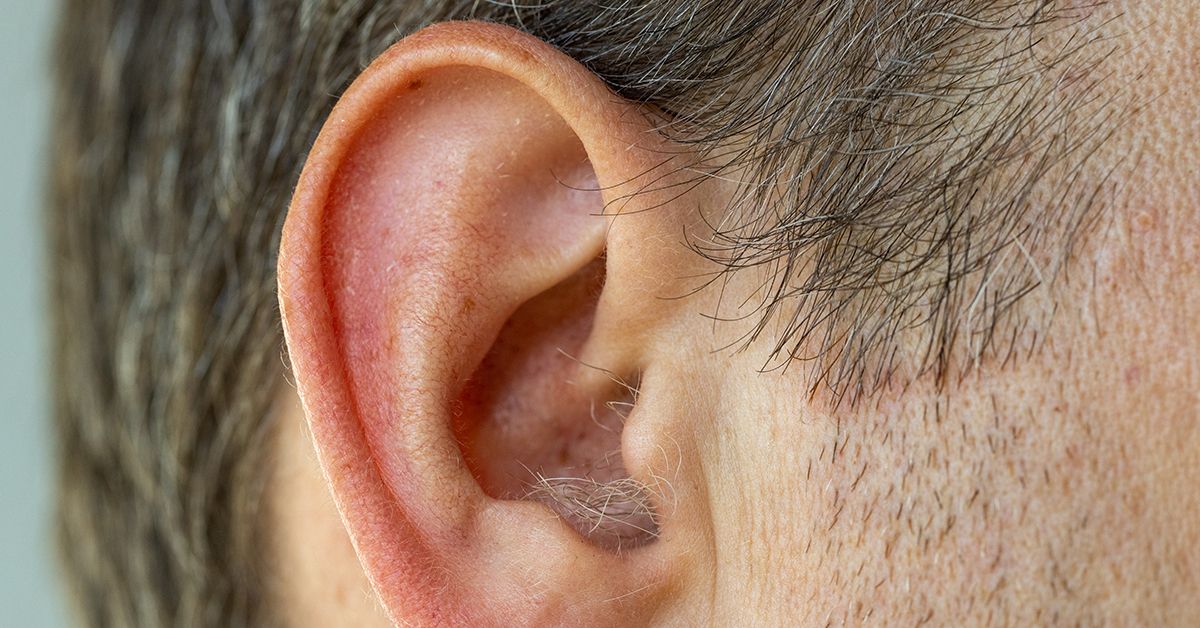
Ear hair is a common and completely normal part of getting older. Many people first notice it in their fifties or sixties and feel surprised, worried, or even embarrassed. Some try to hide it, while others joke about it. In reality, visible ear hair is usually just a sign of ordinary hormonal and genetic changes over time, not a sign of illness or physical decline.
This article explains why ear hair appears, how it changes with age, what is known from medical research, when to see a doctor, and how to manage it safely if you choose to groom it. Understanding the science behind this subtle change can make it easier to accept it as one of many natural aspects of aging.
Why Ear Hair Appears as We Age
Human hair does not grow or change in the same way across all parts of the body. As people age, they may notice thinning hair on the scalp while hair in other areas, such as the ears, nose, and eyebrows, becomes thicker or more noticeable. This uneven pattern is influenced mainly by hormones, hair follicle sensitivity, and genetics.
The Role of Androgens
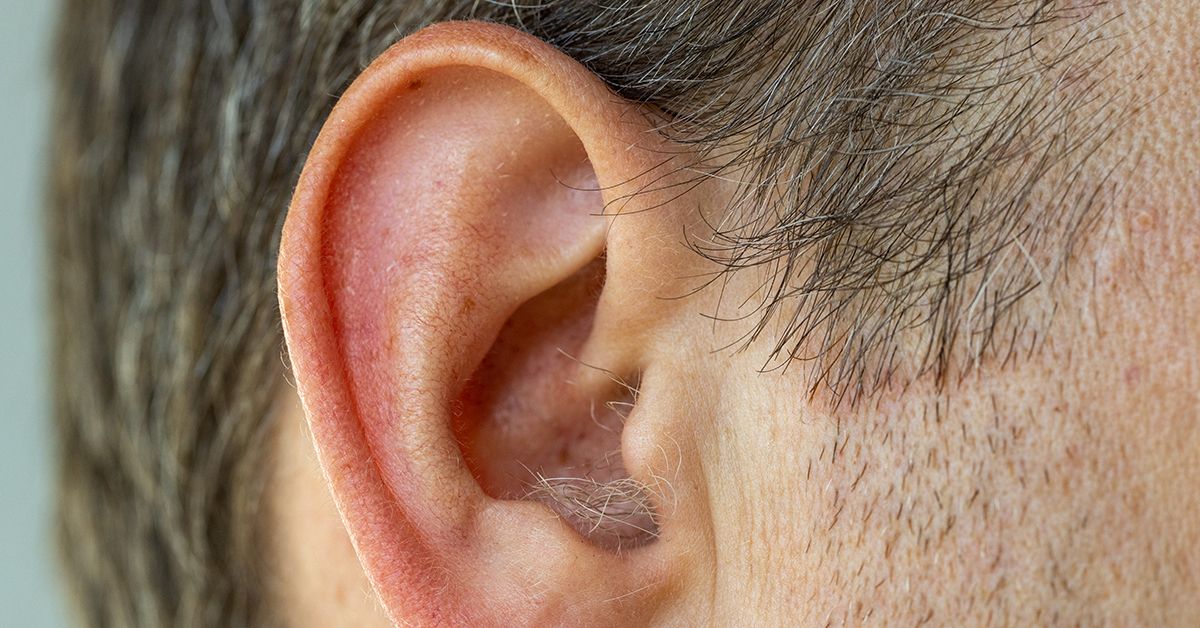
Androgens are a group of hormones that include testosterone and its more active form, dihydrotestosterone (DHT). These hormones influence hair growth in different ways depending on the body area:
- On the scalp, DHT can contribute to hair follicle miniaturization in people genetically predisposed to male or female pattern hair loss, leading to thinner hair over time.
- On areas like the ears, nose, and eyebrows, androgens can stimulate hair follicles, making hairs thicker, darker, or more numerous with age.
Hair follicles contain receptors that determine how they respond to androgens. In some areas, these receptors cause follicles to shrink and produce finer hair; in others, they encourage more robust growth. This helps explain why the same hormone can cause hair loss in one region and increased hair in another.
Differences Between Men and Women
Ear hair is more commonly noticed in men, especially after midlife. Several factors contribute to this pattern:
- Higher androgen levels: Men typically have higher levels of testosterone throughout adulthood, which can promote hair growth in androgen-sensitive areas.
- Genetic predisposition: Some men inherit a tendency to develop more visible ear and nasal hair with age.
Women can also experience increased hair growth in places like the ears, chin, or upper lip as they age, particularly after menopause. When estrogen levels decline, the balance between estrogen and androgens shifts. Even if androgen levels do not rise dramatically, their relative influence can increase. In some women, this leads to more noticeable facial or ear hair, though this is generally subtler than in men.
The Impact of Genetics
Genetics plays a significant role in determining how much hair grows in different parts of the body, how thick it is, and how it changes over time. People often inherit hair patterns from their parents or grandparents, including:
- How early or late ear hair becomes visible
- The density and color of the hair
- Whether hair in certain regions becomes more pronounced with age
Because of these inherited patterns, some individuals may never notice much ear hair, while others see it relatively early and find it more prominent.
Ear Hair’s Original Protective Role
Although visible ear hair can feel like a cosmetic concern, it has underlying biological purposes. The outer part of the ear canal contains small hairs and glands that produce earwax. Together, they help protect the ear from environmental irritants.
How Ear Hair Helps Protect the Ear Canal
Hair in and around the ear opening can:
- Trap dust and small particles before they enter deeper into the ear canal.
- Act as a mild barrier to insects, encouraging them to stay away from the ear opening.
- Support the function of earwax, which also helps capture debris and has antibacterial properties.
In modern life, the protective effect of ear hair may be less critical than it once was, but the underlying function remains. As hairs become thicker or more numerous with age, they simply continue carrying out a basic protective role, even if they become more visible from the outside.
Common Myths and Misconceptions About Ear Hair
A number of myths surround the appearance of ear hair. These misconceptions can cause unnecessary anxiety or shame. Evidence from dermatology and geriatric medicine does not support most of these beliefs.
Myth: Ear Hair Means Poor Circulation or Organ Disease
Some people worry that hair on the ears is a sign of poor blood flow, heart disease, or kidney or liver problems. There is no reliable scientific evidence that ordinary ear hair growth in older adults indicates systemic illness. While researchers have explored possible links between certain ear creases and cardiovascular risk, visible ear hair itself is generally considered a cosmetic and age-related change, not a disease marker.
If ear hair appears alongside other symptoms—such as rapid changes in overall hair growth, unexplained weight changes, or severe fatigue—it is appropriate to consult a health professional. However, typical, gradual ear hair growth in midlife and beyond is usually benign.
Myth: Ear Hair Signals a Hormonal Imbalance
Ear hair reflects the normal influence of hormones that are present in all adults. While very unusual or sudden hair changes can sometimes be associated with endocrine disorders, the gradual development of ear hair over many years is generally not a sign of a serious hormonal imbalance. It is more accurately described as a regular, age-related response of hair follicles to lifelong hormone exposure.
Myth: Trimming Ear Hair Makes It Grow Back Thicker
This is a very persistent belief, but it does not match what is known about hair biology. Cutting or trimming hair at the surface does not change:
- The number of hair follicles
- The thickness of each hair shaft at its root
- The rate at which hair grows
When hair is cut, the tip becomes blunt rather than naturally tapered. As it grows out, the blunt end can feel stiffer or look thicker, creating the illusion that the hair has changed. In reality, the hair’s structure at the follicle level remains the same.
When Ear Hair Might Need Medical Attention
For most people, ear hair is simply a cosmetic or grooming concern. However, there are a few situations where it can be helpful to seek medical advice:
- Sudden or extreme hair changes: Rapid onset of thick hair growth in new areas, or significant hair changes combined with other symptoms, may merit evaluation by a clinician or dermatologist.
- Frequent infections or irritation: If attempts to remove ear hair cause repeated redness, swelling, or ear canal infections, a medical professional can suggest safer methods or treat complications.
- Hearing difficulties: In rare cases, very dense hair near the ear canal opening, especially when combined with heavy earwax buildup, might make hearing feel muffled. An ear, nose, and throat specialist (ENT) can check for wax impaction or other causes.
These situations are not common, but being aware of them can provide reassurance. Most people will never need medical treatment for ear hair itself.
Safe and Respectful Grooming Options
Grooming ear hair is a personal choice. There is no medical requirement to remove it unless it interferes with hearing aids or contributes to earwax problems. If you decide to manage it for cosmetic reasons, safety should be the top priority, especially near the delicate ear canal.
Recommended Methods
Health professionals generally consider the following approaches safer than more aggressive techniques:
- Electric ear and nose trimmers: Battery-powered trimmers designed specifically for facial and ear hair usually have protective guards and rounded tips. They are intended for use around the outer ear and the entrance of the ear canal, not deep inside.
- Rounded-tip scissors: Small grooming scissors with blunted ends can be used carefully around the outer ear to trim visible hairs. They should not be inserted into the canal.
- Professional grooming: Some barbers, aestheticians, or medical professionals offer ear hair trimming. If you choose this option, ensure they use clean tools and understand not to work deep in the ear canal.
Methods to Avoid or Use With Caution
Certain approaches carry a higher risk of irritation or injury:
- Plucking or tweezing from the ear canal can cause small wounds, ingrown hairs, or infection.
- Sharp instruments, such as unprotected scissors, blades, or non-medical devices, can accidentally damage the skin or eardrum if inserted too far.
- Chemical depilatories (hair removal creams) are generally not recommended for the ear canal area because they can irritate the sensitive skin and may be difficult to control or remove completely.
- Waxing deep in the ear canal is typically discouraged outside of a medical setting due to the risk of burns, wax retention, or injury.
If you use any grooming method and notice pain, discharge, persistent redness, or changes in hearing, it is wise to stop and consult a healthcare professional for advice.

Accepting Ear Hair as a Natural Sign of Aging
In many cultures, there is strong social pressure to hide the visible signs of aging. Hair loss, wrinkles, and changes in body hair patterns are often portrayed as flaws rather than natural developments. Ear hair can become yet another feature that people feel compelled to conceal.
From a medical perspective, though, ear hair is simply one of many small adaptations that occur over a lifetime. It reflects:
- Long-term hormonal patterns unique to each individual
- Inherited genetic traits passed down through families
- The body’s ongoing effort to protect delicate structures like the ear canal
Viewing ear hair through this lens—as a normal, expected outcome of decades of living—can reduce feelings of embarrassment. While grooming remains a personal choice, it does not need to come from a sense that something is “wrong.” Instead, it can be part of ordinary self-care, similar to trimming eyebrows or facial hair.
For many people, reframing ear hair as a quiet marker of experience and time can support a more compassionate view of their own aging process. Rather than interpreting it as a sign of decline, it can be understood as evidence of a body that has adapted and functioned over many years.
Key Takeaways
Putting all of this information together, several points stand out:
- Visible ear hair in midlife and later life is common and usually harmless.
- Its growth is influenced by androgens, follicle sensitivity, and genetic factors, not by poor health in most cases.
- Ear hair helps protect the ear canal by trapping dust and small particles, working together with earwax.
- Trimming or cutting hair does not cause it to grow back thicker or faster; it only changes the way the hair tip looks and feels.
- Safe grooming methods focus on surface trimming with guarded tools and avoiding deep insertion into the ear canal.
- Seeking medical advice is appropriate if hair changes are sudden, extreme, or accompanied by other concerning symptoms.
If you notice hair growing on your ears as you age, it is almost always a sign that your body is following a familiar, natural path. There is nothing to fear, nothing inherently unhealthy, and nothing that needs to be hidden. With accurate information and safe grooming practices, ear hair can be managed comfortably—or simply accepted—as one more normal feature of the aging process.
Sources
- Mayo Clinic – Hair growth and aging
- American Academy of Dermatology – Hair disorders and aging hair
- U.S. National Institutes of Health – Hormones and hair follicle biology
- U.S. Centers for Disease Control and Prevention (CDC) – General ear health information
- World Health Organization (WHO) – Healthy aging resources