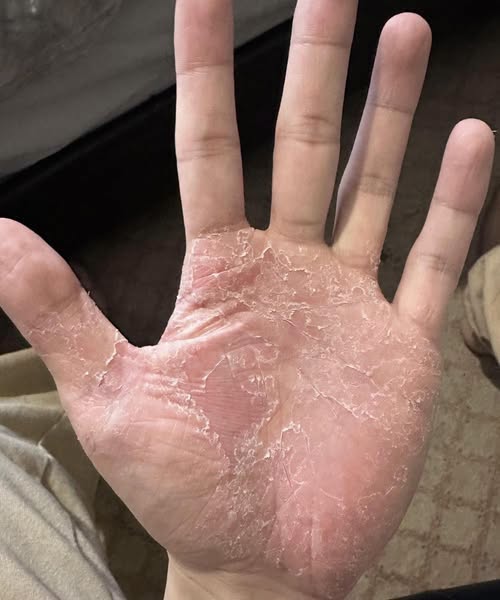
Our hands work hard every day. They help us cook meals, type on keyboards, care for loved ones, and complete countless daily tasks. At the same time, they are constantly exposed to water, soap, cleaning products, changing temperatures, and friction. It’s no surprise that the skin on our hands is often one of the first places to show signs of irritation.
A viral article suggests that symptoms such as dryness, redness, and itching may indicate hand dermatitis, a common skin condition. While the article generally reflects current medical understanding, it is important to remember that these symptoms can have many possible causes. Dry skin, allergies, eczema, psoriasis, fungal infections, and other skin conditions may produce similar signs. A proper diagnosis by a healthcare professional is the best way to determine the underlying cause.
Understanding how to recognize common symptoms and care for your hands can help maintain healthy skin and reduce discomfort.
What Is Hand Dermatitis?
Hand dermatitis, also called hand eczema, is an inflammatory skin condition that affects the hands and fingers.
It develops when the skin’s protective barrier becomes damaged, allowing moisture to escape while making the skin more vulnerable to irritation and allergens.
Hand dermatitis is one of the most common skin conditions seen by dermatologists and can affect people of all ages.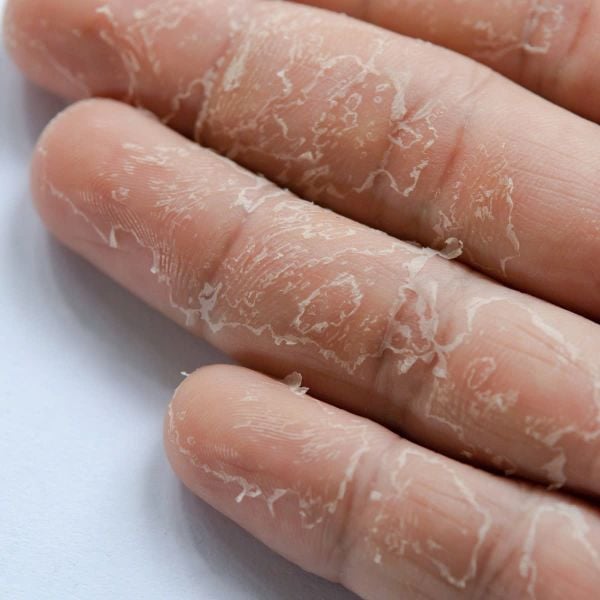
Common Symptoms
Symptoms vary from person to person and may range from mild to persistent.
Common signs include:
- Dry skin
- Redness
- Itching
- Rough patches
- Peeling skin
- Small cracks, especially around the knuckles
- Mild burning or stinging
- Increased sensitivity to soaps or water
Some people experience symptoms only occasionally, while others may have recurring flare-ups.
What Causes Hand Dermatitis?
Several factors may contribute to hand dermatitis, often acting together.
Frequent Hand Washing
Handwashing is essential for hygiene, but repeated washing—especially with strong soaps—can remove natural oils that protect the skin.
Without those oils, the skin barrier becomes more susceptible to dryness and irritation.
Cleaning Products
Household cleaners, detergents, and disinfectants may contain ingredients that irritate sensitive skin.
Repeated exposure without protective gloves increases the likelihood of irritation.
Prolonged Contact with Water
People who regularly work with water have a higher risk of developing hand dermatitis.
Occupations commonly affected include:
- Healthcare
- Food preparation
- Hairdressing
- Cleaning services
- Childcare
Constant wet work places repeated stress on the skin barrier.
Allergic Contact Dermatitis
Some individuals develop allergic reactions to substances such as:
- Nickel
- Fragrances
- Preservatives
- Rubber additives
- Latex
In these cases, avoiding the trigger is an important part of treatment.
Existing Skin Conditions
People with eczema, psoriasis, or other chronic skin disorders may be more likely to experience irritation on their hands.
Weather
Cold winter air often reduces skin moisture, while low indoor humidity may further dry the skin.
Seasonal changes commonly influence symptom severity.
Other Conditions That Can Look Similar
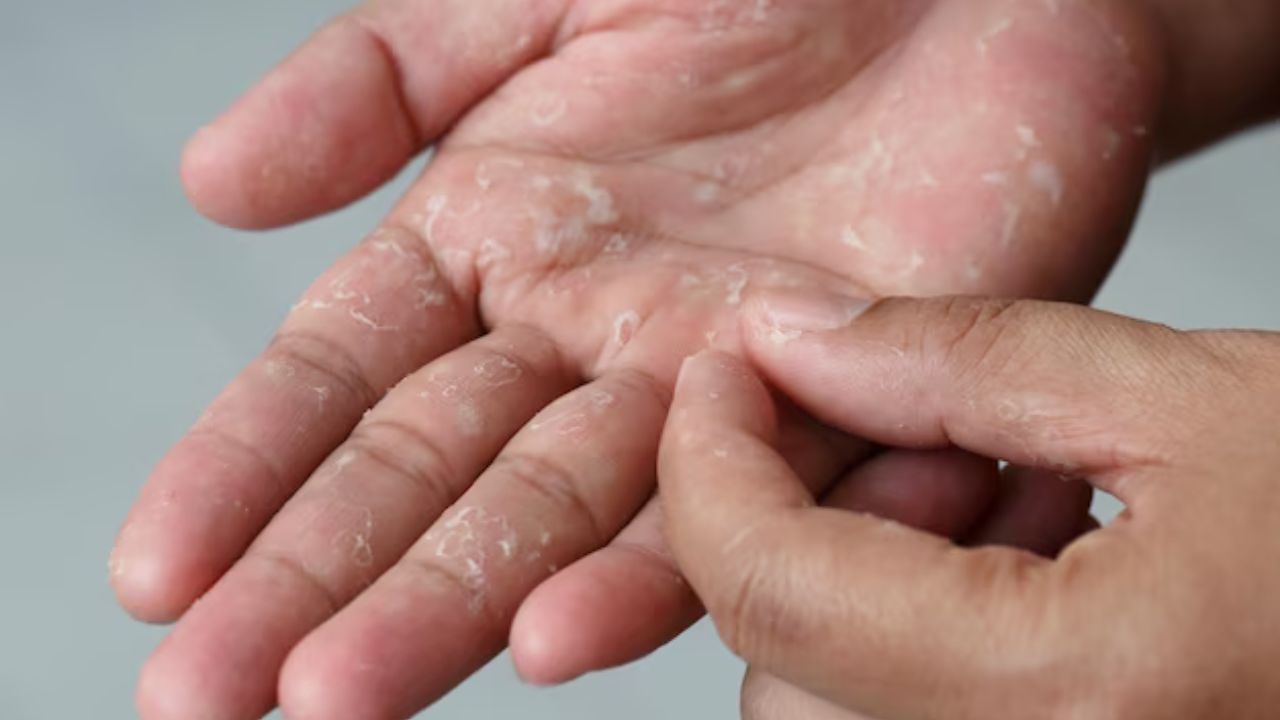
Not every itchy or dry hand is caused by dermatitis.
Other possible explanations include:
- Psoriasis
- Fungal infections
- Contact allergies
- Dry skin from environmental exposure
- Certain autoimmune conditions
Because these conditions may require different treatments, persistent symptoms should be evaluated by a healthcare professional.
How the Skin Barrier Protects Your Hands
The outermost layer of skin functions as a protective barrier.
It helps:
- Retain moisture
- Block irritants
- Reduce water loss
- Protect against microbes
When this barrier becomes damaged, skin loses moisture more easily and becomes increasingly sensitive.
Restoring the barrier is one of the primary goals of hand care.
Simple Ways to Protect Your Hands
Fortunately, many cases of mild irritation improve with consistent daily care.
Moisturize Frequently
Apply a fragrance-free moisturizer several times each day.
Using moisturizer immediately after washing helps lock moisture into the skin.
Creams and ointments are often more effective than lightweight lotions for very dry skin.
Choose Gentle Cleansers
Use mild cleansers designed for sensitive skin whenever possible.
Avoid products with strong fragrances if they seem to worsen irritation.
Wear Protective Gloves
Gloves help reduce contact with irritating substances during:
- Dishwashing
- Cleaning
- Gardening
- Household chores
Cotton liners inside waterproof gloves may improve comfort during prolonged use.
Dry Hands Gently
Pat hands dry rather than rubbing vigorously.
Remember to dry between the fingers, where moisture can become trapped.
Avoid Extremely Hot Water
Warm water cleans effectively while being less drying than very hot water.
When Should You See a Doctor?
Home care is often helpful for mild symptoms, but medical evaluation is appropriate if:
- Symptoms persist for several weeks.
- Cracks become painful.
- Everyday activities become difficult.
- The rash spreads.
- Signs of infection develop, such as increasing redness, swelling, warmth, or drainage.
A dermatologist may recommend prescription creams, allergy testing, or other treatments depending on the diagnosis.
Can Hand Dermatitis Be Prevented?
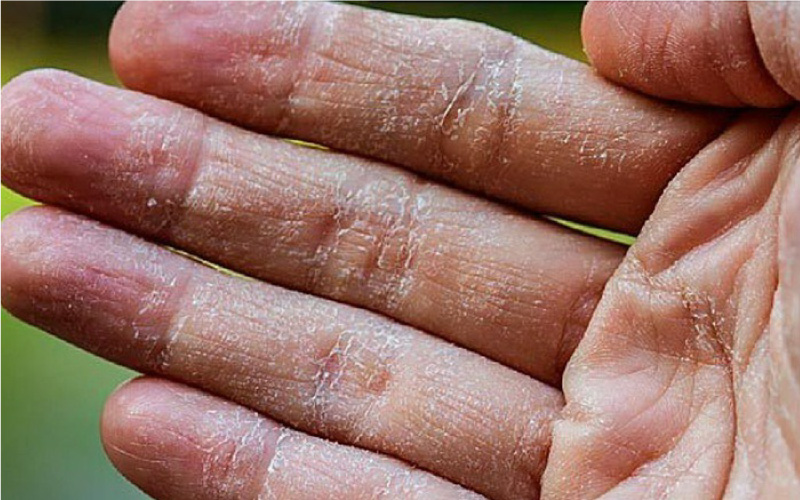
Although not every case can be prevented, healthy skin habits significantly reduce the risk.
Helpful preventive measures include:
- Moisturizing regularly
- Wearing gloves during cleaning
- Using gentle soaps
- Limiting unnecessary exposure to harsh chemicals
- Managing known allergies
- Protecting hands from cold weather
Consistency is often more important than any single product.
Myths About Dry Hands
Myth: Dry Hands Always Mean Poor Hygiene
False.
Frequent handwashing—often a sign of good hygiene—can actually contribute to dry skin.
Myth: More Soap Is Always Better
Using excessive amounts of harsh soap may strip away protective skin oils.
Gentle cleansing combined with moisturizing is generally more beneficial.
Myth: Moisturizer Is Only Needed in Winter
Skin can become dry during any season, especially with frequent washing or exposure to cleaning products.
Regular moisturizing throughout the year supports the skin barrier.
Why Healthy Hands Matter
Healthy hands contribute to more than comfort.
They allow us to perform daily activities such as:
- Writing
- Cooking
- Typing
- Exercising
- Caring for children
- Working safely
Maintaining skin health also helps preserve the body’s natural protective barrier against environmental irritants.
Conclusion
Changes in the skin of your hands, including dryness, redness, itching, or cracking, are often signals that your skin barrier needs attention. While these symptoms may be caused by hand dermatitis, they can also result from a variety of other skin conditions or environmental factors. Paying attention to early changes and adopting protective habits—such as moisturizing regularly, choosing gentle cleansers, and wearing gloves when appropriate—can help keep your hands healthy.
If symptoms persist or interfere with daily life, a healthcare professional can determine the underlying cause and recommend appropriate treatment. Early care often makes skin conditions easier to manage and helps prevent long-term discomfort.
Our hands quietly support nearly every aspect of daily life. Taking a few simple steps to protect them is a practical reminder that good health often begins with noticing the small changes our bodies reveal.
Sources
American Academy of Dermatology (AAD). Hand eczema: Causes, symptoms, and treatment.
National Eczema Association. Hand eczema overview and skin care recommendations.
British Association of Dermatologists. Patient information on hand dermatitis.
Mayo Clinic. Dermatitis: Symptoms, causes, and management.
National Health Service (NHS). Hand dermatitis guidance.
MedlinePlus. Dermatitis and skin health information from the U.S. National Library of Medicine.