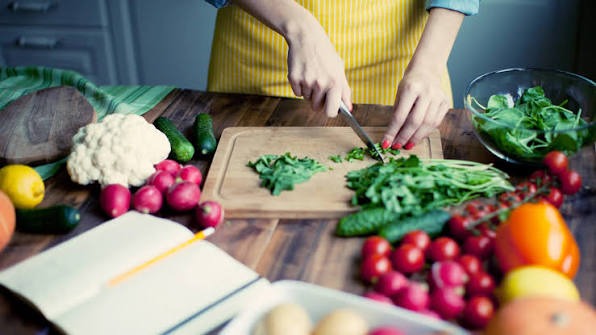
Food Safety and Fresh Vegetables: Essential Practices for a Healthy Diet
For generations, we have heard that eating our greens is a cornerstone of good health. Vegetables are universally celebrated for their role in a balanced diet, supplying vital nutrients, fiber, and a wealth of antioxidants. While their positive health effects are extensive—from supporting cardiovascular health to strengthening the immune system—the importance of managing food safety when handling fresh produce remains critical but sometimes underestimated.
Recent incidents highlight why we must pay close attention to how vegetables are handled from farm to table. One notable example involves a middle-aged woman who suffered acute kidney complications and severe gastrointestinal distress shortly after consuming a home-cooked vegetable dish. Although such severe reactions are unusual, this case illustrates the potential for fresh produce, if improperly handled, to contribute unexpectedly to health issues. These occurrences underscore the significance of rigorous food safety practices even with foods widely regarded as beneficial.
How Can Fresh Vegetables Become Risky?
Vegetables are usually grown outdoors, exposing them to a range of environmental variables that can compromise their safety long before they reach our kitchens. Several interrelated factors may increase the risk of contamination or spoilage:
1. Microbial Pathogens
Soils, agricultural runoff, infected animals, and contaminated water can introduce harmful bacteria and parasites onto the surface of leafy greens and root vegetables. Pathogens such as Escherichia coli (E. coli), Salmonella, and Listeria monocytogenes are of particular concern. According to the Centers for Disease Control and Prevention (CDC), foodborne bacteria are responsible for hundreds of thousands of preventable cases of gastroenteritis and a significant share of acute hospital admissions each year.
2. Poor Temperature Management
Vegetables are highly perishable. When stored at room temperature for extended periods, especially leafy greens such as spinach or lettuce, bacteria multiply more rapidly, and the risk of spoilage or infection increases. Ensuring refrigeration below 40°F (4°C) significantly slows bacterial growth and helps prevent foodborne illness.
3. Chemical Changes during Storage or Cooking
Not only microbial activity, but also chemical transformations can make vegetables hazardous. When exposed to excess warmth or left for long durations, harmless nitrates found in some leafy greens may convert into potentially dangerous nitrites. Nitrites are associated with health risks, particularly in vulnerable populations such as infants or those with chronic illnesses.
4. Natural Toxins and Agricultural Chemical Residues
Some plants naturally produce toxins, like solanine in nightshades (potatoes, eggplant, tomatoes), which can concentrate if the vegetable is damaged, sprouting, or improperly stored. Additionally, traces of pesticides or fungicides may remain on the surface if vegetables aren’t thoroughly washed. While regulatory agencies set safety thresholds for chemical residues, inadequate washing or improper agricultural practice can result in above-average exposure.
5. Cross-Contamination Risks
Cross-contamination typically occurs when raw vegetables come into contact with kitchen surfaces, utensils, or hands previously contaminated with raw meat, seafood, or eggs. Bacteria can then transfer to the produce and persist even through light cooking or washing, increasing infection risks.
Warning Signs to Watch For
When safety thresholds are breached, symptoms of foodborne illness can develop within hours. These range from mild stomach discomfort to severe vomiting, diarrhea, fever, or symptoms linked to organ complications (such as changes in urine output). The Mayo Clinic stresses the importance of seeking immediate medical attention if symptoms such as constant vomiting, dehydration, confusion, high fever, or persistent fatigue occur. These can signal acute foodborne infection or, in rare cases, organ stress that requires prompt intervention.
Best Practices: Keeping Your Vegetables Safe
While rare cases of illness can occur, the overwhelming evidence supports a diet rich in vegetables. The key is to adopt the same rigor in preparing produce as is commonly practiced with animal-based proteins. Here are evidence-based methods to mitigate risks and enjoy vegetables safely:
1. Rigorous Cleaning Methods
Always wash fresh vegetables under running water just before preparation. Use clean hands, utensils, and—where appropriate—a soft brush or cloth to remove dirt from items such as potatoes, carrots, or melons. For delicate produce like leafy greens, remove outer leaves and rinse each leaf carefully. The U.S. Food and Drug Administration (FDA) strongly advises against using soaps or commercial cleaning agents, as porous produce can absorb these chemicals, potentially making them unsafe to eat.
2. Proper Storage Temperatures
Refrigerate perishable vegetables as soon as possible, storing them at or below 40°F (4°C). Soft leafy greens, sprouts, and bagged salads should always be refrigerated promptly. Periodically inspect stored produce, discarding anything with slimy, moldy, or off-colored spots. Never eat vegetables that smell rotten or display unusual texture changes. Most importantly, avoid keeping cut, prepared vegetables at room temperature for any significant length of time.
3. Preventing Cross-Contamination
Assign specific cutting boards and utensils for produce, and keep them separate from those used for raw meat, poultry, or eggs. After handling raw foods, wash hands with warm, soapy water for at least 20 seconds before touching produce or ready-to-eat foods. Kitchen surfaces, tools, and drying cloths should be regularly sanitized to minimize risk.
4. Safe Preparation and Cooking
While many vegetables are healthiest when eaten raw or lightly cooked, some are better cooked to reduce microbial load—especially sprouts or mushrooms. For cooked leafy greens, avoid storing them for extended periods or reheating multiple times; this minimizes the possibility of harmful nitrite buildup. Food safety guidelines further recommend cooking sprouts thoroughly and consuming ready-to-eat salads before their labeled expiration dates.
5. Be Alert for Product Recalls and Public Health Notices
Regularly consult public health portals or local health agencies for updates on food product recalls or outbreaks. Many high-profile produce recalls—such as outbreaks linked to bagged salads or certain leafy greens—are reported in the media or agencies like the CDC, FDA, and World Health Organization (WHO). Discard or return products subject to recall, even if no illness has been reported in your area.
Benefits of a Plant-Rich Diet—and Why Caution Still Matters
The array of nutrients found in vegetables—fiber, vitamins, minerals, and antioxidants—contribute to lower rates of chronic illness including heart disease, stroke, certain cancers, and metabolic diseases. Numerous studies confirm that diets high in diverse vegetables promote long-term health and support metabolic, digestive, immune, and cognitive functions. The rare nature of vegetable-related foodborne illness, when compared to the substantial benefits, should not dissuade individuals from consuming plenty of greens.
Instead, by applying food safety best practices, the already powerful health benefits of vegetables are maximized. For families with infants, elderly members, or immunocompromised individuals, extra vigilance is vital, as these groups are more susceptible to complications from foodborne illnesses. Parents and caregivers should model hand-washing and proper handling for children, fostering lifelong, safe eating habits.
Societal and International Perspectives on Produce Safety
Globally, safe food handling of fresh produce is a public health priority. International bodies like the WHO and CDC collaborate with national governments to monitor outbreaks, improve agricultural practices, and promote education about food safety in supermarkets, restaurants, and homes. In some countries, strict standards are in place for pesticide use, water quality, and clean harvesting methods.
Advancements in food technology, such as improved washing, packaging, and rapid disease surveillance, have contributed to overall declines in major outbreaks. However, consumer awareness remains the linchpin preventing home-based illnesses—simple practices, including thorough washing, safe refrigeration, and attention to recall alerts, make a profound difference.
Expert Views and Consumer Confidence
Leading nutritionists, health authorities, and food safety experts recommend following science-based safety guidelines for all types of produce. According to Dr. Susan Mayne, Director of the FDA’s Center for Food Safety and Applied Nutrition, “Preventing illness from produce doesn’t require elimination—just smart, attentive handling. When in doubt, wash, refrigerate, and separate.” Public trust in the safety of produce is high, especially when education and infrastructure support safe-food systems at all levels.
Ultimately, with proper precautions, consumers can continue to enjoy the wide-ranging health benefits of vegetables, confident in their ability to minimize risk. The food safety principles applied in professional kitchens—clean, separate, cook, and chill—are equally applicable at home.
Conclusion: Enjoy Plants, Practice Safety
In summary, vegetables remain indispensable to a healthy diet, provided that safety guidelines are reliably followed at each step from selection to serving. Rare adverse incidents should serve as reminders—not deterrents—encouraging greater care in handling fresh produce. By fostering strong habits and staying informed, individuals and families can enjoy the full benefits of a diet rich in greens, while safeguarding health at the same time.
We encourage readers to share this information with friends and loved ones, reinforcing the message that safe handling empowers healthy eating for all.

Monica Pop is a senior writer for Bored Daddy magazine covering the latest trending and popular articles across the United States and around the world.
Sources
- CDC – Food Safety Overview
- FDA – Selecting and Serving Produce Safely
- Mayo Clinic – Acute Kidney Injury
- WHO – Food Safety
- BBC – Why Food Hygiene Matters as Much as Ever
- Reuters – FDA on Vegetable Recalls
- The Guardian – How to Protect Yourself from Food Poisoning
Disclaimer: This content is intended for entertainment purposes only and is not based on real events.