Grandparents: The Unmatched Role in the Lives of Children
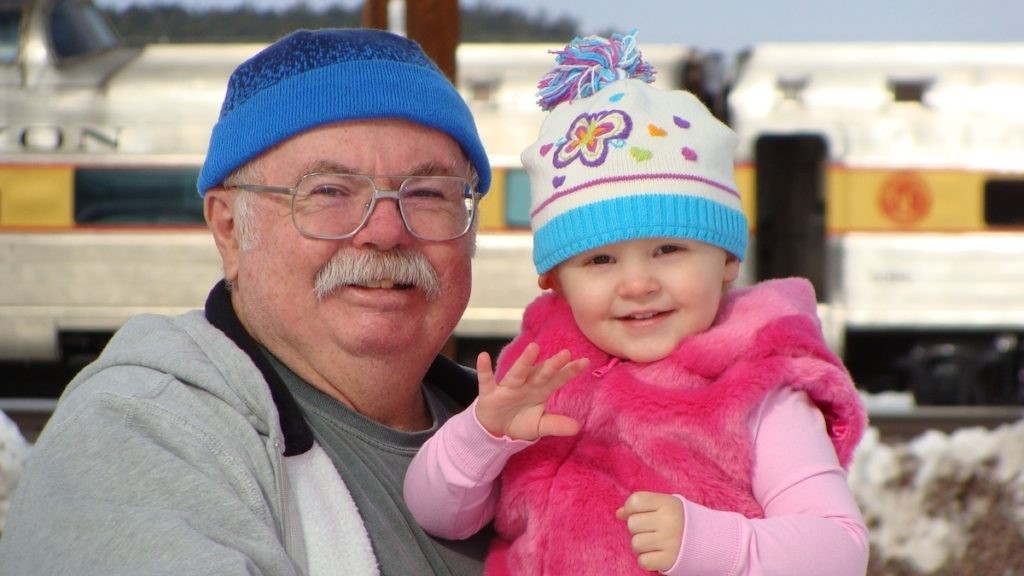
Grandparents hold a special and irreplaceable position in families, significantly shaping their grandchildren’s lives across emotional, cultural, and even scientific dimensions. As Joyce Allston famously stated, “Grandparents, like heroes, are as necessary to a child’s growth as vitamins.” This assertion is being increasingly validated not only by personal anecdotes, but also by mounting evidence from psychological and sociological research. The multifaceted influence grandparents exercise as caregivers, mentors, friends, and guardians of tradition is vital for the healthy development of the next generation.
The Emotional Wellbeing Fostered by Grandparents
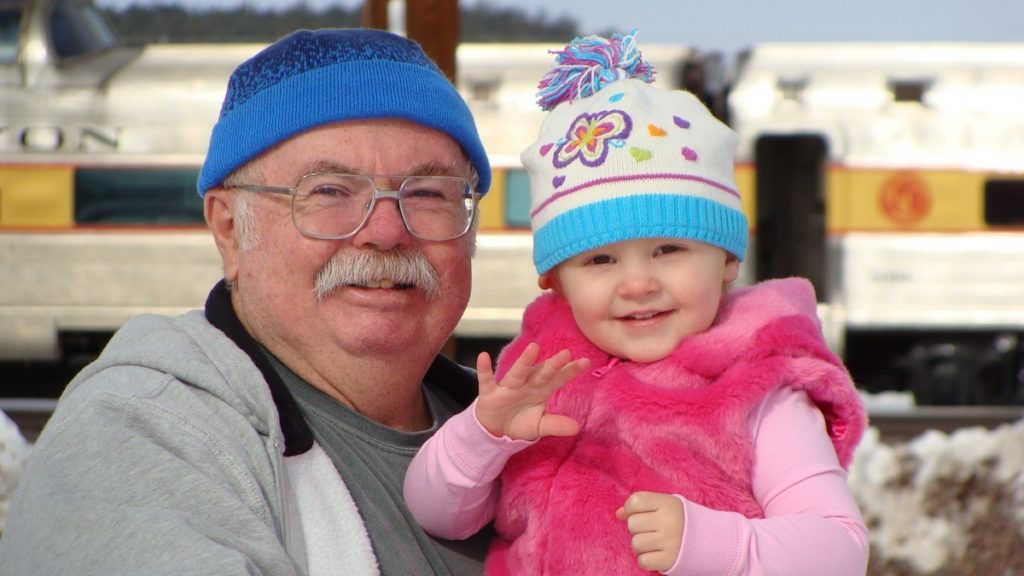
One of the most notable impacts grandparents have on their grandchildren is in the domain of emotional health. A groundbreaking study from The Gerontologist demonstrated that intergenerational relationships – especially those involving frequent meaningful interactions – are directly correlated with reduced depressive symptoms in both the elderly and the young. This research highlights a two-way street: spending time together not only lifts the spirits of children, but also significantly benefits the emotional wellbeing of their grandparents. The study’s findings underscore the importance of fostering continued contact between generations as a family policy and practice.
The emotional support provided by grandparents is unique and deeply rooted in empathy. Unlike parents who are often responsible for discipline and household structure, grandparents can act as a safe harbor where children feel heard and understood. When kids become frustrated, angry, or misunderstood by their parents, grandparents can step in with wisdom, patience, and an open ear. Their gentle guidance and lack of direct disciplinary pressure create a nurturing environment where children can process their feelings and grow emotionally resilient. This emotional buffer helps children manage stress and build confidence, while grandparents experience the rewarding power of connection and purpose.
Transmitting Cultural Values and Identity
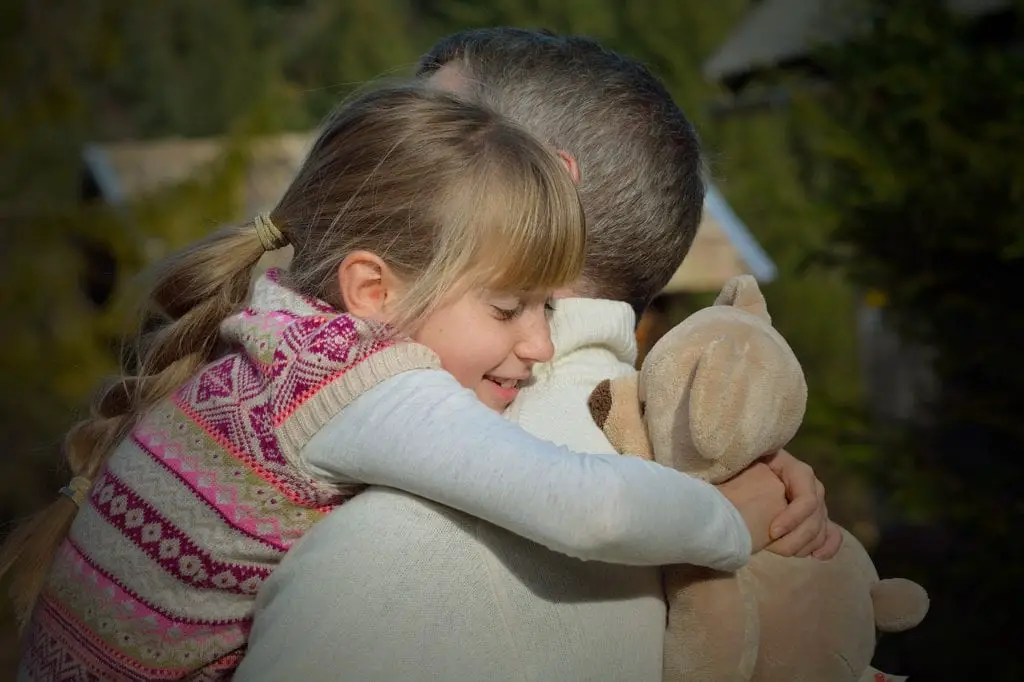
Beyond emotional support, grandparents are often the keepers of family history, traditions, and collective memory. Through storytelling, sharing family lore, and passing down ancestral wisdom, they provide grandchildren with a sense of identity and continuity. Children exposed to accounts of “how life was back in the day” gain a richer understanding of their heritage and cultural roots, strengthening their self-esteem and sense of belonging. This process helps bridge generational gaps and instills values that textbooks and online resources rarely convey.
Globally, families rely on grandparents to impart key cultural elements such as language, customs, and rituals. For example, in multigenerational households common in Asia, Africa, and parts of Europe, children frequently learn about festivals, foods, prayers, and familial expectations directly from grandparents. These traditions are critical for the development of social and moral values, providing children with a framework that guides their actions and decisions throughout life.
The Mutual Benefits of Intergenerational Relationships
The relationship between grandparents and grandchildren is a mutually beneficial one. Scientific studies suggest that elderly individuals who maintain regular contact with their grandchildren enjoy increased longevity, improved cognitive function, and faster recoveries from illness. These findings are supported by research published in journals such as The Gerontologist, which indicates that seniors gain new motivation to live and stay engaged when they fulfill the vital role of caregivers and mentors.
Children, in turn, grow up more socially adept, emotionally fulfilled, and equipped for the challenges of adulthood. The affection and guidance grandparents provide help children develop empathy, patience, and respect for elders. These qualities are essential for fostering positive relationships and a strong sense of community outside the family unit.
Stability and Comfort in a Changing World
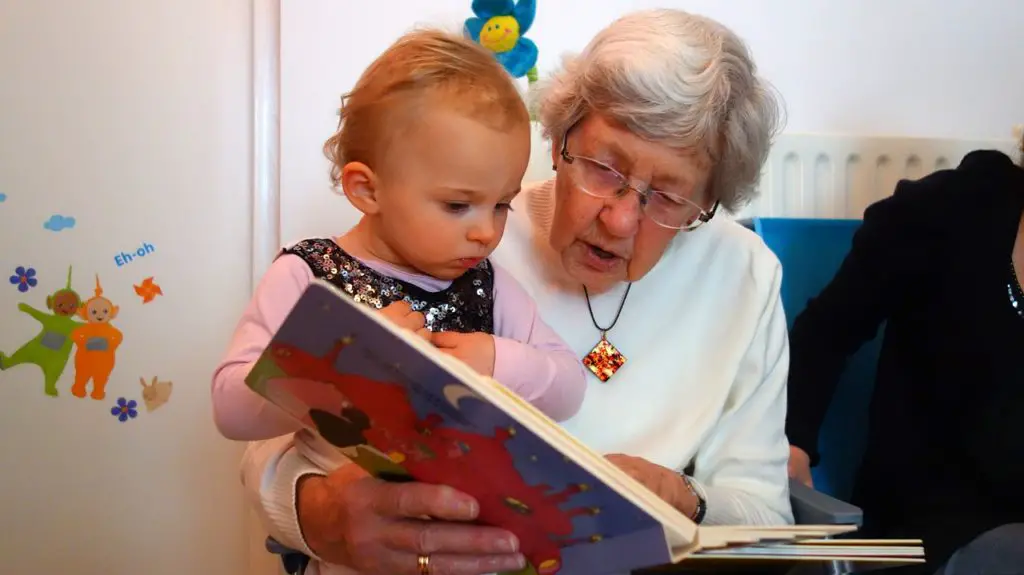
Modern life is often characterized by rapid change, uncertainty, and increased stress. Amid these pressures, grandparents offer a steady and comforting presence. They become the anchor for their grandchildren, providing a safe haven where challenges can be discussed without fear or judgment. Family therapists explain that this stability is crucial for emotional development, helping children develop coping strategies and resilience.
No matter how difficult circumstances become – whether related to school, friendship conflicts, or family issues – grandparents are always ready to listen, offer support, and provide guidance. This consistent reliability forms the backbone of the family, ensuring there is always a “shoulder to cry on” and a heart to confide in.
Grandparents as Friends and Mentors
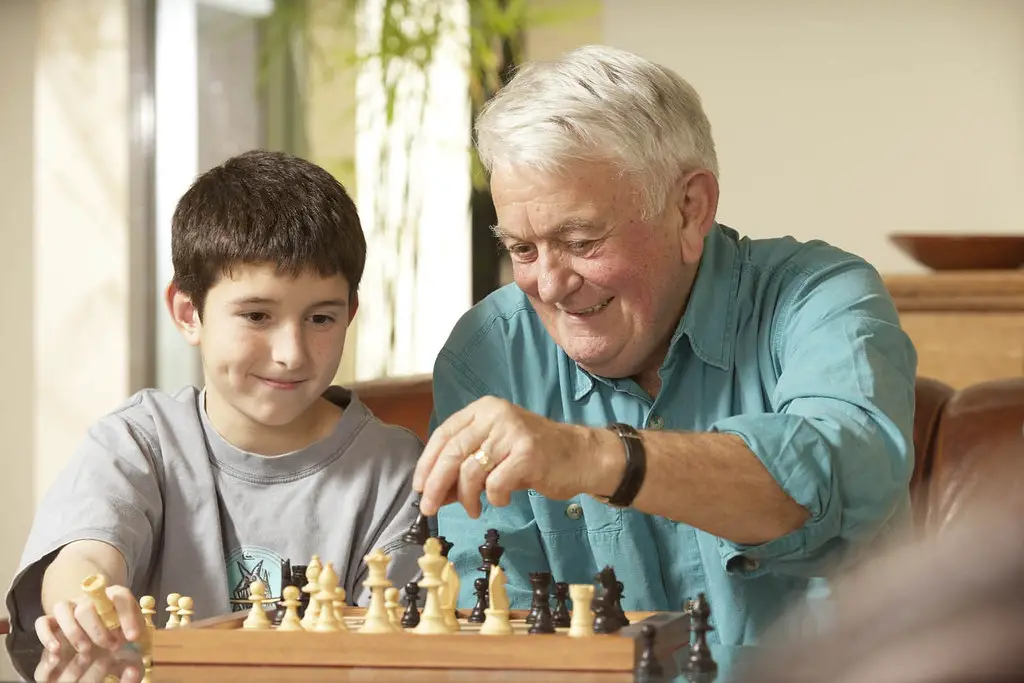
Beyond their roles as caregivers and guardians, grandparents often become the best kind of friends. Without the pressures of daily discipline or high expectations typical of parent-child relationships, grandparents offer unconditional acceptance and encouragement. This dynamic fosters trust and allows children to express themselves freely, helping them grow up with confidence and self-respect.
Grandparents’ devotion is evident not only in emotional support but also in their everyday actions – nurturing their grandchildren, ensuring they are happy, healthy, and well-fed. The warmth and affection provided at their homes, from shared meals to encouraging conversations, build strong memories that stay with children well into adulthood. As one popular saying goes, “Grandparents are like stars. You don’t always see them, but you know they’re there.”
Caring for Family Needs
Grandparents’ homes are often associated with comfort, warmth, and abundance. The generosity expressed through acts such as cooking favorite foods, helping with homework, and celebrating achievements or milestones reinforces a sense of security and happiness. Many children report that visits to grandparents’ houses leave them feeling both physically and emotionally nourished. This consistent, caring presence means that children rarely leave feeling empty – their grandparents are always there to fill their hearts and bellies.
The encouragement and support grandparents provide does not end with childhood. Many remain involved in their grandchildren’s lives throughout adolescence and early adulthood, supporting dreams, ambitions, and offering guidance in life’s critical moments. This lifelong bond helps shape responsible, independent, and compassionate individuals.
Expert Views and Societal Perspectives
Expert opinions from psychologists, family therapists, and educators highlight the importance of multigenerational contact. Studies conducted by institutions such as the World Health Organization and Mayo Clinic indicate that children who regularly interact with grandparents score higher in emotional intelligence, academic performance, and social skills. The benefits are not limited to family units – broader society gains from the values of empathy, respect, and tradition that grandparents help cultivate.
Internationally, cultures that prioritize intergenerational living – such as Italy’s “la famiglia” or India’s extended households – report higher levels of family cohesion, lower rates of elder isolation, and more robust support networks for young people. Public health policies in many countries are increasingly acknowledging the critical role grandparents play, pushing for programs that facilitate family reunification and support for the elderly as an investment in youth wellbeing.
In Western societies where nuclear families are more common, emerging research and advocacy are encouraging greater involvement of grandparents in childcare, education, and emotional support. Family-friendly workplaces, community centers, and local governments are now offering initiatives to help reconnect children with their grandparents, recognizing the public health implications of intergenerational bonding.
Making the Most of Grandparent-Grandchild Relationships
For families fortunate enough to have grandparents actively involved in their lives, the message is simple: cherish these relationships and nurture them as much as possible. Staying connected through visits, phone calls, and shared activities strengthens family bonds, safeguards emotional health, and passes down a legacy of wisdom and care. Reminding grandparents of their importance and expressing gratitude not only honors their contributions, but also forges deeper connections that endure across time and distance.
For those who may have lost contact with their grandparents or wish to rebuild relationships, experts encourage utilizing modern technology in addition to traditional methods – video calls, shared online family albums, and collaborative hobbies can recreate the closeness that transcends geography. At the same time, communities and policymakers should strive to remove barriers to intergenerational contact, fostering inclusive environments in which elderly and young family members alike can thrive.
Conclusion
The role of grandparents has been universally celebrated and scientifically validated as essential to the wellbeing and development of children. From teaching cultural values, providing emotional security, and fostering stability, to giving children a trusted confidante and friend, the impact of grandparents spans generations and societies. As the world grows more interconnected yet often more isolated, maintaining strong intergenerational bonds remains a cornerstone of healthy families and vibrant communities.
If you still have your grandparents in your life, be sure to let them know how much they mean to you, and make the most of every moment spent together. These relationships are precious, shaping identity, history, and happiness for years to come.
Sources
- Reuters
- BBC
- The Guardian
- The Gerontologist
- World Health Organization (WHO)
- Centers for Disease Control and Prevention (CDC)
- Mayo Clinic
Disclaimer: This content is intended for entertainment purposes only and is not based on real events.