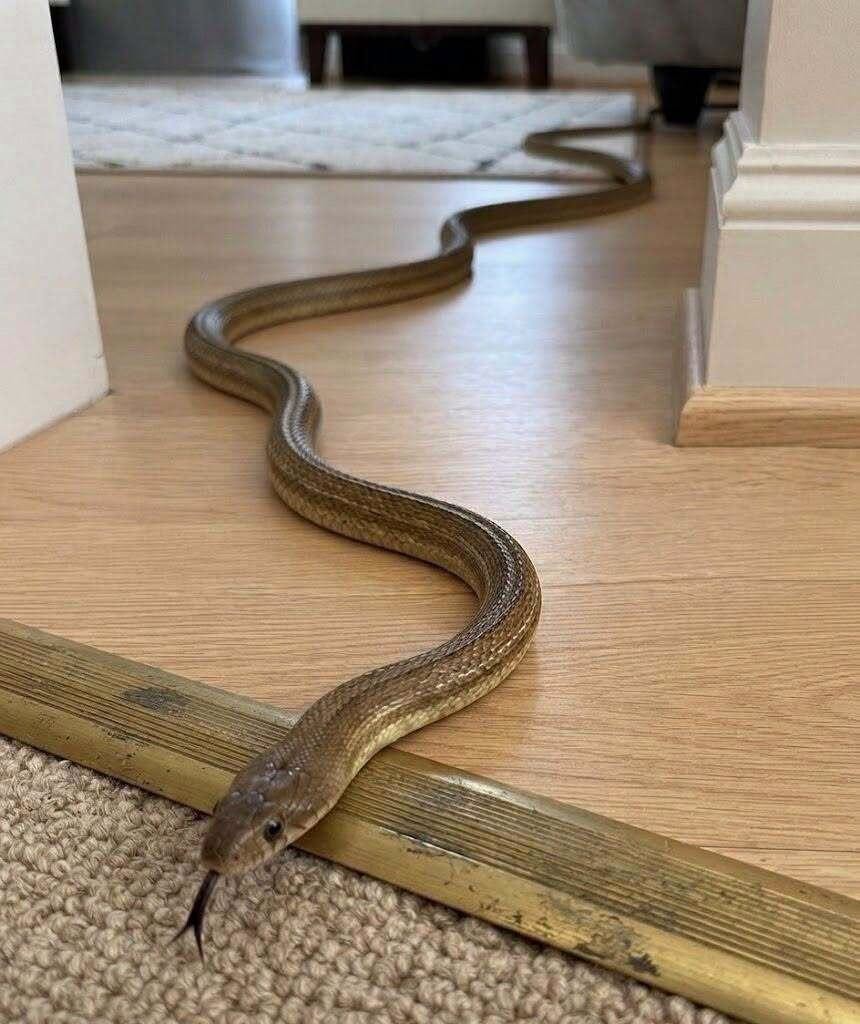
What to Do If You Find a Snake Inside Your Home
Finding a snake inside a house can be alarming, especially when it appears unexpectedly in a kitchen, basement, garage, bathroom, or living area. In most situations, however, a snake has not entered a home to seek out people. It is usually following practical needs such as shelter, warmth, water, or food. Understanding why snakes enter buildings and knowing how to respond calmly can help protect household members, pets, and the animal itself.
Snakes are an important part of many ecosystems. They help regulate populations of rodents and other small animals, including species that can damage property or spread disease. Even so, a snake indoors should be treated with caution. It may be difficult to identify accurately, and any wild animal can react defensively when it feels trapped or threatened. The safest approach is to keep a distance, prevent people and pets from approaching, and contact a qualified local wildlife professional when assistance is needed.
Why Snakes Enter Homes
Snakes may enter houses, sheds, garages, crawl spaces, and other structures for several reasons. Their behavior is influenced by weather, local habitat, available prey, and access points around a building. They are generally looking for an environment that meets basic survival needs rather than trying to interact with humans.
Shelter From Weather and Temperature Changes
Because snakes depend on external temperatures to regulate their body heat, they may seek protected places when conditions change. During very hot weather, a shaded crawl space, basement, or garage may offer a cooler refuge. During cooler periods, snakes may be drawn to warmer areas near foundations, utility spaces, sunny walls, or equipment that produces heat.
Seasonal transitions can also increase sightings. In many regions, snakes become more active during warmer months and may move through residential areas while searching for food or suitable cover. In autumn, some species may look for protected locations where they can spend colder months. The timing varies considerably by species and climate, so local wildlife authorities are often the best source for region-specific guidance.
Food Sources Around the Property
Rodents are a major food source for many snake species. A home with mice, rats, or other small animals may therefore be more attractive to snakes. Bird feed that spills onto the ground can draw rodents, while unsecured pet food, fallen fruit, compost, and cluttered storage areas can create favorable conditions for rodents as well.
Reducing rodent activity is one of the most effective long-term ways to make a property less appealing to snakes. This does not mean trying to manage snakes directly. Instead, homeowners can focus on practical sanitation and exclusion measures: store food in sealed containers, clean up spills, secure rubbish bins, repair structural gaps, and address rodent problems through safe, lawful methods or a pest-management professional.
Small Gaps Can Become Entry Points
Snakes can fit through surprisingly narrow openings. Common access points include cracks in foundations, gaps around plumbing or electrical lines, damaged screens, unsealed doors, open vents, and poorly fitted windows. A garage door that does not sit flush with the ground can also leave an opening large enough for small wildlife to enter.
Indoor sightings do not always mean a snake has established itself inside the home. A snake may have entered accidentally through an open door, garage, or window and then become disoriented. Nevertheless, the sighting is a useful reason to inspect the property for gaps and conditions that could allow other wildlife to enter.
What to Do When You Find a Snake Indoors
The most important response is to remain calm and maintain distance. Sudden movements, attempts to corner the animal, or efforts to remove it without training can make the situation more difficult. Most snakes prefer to avoid people and will try to find an escape route if they have space to do so.
Keep People and Pets Away
Move children, pets, and other household members away from the immediate area. Dogs and cats may investigate a snake out of curiosity, which can increase the chance of a defensive bite. Do not allow anyone to touch the snake, take close photographs, or attempt to identify it at close range.
If it can be done without approaching the snake, close interior doors to limit its movement to one room. Avoid blocking the animal into a tight corner or trying to trap it with household objects. The goal is to create a calm, controlled situation until trained help arrives.
Do Not Handle, Capture, or Kill the Snake
It is not advisable to pick up, catch, or kill a snake. Even species that are not medically significant can bite if handled or frightened. In addition, many people misidentify snakes based on color or markings alone. Identification can be especially unreliable when lighting is poor, the animal is moving, or a person is understandably stressed.
Removing or harming wildlife may also be regulated by local laws, particularly for protected native species. A local wildlife agency, animal control department, or licensed wildlife-control professional can explain the rules that apply in a particular area and provide appropriate removal options.
Contact Appropriate Local Help
For a snake that remains inside the home, contact local animal control, a wildlife rehabilitation organization where applicable, a licensed wildlife removal provider, or the relevant state, provincial, or municipal wildlife agency. Availability differs by location. Some agencies provide direct assistance, while others maintain lists of trained responders or licensed operators.
When calling, share the location of the snake, whether it is indoors or outdoors, and whether anyone has been bitten. A photograph taken only from a safe distance may sometimes help a local expert assess the situation, but never attempt to obtain one if it requires moving closer.
What to Do if a Person or Pet Is Bitten
If a person is bitten by a snake, seek urgent medical advice or emergency care immediately, particularly if the species is unknown. Do not wait for symptoms to develop. Keep the affected person as still and calm as possible, remove tight items such as rings or watches near the affected area if swelling could occur, and follow instructions from emergency medical professionals.
Public health agencies advise against home remedies such as cutting the wound, attempting to suck out venom, applying ice, using a tourniquet, or trying to capture the snake. These actions can cause additional harm or delay appropriate treatment. Medical professionals can determine the correct course of care based on the location, symptoms, and likely species involved.
For a pet bite, contact a veterinarian or emergency veterinary clinic promptly. Keep the animal calm and limit movement during transport. Do not try to treat the bite with home remedies. Veterinary teams can assess the animal and provide treatment based on local risks and clinical signs.
How to Prevent Snakes From Entering Your House
Prevention is usually more effective than reacting after a snake enters. A combination of building maintenance, yard management, and rodent control can significantly reduce the likelihood of wildlife entering a home. No method can guarantee that snakes will never be seen on a property, particularly in areas with suitable habitat, but practical steps can reduce opportunities for entry.
Seal Exterior Openings
Inspect the exterior of the home carefully, paying attention to the foundation, crawl-space openings, vents, utility penetrations, doors, and windows. Repair cracks, replace torn screens, and use appropriate materials to close gaps around pipes and cables. Install door sweeps where needed, especially on exterior doors, garage side doors, and doors leading to basements or storage spaces.
Vent covers should allow necessary airflow while preventing animals from entering. Because building designs differ, homeowners may wish to consult a qualified contractor when sealing openings around ventilation, drainage, electrical equipment, or gas appliances. Improperly blocking a required vent can create moisture, ventilation, or safety problems.
Maintain a Tidy Yard
Snakes often use cover to move through a landscape. Tall grass, dense vegetation, stacked lumber, piles of leaves, unused equipment, and outdoor clutter can provide hiding places for both snakes and their prey. Keeping grass trimmed and reducing unnecessary debris near the foundation can make the immediate area around the home less attractive.
Woodpiles should be kept orderly and, where practical, positioned away from the house. Firewood, stones, stored materials, and garden supplies should be handled carefully, as wildlife may shelter beneath them. Use gloves when moving outdoor materials, and look before reaching into spaces that cannot be seen clearly.
Reduce Rodent and Insect Activity
A property that supports rodents can indirectly support snakes. Keep rubbish containers closed, avoid leaving pet food outdoors, clean fallen birdseed, and store animal feed in rodent-resistant containers. Repair leaks and remove standing water where feasible, since water can attract a range of animals.
Integrated pest management is a useful approach because it focuses on removing food, water, and shelter rather than relying solely on chemical controls. If rodent activity persists, a reputable pest-control provider can help identify entry points and recommend measures suited to the building and local regulations.
Understanding Snakes as Part of the Local Environment
Although an indoor encounter can feel unsettling, snakes are valuable members of natural food webs. By feeding on rodents and other small prey, they contribute to ecological balance. Many species are harmless to people when left alone, and nearly all would rather avoid a confrontation.
Public education can help replace fear with practical awareness. Knowing which snakes occur locally, understanding the difference between observing wildlife and handling it, and having contact details for local wildlife services can make an unexpected encounter easier to manage. Local extension services, parks departments, and wildlife agencies often publish identification guides and prevention advice tailored to regional species.
The key message is simple: give snakes space, avoid direct contact, and rely on qualified professionals when removal is necessary. A calm response protects everyone involved while allowing homeowners to address the conditions that made entry possible.
Key Takeaways for a Snake in the House
If you find a snake inside your home, do not panic or attempt to handle it. Keep children and pets away, isolate the area if you can do so safely, and contact local animal control or a qualified wildlife professional. After the snake has been removed or has left, inspect the building for gaps and improve rodent prevention, exterior maintenance, and yard cleanliness.
Most snake encounters can be managed safely through distance, patience, and informed action. Taking preventive measures now can help reduce the chance of future wildlife visitors while respecting the role snakes play in the environment.
Sources
Disclaimer: This content is intended for entertainment purposes only and is not based on real events.