Strong Nails After 40: Nutrition and Healthy Nail Care
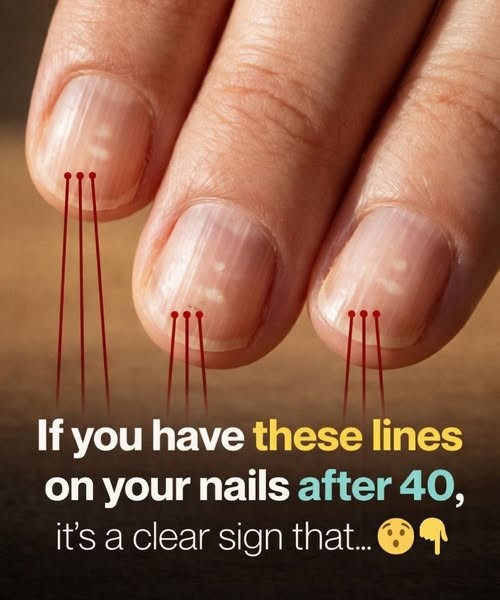
Changes in nail texture, growth, and appearance can become more noticeable after age 40. Nails may grow more slowly, develop vertical ridges, split at the tips, or feel thinner and drier than they did earlier in adulthood. In many cases, these changes are a normal part of aging. Nail growth naturally slows over time, while repeated exposure to water, cleaning products, weather, and manicure products can make the nail plate more vulnerable to dryness and breakage.
Nutrition can play a useful role in maintaining healthy nails, but it is important to approach the subject realistically. No single food can instantly repair brittle nails, and supplements are not always necessary. Because fingernails grow gradually, visible improvement from better nutrition and gentler care may take several months. A balanced eating pattern that provides enough protein, vitamins, minerals, fluids, and healthy fats supports the body systems involved in nail growth, including the nail matrix beneath the cuticle.
This guide explains the relationship between aging, diet, and nail health, as well as when nail changes may deserve medical attention.
Why Nails May Change After 40
Nails are made primarily of keratin, a tough structural protein also found in hair and skin. New nail cells form in the nail matrix, located under the skin at the base of each nail. As these cells move forward, they harden and create the visible nail plate. Fingernails generally grow only a few millimeters each month, so changes in diet, health, or routines are reflected slowly.
Age-related changes can affect this process. Blood circulation, skin hydration, hormone levels, medication use, and chronic health conditions can all influence the condition of nails. Vertical ridges, for example, are common with aging and are often harmless. Dryness may become more apparent as the skin and nails retain less moisture. Frequent handwashing, alcohol-based sanitizers, household cleaning, and repeated use of nail polish remover can add to this effect.
However, not every nail change should be attributed to age. Persistent brittleness can sometimes occur alongside nutritional deficiencies, thyroid disorders, anemia, fungal infections, skin conditions such as psoriasis, or reactions to personal-care products. Sudden, severe, or unusual changes should be discussed with a qualified healthcare professional rather than treated only with dietary changes.
Protein Supports Keratin Production
Protein is an essential nutrient for healthy nails because keratin is a protein. A person who consistently eats too little protein may have difficulty maintaining normal tissue repair and growth. This does not mean that very high protein intake is necessary; rather, regular intake from a range of nutritious foods can help meet daily needs.
Useful protein sources include eggs, fish, poultry, dairy foods, soy products, beans, lentils, chickpeas, tofu, tempeh, nuts, and seeds. Combining plant protein sources throughout the day can provide a broad range of amino acids. For people following vegetarian or vegan diets, legumes, soy foods, fortified plant-based products, whole grains, nuts, and seeds can be especially valuable.
Protein needs vary depending on age, body size, activity level, health status, and medical advice. Older adults may need to pay particular attention to overall protein intake because appetite, dental concerns, or dietary restrictions can make balanced eating more difficult. Anyone with kidney disease or another condition requiring protein limits should follow guidance from their clinician or registered dietitian.
Iron and the Importance of Oxygen Delivery
Iron helps the body make hemoglobin, the component of red blood cells that carries oxygen. Adequate oxygen delivery supports normal function in tissues throughout the body, including areas involved in nail growth. Iron deficiency can be associated with symptoms such as fatigue, weakness, shortness of breath, pale skin, and nail changes. In some cases, nails may become thin, fragile, or unusually shaped.
Good food sources of iron include lean meat, seafood, beans, lentils, tofu, spinach, fortified cereals, pumpkin seeds, and other legumes. The type of iron in meat and seafood, called heme iron, is generally absorbed more easily. Plant foods contain non-heme iron, which can still make an important contribution to the diet.
Vitamin C helps improve the absorption of non-heme iron. Pairing lentils, beans, leafy greens, or fortified grains with foods such as citrus fruit, berries, tomatoes, sweet peppers, or broccoli is a practical strategy. For example, a bean salad with bell peppers and lemon juice or oatmeal served with berries can support iron absorption.
Iron supplements should not be taken solely for brittle nails without medical advice. Too much iron can be harmful, and a blood test is often needed to confirm iron deficiency. This is especially important for adults who have ongoing fatigue, unexplained weakness, or significant changes in nail appearance.
Biotin: Useful but Often Overstated
Biotin, also known as vitamin B7, is frequently promoted for hair and nails. It contributes to normal metabolism and is present in many foods, including eggs, nuts, seeds, legumes, whole grains, mushrooms, sweet potatoes, and some dairy products. Biotin deficiency is uncommon in people who eat a varied diet, but inadequate intake can occur in specific medical situations.
Some small studies have suggested that biotin supplements may help certain people with brittle nails. However, the evidence is limited, and the benefits are not guaranteed for everyone. Dietary biotin is a sensible part of balanced nutrition, but high-dose supplements should be approached carefully.
Importantly, the U.S. Food and Drug Administration has warned that biotin supplements can interfere with some laboratory tests, including certain tests used to assess heart-related conditions and thyroid function. Anyone taking a biotin supplement should tell their healthcare provider and laboratory staff before testing. Food sources do not usually present the same concern as high-dose products.
Healthy Fats Can Help Reduce Dryness
Nails need more than protein and minerals. Healthy fats support overall skin health and can help the body absorb fat-soluble vitamins. When nails are persistently dry, they may be more likely to peel or split at the edges. While no food can directly “moisturize” a nail plate immediately, a diet that includes unsaturated fats supports general nutritional health.
Omega-3 fatty acids are found in salmon, sardines, trout, mackerel, chia seeds, flaxseeds, hemp seeds, walnuts, and certain fortified foods. Fish also provides protein and other nutrients, making it a useful option for people who eat seafood. Plant-based omega-3 sources can be included in meals by adding ground flaxseed to oatmeal, chia seeds to yogurt, or walnuts to salads and grain dishes.
Olive oil, avocados, nuts, seeds, and nut butters are additional sources of unsaturated fats. These foods fit well within eating patterns associated with heart health, including Mediterranean-style diets. For nail health, the broader goal is consistency and overall dietary quality rather than relying on one ingredient.
Other Nutrients That Matter for Healthy Nails
Zinc is involved in cell growth and tissue repair. It is found in meat, shellfish, dairy foods, beans, nuts, seeds, and whole grains. Low zinc intake is uncommon in many balanced diets but may occur in people with restrictive eating patterns or conditions that reduce nutrient absorption. Selenium, vitamin B12, folate, and vitamin D also have important roles in general health, although nail changes alone cannot identify a deficiency.
Fruits and vegetables contribute vitamin C, folate, and antioxidant compounds that support overall health. Whole grains and legumes add fiber, B vitamins, minerals, and plant protein. Dairy foods or fortified alternatives may contribute protein, vitamin D, and vitamin B12, depending on the product. A varied plate is generally more beneficial than concentrating on a narrow list of “beauty foods.”
Hydration is also relevant. Drinking enough fluids supports normal body functions and helps prevent dehydration, although water alone will not cure brittle nails. Fluid needs differ based on climate, physical activity, medications, and health conditions. Water, milk, unsweetened beverages, soups, fruits, and vegetables can all contribute to daily fluid intake.
Practical Nail Care Habits After 40
Diet works best alongside practical nail protection. Since nails are exposed to the environment every day, simple habits can reduce splitting and damage:
- Wear gloves while washing dishes, gardening, or using household cleaning products.
- Apply hand cream or cuticle oil after washing hands, particularly in dry weather.
- Keep nails trimmed and file them gently in one direction to reduce snagging.
- Limit prolonged soaking in water when possible, as repeated wetting and drying can weaken nails.
- Use acetone-based nail polish remover sparingly if it causes noticeable dryness.
- Avoid cutting or aggressively pushing back cuticles, which help protect the nail area from irritation.
- Choose reputable salons that follow proper hygiene practices if receiving professional manicures.
It is also sensible to be cautious with products that promise dramatic nail growth or instant repair. Nail cosmetics may improve appearance temporarily, but marketing claims should not replace medical assessment when symptoms are persistent or concerning.
When to Speak With a Healthcare Professional
Many nail changes are harmless, especially when they develop slowly. Still, medical advice is appropriate when a change is new, persistent, painful, or accompanied by other symptoms. A clinician or dermatologist can evaluate whether nutrition, infection, medication effects, a skin condition, or another health issue may be involved.
Seek professional advice for nail discoloration that does not grow out, substantial thickening or crumbling, separation of the nail from the nail bed, swelling around the nail, repeated infections, or a dark streak that is new or changing. It is also important to discuss brittle nails alongside unexplained tiredness, weight changes, hair loss, digestive symptoms, or changes in skin texture.
A healthcare professional may recommend blood tests when there is a reason to consider iron deficiency, thyroid disease, vitamin deficiencies, or other underlying concerns. This approach is more reliable than self-diagnosing based on nail appearance alone.
A Balanced Approach to Stronger Nails
Healthy nails after 40 are supported by the same fundamentals that benefit the rest of the body: adequate protein, iron-rich foods, fruits and vegetables, healthy fats, sufficient fluids, and regular meals that meet individual nutritional needs. Foods containing biotin, zinc, vitamin C, and other essential nutrients can contribute to normal nail growth as part of a varied diet.
Patience is essential. Fingernails take months to grow from the base to the tip, so steady habits matter more than quick fixes. Pairing balanced nutrition with gentle nail care can help reduce preventable dryness and breakage over time. When nail changes are significant or unusual, professional medical guidance remains the safest next step.
Sources
- American Academy of Dermatology: Healthy Nail Tips
- National Institutes of Health Office of Dietary Supplements: Biotin
- National Institutes of Health Office of Dietary Supplements: Iron
- U.S. Food and Drug Administration: Biotin and Laboratory Test Interference
- Mayo Clinic: Fingernails—Do’s and Don’ts for Healthy Nails
Disclaimer: This content is intended for entertainment purposes only and is not based on real events.