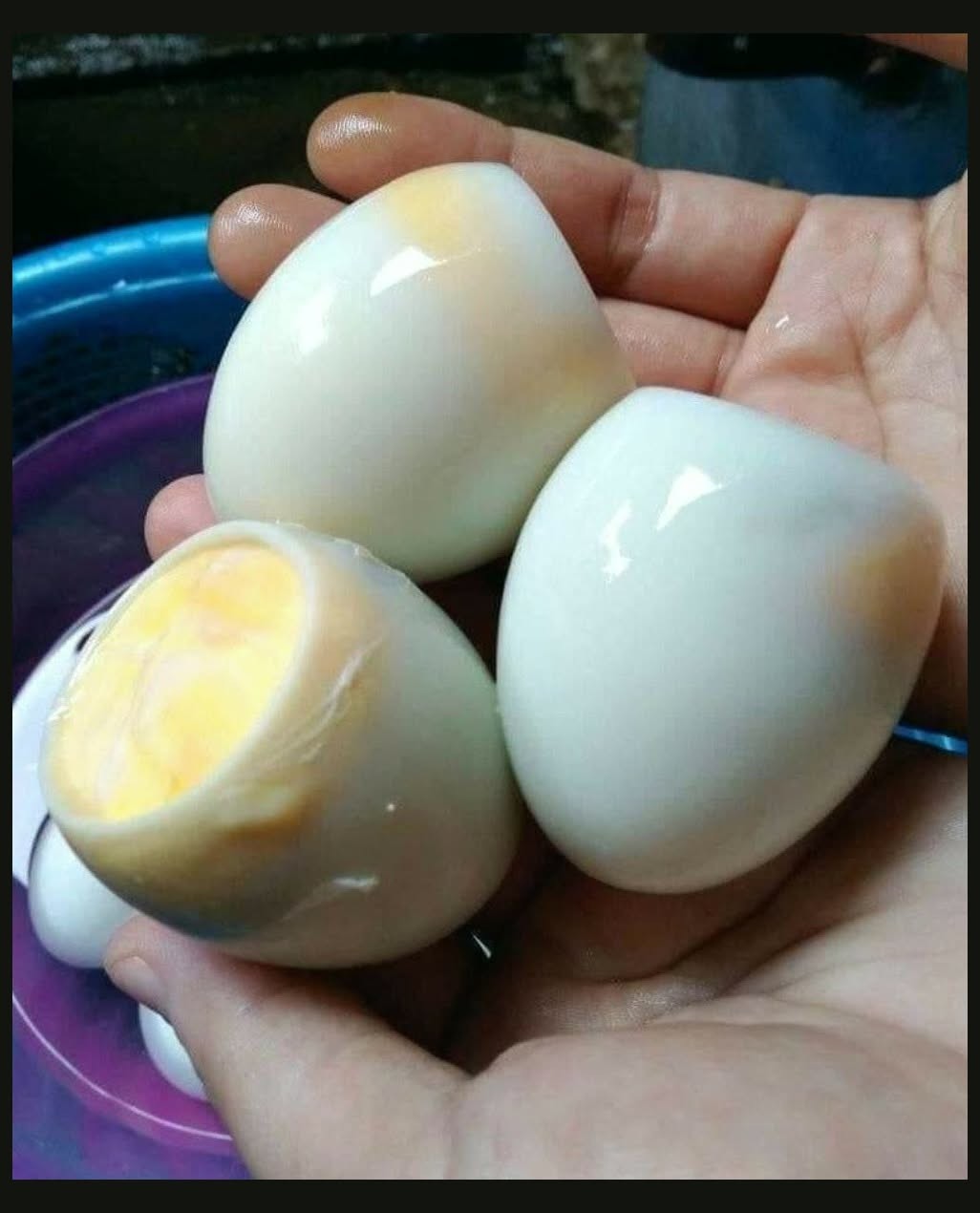
What Happens If You Accidentally Eat a Spoiled Egg Easy Egg Safety Breakfast Scramble
Introduction: Egg Safety in the Kitchen
Eggs are a versatile and nutritious staple found in kitchens worldwide. They are used in countless recipes, from simple breakfasts to elaborate dishes. However, utilizing eggs safely is crucial, as their perishability makes proper handling and storage essential. This comprehensive guide explores what happens if you accidentally eat a spoiled egg, provides practical food safety advice, and shares a delicious, safe breakfast scramble recipe. By understanding egg spoilage and knowing how to identify fresh eggs, you can ensure both the taste and safety of your meals.
Understanding Why Eggs Spoil
Eggs begin to spoil as a result of both natural decomposition and bacterial contamination. Over time, the protective barriers of the shell and membranes can weaken, allowing bacteria such as Salmonella to enter and multiply. As eggs age, air seeps inside, facilitating microbial growth. The most recognizable sign of spoilage is the release of hydrogen sulfide gas, which produces the familiar sulfurous odor. Proper refrigeration helps slow these processes, minimizing risks and prolonging freshness.
Risks Associated with Eating Spoiled Eggs
Consuming a spoiled egg may result in a range of effects depending on the presence and type of contaminants. Most healthy individuals experience mild symptoms, such as stomach discomfort or nausea. However, certain bacteria, especially Salmonella enterica, can cause food poisoning, leading to more severe symptoms like vomiting, diarrhea, fever, and dehydration. Children, the elderly, pregnant women, and immunocompromised individuals are at greater risk of serious complications.
International food safety organizations, including the World Health Organization (WHO) and the CDC, emphasize the importance of properly storing, handling, and cooking eggs to minimize health risks.
How to Identify a Spoiled Egg
Recognizing spoiled eggs before they reach your plate is essential. Here are the main signs to look for:
- Strong Sulfur Smell: If an egg emits a pungent, rotten odor upon cracking, discard it immediately.
- Watery or Discolored Egg Whites: Fresh egg whites are clear and slightly thick. Spoiled eggs may display watery consistency or unusual colors, such as pink, green, or iridescent hues.
- Unusual Appearance: A healthy egg yolk is firm and brightly colored. Any sign of cloudiness, stickiness, or abnormal texture can indicate spoilage.
- Expiration Date and Storage: Always check the expiration or sell-by dates on packaging. Ensure eggs are stored in the refrigerator below 4°C (40°F).
- Float Test: Place the egg in a bowl of water. Fresh eggs sink and remain flat, while spoiled eggs tend to float due to increased air inside.
Expert Views on Egg Food Safety
Food safety experts recommend treating eggs with caution both before and after purchase. According to the U.S. Food Safety.gov, eggs should be kept in their original carton and placed in the coldest part of the refrigerator, not the door. Washing eggs before storage is discouraged, as it removes their natural protective coating.
Thorough cooking, such as scrambling until both whites and yolks are firm, destroys most pathogens. Experts suggest avoiding raw or undercooked eggs, especially in recipes like homemade mayonnaise or eggnog. When preparing eggs, always crack each egg into a separate bowl before adding to a recipe, allowing you to inspect for freshness and possible contamination.
International Perspectives and Societal Reactions
Egg safety regulations and consumer behaviors vary globally. In the United States, eggs are washed and refrigerated to prevent bacterial growth. In many European countries, eggs retain their natural protective coating and are kept at room temperature. Both methods have benefits and drawbacks, but the universal advice is to keep eggs cool, minimize time at room temperature, and cook them thoroughly.
Outbreaks of foodborne illnesses linked to eggs have prompted stronger safety protocols and labeling requirements. Public health campaigns, especially in high-risk regions, focus on educating consumers about signs of spoilage and proper cooking.
An Easy and Safe Breakfast Egg Scramble Recipe
Making a simple breakfast scramble is a great way to enjoy eggs while practicing food safety. Here’s a recipe designed with freshness and safety in mind.
Ingredients
- 3 fresh eggs
- 1 tablespoon butter
- 2 tablespoons milk
- Salt to taste
- Black pepper to taste
Optional Add-Ins
- Chopped spinach
- Diced tomatoes
- Shredded cheese
- Fresh herbs
Equipment Needed
- Mixing bowl
- Nonstick pan
Preparation Method
- Crack each egg into a separate small bowl to check freshness. Inspect for any unusual smell, color, or texture.
- Whisk the eggs with milk, salt, and pepper until well combined.
- Heat butter in a nonstick pan over medium-low heat.
- Add the egg mixture to the pan. Stir gently and continuously to ensure even cooking.
- Remove from heat as soon as curds form and the eggs are set. Serve immediately for optimal freshness.
Notes for Safety
- Always inspect eggs before cooking, particularly when freshness is questionable.
- Cook eggs thoroughly; avoid consuming raw or undercooked eggs.
- Clean all utensils and surfaces that come in contact with raw eggs.
Preventing Accidental Consumption of Spoiled Eggs
While the risks from eating a spoiled egg are generally mild for healthy people, prevention is key. Here are practical tips:
- Purchase eggs from reputable sources and check dates on the carton.
- Store eggs promptly in the refrigerator.
- Inspect eggs regularly and use the float test to check for spoilage.
- Practice safe kitchen hygiene, including hand washing and cleaning surfaces.
- Educate family members, especially children and elderly, about egg safety.
What to Do If You Eat a Spoiled Egg
If you mistakenly consume a spoiled egg, monitor for symptoms such as nausea, vomiting, diarrhea, or fever. Most cases resolve quickly with rest and hydration, but seek medical attention if symptoms are severe or persistent. Health experts advise keeping a record of what was eaten and contacting a physician if necessary.
Unlike other foodborne pathogens with more acute effects, most egg-related food poisoning is self-limiting. Nevertheless, prevention through careful handling remains the best strategy.
Egg Storage and Handling: Best Practices
To keep eggs safe and fresh:
- Store eggs in their original carton to minimize moisture loss.
- Avoid storing eggs in the door of the refrigerator, where temperatures fluctuate.
- Use eggs within three weeks of purchase for optimal quality.
- Immediately discard eggs with cracks or unusual odors.
These guidelines reduce the risk of spoilage and foodborne illness while preserving the flavor and texture of eggs in your recipes.
Conclusion: Confidence in Cooking with Eggs
Eggs can be enjoyed safely when you implement proper storage and cooking practices. Understanding the signs of spoilage, following expert recommendations, and preparing simple recipes like the breakfast scramble in this guide allow you to cook with confidence. Remember to inspect eggs before use, store them properly, and cook thoroughly. Taste, nutrition, and food safety can coexist when you make eggs a reliable part of your kitchen routine.
Sources
- World Health Organization (WHO)
- Centers for Disease Control and Prevention (CDC)
- U.S. Food Safety.gov
- BBC News
- Reuters
- Mayo Clinic
- Al Jazeera
- The Guardian
Disclaimer: This content is intended for entertainment purposes only and is not based on real events.