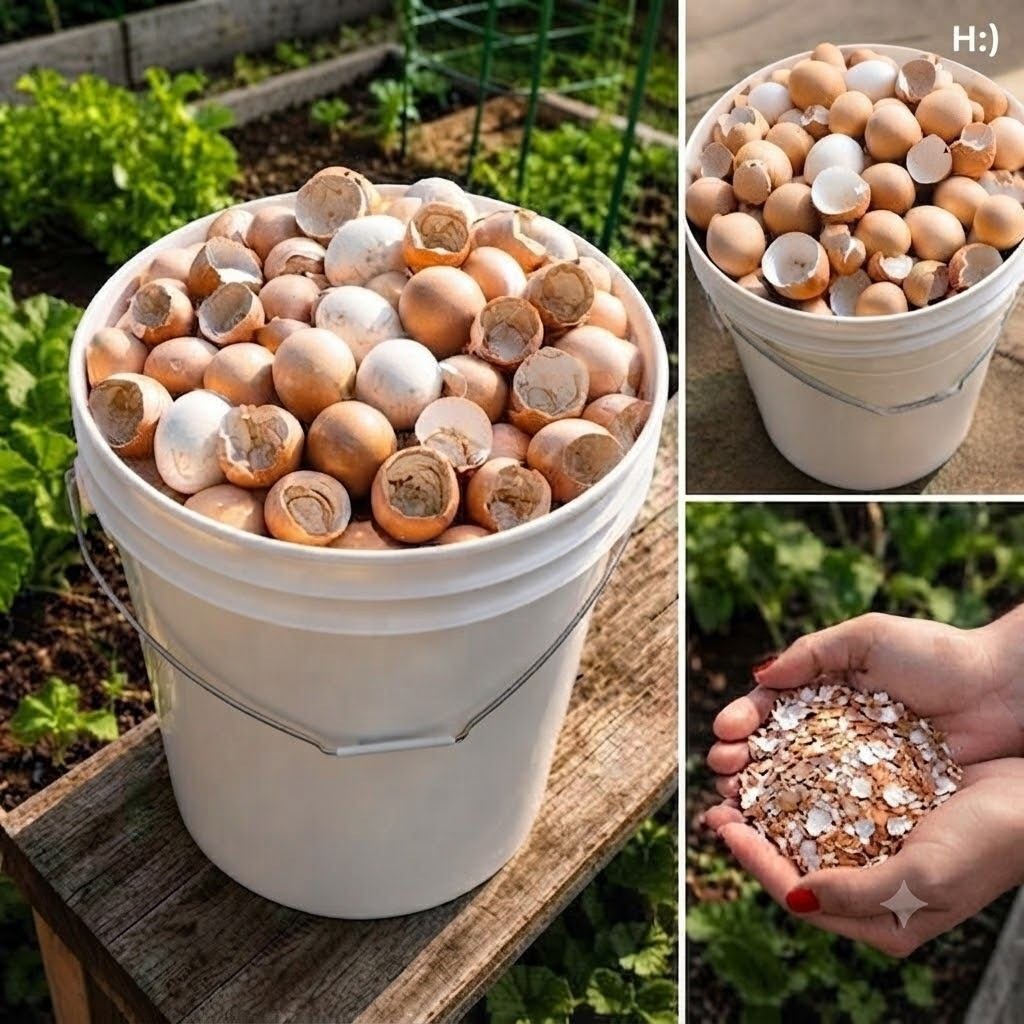
Eggs are a staple in kitchens around the world, but their shells are often discarded as waste. What many people do not realize is that eggshells, primarily composed of calcium carbonate, represent a valuable resource with numerous practical uses. By reusing eggshells, individuals can contribute to environmental sustainability, lessen landfill burden, and discover new ways to enhance gardening, household chores, and creative activities. This article explores the science behind eggshells, their benefits, and how they can be repurposed effectively and safely, based on guidance from credible organizations and expert opinions.
The Science and Composition of Eggshells
An eggshell is largely made up of calcium carbonate (CaCO3), which comprises about 94% of its makeup. The remaining components include trace minerals such as magnesium and phosphorus. Calcium is an essential nutrient for plants and animals, making eggshells a naturally abundant source. However, the structure of eggshells means their calcium is released slowly into soil or compost, indicating they are best used for long-term benefits rather than quick fixes. Scientists have studied how eggshells can fill gaps in natural calcium cycles, particularly in urban environments where kitchen waste is significant.
Eggshells and Composting: Enriching Soil Gradually
Composting is one of the most effective ways to repurpose eggshells. After rinsing and drying eggshells to remove any egg residue, they should be crushed into small pieces to facilitate breakdown. While eggshells decompose more slowly than vegetable scraps, they contribute calcium to finished compost over time. This addition improves the nutrient profile of compost, benefiting garden beds and enhancing soil fertility. For best results, experts recommend integrating eggshells with other organic materials such as coffee grounds, vegetable peels, and garden trimmings.
Research from the Royal Horticultural Society and university extension programs highlights that eggshells can help balance soil acidity but are not a substitute for liming or industrial amendments. Home composters should monitor the calcium needs of their soil with periodic testing before making significant changes.
Gardening with Eggshells: Natural Calcium Supplement
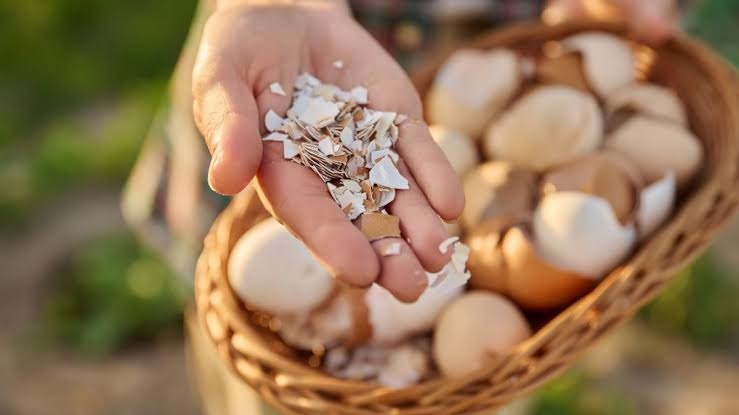
Gardeners seeking environmentally friendly ways to support plant health often turn to eggshells. Crushed eggshells can be directly incorporated into garden soil, providing a gradual release of calcium, which is important in preventing issues such as blossom end rot in tomatoes and peppers. However, laboratory tests confirm that the release of calcium from eggshells is slow, and immediate effects may not be evident.
Soil testing is recommended before amending garden soils with eggshells, as excessive calcium can disrupt soil nutrient balance. According to reports from the University of Missouri Extension, the effectiveness of eggshells depends on soil composition, pH, and plant needs. In many cases, eggshells are valued as a part of sustainable gardening practices that complement, rather than replace, fertilizers.
Creative Seed Starting: Eggshells as Biodegradable Containers
Eggshells offer a unique approach to starting seeds indoors. By filling clean eggshell halves with potting soil and planting seeds, growers can create biodegradable seed-starting pots. This practice allows seedlings to grow in a nutrient-rich environment. When transplanting, crushing the shell facilitates root expansion and prevents container restriction. The eggshells then break down in the soil, continuing to provide calcium and organic matter as the plant matures.
This method aligns with sustainability goals and introduces children and beginners to the concept of eco-friendly gardening. The transfer of seedlings can be conducted with minimal waste, supporting the circular nature of the gardening process.
Household Applications: Cleaning with Eggshells
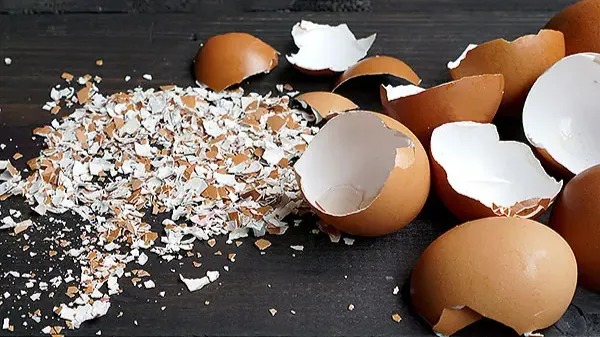
Eggshells, when finely crushed, can assist with certain household cleaning tasks. Mixed with a small amount of water and mild dish soap, ground eggshells create an abrasive paste effective in scrubbing sturdy containers and surfaces. This solution is useful for removing stuck-on residues from glass jars, metal pots, or coffee carafes. However, caution is necessary: eggshells should not be used on fragile items, nonstick cookware, polished surfaces, or anything susceptible to scratches.
Numerous home-focused websites and consumer guides recommend eggshell cleaning only in situations where abrasive action is needed and over-the-counter products may be too harsh or expensive. Always rinse and dry eggshells thoroughly before use and test a small area first if using the paste on unfamiliar materials.
Eggshells in Crafts: Inspiring Creativity and Recycling Education
Eggshells can be transformed into art supplies and craft materials. Clean, dried eggshells are easily crushed and incorporated into mosaics, collages, decorative frames, and children’s crafts. Their unique texture and shape lend themselves to artistic projects. Crafting with eggshells is not only a fun activity but also introduces concepts of recycling and eco-consciousness to families and educational groups.
Eggshells are used in both traditional and modern craft practices. Some artists employ eggshells in fine art, creating detailed mosaics or using ground shells as texture in painting. Children, meanwhile, use painted or dyed eggshells to understand environmental stewardship and the value of upcycling everyday waste.
Eggshells and Vermicomposting: Supporting Worm Health
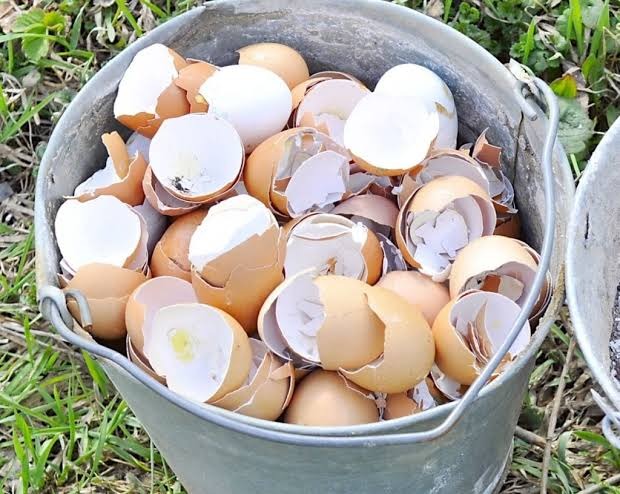
Worm-composting, or vermicomposting, is a method of producing rich organic fertilizer using earthworms. Eggshells, when finely ground, can be added to worm bins as a mineral supplement. This mineral addition aids worms’ digestion, allowing them to process organic matter efficiently and produce castings beneficial to soil.
Studies from agricultural extension offices suggest that eggshells can help moderate acidity in worm bins, supporting a balanced environment. However, eggshells should be ground as finely as possible to avoid sharp edges and facilitate digestion by worms.
Eggshells and Pest Control: What Science Says
One popular gardening myth is that eggshells act as a natural repellent against pests like slugs and snails. The idea is that crushed shells hurt the soft bodies of these creatures and deter them from crossing into plant beds. While anecdotal evidence exists, scientific studies—such as those highlighted by the Garden Organic organization—indicate that eggshells are not consistently effective as pest barriers. Success rates vary, and relying on eggshells alone for pest control may not yield reliable results. More effective methods include encouraging garden biodiversity and using physical barriers or biological controls.
The Safety of Eating Eggshells: Risks and Recommendations
Some individuals advocate for consuming ground eggshells as a homemade calcium supplement. While calcium is required for bone health, the risks associated with eating eggshell powder are significant if not prepared and processed properly. Eggshells can carry harmful bacteria, including Salmonella, if they are not sterilized by boiling and baking. Furthermore, excessive calcium intake from supplements can lead to health complications such as kidney stones or cardiovascular issues, especially in those with underlying health conditions.
Major health authorities like the Centers for Disease Control and Prevention (CDC) and the Mayo Clinic strongly recommend consulting a healthcare professional before pursuing homemade supplements and caution against relying solely on unregulated products for dietary needs. The safest option is to obtain calcium from a balanced diet featuring dairy, dark leafy greens, and fortified foods.
Best Practices for Reusing Eggshells
Before reusing eggshells, proper preparation is essential to reduce risks and maximize benefits. Experts suggest rinsing away any egg residue and drying eggshells thoroughly—either air drying or baking at low temperatures. Once dry, crush eggshells to the appropriate size based on their intended use, whether for composting, soil amendment, or crafts. Never dispose of large quantities of eggshells down the garbage disposal, as they may contribute to plumbing clogs and damage the system.
By following these best practices, individuals can ensure safe, effective reuse of eggshells—minimizing waste and gaining practical advantages from kitchen leftovers.
Conclusion: Eggshells as Everyday Sustainability
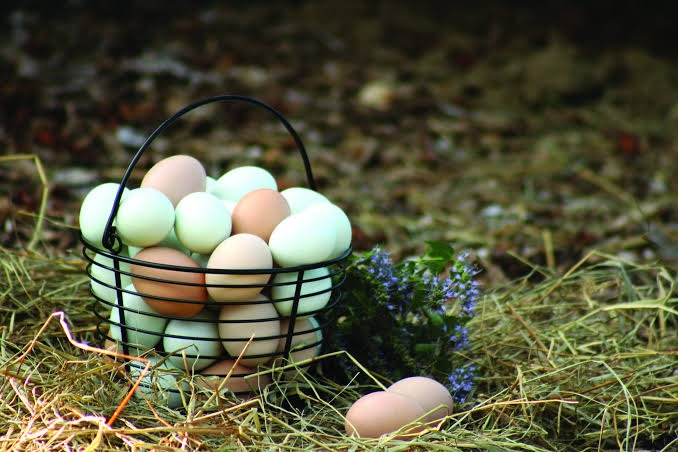
Eggshells are not miracle fertilizers, assured pest repellents, or universally safe health remedies. Instead, they are a natural material that, when prepared and used thoughtfully, can enhance composting, gardening, crafts, and carefully selected household tasks. Their slow calcium release, ability to enrich compost, utility as seed starters, and value in creative projects illustrate how common kitchen waste can be transformed into useful resources. By increasing awareness and following evidence-based recommendations, individuals can adopt eggshell reuse as a simple sustainability step within their homes and gardens.
Sources
- Royal Horticultural Society
- University of Missouri Extension
- Garden Organic
- Centers for Disease Control and Prevention (CDC)
- Mayo Clinic
- BBC
- Al Jazeera
- The Guardian
- Reuters
Disclaimer: This content is intended for entertainment purposes only and is not based on real events.