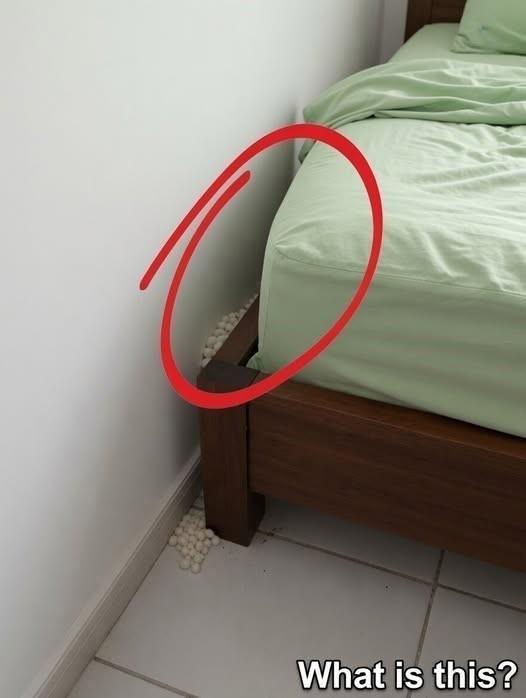
After returning home from a demanding day at work, the hope of finding rest was quickly challenged. Approaching the bed, an unusual scene unfolded: a cluster of small, white spheres, gathered near the bed frame. Such discoveries, though seemingly insignificant at first glance, often ignite deep concern and curiosity. This article offers a thorough analysis of the possibilities behind such a mysterious finding, explores scientific identification methods, and presents expert advice for addressing situations involving unexplained substances within the home.
Immediate Reactions and Common Fears
Unfamiliar objects found inside personal living spaces can provoke anxiety. The human mind is adept at conjuring worst-case scenarios, particularly when it comes to health and safety. The initial reaction—freezing in place, considering whether these are insect eggs or evidence of hidden pests—demonstrates natural self-protection instincts. These concerns are not without merit, as numerous species seek shelter and reproduce within the protective confines of residential environments.
Physical Examination and Preliminary Hypotheses
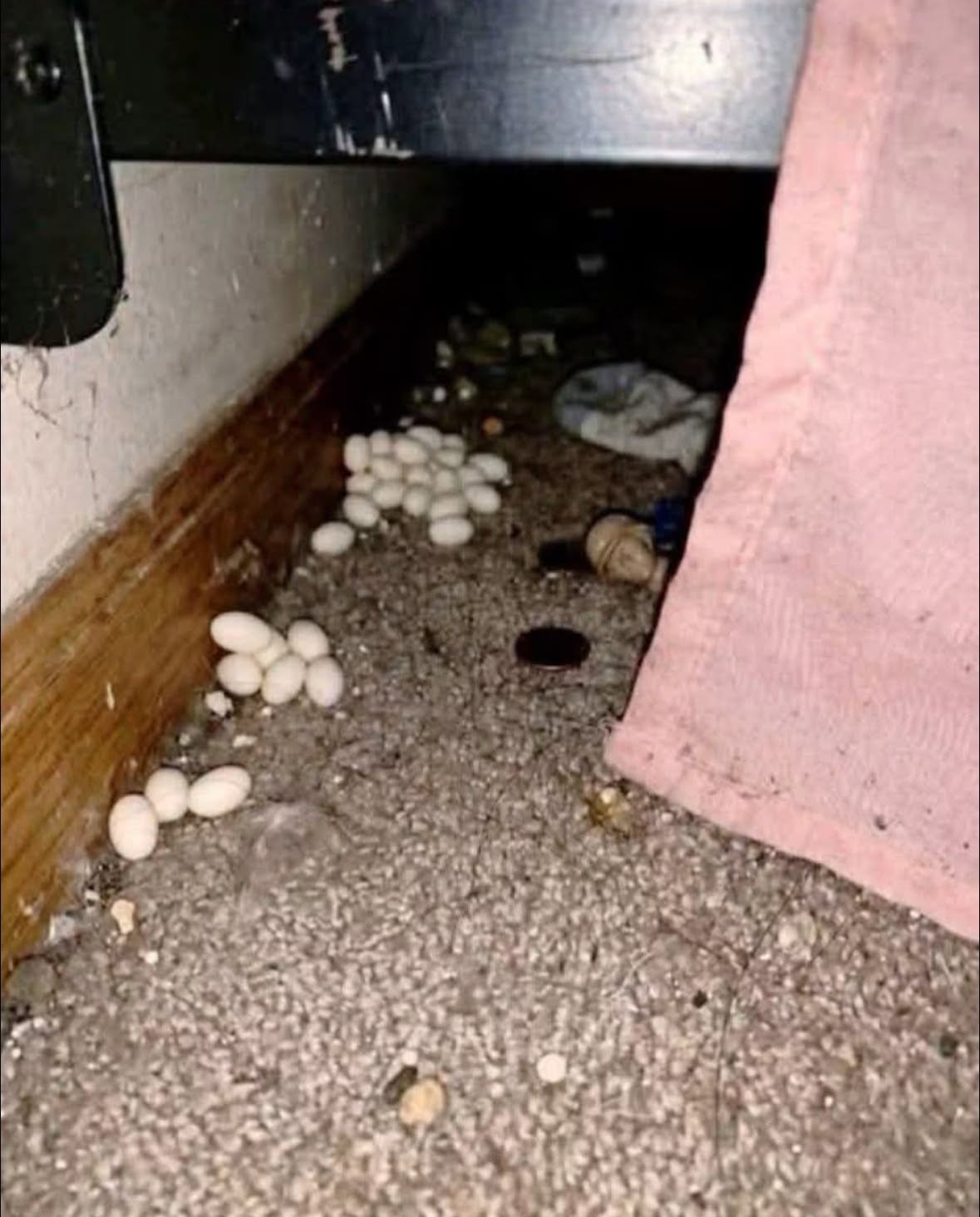
After overcoming the initial apprehension, a closer inspection of the white spheres is necessary. Observations include similarities in shape and size, the grouping of spheres, and their specific placement near the bed frame. Determining whether these are biological entities (such as eggs) or synthetic objects (such as beads or pellets) is key for appropriate response.
Several hypotheses may be proposed:
- Biological origin: The possibility that a household species, like a lizard or insect, has laid eggs.
- Synthetic origin: The spheres may be remnants of household items, such as foam from a pillow, mattress filling, or even small plastic beads released from decorative objects.
Understanding Lizard Behavior in Homes
Lizards, particularly house geckos, are common guests in many homes. They generally seek shelter and a reliable food source—primarily insects attracted to light and human activity. Certain species, especially geckos (family Gekkonidae), are known to lay eggs indoors in concealed and safe locations.
The reproductive behavior of these reptiles is supplemented by environmental factors. Warm, dark, and protected zones like cracks in walls, behind furniture, and hidden corners are favored. However, widespread presence of eggs or spheres—especially in large numbers—would be uncommon for a single female lizard. Most gecko species lay two eggs per clutch, and their eggs are typically oval-shaped with a firm, chalky shell. The likelihood of finding dozens of identical, perfectly spherical objects suggests a different origin.
Distinguishing Lizard Eggs from Manufactured Materials
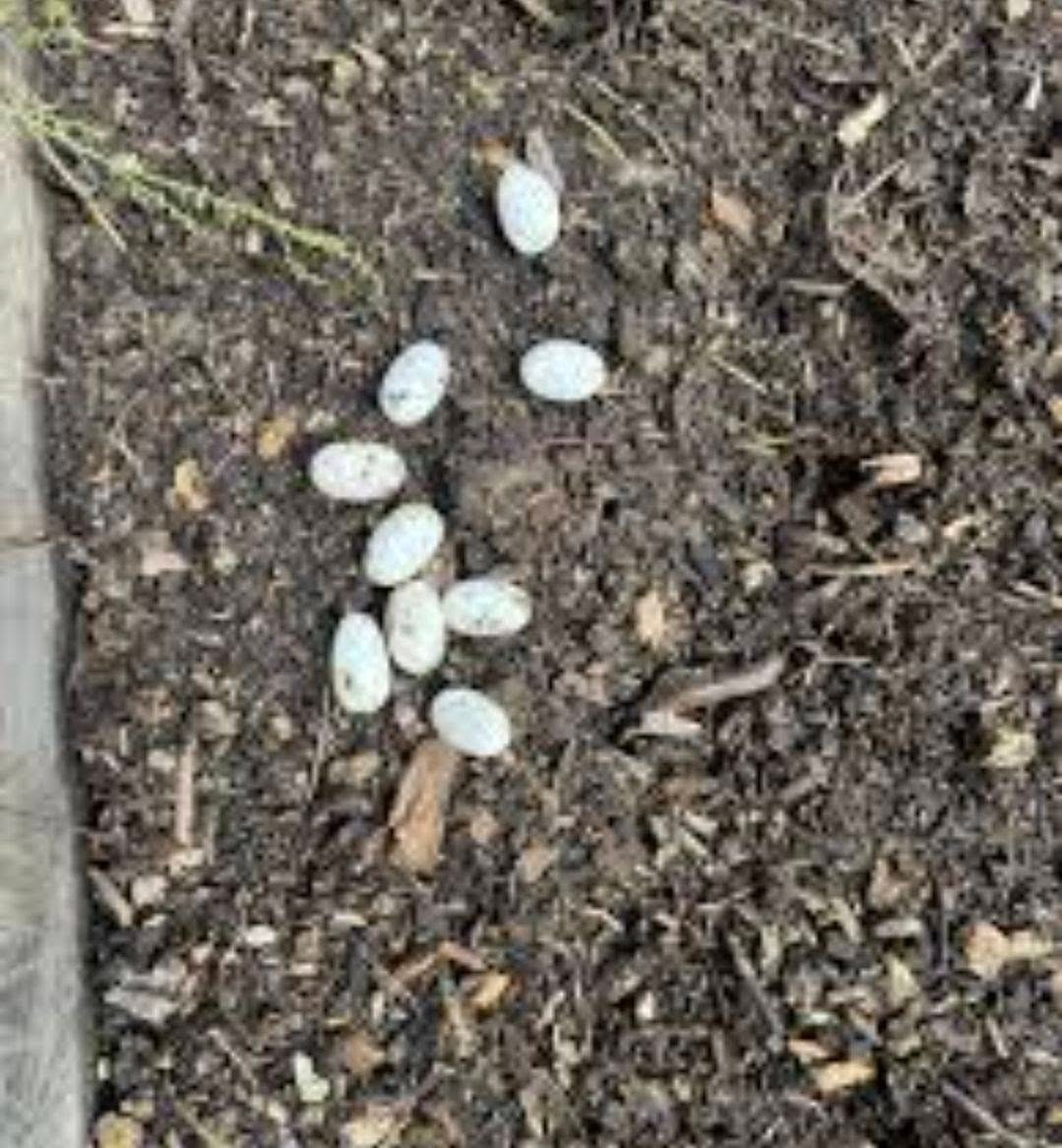
Proper identification relies on physical attributes and contextual clues. Genuine lizard eggs:
- Are typically oval, not round.
- Possess a hard, white, calcium-rich shell.
- Are laid in pairs or small groups.
- Require a moist, protected environment for development.
In contrast, synthetic foam or plastic beads found in many household items are manufactured for uniformity. Foam pellets used as filling material are lightweight, perfectly spherical, and commonly white. Damaged pillows, bean bags, or mattresses with torn seams or fabric deterioration may release these pellets, which accumulate nearby.
The texture—whether soft or hard, the uniform size, and the location—can offer key distinctions between organic and synthetic sources. If the spheres are loose, lightweight, and identical, they are more likely to be manufactured foam or plastic beads, rather than reptile eggs.
Other Possible Explanations: Household Materials
Beyond lizard eggs and pillow foam, there are other plausible sources of small white spheres in the home:
- Mattress filling: Many modern mattresses and mattress toppers are constructed using foam pellets or microbeads. Over time, wear and tear may cause these materials to escape through holes or seams.
- Craft supplies: If arts and crafts materials are stored nearby, beads or small foam balls may be misplaced or spilled.
- Children’s toys: Toys often contain beads or pellet fillings, especially stuffed animals and plush dolls.
- Decorative objects: Some decorative pillows and ornaments are filled with synthetic beads to maintain shape and comfort.
Examining nearby items for signs of damage or missing parts will help in narrowing down the source.
Step-by-Step Process for Safe Identification
When confronted with unidentified objects at home, a systematic approach is recommended:
- Observe without handling: Avoid crushing, touching, or moving the objects until their origin is clear, to prevent unnecessary exposure to allergens or contaminants.
- Document the evidence: Using a smartphone or camera, take close-up photographs of the spheres for later comparison or to show professionals.
- Inspect the surroundings: Examine bedding, pillows, mattresses, and furniture for signs of wear, tears, or damage. Check for missing stuffing, broken seams, or open cracks.
- Look for biological clues: Search for shed skin, droppings, small insects, or reptiles that may indicate an animal presence.
- Consult experts: If uncertainty remains, contact a local pest control service or submit photographs to an online identification service. Professionals can distinguish between biological eggs and synthetic materials quickly and safely.
Expert Perspectives on Home Pest Identification
Pest-control professionals emphasize the importance of accurate identification before initiating any treatment or response. Misidentification can lead to unnecessary interventions, costs, or even exposure to chemicals. According to leading experts from the National Pest Management Association (NPMA) and university extension services, evaluating the visual characteristics of unknown substances reduces the risk of accidental harm.
If the objects are eggs, professionals will examine the shape, shell hardness, and location. For reptiles and insects, environmental clues (like tracks, feces, or nesting material) are assessed. In cases of synthetic material, they often trace back the source to damaged household items and recommend repairs or cleaning steps.
Societal Awareness: The Importance of Calm and Evidence-Based Response
Many homeowners experience anxiety upon finding unexplained objects, particularly when children, elderly, or pets are present. Societal responses emphasize clear communication, avoidance of panic, and reliance on scientific methods. In cases of uncertainty, sharing images and detailed information with trusted experts enables a fact-based approach, mitigating fear and promoting understanding.
Internationally, the accessibility of pest identification services has improved, with online platforms offering image analysis and remote consultations. These services have contributed to public confidence in addressing domestic concerns without unnecessary alarm.
Staying Safe: Best Practices in Home Inspection
Following a measured approach protects health and maintains peace of mind. Key practices include:
- Regular inspection: Routinely check bedding, furniture, and hidden spaces for signs of wear, nests, or foreign objects.
- Prompt repair: Address torn seams, holes, and cracks in household items to prevent escape of stuffing or infiltration by pests.
- Safe cleaning: Use gentle cleaning methods when removing suspicious objects, avoid vacuuming up unknown organic material, and wear gloves if handling unfamiliar substances.
- Professional advice: When in doubt, seek expertise rather than guessing or resorting to home remedies.
Conclusion: Evidence-Based Calm in the Face of the Unknown
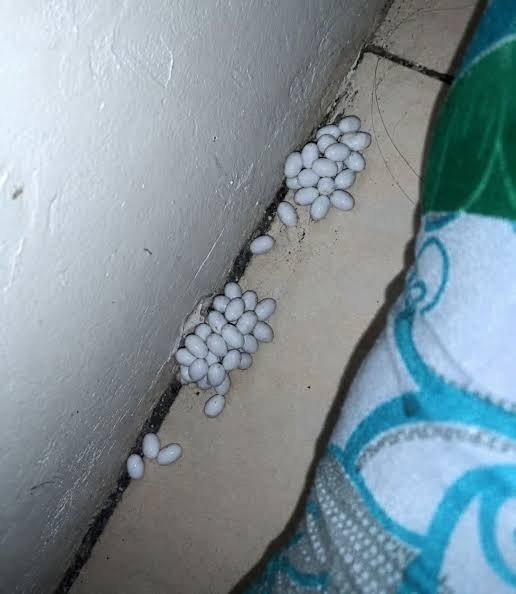
The discovery of tiny white spheres near the bed illustrates how an unsettling experience can be managed through careful observation, methodical analysis, and expert consultation. Whether originating from lizards, insects, or manufactured household materials, identifying their true nature ensures a safe, appropriate response. Ultimately, staying composed, documenting evidence, and relying on professionals offers the best defense against fear and misinformation, while maintaining the safety and comfort of the home.
The key takeaway is that unexpected findings do not inherently signal danger. By staying calm, using critical thinking, and consulting experts, homeowners can turn an unsettling moment into a learning opportunity and maintain a healthy indoor environment.
Sources
- Reuters
- BBC
- The Guardian
- Centers for Disease Control and Prevention (CDC)
- Mayo Clinic
- National Pest Management Association (NPMA)
Disclaimer: This content is intended for entertainment purposes only and is not based on real events.