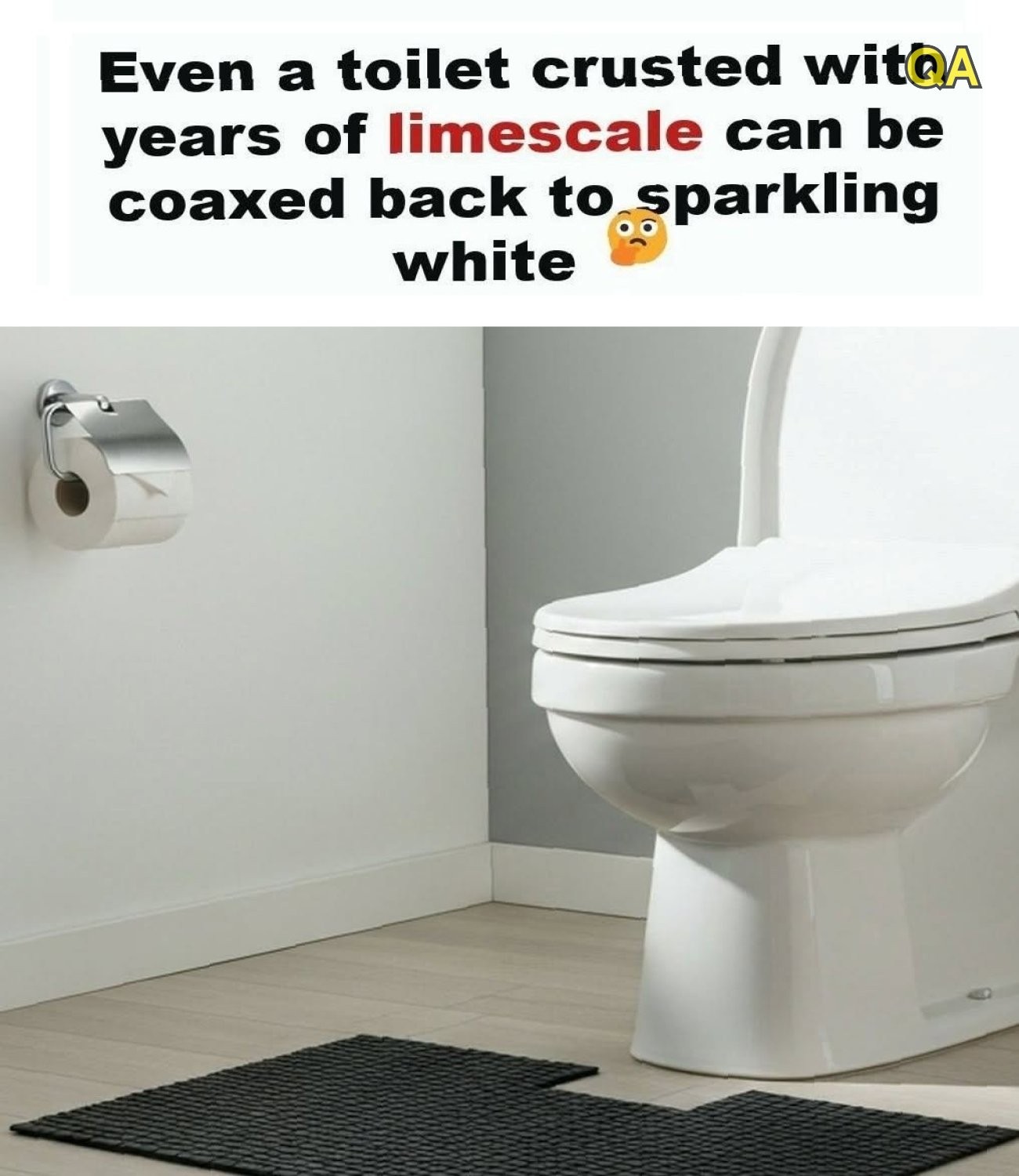
The Simple Toilet Cleaning Trick That Could Save You Time and Effort
A toilet can look clean immediately after scrubbing yet develop yellow marks, mineral deposits, or unpleasant odours again within days. This is a familiar household problem, particularly in areas with hard water or in bathrooms with limited ventilation. The good news is that a more effective routine does not necessarily require expensive products or constant heavy scrubbing.
One widely shared idea involves placing a small bottle containing cleaning liquid inside the toilet cistern, also known as the tank. The theory is straightforward: a small amount of cleaner enters the flush water each time the toilet is used, helping the bowl remain fresher between regular cleans.
While the method may sound convenient, household cleaning experts and toilet manufacturers generally advise caution with improvised products inside a cistern. A safer approach is to understand what causes stains and odours, use products as directed, and create a regular cleaning routine that protects both the toilet and the people using it.
How the Toilet Cistern Bottle Method Is Supposed to Work
The homemade bottle method is commonly described as placing a small plastic bottle of diluted cleaning product inside the toilet cistern. In some versions, a small opening is made in the container so the liquid can gradually mix with the tank water as the toilet flushes.
The intended result is a light dose of cleaner in every flush. Supporters of the idea say it may help reduce surface residue and leave a fresher scent in the bowl. However, the apparent simplicity of this trick can hide important practical concerns.
Toilet cisterns contain moving parts that must work reliably, including a fill valve, flush valve, float, seals, washers, and sometimes more complex mechanisms. A loose bottle can obstruct these parts or prevent them from operating correctly. If a component cannot close properly, the toilet may continue running, waste water, or develop a leak.
Cleaning chemicals can also affect materials inside the cistern. Strong bleach-based products, acidic cleaners, and some fragranced tablets may degrade rubber or plastic components over time. Manufacturers often provide specific guidance on which products, if any, are compatible with their toilet systems. Following those instructions is the most reliable way to avoid avoidable repairs.
Why Homemade Cistern Cleaners May Create Problems
A toilet is designed to flush with water, and its internal parts are engineered for a particular environment. Adding an unapproved bottle or cleaning solution can change that environment in ways that are difficult to predict.
Potential Damage to Seals and Valves
Rubber seals and plastic mechanisms can become less effective after repeated contact with unsuitable chemicals. A deteriorated seal may lead to a slow leak from the tank into the bowl. This type of leak is not always obvious, but it can increase household water use over time.
Risk of Blocked Moving Parts
A bottle that shifts position may interfere with the float or valve assembly. Even a small obstruction can stop the cistern from filling or flushing as intended. If a toilet begins running continuously, filling slowly, or producing an unusually weak flush after a product is added to the tank, the product should be removed and the mechanism checked.
Uncontrolled Chemical Release
A homemade dispenser does not provide a consistent dose. The amount released can change depending on the size of the opening, the position of the bottle, water movement, and the type of cleaning liquid used. This means the toilet may receive too little cleaner to have an effect or too much product for the components inside the cistern.
Safer Alternatives
For people who want extra freshness between cleaning sessions, purpose-designed toilet cleaning products may be a more suitable option. These can include bowl cleaners, rim blocks, or products specifically labelled as safe for a particular cistern system. Always read the packaging and check the toilet manufacturer’s care instructions before use.
What Causes Yellow Toilet Stains and Lingering Odours?
Effective toilet cleaning starts with identifying the source of the problem. Yellow staining does not always mean that a toilet is unhygienic. In many cases, it is related to minerals in the water rather than surface dirt alone.
Hard Water and Limescale
Hard water contains higher levels of dissolved minerals, commonly calcium and magnesium. As water sits in the bowl or repeatedly flows over the same surfaces, minerals can form deposits around the waterline, beneath the rim, and near outlets where flushing water enters the bowl.
These deposits may look yellow, brown, off-white, or chalky. Over time, limescale can create a rough surface that allows other residue to cling more easily. A toilet descaler formulated for bathroom use can help remove mineral buildup when used according to its label.
Residue Under the Rim
The underside of the toilet rim is easy to overlook during a quick clean. Yet it is an important area because flush water enters the bowl through rim holes or jets. Mineral deposits and residue can build up there, sometimes reducing water flow and making the bowl harder to rinse effectively.
Using a toilet brush designed to reach beneath the rim is useful. For more persistent buildup, a suitable descaling product may be needed. Avoid using sharp metal tools that could scratch the porcelain surface.
Moisture, Ventilation, and Bathroom Smells
Bathrooms naturally contain moisture. When ventilation is poor, humidity can remain in the room for longer and contribute to stale or musty odours. Opening a window, using an extractor fan, and allowing surfaces to dry can make a meaningful difference.
If a smell continues after the bowl, floor, and surrounding surfaces have been cleaned, it may be worth checking for plumbing issues. A loose seal near the base of the toilet, a leak, damp flooring, or a blocked vent can require professional attention. Persistent odours should not simply be covered with fragrance if there may be an underlying maintenance issue.
Using Baking Soda for Light Toilet Cleaning
Baking soda, also called sodium bicarbonate, is a common household cleaning ingredient. It can be useful for mild odours and light surface residue, although it is not a replacement for disinfecting products when disinfection is needed.
For a simple bowl refresh, sprinkle a modest amount of baking soda into the water and around the bowl. Allow it to sit briefly, then scrub with a toilet brush and flush. This method can be especially helpful as part of a regular routine, rather than as a solution for heavy limescale or long-standing stains.
Some people combine baking soda with vinegar. However, the visible fizzing does not necessarily make the mixture a stronger cleaner. When an acid and baking soda react, they largely neutralise one another. It is often more practical to use a product chosen for the specific cleaning task, such as a toilet descaler for mineral deposits or a bathroom cleaner for external surfaces.
Important Cleaning Safety: Never Mix Products
One of the most important rules of household cleaning is to avoid mixing products. In particular, bleach should never be mixed with acidic toilet cleaners, vinegar, ammonia, or other cleaning agents. Dangerous gases can be released when incompatible chemicals are combined.
Use one product at a time, follow the label directions, and keep the bathroom ventilated during cleaning. Store cleaning products in their original containers, out of reach of children and pets. If a product is accidentally mixed or someone feels unwell after chemical exposure, leave the area for fresh air and contact local emergency or poison-control services for advice.
A Practical Toilet Cleaning Routine That Saves Time
The most efficient toilet-care strategy is preventive maintenance. Small, regular tasks are generally easier than trying to remove months of buildup in one long cleaning session.
Clean the Bowl Regularly
Apply a toilet cleaner that is appropriate for the bowl, allow it to work for the time stated on the label, then brush thoroughly. Pay close attention to the waterline and underneath the rim. Regular cleaning helps prevent deposits from becoming more difficult to remove.
Wipe High-Touch Surfaces
The toilet seat, lid, flush handle or button, and nearby surfaces should be cleaned separately from the bowl. Use a suitable bathroom cleaner or disinfectant according to its instructions. A clean cloth or disposable paper towel can be useful for these areas.
Address Limescale Before It Becomes Heavy
In hard-water areas, descaling may be needed more frequently. Check that any descaler is suitable for toilets and use it only as directed. Consistent treatment is usually easier and more effective than allowing thick mineral deposits to accumulate.
Keep the Brush and Holder Clean
A toilet brush can spread residue if it is never cleaned. After use, rinse it by flushing clean water around the brush, allow it to drip dry where possible, and clean the holder regularly. Replace the brush when it becomes worn or difficult to clean.
Check for Signs of a Leak
Watch for water around the toilet base, an unexpectedly high water bill, a tank that repeatedly refills, or a constant trickling sound. These signs may indicate a faulty valve or seal. Fixing a leak promptly can help prevent water waste and damage to bathroom surfaces.
When to Contact a Plumber
Routine cleaning can solve many appearance and odour issues, but it cannot repair plumbing faults. Consider contacting a qualified plumber if the toilet flushes poorly despite cleaning, regularly clogs, runs continuously, leaks from the tank or base, or has a persistent sewer-like smell. A professional can assess seals, vents, drainage, and internal cistern components safely.
Final Thoughts: The Best Toilet Cleaning Trick Is Consistency
The bottle-in-the-cistern idea has gained attention because it promises a cleaner toilet with less effort. Yet improvised dispensers and unapproved chemicals can interfere with the flushing mechanism or damage internal parts. Convenience is not worthwhile if it leads to leaks, wasted water, or repairs.
A better long-term solution is a simple routine: clean the bowl and under-rim area regularly, remove limescale with an appropriate product, wipe surrounding surfaces, ventilate the bathroom, and investigate persistent odours or leaks. Purpose-designed products can offer added convenience when they are compatible with the toilet and used according to manufacturer instructions.
A consistently fresh toilet is rarely the result of one miracle trick. It is usually the result of sensible product choices, safe cleaning practices, and regular attention before small deposits turn into a bigger cleaning job.
Sources
Disclaimer: This content is intended for entertainment purposes only and is not based on real events.