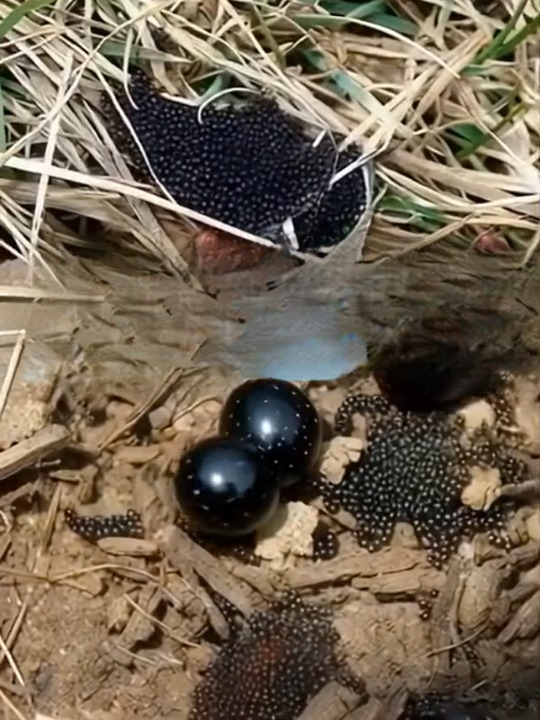
Found Tiny Eggs in Your Yard? Here’s What They Could Mean for Your Health and Home!!
Discovering a cluster of tiny eggs in a lawn, garden bed, under a leaf, or near a patio can be surprising. Many homeowners immediately wonder whether the eggs belong to insects, spiders, ticks, snails, or another animal. It is also understandable to ask whether they could affect children, pets, plants, or the wider home environment.
The most important point is that tiny eggs cannot usually be identified with certainty by appearance alone. Their size, color, location, arrangement, and surrounding habitat can provide useful clues, but professional identification may be needed if there is concern about pests or possible exposure to disease-carrying parasites. In most cases, eggs found outdoors are a normal part of a healthy ecosystem and do not present an immediate danger.

Why Tiny Eggs Appear in Gardens and Yards
Gardens provide food, shelter, moisture, and protected spaces for many species. Leaf litter, mulch, compost, tall grass, stacked wood, dense shrubs, plant pots, and cracks around outdoor structures can all create suitable conditions for insects and other small animals to lay eggs.
Eggs may be found singly, in neat clusters, inside a silky sac, attached to the underside of a leaf, or hidden in soil. Their appearance varies widely. Some insect eggs are white, cream, yellow, green, brown, or nearly transparent. Others may be round, oval, barrel-shaped, or elongated. Because many unrelated species produce similarly sized eggs, photographs alone can be unreliable for identification.
A careful approach is better than assuming the worst. Avoid handling unknown eggs with bare hands, especially if they are in an area where ticks, stinging insects, or plant pests are common. If removal is necessary, gloves and a sealed container can help limit contact.
Could the Eggs Be Tick Eggs?
One possibility people often consider is tick eggs. Ticks are small arachnids, related to spiders and mites, and some species can transmit illnesses to people and animals through bites. However, the presence of eggs does not mean that a person or pet has been bitten, and it does not automatically mean that disease is present in a yard.
According to public health guidance, female ticks typically lay many eggs in sheltered outdoor locations after feeding. Tick eggs are generally very small and may appear in compact masses. Their color and exact appearance can differ by species and developmental stage. They are often found in protected, humid places such as leaf litter, vegetation, soil near wooded edges, or areas with tall grass.
It is important not to rely on color or size alone. Tiny round eggs may also belong to harmless insects or other outdoor species. In addition, what looks like an egg cluster may actually be fungal growth, plant material, insect pupae, or a spider egg sac. Local extension services, pest management professionals, or public health agencies may be able to help identify a clear photograph or specimen when a reliable answer is needed.
What Tick Eggs Mean for Household Health
Ticks are a public health concern because some species may carry pathogens that cause illnesses, including Lyme disease in certain regions. Yet tick-borne illness is associated with bites from infected ticks, not with simply seeing eggs on the ground. The practical focus should be on reducing opportunities for ticks to come into contact with people and pets.
Health agencies recommend taking precautions in areas where ticks may be present. These measures include staying on clear paths where possible, using an appropriate Environmental Protection Agency-registered insect repellent, wearing long clothing in brushy areas, and checking the body, clothing, gear, and pets after time outdoors. Prompt tick removal is also recommended when an attached tick is found.
Parents and pet owners may be especially concerned when eggs are discovered near play areas, dog runs, or garden paths. A single cluster does not necessarily indicate a widespread infestation. Still, it can be a useful reminder to inspect the surrounding landscape. Places with long grass, thick vegetation, accumulated leaves, or access for deer and rodents may be more favorable for ticks than open, well-maintained areas.
Other Common Possibilities: Insects, Spiders, and Snails
Many tiny eggs in a yard are not tick eggs. Identifying the setting can sometimes offer more useful information than the eggs themselves.
Insect Eggs on Leaves and Stems
Butterflies, moths, beetles, lacewings, stink bugs, and many other insects lay eggs on plants. Some species place eggs underneath leaves to protect them from rain and predators. Others lay them in orderly patterns on stems or near the plants their young will eat. These eggs may be noticeable during spring and summer, when insect activity increases.
Not every insect is a garden pest. Pollinators and beneficial insects play important roles in ecosystems, including pollination and natural control of certain plant-feeding insects. Before removing eggs from a plant, consider whether there is evidence of damage, such as extensive leaf loss, wilting, or large groups of feeding larvae. A local gardening service or cooperative extension office can help distinguish a potential plant pest from a beneficial species.
Spider Egg Sacs
Spider eggs are commonly enclosed in silk. The sac may look like a small white, beige, or brown cottony ball attached to a plant, fence, outdoor furniture, or sheltered corner. Most spiders found around homes are not harmful and can help reduce populations of flies, mosquitoes, and other insects.
If a spider egg sac is in an inconvenient location, it can usually be moved or removed carefully without using broad pesticide treatments. If there is concern about a potentially medically significant spider in a particular region, local pest professionals can provide location-specific advice.
Snail and Slug Eggs in Soil
Snails and slugs may lay small, pearl-like eggs in damp soil, under pots, beneath boards, or within mulch. These eggs are often found in gardens with regular watering or heavy moisture. While snails and slugs are generally not a major health concern in a home landscape, some can feed on tender plants and seedlings.
Improving drainage, reducing excessive mulch around vulnerable plants, and removing hiding places can help limit slug and snail activity. Gardeners should use products carefully and follow all label instructions, particularly where children, pets, and wildlife may be present.
How to Respond Safely When You Find Unknown Eggs
A calm, practical response can protect both your household and the outdoor environment. First, avoid crushing or touching the eggs with bare hands. Most eggs are harmless, but there is little benefit in direct contact with something that has not been identified.
Take a clear photograph from a safe distance. Include an everyday object, such as a coin or ruler, nearby for scale if possible. Photograph the surrounding area as well: whether the eggs are on a leaf, in soil, within mulch, beside a building, or near standing water can help an expert make a more informed assessment.
If the eggs are in a low-traffic area and there is no evidence of a problem, leaving them undisturbed may be appropriate. If they are near a doorway, children’s play space, pet area, or food-growing area and you want them removed, wear disposable gloves, use a tool rather than your hands, and place the material in a sealed bag before disposing of it according to local waste guidance. Wash hands afterward.
Avoid applying pesticides simply because eggs are present. Unnecessary pesticide use can affect beneficial insects, pollinators, pets, and nearby waterways. Integrated pest management principles encourage homeowners to identify the issue, monitor activity, modify the habitat, and use targeted control only when it is genuinely needed.
Reducing Tick-Friendly Conditions Around Your Home
Landscape maintenance can lower the likelihood of ticks in areas used regularly by people and pets. The Centers for Disease Control and Prevention recommends keeping grass cut, removing leaf litter, clearing tall weeds and brush at the edges of lawns, and creating separation between wooded areas and frequently used outdoor spaces where feasible.
Wood chips or gravel barriers may help define the boundary between lawns and wooded areas. Storing wood neatly in a dry location can also reduce shelter for rodents, which may support tick populations in some environments. Bird feeders should be managed carefully because spilled seed can attract small mammals. These steps are not guarantees, but they can reduce favorable habitat near the home.
Pet care is another important part of prevention. Veterinarians can advise on tick prevention products that are appropriate for a pet’s species, age, size, and health status. Dog owners should check pets after walks, particularly around the ears, neck, legs, paws, and under the collar. Cats that spend time outdoors may also need regular checks and veterinary guidance.
When to Contact a Professional or Health Provider
Consider contacting a local cooperative extension service, pest management professional, or environmental health department when egg clusters repeatedly appear indoors, when there is significant plant damage, or when the suspected source cannot be safely assessed. A qualified professional can identify conditions that may be attracting pests and recommend proportionate solutions.
If an attached tick is found on a person, public health guidance generally recommends removing it promptly with fine-tipped tweezers. Grasp the tick close to the skin and pull upward steadily without twisting. Clean the bite area and hands afterward. If symptoms develop after a tick bite, such as fever, fatigue, headache, or an expanding rash, contact a healthcare professional and mention the bite and where it may have occurred.
Symptoms can have many causes, and online information cannot replace medical advice. Seeking timely care is particularly important for people who live in or have traveled to areas where tick-borne diseases are known to occur.
A Balanced Approach to Tiny Eggs in the Yard
Finding tiny eggs outside can be unsettling, but it is usually a reason for observation rather than alarm. Yards are living environments shared with insects, arachnids, birds, and other wildlife. Most egg clusters are part of ordinary seasonal activity and may have little or no effect on household health.
The best response is to avoid assumptions, prevent unnecessary contact, document what you find, and seek local expert identification when needed. Maintaining a tidy yard, checking people and pets after outdoor activities, and following evidence-based tick prevention guidance can provide meaningful protection without disrupting beneficial wildlife unnecessarily.
Sources
- Centers for Disease Control and Prevention: Tick Prevention and Tick-Borne Disease Information
- United States Environmental Protection Agency: Insect Repellents
- U.S. Department of Agriculture Animal and Plant Health Inspection Service
- Extension Foundation: Research-Based Home and Garden Information
- Mayo Clinic: Lyme Disease Overview
Disclaimer: This content is intended for entertainment purposes only and is not based on real events.