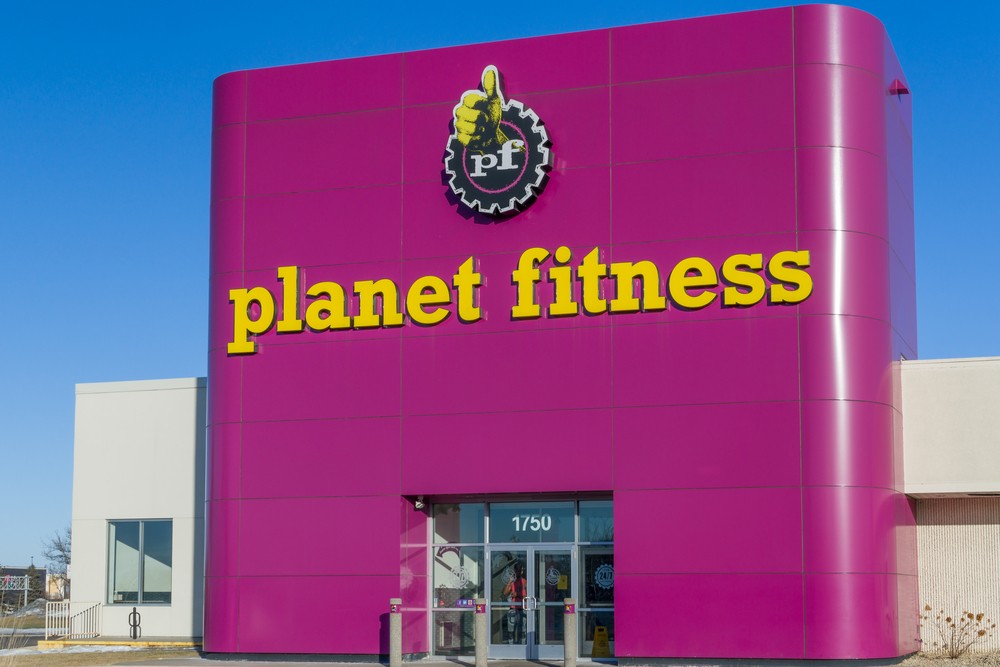
Planet Fitness Faces Backlash and Stock Plunge After Viral Locker Room Incident

Planet Fitness, a popular chain of fitness studios in the United States, has recently been thrust into the national spotlight following a viral incident at its Fairbanks, Alaska location. What began as a local dispute over locker room access quickly escalated into a nationwide debate touching on gender identity, corporate policy, societal norms, and the growing influence of social media on business and politics. This article provides a comprehensive, factual, and analytical look at the controversy, the company’s response, the societal reactions, and the business ramifications that have followed.
The Incident in Alaska: How It Began
The controversy originated when a woman visiting the Planet Fitness gym in Fairbanks, Alaska, took a picture of a transgender woman, who was using the women’s locker room and shaving at the sink. Upset by the situation, the woman later posted a video online where she voiced her discontent, accusing Planet Fitness of allowing ‘men’ in spaces that she believed should be exclusive to cisgender women. The video, along with the accompanying photo, quickly went viral, igniting passionate conversations across social media platforms and news outlets about transgender rights, privacy, and corporate policy.
It is important to note that the transgender woman was engaged in regular activities—using the facilities provided and shaving at the sink—when her photo was taken without her consent. No allegations of harassment or inappropriate behavior were reported against her in this situation.
Planet Fitness Responds: Corporate Policy and Membership Revocation
As the video spread and drew nationwide attention, Planet Fitness reviewed the incident and responded by revoking the membership of the woman who filmed and posted the images online. The company confirmed that its policies are designed to allow members to use the locker room that matches their gender identity, aligning with principles of inclusion and anti-discrimination.
In an official statement following the incident, Planet Fitness reiterated its “Judgement Free Zone” philosophy and affirmed its stance on supporting transgender members’ rights to choose facilities consistent with their gender identity. The company also emphasized that taking photos in private spaces such as locker rooms is strictly prohibited as it violates both its policies and the privacy of other clients. According to Planet Fitness, violations of these rules can result in membership cancellation.
Public Debate Intensifies Across the United States
The viral video renewed heated discussions regarding the inclusion of transgender individuals in gendered spaces, particularly in locker rooms and restrooms. Politicians, advocacy groups, fitness members, and everyday citizens all weighed in on the issue, with reactions split along ideological lines. Supporters of transgender rights argued that inclusive policies are necessary to safeguard equality and dignity, while critics expressed concerns about privacy and called for changes to the company’s regulations.
Shortly after the video emerged, additional pictures of the same transgender woman using the gym’s locker room began circulating online, further fueling the controversy. Prominent conservative voices and social media personalities began calling for a boycott of Planet Fitness, urging their followers to cancel memberships in protest. This reaction echoes similar campaigns seen in other sectors, highlighting how social issues can directly impact consumer behavior and brand reputation.

Impact on Planet Fitness: Stock Price and Market Capitalization
The effects of the controversy soon became visible on the financial front. Planet Fitness’s stock price experienced a sharp decline, dropping from approximately $66 per share to around $56 per share within less than two weeks. Analysts trace this loss largely to investor concerns over potential membership cancellations and negative publicity. The company’s market capitalization, reflecting its total value on the stock market, reportedly fell by about $400 million. In raw terms, Planet Fitness’s market cap tumbled from $5.3 billion to $4.9 billion within just five days.
Business experts point out that consumers increasingly demand that brands take clear stances on social issues, making reputation management crucial. Market observers suggest that the long-term business impacts could include reduced retention rates, changes in new member enrollments, and additional scrutiny from shareholders. Such incidents serve as a case study in the broader trend of what is known as the “politicization of commerce,” where companies find themselves navigating not only business fundamentals but also societal and cultural debates.
Company Policy and Wider Industry Context
Planet Fitness is not unique in having policies that allow people to use facilities based on their self-identified gender. Many large gym chains and public institutions across the United States and various other countries have adopted similar rules and anti-discrimination stances, reflecting evolving societal standards and legal requirements. Organizations such as the Human Rights Campaign and American Civil Liberties Union have advocated for inclusive policies in spaces ranging from schools to corporate offices. Conversely, opponents argue that these policies can generate privacy concerns and demand further discussion on safeguards for everyone using such facilities.
In the past decade, several U.S. states and municipalities have passed specific legislation regarding access to public restrooms and locker rooms, reflecting enduring disagreements at both the legal and cultural level. Planet Fitness’s policy aligns with guidance from institutions such as the U.S. Equal Employment Opportunity Commission and various state laws that prohibit discrimination on the basis of gender identity.
Privacy, Consent, and the Digital Era
One central aspect of this incident is the matter of privacy within gym spaces. Taking photos or videos inside locker rooms without consent is generally prohibited, not just at Planet Fitness but at most health clubs, due to privacy and security concerns. Legal experts underscore that sharing personal images online without consent can have legal repercussions, particularly when it involves private settings like changing areas.
The Alaska case highlights the tensions that can arise when social media content goes viral, with unintended consequences for the people involved, the business, and the wider community. Cybersecurity scholars note that these situations can lead to online harassment, doxxing, and the amplification of misinformation, complicating efforts to sustain civil discourse on sensitive matters.
Broader Cultural and Societal Reactions
Nationwide reactions to the Fairbanks incident and Planet Fitness’s response have reflected broader divisions in American society around gender identity and public spaces. Some organizations, including LGBTQ+ advocacy groups, praised Planet Fitness for upholding inclusive policies and protecting the rights of transgender members. For example, activist groups referenced the incident as an example of the necessity for clear anti-discrimination measures in health and fitness environments.
Conversely, certain political figures and advocacy groups demanded consumer action against Planet Fitness, generating significant attention both in traditional news media and in online communities. These calls for boycotts draw parallels to similar corporate controversies in sectors ranging from brewing (such as the Bud Light boycott) to retail, emphasizing the significant social pressures now placed upon brands.
Internationally, similar debates have emerged regarding the balance between inclusion and privacy in public and private institutions. Countries such as Canada, the United Kingdom, and members of the European Union have adopted various legislative approaches to address these complex issues, reflecting diverse societal values and ongoing policy development.
Expert Perspectives: Inclusion, Policy, and Best Practice
Experts in law, business ethics, and diversity management have offered perspectives on the Planet Fitness incident. Many highlight the importance of clear, well-communicated policies that are compliant with local laws and sensitive to the needs of all clients. Legal scholars stress that anti-discrimination statutes protect individuals on the basis of gender identity, and failure to uphold those statutes can expose organizations to litigation and reputational harm.
Business analysts point out that companies benefit from predictable, transparent policies, especially in industries rooted in membership and customer trust. Industry associations encourage ongoing training for staff around conflict resolution and inclusion, noting that clearly posted rules and proactive communication can help avert misunderstandings before they escalate.
Mental health professionals also underscore the psychological importance of safe and welcoming community spaces for all individuals, particularly for marginalized groups. Studies have shown that inclusive policies contribute to positive mental health outcomes and support broader public health goals, while alienation or discrimination can have lasting negative effects.
Future Implications for Planet Fitness and the Fitness Industry
The financial repercussions of the viral incident serve as a reminder that modern businesses operate in a landscape shaped by instantaneous communication, cultural division, and evolving legal standards. For Planet Fitness, immediate priorities may include reassuring current members, addressing potential membership declines, and reinforcing privacy and conduct rules within their locations. The company’s experience also serves as a cautionary example for the broader industry about the intersection of public policy, customer relations, and the digital information ecosystem.
As societal attitudes continue to evolve, experts note that legal frameworks and industry standards may also change. Forward-looking companies may explore new forms of facility design, such as private changing capsules or expanded unisex spaces, to better reconcile concerns around privacy while upholding commitments to inclusivity and equality.
Conclusion
The incident at Planet Fitness in Alaska has evolved far beyond a single dispute, highlighting key issues at the intersection of social justice, business management, and legal compliance. The fitness chain’s response—upholding transgender-inclusive policies and revoking the membership of someone violating privacy rules—has sparked both backlash and support. Meanwhile, the impact on its stock price underscores the tangible risks and responsibilities for businesses operating in today’s polarized social environment. As the debate continues to unfold in gyms, boardrooms, and legislatures alike, Planet Fitness’s experience may set an important precedent for how companies approach questions of inclusion, privacy, and public trust in the digital age.

Rameeza Ahmad is a journalist with experience covering local and entertainment news. She joined Newsner in May 2022 and works as a Senior Editorial Manager with the English and international teams.
Sources
- Reuters
- BBC
- The Guardian
- TMZ
- Newsner
- U.S. Equal Employment Opportunity Commission
- Human Rights Campaign
Disclaimer: This content is intended for entertainment purposes only and is not based on real events.